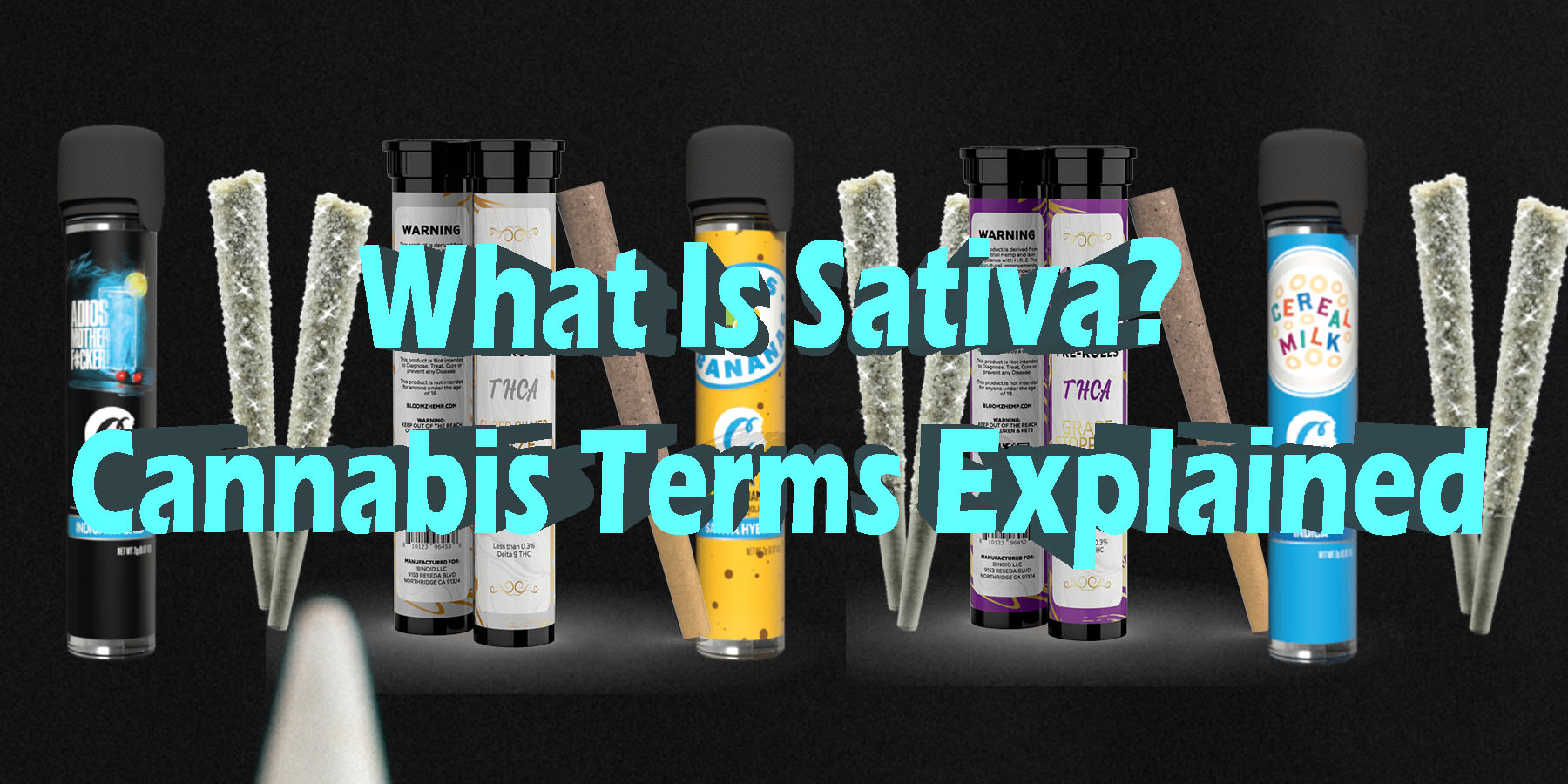
If you’ve ever browsed for THC products — whether online or in-store — you’ve definitely seen the word “Sativa.” It’s one of the most recognizable labels in cannabis culture. People throw it around casually:
“Is that a Sativa?”
“I only use Sativas during the day.”
“That one’s too much for me, I need something lighter.”
But what does Sativa actually mean? Is it about the plant itself? The feeling? The flavor? Or just marketing?
The answer is layered — but it’s not complicated once you break it down in plain language.
If you’re a casual THC user who just wants to understand what kind of vibe you’re getting before you hit a vape or eat a gummy, this guide is for you.
Let’s get into it.
To Buy THC Products Click Here
Recommended products
-
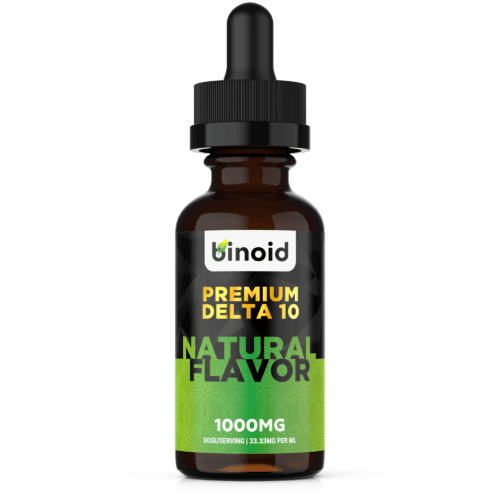
Delta 10 THC Tincture (1000mg, 2500mg, 5000mg)
$27.99$79.99 -
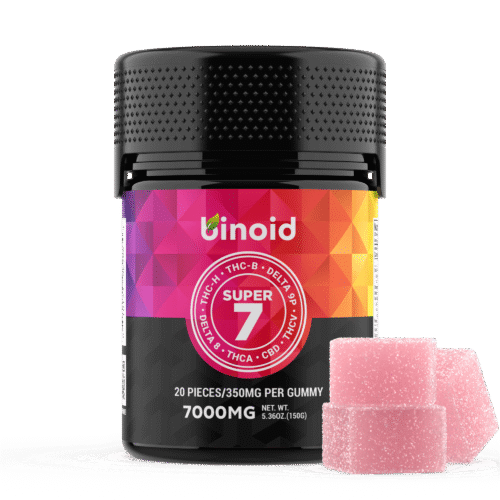
Super 7 Gummies – 7000MG
$39.97$59.99
The Basic Definition of Sativa
Traditionally, Sativa refers to Cannabis sativa, one of the main botanical classifications of the cannabis plant. Historically, Sativa plants were taller, thinner, and grew in warmer climates like parts of Central America, Southeast Asia, and Africa.
They had longer flowering cycles and a different physical structure compared to Indica plants.
That’s the plant side of it.
But in modern THC culture, when someone says “Sativa,” they’re usually not talking about plant height.
They’re talking about the experience.
What Does Sativa Feel Like?
In casual terms, Sativa is generally associated with a more upbeat, energetic, or mentally stimulating vibe.
People often describe Sativa-style products as:
Brighter
More social
More active
More daytime-friendly
More “get up and do something”
Now, that doesn’t mean every Sativa will feel intense or overwhelming. It’s just the direction it leans.
If Indica is typically labeled as chill and grounded, Sativa is usually positioned as lighter and more forward-moving.
That’s the cultural shorthand.
Why Sativa Isn’t Just About Genetics Anymore
Here’s something important.
Most modern THC products — especially vapes and edibles — are not raw flower in their original botanical form.
They’re extracts.
That means the Sativa label on a disposable vape or gummy usually refers to a crafted terpene profile and effect direction rather than pure plant lineage.
Brands recreate Sativa-style experiences by combining cannabinoids with specific terpenes that match that energetic, citrus-forward, or bright profile.
On binidcbd.com, you’ll see Sativa-labeled disposables and gummies designed to reflect that vibe. The goal is consistency in experience — not strict adherence to old-school plant taxonomy.
It’s about how it feels, not how tall the plant was.
The Role of Terpenes in Sativa Products
Terpenes play a huge role in shaping what people describe as a Sativa experience.
Certain terpene profiles are commonly found in strains labeled Sativa. For example, limonene (which smells citrusy) and pinene (which smells sharp and fresh) often show up in Sativa-style products.
When combined with THC, those terpene profiles can create a brighter, more alert-feeling experience.
That’s why Sativa vapes often taste like citrus, tropical fruit, or something crisp and fresh.
The flavor matches the vibe.
Brands use terpene design intentionally to support that identity.
Recommended products
-
13,000mg Good Luck Gummies
$47.99$79.99 -
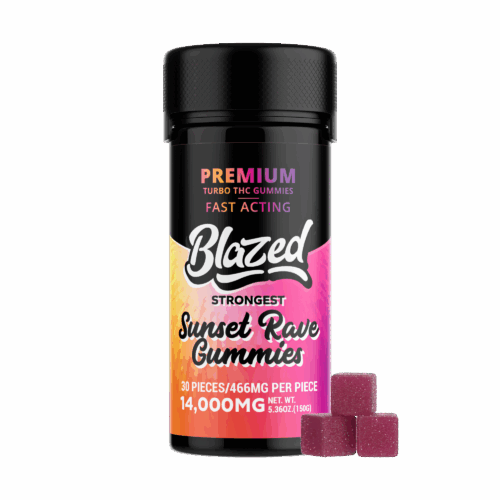
14,000MG Turbo THC Gummies – Blazed
$49.99$84.99 -
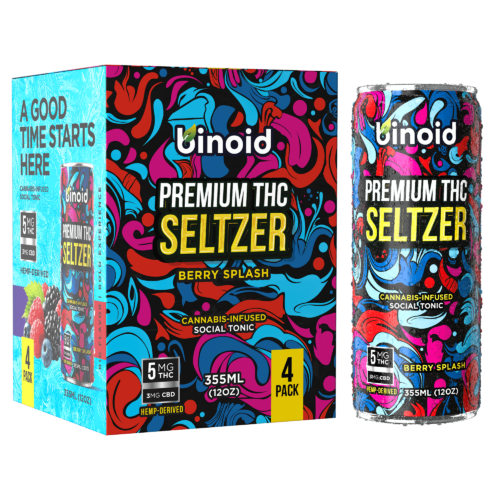
THC Seltzer – Good Vibes Cannabis Drink (4 Pack)
$19.99$29.99 -
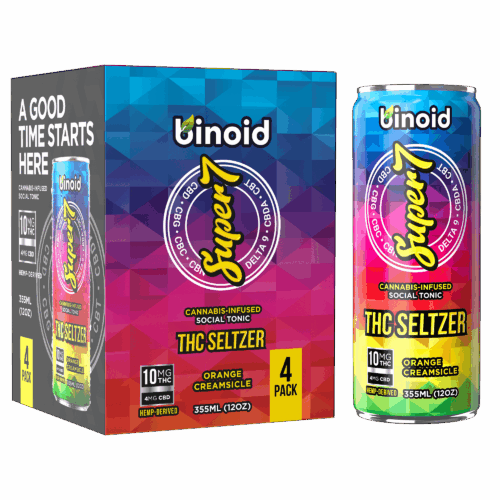
Super 7 THC Beverage – One of a Kind (4 Pack)
$24.99$37.99

Sativa vs Indica: The Classic Split
You can’t talk about Sativa without mentioning Indica.
The traditional breakdown looks like this:
Sativa = upbeat
Indica = chill
Hybrid = somewhere in between
Is that scientifically perfect? Not really.
But as a consumer guide, it works.
When you’re browsing products on binidcbd.com and see a Sativa label, it signals that the product is crafted to lean toward a more active or daytime-friendly direction.
That label helps you decide quickly.
You don’t need to study chemistry. You just need to know the general vibe you’re looking for.
Sativa in Vapes
Sativa-style vapes are popular for daytime use.
People reach for them when they want something that feels lighter or more social.
On binidcbd.com, certain disposable vapes are categorized by experience type. Sativa options often highlight bright flavor profiles and energetic strain inspirations.
Think tropical, citrus, sweet fruit, or crisp profiles.
The terpene blend plays a major role in delivering that identity.
Even if two disposables have similar THC potency, the Sativa-labeled one might feel different because of how it’s formulated.
That’s experience design at work.
Sativa in Gummies
Edibles are a different experience altogether.
Because gummies are metabolized through digestion, they often feel stronger and last longer than inhaled products.
Sativa-style gummies are typically positioned as more daytime-friendly or socially oriented.
Again, this isn’t about medical claims. It’s about how they’re designed and marketed.
On binidcbd.com, you’ll find gummies across multiple categories — from blends to strain-inspired options. When a gummy is labeled Sativa, it’s usually crafted to align with that lighter, more forward-moving tone.
But as always, dosage matters more than the label.
Does Sativa Always Mean Energy?
Not necessarily.
Everyone’s body chemistry is different. Tolerance plays a role. Dose plays a huge role.
A low dose of a Sativa gummy might feel clear and easygoing.
A high dose of the same product could feel overwhelming, regardless of label.
Sativa is directional, not absolute.
It’s a guide — not a guarantee.
Recommended products
-
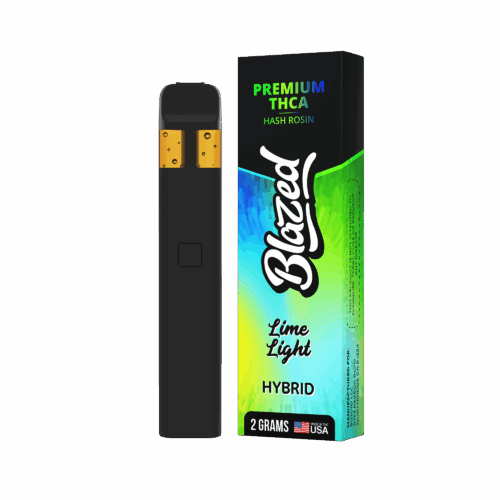
2 Gram THCA Disposable Hash Rosin – Blazed
$37.99$59.99 -
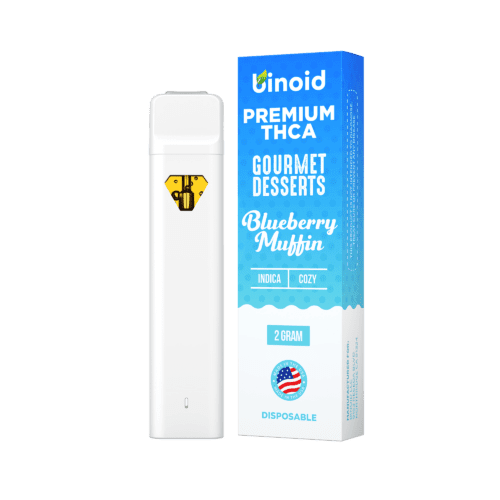
THCA Disposable 2 Gram – Gourmet Desserts
$37.99$73.00 -
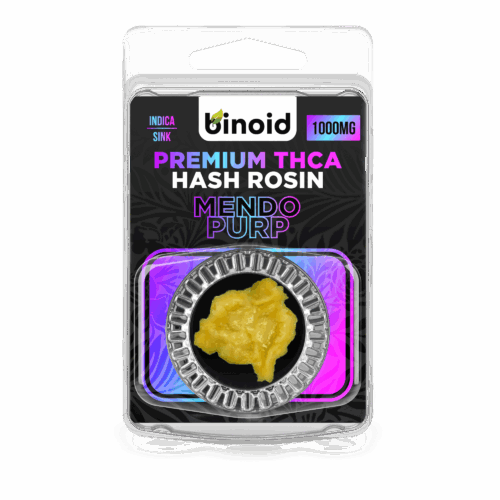
THCA Hash Rosin Dabs – 1000mg
$33.99$59.99 -
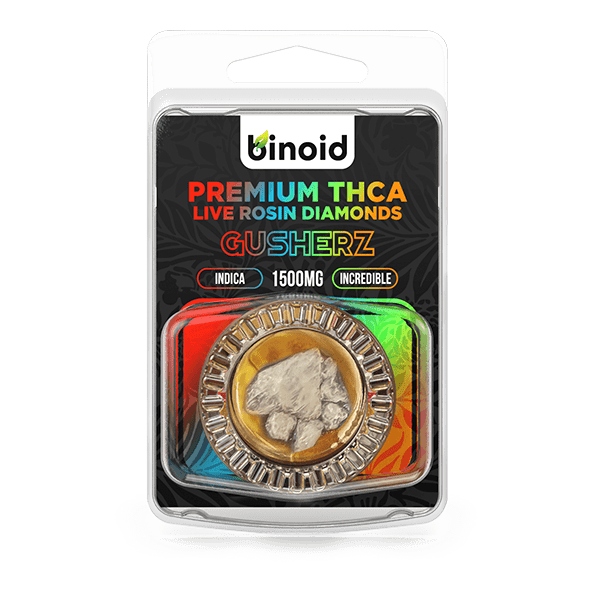
THCA Diamonds 1500mg – Live Rosin
$30.99$59.99
Flavor Profiles You’ll See in Sativa Products
Sativa-style products often lean toward bright, sharp, or sweet flavor profiles.
Citrus
Tropical fruit
Pine
Berry
Sweet candy
On binidcbd.com, many Sativa-inspired disposables reflect this pattern. The flavor notes often align with that energetic positioning.
The taste isn’t random.
It reinforces the identity.
If something tastes like fresh lemon zest or pineapple candy, it probably leans Sativa in vibe.
The Evolution of Sativa in the Hemp Market
With the rise of hemp-derived cannabinoids like Delta-8, THCA, and various blends, Sativa labeling has expanded beyond traditional Delta-9 flower.
Now you’ll see Sativa-style:
Delta-8 disposables
THCA carts
Multi-cannabinoid blends
Live resin-inspired products
The Sativa tag helps consumers quickly understand what direction the experience is supposed to lean.
Even if the cannabinoids vary, the terpene design and branding anchor the vibe.
That’s why Sativa still matters — even in modern extract-based products.
Sativa and Social Settings
A lot of casual THC users associate Sativa with being more social.
It’s often the go-to for:
Daytime hangouts
Outdoor activities
Creative sessions
Low-key social events
Again, this isn’t a medical statement. It’s just how the label is culturally positioned.
When someone says, “I need a Sativa,” they usually mean they want something that doesn’t feel heavy or couch-locked.
They want movement.
The Myth of “Pure” Sativa
Here’s something interesting.
True, pure Sativa strains are rare in modern commercial cannabis.
Most products are hybrids with varying percentages of Indica and Sativa genetics.
But the label persists because it’s useful shorthand.
It communicates a general direction quickly.
On binidcbd.com, when you see Sativa labeling, it’s about that direction — not a claim of botanical purity.
It’s about crafting a consistent vibe for the user.
How to Choose a Sativa Product
If you’re considering a Sativa option, think about:
When you plan to use it
How much THC you’re comfortable with
Whether you prefer vaping or edibles
What flavors you enjoy
If you’re new, start lower in milligrams.
If you’re experienced, you probably already know your comfort zone.
The label gives you direction, but your tolerance determines the intensity.
Sativa and Blended Products
Modern THC brands are leaning heavily into blends.
Instead of relying on just one cannabinoid, they combine multiple to shape the experience.
Some blends on binidcbd.com are designed to lean Sativa in vibe — meaning they combine cannabinoids and terpenes in a way that feels bright and forward.
That’s the evolution of the market.
It’s less about plant structure and more about curated experience.
Recommended products
-
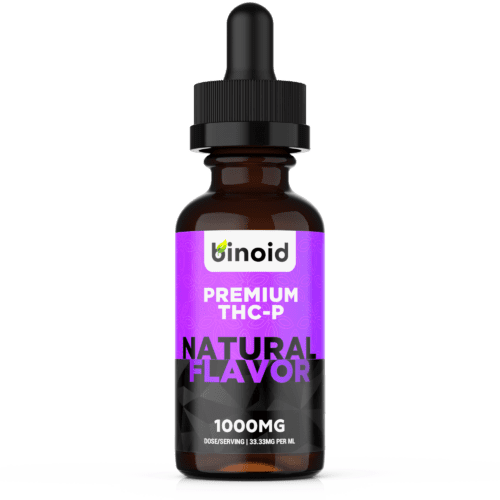
THC-P Tincture – 1000mg
$30.99$79.99 -
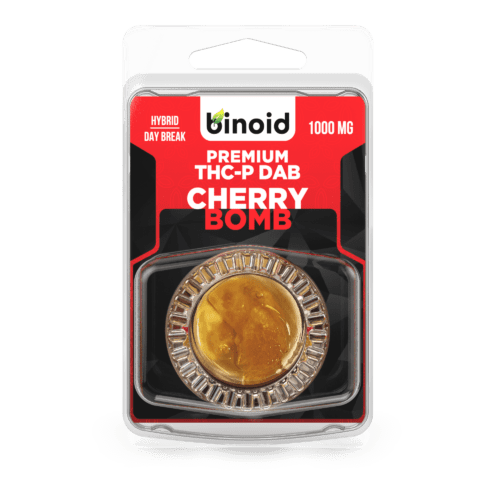
THC-P Wax Dabs
$29.99$57.99 -
THC-P Rechargeable Disposable – 2 Gram
$31.00$59.99 -
THC-P Vape Cartridge
$29.99$59.99
Is Sativa Better?
Not better.
Just different.
Some people love the lighter feel.
Others find it too stimulating.
It depends entirely on your preference.
A lot of users rotate between Sativa and Indica depending on time of day or mood.
That flexibility is part of modern THC culture.
The Bottom Line on Sativa
Sativa started as a botanical classification.
Today, it’s an experience label.
It generally signals a brighter, more energetic, or more social THC vibe. It’s often associated with daytime use and lighter flavor profiles.
On binidcbd.com, Sativa-labeled disposables, gummies, and blends are crafted to reflect that direction through terpene design and cannabinoid formulation.
It’s not about rigid science definitions.
It’s about helping you choose what fits your moment.
If you want something that feels forward-moving, crisp, and less heavy, Sativa is usually the lane you’re looking at.
And once you understand that, you’re not just buying THC — you’re choosing the type of experience you actually want.
To Buy THC Products Click Here
Recommended products
-
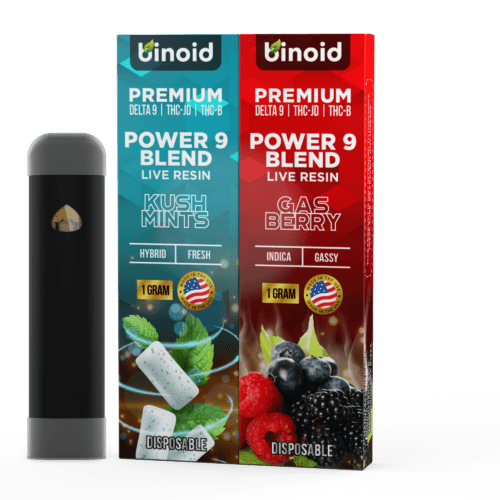
Power 9 Blend Live Resin Disposable – 2 Pack Combo (Limited Time Sale)
$44.99$89.99 -
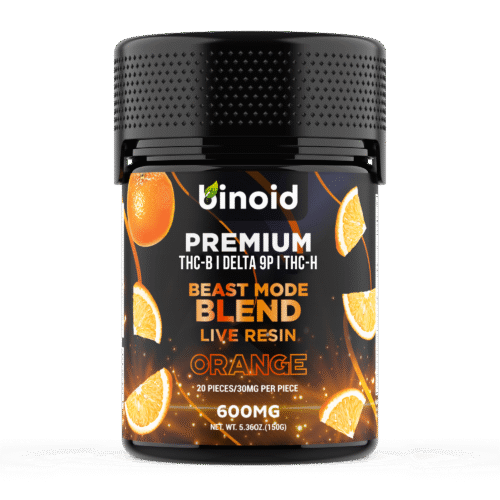
Beast Mode Blend Gummies
$32.99$59.99 -
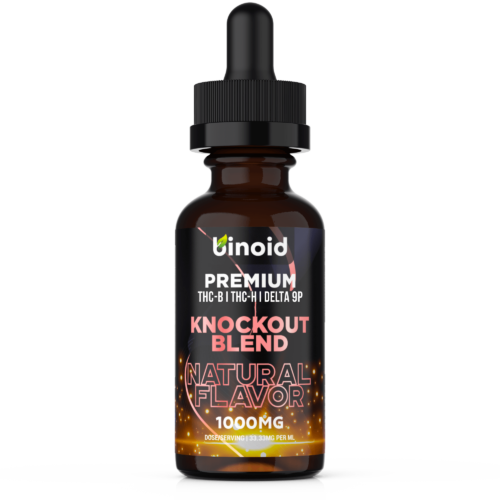
Knockout Blend Tincture – 1000mg
$34.99$59.99 -
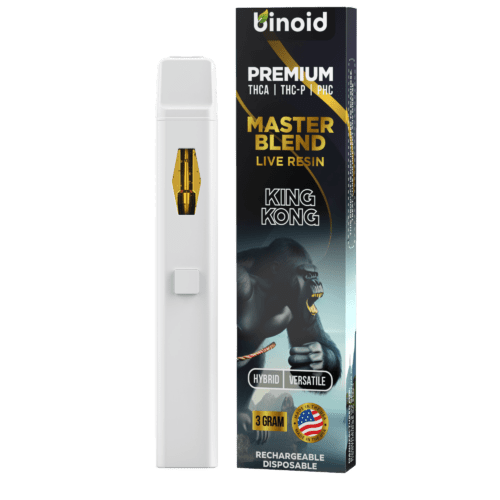
Master Blend Live Resin Disposable – 3 Gram
$43.99$59.99