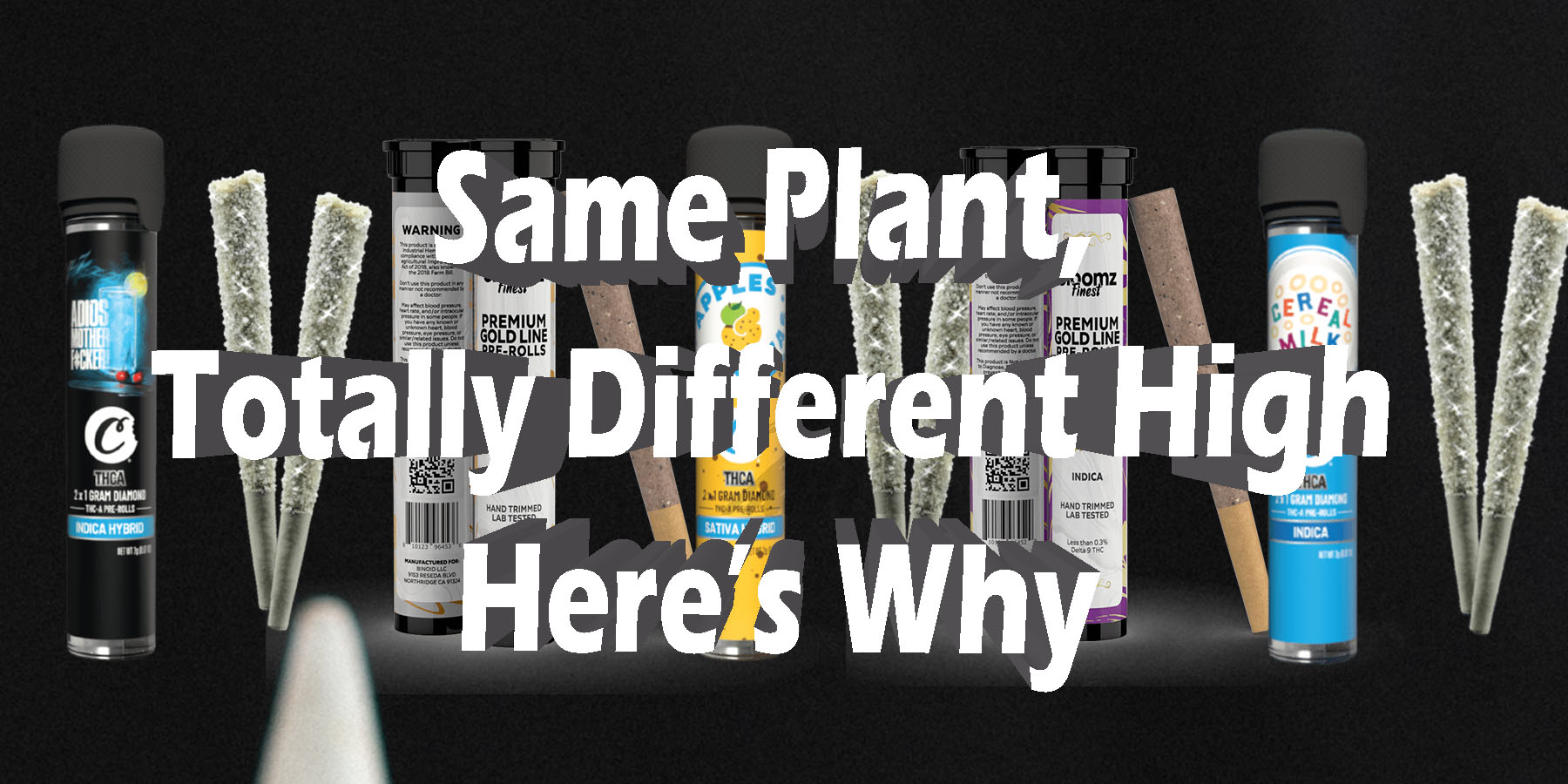
If you’ve ever tried two different cannabis strains back-to-back and thought, “How are these even the same plant?” you’re not imagining things.
One strain might have you feeling upbeat and talkative, ready to put on music or go outside. Another might make you want to sink into the couch, throw on a movie, and not move for two hours. Some feel mentally stimulating. Some feel heavy in the body. Some are smooth and balanced. Others hit hard and fast.
So what actually determines why different strains feel different?
It’s not just about THC percentage. It’s not just about indica versus sativa. And it’s definitely not random.
The way a strain feels comes down to a mix of cannabinoids, terpenes, plant genetics, growing conditions, and even your own body chemistry. When you understand how all of these pieces work together, choosing the right strain becomes way easier—and way more intentional.
Let’s break it down.
To Buy THC Products Click Here
Recommended products
-
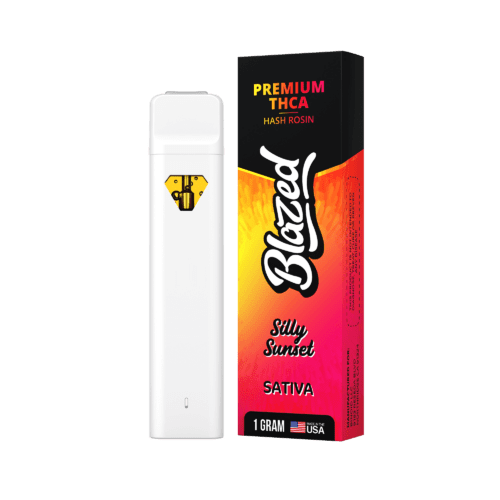
1 Gram THCA Disposable – Hash Rosin – Blazed
$31.99$67.99 -
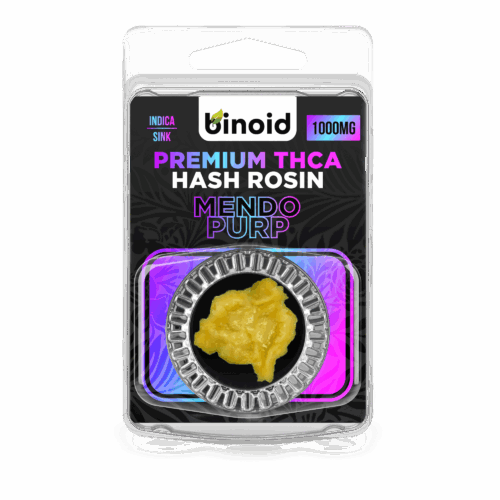
THCA Hash Rosin Dabs – 1000mg
$33.99$59.99 -
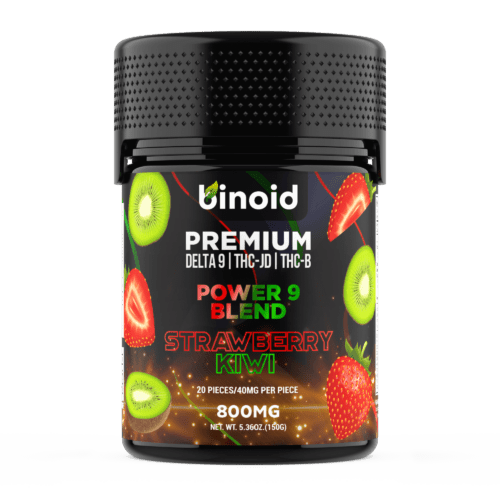
Power 9 Blend Gummies
$36.99$59.99 -
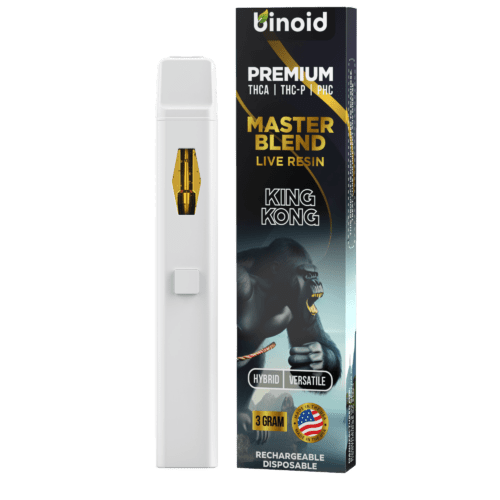
Master Blend Live Resin Disposable – 3 Gram
$43.99$59.99
It’s Not Just THC (Even Though THC Matters)
Most people look at THC first. That makes sense. THC is the main psychoactive compound in cannabis, and it’s largely responsible for the “high” feeling.
But here’s the thing: two strains can both test at 25% THC and feel completely different.
Why?
Because THC is only one piece of the puzzle.
When you browse Binoid THC products or explore Binoid THCA flower online, you’ll notice strains described with specific flavor notes, terpene profiles, and effects beyond just potency. That’s because THC on its own doesn’t tell the full story.
Think of THC like the engine in a car. It provides power. But the handling, suspension, weight distribution, and tires all affect how that car actually drives. Cannabis works the same way.
The cannabinoids and terpenes surrounding THC shape the entire experience.
Cannabinoids: The Chemical Foundation of the High
Cannabinoids are the naturally occurring compounds found in cannabis. THC gets the spotlight, but it’s far from the only one that matters.
There are over 100 known cannabinoids in the cannabis plant. Some of the most common you’ll see include:
-
CBN
-
CBC
Each of these interacts with your body’s endocannabinoid system in slightly different ways. That system helps regulate mood, appetite, memory, and perception.
For example, THCA flower from Binoid offers a unique experience because THCA converts to THC when heated. That means the starting chemical profile is different from already-activated THC products. Meanwhile, products that include minor cannabinoids like CBG or CBN may feel subtly different because those compounds influence how the overall blend behaves.
This is one reason Binoid cannabinoid blends feel distinct from one another. A Super 7 Blend, Power 9 Blend, or other multi-cannabinoid formula won’t hit the same way as a single-compound product because the ratio changes the overall effect.
It’s not about one ingredient dominating. It’s about how they interact.
Terpenes: The Real Personality of a Strain
If cannabinoids are the engine, terpenes are the steering wheel.
Terpenes are aromatic compounds found in cannabis (and in tons of other plants). They’re what give strains their smell and flavor. Citrus. Pine. Diesel. Sweet berries. Earthy spice.
But terpenes don’t just affect taste and smell. They also influence how a strain feels.
Some of the most common cannabis terpenes include:
Myrcene – Often found in strains described as relaxing or body-heavy.
Limonene – Common in citrus-smelling strains, often associated with brighter, more energetic vibes.
Pinene – Smells like pine trees and can feel clear-headed or alert.
Caryophyllene – Spicy and peppery, often present in balanced strains.
Linalool – Floral, sometimes associated with calmer effects.
When you explore Binoid THCA flower strains or Binoid hemp-derived THC products, you’ll see terpene information included because it matters.
Two strains with identical THC levels but different terpene profiles can feel completely opposite.
That’s why some strains feel uplifting while others feel grounding—even if the potency number is the same.
Indica vs. Sativa vs. Hybrid: Does It Still Matter?
The traditional labels—indica, sativa, and hybrid—still exist, but they’re more of a starting point than a final answer.
Historically, indica strains were described as relaxing and body-focused. Sativa strains were described as energizing and cerebral. Hybrids were somewhere in the middle.
But modern cannabis genetics are highly crossbred. Most strains today are hybrids with dominant traits leaning one way or the other.
What actually determines the feel isn’t the label—it’s the terpene and cannabinoid combination within that plant.
That’s why two “indica” strains can feel very different. One might be deeply mellow and heavy. Another might be more balanced and mentally engaging.
The same goes for sativas. Some feel creative and motivating. Others feel intense and racy.
When shopping Binoid THCA flower strains or browsing Binoid THC vape products, it helps to look beyond just indica or sativa and pay attention to the terpene profile and cannabinoid blend.
Genetics: The DNA Blueprint
Every cannabis strain starts with genetics.
Just like humans inherit traits from their parents, cannabis strains inherit traits from their parent strains. That includes:
-
Cannabinoid ratios
-
Terpene production
-
Growth structure
-
Resin production
-
Flavor characteristics
If a strain is bred from two highly potent, terpene-rich parent strains, the offspring will likely carry a strong profile.
Over time, breeders selectively cross strains to emphasize certain effects or flavors. That’s why newer strains often feel more layered and complex than older landrace varieties.
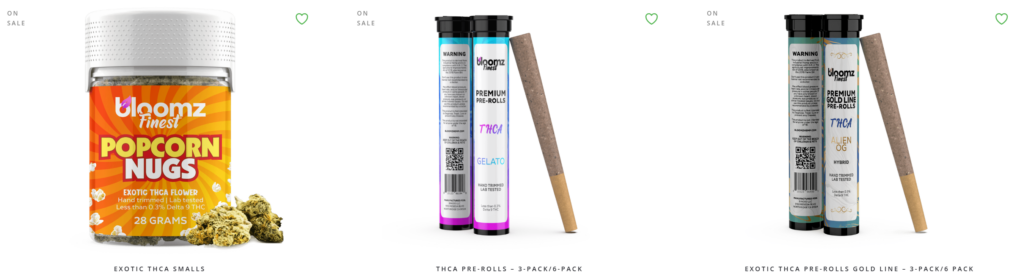
THCA flower selections often feature modern genetics designed to highlight both potency and terpene richness, which contributes to distinct strain-to-strain differences.
Genetics determine potential. Growing conditions bring that potential to life.
Growing Conditions: Environment Changes Everything
Even with identical genetics, two plants grown in different environments can feel different.
Lighting, soil quality, nutrients, temperature, humidity, and curing methods all affect the final product.
If a grower stresses a plant (intentionally or unintentionally), it can alter terpene production. A well-cured flower will preserve more aromatic compounds than one rushed to market.
This is why premium cannabis brands emphasize controlled cultivation and lab testing. Consistency matters.
When buying Binoid premium hemp-derived THC flower or concentrates, consistency in cultivation and processing plays a role in why one strain reliably feels the way it’s described.
It’s not magic. It’s plant science.
The Entourage Effect: Why Everything Works Together
You’ve probably heard the term “entourage effect.”
This concept suggests cannabinoids and terpenes work together in synergy, influencing how a strain feels overall.
Instead of THC acting alone, it interacts with:
-
Other cannabinoids
-
Terpenes
-
Flavonoids
-
Minor plant compounds
The combined effect can feel smoother, more layered, or more nuanced than isolated THC alone.
That’s why full spectrum Binoid products often feel different from single-compound THC products. The additional compounds shape the experience.
It’s less about “stronger” and more about “different.”
Your Body Chemistry Matters More Than You Think
Two people can smoke the same strain and have different experiences.
Why?
Because your body’s endocannabinoid system is unique.
Factors that influence how high you feel include:
-
Tolerance level
-
Body weight
-
Metabolism
-
Recent food intake
-
Mood
-
Setting
If you’re relaxed and comfortable, a strain may feel smooth and enjoyable. If you’re stressed or overstimulated, that same strain might feel intense.
This is especially important when trying new Binoid THC products or experimenting with different THCA flower strains. The strain’s profile matters—but so does your personal state.
Recommended products
-
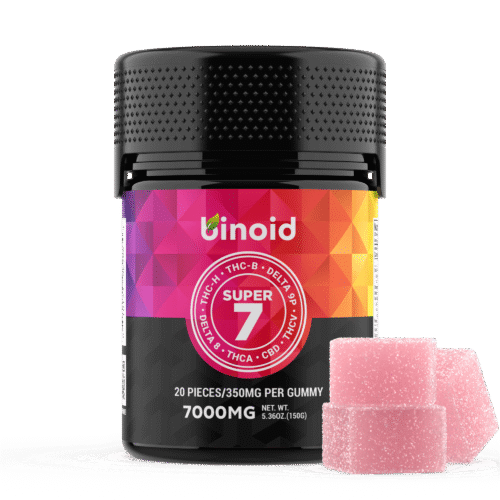
Super 7 Gummies – 7000MG
$39.97$59.99 -
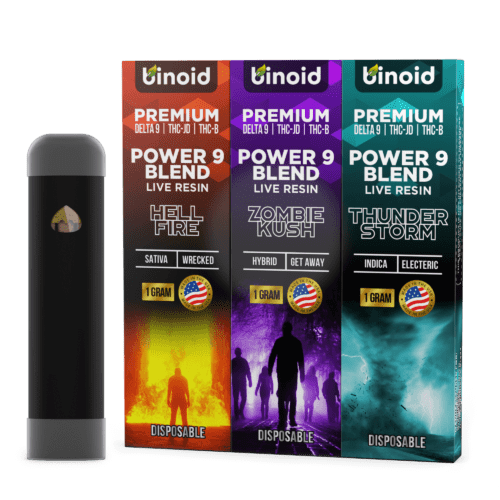
Power 9 Blend Live Resin Disposable – 3 Pack Combo
$60.99$89.99 -
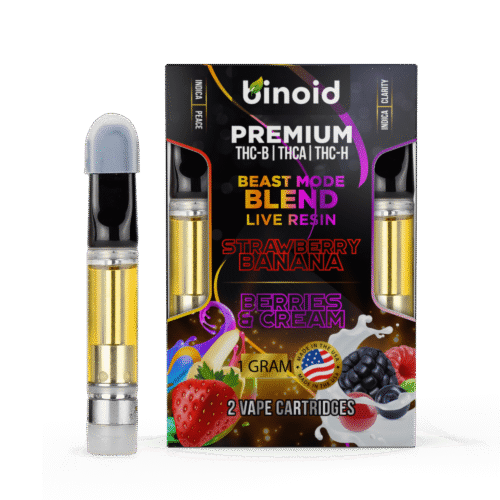
Beast Mode Blend Live Resin Cartridge – 2 Pack Combo (Limited Time Sale)
$40.99$89.99 -
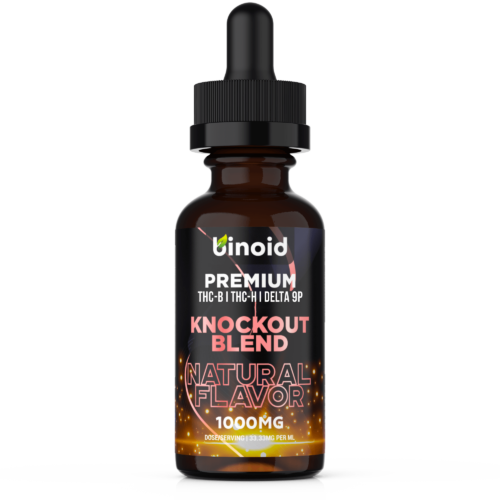
Knockout Blend Tincture – 1000mg
$34.99$59.99
Method of Consumption Changes the Feel
How you consume cannabis also affects how different strains feel.
Smoking or vaping delivers cannabinoids quickly. The onset is fast, and the peak tends to hit sooner.
Edibles metabolize differently, leading to a longer, more gradual experience.
Concentrates can feel more intense because of higher potency.
That means the same strain in a Binoid vape cart may feel slightly different from that strain in Binoid THCA flower form.
Delivery method shapes the timeline and intensity.
Terpene Dominance: Why Some Strains Feel “Clear” and Others Feel “Heavy”
When people describe strains as “clear-headed” or “couch-locking,” they’re often reacting to terpene dominance.
A limonene-heavy strain may feel brighter and more upbeat.
A myrcene-heavy strain may feel deeper and more physically grounding.
A balanced terpene profile may feel smooth and middle-of-the-road.
This is why experienced cannabis users look at terpene breakdowns rather than just THC percentages.
Binoid strain descriptions often include terpene highlights for this exact reason—so users can choose based on vibe, not just strength.
Strain Age and Curing Also Matter
Freshly harvested cannabis isn’t ready to consume immediately. Proper drying and curing preserves terpene content and smoothness.
If flower is over-dried, terpenes evaporate. If it’s under-cured, it can taste harsh.
Well-cured Binoid THCA flower retains more aromatic compounds, which directly affects how the strain feels when consumed.
Even storage plays a role. Heat and light degrade cannabinoids and terpenes over time.
Why Modern Strains Feel More Intense
Over the past two decades, cannabis breeding has dramatically increased potency.
Older strains from the 1970s and 1980s typically had much lower THC levels than modern strains.
Selective breeding now produces highly resinous, terpene-dense flowers that feel stronger and more layered.
When browsing Binoid hemp-derived THC flower or Binoid concentrates, you’re looking at products developed through years of advanced breeding and refinement.
Strains feel different today partly because they’re more chemically complex than ever before.
The Role of Minor Cannabinoids
Minor cannabinoids like CBG, CBC, and CBN exist in smaller amounts but still influence the overall effect.
They don’t dominate the high, but they shape the edges.
A strain rich in minor cannabinoids may feel more rounded and balanced. Another with minimal minor cannabinoids may feel sharper or more straightforward.
Binoid cannabinoid blends are designed to combine multiple compounds intentionally, which creates different experiential profiles compared to single-strain flower alone.
Flavor and Experience Are Connected
Taste affects perception.
If a strain tastes smooth and citrusy, your brain associates that with brightness and energy. If it tastes earthy and musky, you may perceive it as heavier.
Terpenes create flavor. Flavor influences perception. Perception shapes the experience.
It’s psychological and chemical at the same time.
Why Choosing the Right Strain Gets Easier Over Time
When you start paying attention to terpene profiles, cannabinoid ratios, and how certain strains make you feel, patterns emerge.
You might notice you prefer:
-
Citrus-forward terpene strains
-
Balanced hybrids
-
Myrcene-light profiles
-
Multi-cannabinoid blends
Over time, you can browse Binoid THC products and identify strains that match your preferred vibe instead of guessing based on THC alone.
Final Thoughts: It’s Chemistry, Not Chance
Different strains feel different because of chemistry.
Cannabinoids determine potency and psychoactive foundation.
Terpenes shape mood, clarity, and vibe.
Genetics set the blueprint.
Growing conditions refine the outcome.
Your body chemistry completes the equation.
It’s layered. It’s interactive. And it’s personal.
That’s why exploring different strains—whether through Binoid THCA flower, Binoid full spectrum products, or hemp-derived THC blends—feels like exploring entirely different experiences within the same plant.
Cannabis isn’t one-dimensional.
And once you understand why strains feel different, you stop chasing numbers and start choosing intentionally.
That’s when the experience really levels up.
To Buy THC Products Click Here
Recommended products
-
THCA Badder – 2500mg
$37.99$59.99 -
THCA Crumble – 2500mg
$37.99$59.99 -
THCA Shatter – 2500mg
$37.99$59.99 -
14,000MG Turbo THC Gummies – Blazed
$49.99$84.99