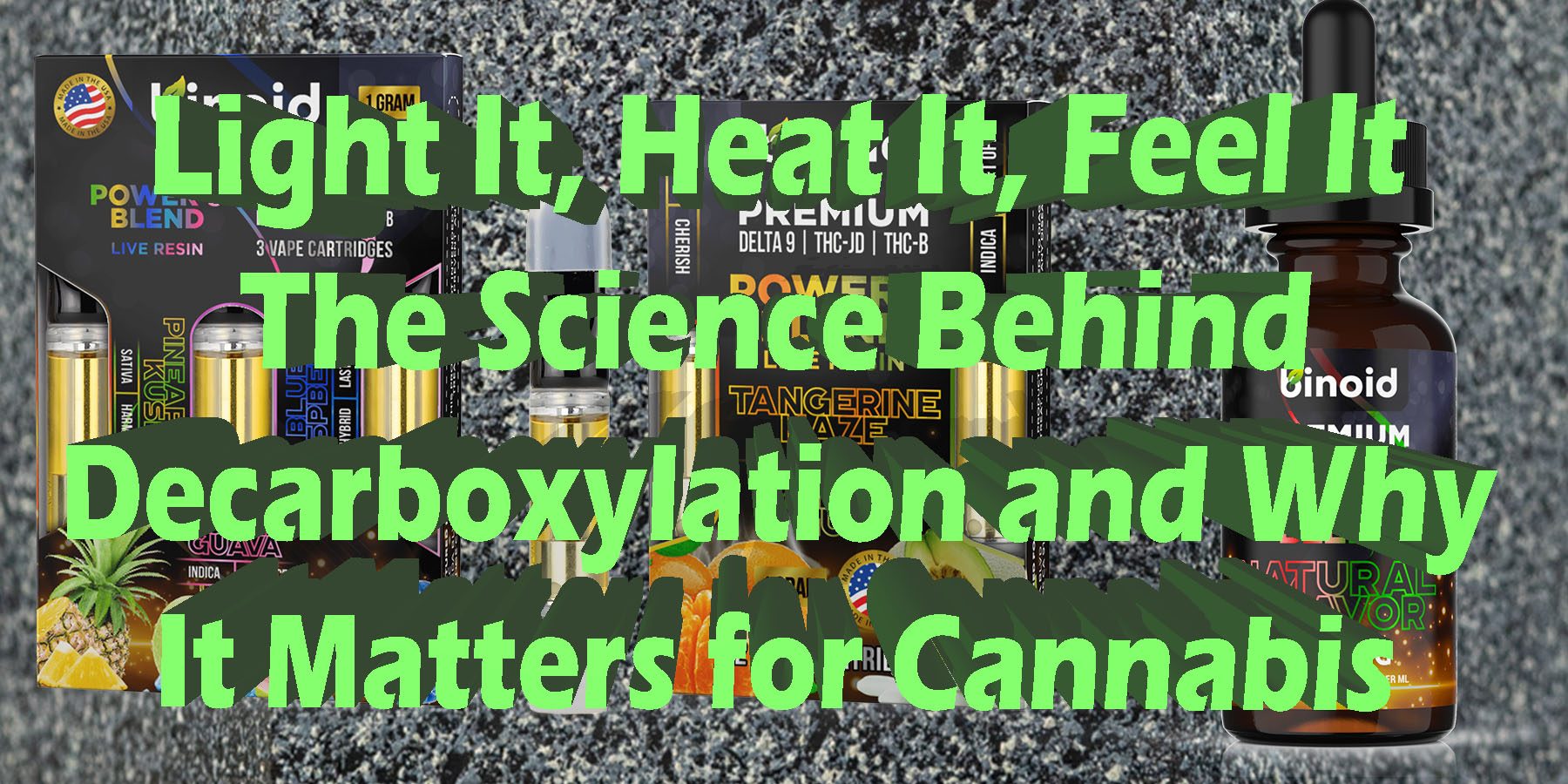
Every cannabis user has experienced it, even if they did not know the name for it. The moment a flame hits a bowl, a vape heats up, or a pan of cannabis-infused butter begins warming in the kitchen, a critical transformation takes place inside the plant. That transformation is called decarboxylation, and it is one of the most important processes in the entire cannabis experience.
Without decarboxylation, cannabis would not produce the familiar effects most people associate with smoking, vaping, or consuming it in edibles. The compounds inside the plant would remain in their raw, inactive forms, incapable of delivering the psychoactive or therapeutic sensations that have made cannabis such a culturally significant plant.
As cannabis science becomes more widely understood and hemp derived cannabinoids continue to expand across the market, understanding decarboxylation has become increasingly important. From THCA products to infused edibles and concentrates, nearly every modern cannabis product depends on this chemical process.
For consumers exploring the modern landscape of hemp and cannabinoids, especially those discovering brands like Binoid CBD, understanding decarboxylation reveals a deeper appreciation for the science behind the experience. It also highlights how cannabis culture evolution has shifted from simple consumption to a more informed appreciation of chemistry, cultivation, and cannabinoid behavior.
To truly understand why decarboxylation matters, we first need to explore what is actually happening inside the cannabis plant.
To Buy THCA Products Click Here
Recommended products
-
14,000MG Turbo THC Gummies – Blazed
$49.99$84.99 -
13,000mg Good Luck Gummies
$47.99$79.99 -
THC Seltzer – Good Vibes Cannabis Drink (4 Pack)
$19.99$29.99 -
Super 7 THC Beverage – One of a Kind (4 Pack)
$24.99$37.99

The Raw Chemistry of the Cannabis Plant
Cannabis is an incredibly complex plant from a chemical perspective. While most people are familiar with compounds like THC and CBD, the plant actually contains over one hundred cannabinoids, along with hundreds of terpenes, flavonoids, and other biologically active molecules.
However, one detail often surprises newcomers: cannabis plants do not naturally produce high levels of THC.
Instead, they primarily produce a precursor compound known as THCA, or tetrahydrocannabinolic acid. THCA is the acidic, raw form of THC that exists in freshly harvested cannabis flower. In this state, THCA is not intoxicating.
The same pattern exists with several other cannabinoids as well. CBD begins as CBDA, and other compounds also exist in acidic precursor forms before they undergo transformation.
This is where decarboxylation comes in.
Decarboxylation is the chemical reaction that converts these acidic cannabinoids into their active forms. When heat is applied to cannabis, the molecules lose a small chemical group known as a carboxyl group, releasing carbon dioxide in the process.
Once that group is removed, the compound becomes its active version. THCA becomes THC. CBDA becomes CBD. Other cannabinoids undergo similar conversions.
In simple terms, decarboxylation is what activates cannabis.
Without this process, the plant would remain chemically different from what most people expect when they consume it.
Why Heat Is the Key to Activation
Heat is the driving force behind decarboxylation, and it plays a central role in almost every method of cannabis consumption.
When someone lights a joint or bowl, the temperature instantly climbs high enough to trigger rapid decarboxylation. The THCA present in the flower quickly converts into THC, which is then inhaled as vaporized cannabinoids and smoke.
Vaporizers accomplish the same transformation through controlled heating rather than combustion. By heating cannabis flower or concentrates to specific temperatures, vaporizers activate cannabinoids without burning the plant material.
The process also occurs during cooking when cannabis is used to make edibles. In this scenario, cannabis is typically heated in an oven before being infused into butter, oil, or other ingredients. This step ensures that cannabinoids become active before they are incorporated into food.
Without that heating step, edibles would contain mostly inactive cannabinoid acids, producing little to no psychoactive effect.
This is why decarboxylation is considered a foundational step in cannabis preparation.
It bridges the gap between the plant’s raw chemical composition and the effects that consumers actually experience.
Recommended products
-
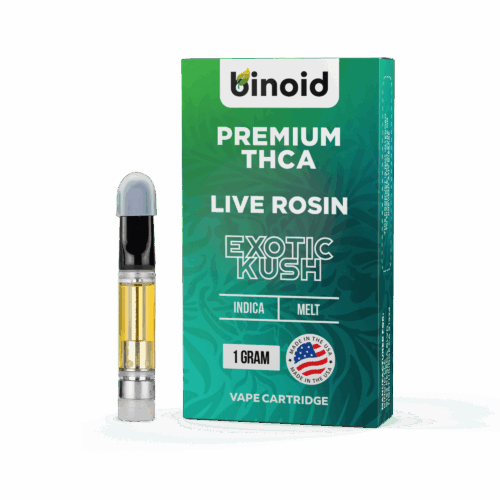
THCA Vape Cartridge – Live Rosin
$30.99$59.99 -
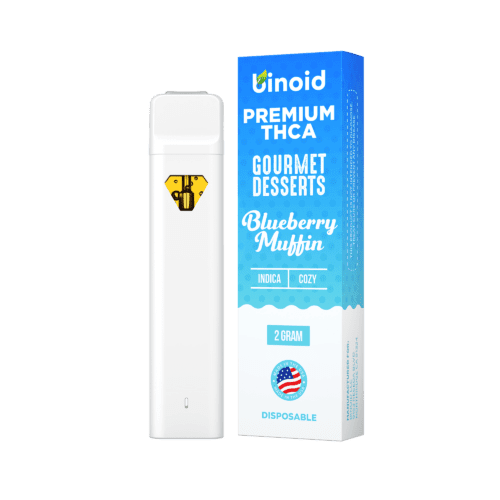
THCA Disposable 2 Gram – Gourmet Desserts
$37.99$73.00 -
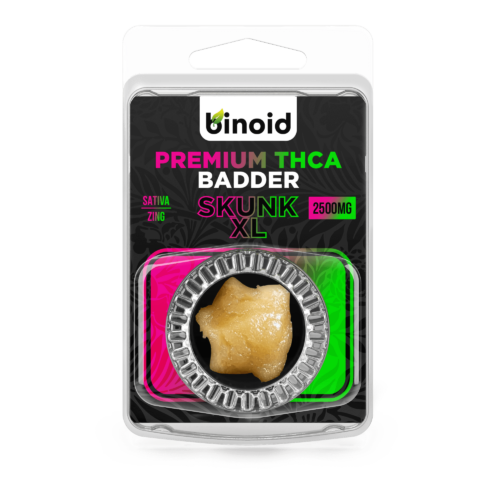
THCA Badder – 2500mg
$37.99$59.99 -
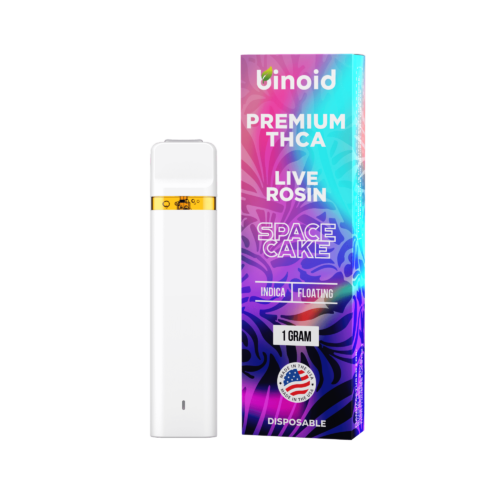
1 Gram THCA Disposable Vapes – Live Rosin
$32.99$67.99
The Role of THCA in Modern Cannabis
As cannabis science becomes more widely discussed, THCA has taken on a particularly important role in the conversation.
THCA exists naturally in both marijuana and hemp plants, often making up the majority of the cannabinoid content in fresh cannabis flower. However, because THCA itself is not intoxicating until it is heated, it has become especially relevant within the hemp market.
Under federal hemp regulations in the United States, legal hemp must contain less than 0.3 percent Delta-9 THC by dry weight. Since THCA is technically not Delta-9 THC in its raw state, certain hemp flower products can contain significant levels of THCA while still remaining compliant with legal definitions before heating occurs.
This legal distinction has led to the rise of THCA products within the hemp industry.
When THCA flower is smoked or vaporized, decarboxylation converts the THCA into THC, creating an experience that closely resembles traditional cannabis. This has allowed hemp-derived markets to offer products that deliver familiar effects while still operating within the framework of hemp regulations.
As a result, THCA products have quickly become one of the fastest growing segments of the hemp derived cannabinoids market.
For consumers exploring modern cannabis alternatives, understanding decarboxylation helps clarify why THCA behaves differently depending on how it is used.
Decarboxylation and the Edible Experience
One of the most fascinating examples of decarboxylation at work occurs in the world of cannabis edibles.
Unlike smoking or vaping, where heat activates cannabinoids instantly, edibles require a more controlled decarboxylation process during preparation.
When cannabis flower is used to make infused butter or oil, it must first be heated at a specific temperature for a certain amount of time. This process gently activates the cannabinoids without destroying them.
If the temperature is too low, decarboxylation may not occur fully. If the temperature is too high, cannabinoids and terpenes can degrade.
Once properly decarboxylated, the cannabis can be infused into fats like butter or coconut oil, which help bind cannabinoids and make them easier for the body to absorb during digestion.
The resulting edible products offer a very different experience compared to smoking or vaping.
Because cannabinoids must pass through the digestive system and liver before entering the bloodstream, the effects tend to take longer to appear but often last much longer as well.
This difference highlights how decarboxylation interacts with other biological processes to shape the cannabis experience.
Terpenes, Flavor, and the Impact of Heat
While cannabinoids receive most of the attention when discussing decarboxylation, another group of compounds also plays an important role: terpenes.
Terpenes are the aromatic molecules responsible for the distinctive flavors and scents of different cannabis strains. They are what give certain varieties notes of citrus, pine, berries, or earthy spice.
These compounds also contribute to what many enthusiasts refer to as the entourage effect, where cannabinoids and terpenes interact to shape the overall experience.
However, terpenes are highly sensitive to heat.
If cannabis is heated too aggressively during decarboxylation, many of these flavorful compounds can evaporate or degrade. This is why carefully controlled temperatures are often used during extraction and product formulation.
Modern hemp brands, including Binoid CBD, frequently focus on preserving terpene profiles during manufacturing in order to maintain both flavor and effect consistency.
This attention to detail reflects how cannabis culture evolution has shifted toward a more sophisticated appreciation of plant chemistry.
Consumers today often care just as much about terpene profiles and cannabinoid balance as they do about potency.
Recommended products
-
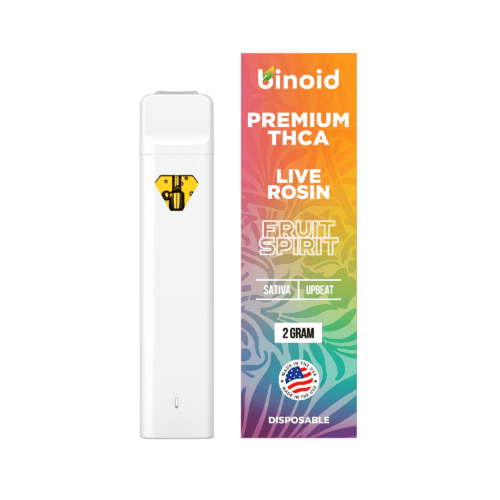
2 Gram THCA Disposable Vapes – Live Rosin
$39.99$73.00 -
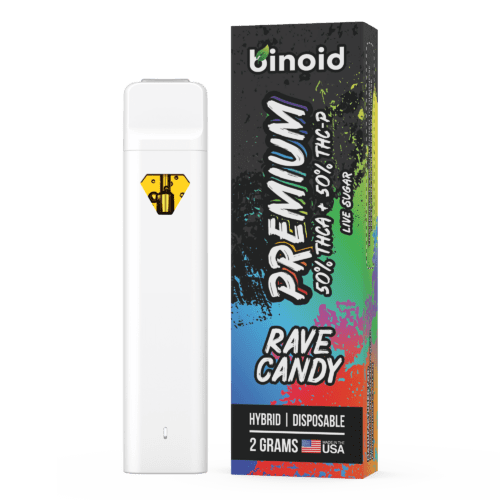
Live Sugar THCA + THC-P Disposable Vape – Pure 50/50
$39.99$69.99 -
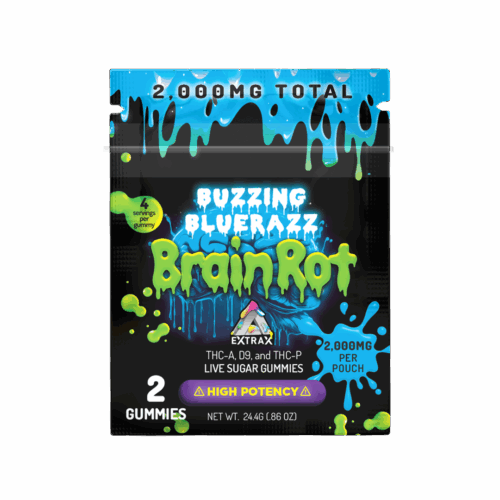
THCA Live Sugar 2 Pack Gummies – 2,000mg
$6.99$8.99 -
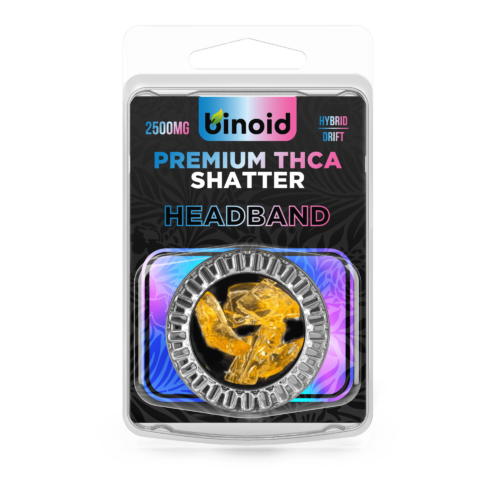
THCA Shatter – 2500mg
$37.99$59.99
Decarboxylation in the Age of Hemp Innovation
The rise of hemp derived cannabinoids has added new layers of complexity to the conversation around decarboxylation.
As scientists and extractors continue exploring the cannabis plant, they have discovered a growing list of cannabinoids beyond THC and CBD. Many of these compounds also exist in precursor forms that require activation through heat.
This has pushed product developers to refine their processes even further.
Advanced extraction techniques allow manufacturers to isolate cannabinoids while carefully controlling temperature and pressure conditions. This precision helps preserve the chemical integrity of each compound before it is incorporated into products like vape cartridges, gummies, or concentrates.
In many cases, cannabinoids are activated at specific stages during production depending on the intended final product.
For example, certain concentrates may be partially decarboxylated to preserve flavor while still providing strong effects when vaporized.
This level of scientific control would have been nearly impossible in the early days of cannabis culture.
Today, it is becoming standard practice across the industry.
The Cultural Shift Toward Cannabis Education
Not long ago, most cannabis users did not think much about chemical reactions or cannabinoid activation.
Cannabis culture was largely driven by shared experiences, music scenes, underground networks, and a sense of rebellion against prohibition. While those elements still exist, the legalization movement and the growth of the hemp industry have ushered in a new era of cannabis literacy.
Consumers today are more curious than ever about what they are consuming.
They want to understand how cannabinoids interact with the body, how terpene profiles influence flavor and mood, and how processes like decarboxylation affect potency and experience.
This shift reflects a broader cannabis culture evolution where knowledge is becoming just as valuable as tradition.
Brands, researchers, and educators now play a significant role in spreading accurate information about cannabis science. Transparency around lab testing, cannabinoid content, and product formulation has become a major factor in building consumer trust.
Companies like Binoid CBD have helped normalize this approach by emphasizing third-party testing and detailed product information.
As a result, conversations about cannabis increasingly include discussions about chemistry, plant biology, and responsible consumption.
Why Decarboxylation Matters More Than Ever
For casual users, decarboxylation might sound like an obscure chemistry term. In reality, it sits at the center of almost every cannabis experience.
It determines whether cannabinoids become active. It influences how edibles are prepared. It shapes the potency of smoked or vaporized flower. It even affects flavor and aroma through its interaction with terpenes.
In the rapidly expanding world of hemp derived cannabinoids, understanding decarboxylation has become even more important.
As products like THCA products continue to gain popularity, consumers are learning that how cannabis is heated or consumed can dramatically change its effects.
A raw cannabis flower rich in THCA may seem chemically different from traditional cannabis at first glance. Yet once heat enters the picture and decarboxylation occurs, the familiar transformation takes place.
The plant reveals its full potential.
Recommended products
-
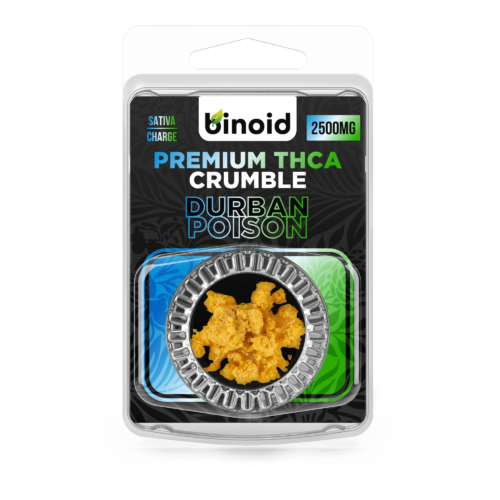
THCA Crumble – 2500mg
$37.99$59.99 -
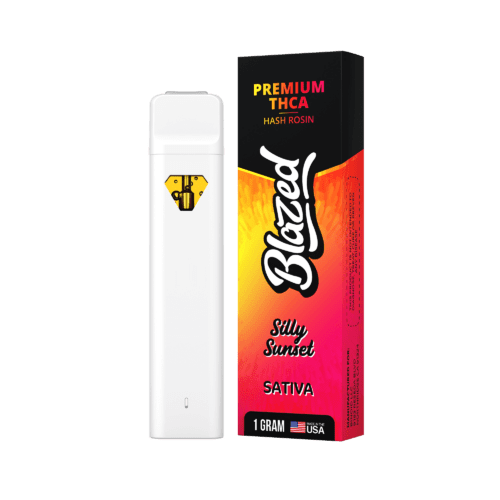
1 Gram THCA Disposable Hash Rosin – Blazed
$31.99$67.99 -
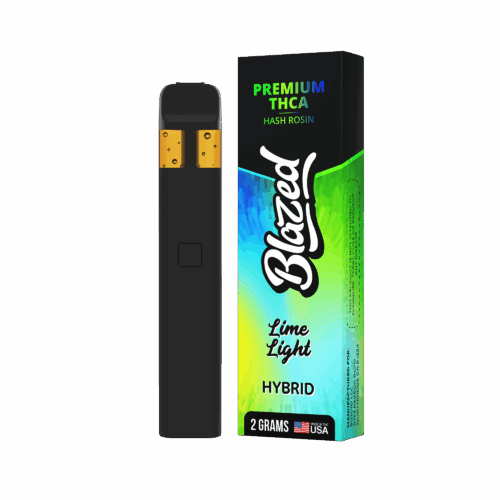
2 Gram THCA Disposable Hash Rosin – Blazed
$37.99$59.99 -
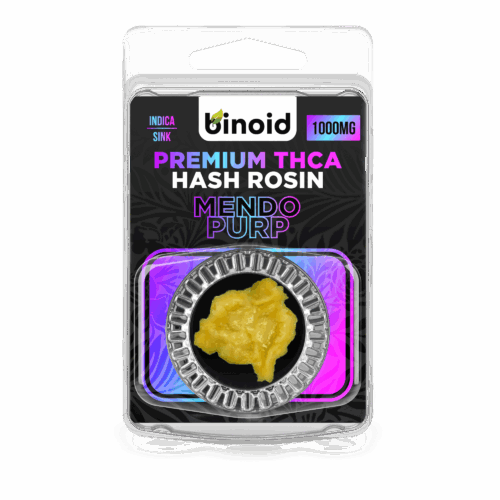
THCA Hash Rosin Dabs – 1000mg
$33.99$59.99
The Future of Cannabis Science
The story of decarboxylation is ultimately part of a much larger narrative about the evolution of cannabis science.
As research expands and legalization continues to spread, scientists will likely discover even more about how cannabinoids behave, how they interact with the body, and how processes like decarboxylation can be optimized.
New technologies may allow for more precise activation of specific compounds, opening the door to customized cannabinoid experiences tailored to individual preferences.
At the same time, hemp derived cannabinoids will continue pushing the boundaries of what is possible within the cannabis marketplace.
For consumers exploring this new frontier, understanding the science behind the plant can make the experience more meaningful. Instead of simply lighting up or taking a gummy, people are beginning to appreciate the intricate chemistry that makes cannabis work.
The Hidden Chemistry Behind Every Hit
The next time someone lights a joint, takes a pull from a vaporizer, or bites into a cannabinoid-infused edibles, a remarkable chemical transformation is taking place behind the scenes.
Decarboxylation is quietly turning inactive cannabinoid acids into the compounds that produce the sensations cannabis is known for. It is the invisible spark that activates the plant’s potential.
As hemp derived cannabinoids, THCA products, and innovative brands like Binoid CBD continue shaping the future of cannabis, this simple chemical reaction remains at the heart of it all.
It is a reminder that cannabis is not just a plant or a product. It is a complex intersection of chemistry, culture, and human curiosity.
And every time heat meets cannabis, that chemistry comes alive.
To Buy THCA Products Click Here
Recommended products
-
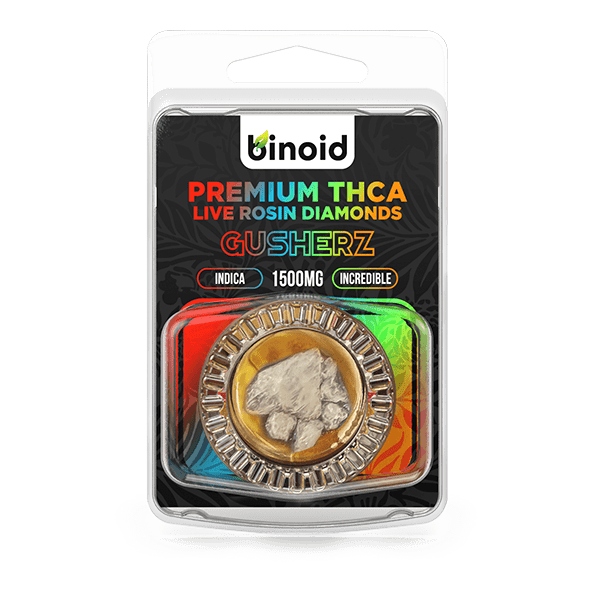
THCA Diamonds 1500mg – Live Rosin
$30.99$59.99 -
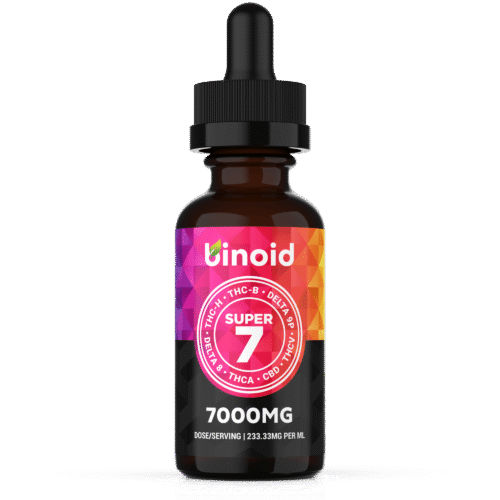
Super 7 Tincture – 7000mg
$39.99$59.99 -
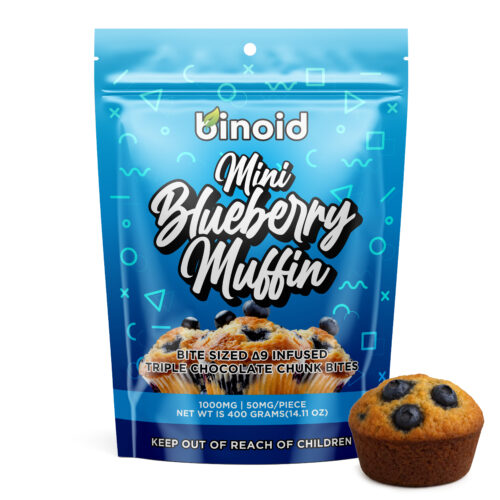
Delta 9 Mini Blueberry Muffin Bites – 1000MG (Limited Supply)
$34.99$39.99 -
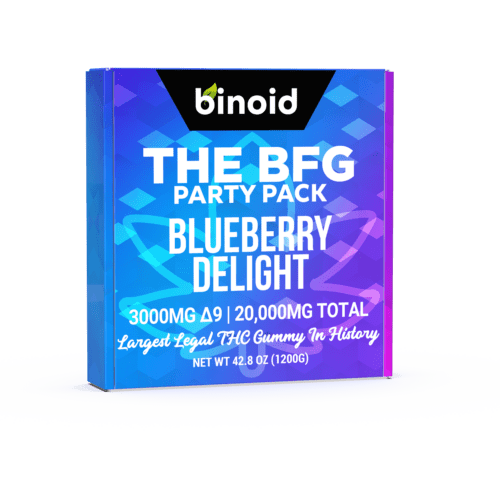
The BFG – 3000mg Delta 9 THC Gummy
$128.99$239.99