In the modern landscape of recreational beverages, a new and fascinating category has captured the collective imagination. With the satisfying hiss of a can cracking open, consumers are discovering the world of Delta 8 THC-infused drinks, a novel pathway to a state of clear-headed bliss and serene relaxation. These sophisticated beverages have become a staple for those looking to unwind after a demanding week or to elevate a social gathering with a unique, functional buzz. Yet, beneath the surface of this enjoyable experience lies a critical and often overlooked consideration, a question that can have profound real-world consequences.
For many individuals, routine drug testing is a non-negotiable part of their professional lives. This creates a crucial conflict: can one safely enjoy a federally legal Delta 8 beverage without jeopardizing their career or personal standing? This is more than a simple query; it is an investigation into the intersection of lifestyle choices and the unyielding science of modern drug screening. This guide serves as your comprehensive brief, a deep dive into the forensic evidence the body leaves behind and the technologies designed to find it, empowering you to make a truly informed decision.
To Buy Delta 8 THC Drinks Click Here
Some Valuable Insights into Delta 8 THC
To properly investigate the relationship between Delta 8 drinks and drug tests, we must first put the primary compound under the microscope: Delta 8 Tetrahydrocannabinol – a naturally occurring cannabinoid within the cannabis plant and is the driving force behind the gentler, more functional psychoactive effects for which hemp-derived products have become famous. When people describe the manageable and lucid “high” associated with these modern cannabis options, they are typically describing the unique suite of sensations orchestrated by Delta 8.
Its specific molecular architecture allows it to engage with our body’s internal systems in a way that can produce a wide spectrum of desirable experiences, from a light, euphoric lift to a deep, full-body relaxation, all while typically avoiding the overwhelming intensity that can be associated with its more famous molecular cousin, Delta-9 THC. A clear understanding of the Delta 8 compound itself is the foundational first step, as its intrinsic properties dictate how it is processed by the body and, ultimately, how it is detected.
The array of effects that Delta 8 produces is a direct result of its intricate dance with our body’s endocannabinoid system (ECS) – a vast and sophisticated network of cellular receptors and signaling molecules that functions as a master regulator, tirelessly working to maintain a state of internal balance, known as homeostasis, across a myriad of the body’s crucial physiological functions. Our bodies are constantly producing their own natural cannabinoids, known as endocannabinoids, which’re custom-built to fit perfectly into these receptors to modulate everything from mood and appetite to sensation and memory.
The molecular shape of Delta 8 THC is so strikingly similar to our own endocannabinoids that it too can bind to and activate these receptors, with a particular affinity for the CB1 receptors that are most densely populated throughout the brain and central nervous system. However, the influence of an external cannabinoid like Delta 8 is often more potent and sustained than that of the body’s natural compounds, which leads to the noticeable and celebrated shifts in consciousness that define the cannabis experience.
The explosive and still-growing popularity of Delta 8 in our contemporary culture is a clear reflection of a collective desire for new, more nuanced, and sophisticated avenues for enhancing leisure, wellness, and social connection. As our society continues to evolve, a significant number of people are actively looking beyond traditional recreational choices, seeking out experiences that offer a different texture of release, a more profound sense of connection with others, or a gentle spark for creative endeavors.
The remarkable versatility of Delta 8 is absolutely central to its widespread appeal; it is equally adept at serving as a catalyst for a vibrant social event as it is at being a quiet and calming companion for an evening of deep thought or introspection. This broad interest has, in turn, fueled a massive and rapid surge in product innovation, successfully bringing hemp-derived cannabinoids like Delta 8 out from the fringes and placing them squarely in the spotlight of modern, mainstream lifestyles.
Of course, this surge in popularity also brings with it a greater and more urgent need for thorough consumer education, ensuring that all users are fully equipped with the knowledge to engage with this powerful compound in a way that is responsible, safe, and beneficial.
Steeping into the Vibrant World of Delta 8 THC Drinks
With a foundational understanding of the Delta 8 compound, we can now examine how it is delivered in this incredibly popular and accessible format. In the vast and ever-expanding universe of modern cannabis products, Delta 8 drinks have confidently emerged as a particularly exciting and user-friendly option. At their most fundamental level, these are simply ready-to-drink beverages that have been expertly infused with a precisely measured and consistent dose of the cannabinoid. These professionally made and pre-packaged drinks offer a convenient and often more socially graceful way to consume cannabis.
A significant advantage over traditional edibles, which are known for their long and sometimes unpredictable onset times, is that many Delta 8 drinks are crafted using advanced food-science technologies that allow for a much quicker and more controlled user experience. This makes them a highly attractive choice for individuals who are new to the world of cannabis or for anyone seeking a more manageable and foreseeable journey into a state of blissful relaxation. The sheer convenience of a ready-to-drink beverage also adds immensely to their appeal, completely eliminating the need for any additional preparation or paraphernalia.
The variety of Delta 8 drinks available on the market today is truly astonishing, with a specific beverage designed to suit almost any imaginable palate or occasion. These drinks are created through a meticulous process that involves infusing a chosen base liquid with a potent Delta 8 extract, which is very often a specialized water-soluble formulation created to guarantee a perfectly even distribution and efficient absorption by the body. So, let’s take a closer look at the different types available:
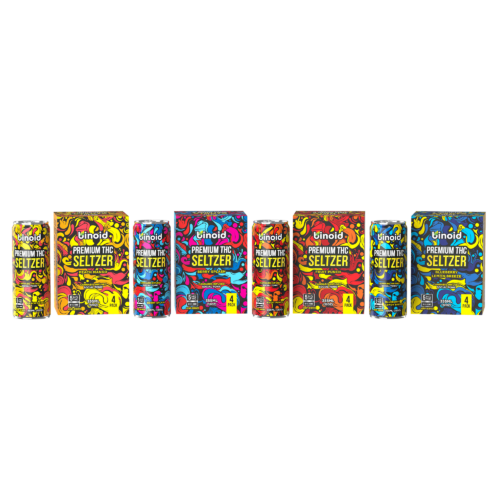
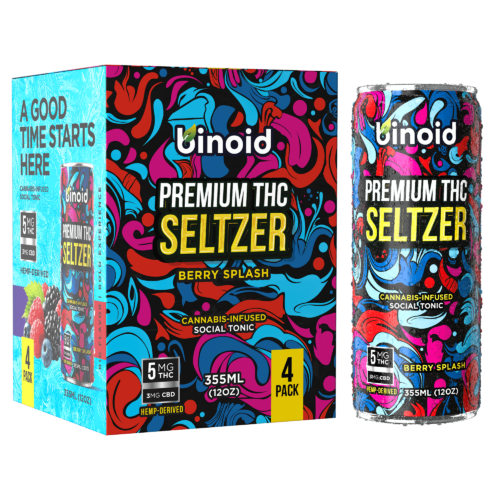
Delta 8 Seltzers: These effervescent beverages have quickly become the undeniable darlings of the Delta 8 drink sphere, perfectly aligning with the modern consumer’s strong preference for light, crisp, and low-calorie refreshment options. Frequently packaged in slender, artistically designed cans, Delta 8 seltzers are strategically positioned as a compelling and direct alternative to the alcoholic hard seltzers that have become a fixture in social settings. They are characterized by their brisk, lively carbonation and are typically infused with delicate, all-natural fruit flavors such as zesty lime, bright grapefruit, or rich black cherry, which provide a sophisticated taste that is delightfully refreshing without ever being overpowering. The primary allure of these seltzers is their “sessionable” quality; with carefully controlled, lower doses of Delta 8—usually ranging from 2mg to 10mg—consumers can comfortably enjoy several servings over the course of an evening without the fear of feeling overwhelmed. This manageable experience offers a gentle, uplifting buzz that serves to enhance and elevate social interactions rather than impede them. Brands have cleverly marketed these seltzers as a hangover-free method for unwinding and connecting with others, which appeals strongly to “sober curious” individuals and the health-conscious crowd.
Delta 8 Sodas: For consumers who harbor a sweet tooth and a fond appreciation for classic Americana, Delta 8-infused sodas present a wonderfully nostalgic and deeply satisfying journey for the senses. These vibrant beverages skillfully tap into cherished memories of childhood delights, delivering the familiar and beloved flavors of rich root beer, sweet orange cream, timeless cola, and spicy ginger ale, all supercharged with a distinctly modern cannabis twist. In stark contrast to the intentional subtlety of seltzers, Delta 8 sodas are characterized by their bold, full-bodied flavors, providing a rich and gratifyingly sweet experience that transforms the act of consuming cannabis into a true moment of indulgence. They are often formulated with slightly higher doses of Delta 8 compared to seltzers, designed to cater to consumers who are in search of a more pronounced euphoric effect to complement the soda’s robust taste. The branding and packaging for these products frequently lean into colorful retro themes, featuring classic bottle shapes and vintage-inspired designs that evoke the charming atmosphere of an old-fashioned soda fountain. This intelligent marketing strategy makes them incredibly approachable, fun, and effective at removing any lingering intimidation that some consumers might associate with cannabis products.
Delta 8 Waters: Delta 8-infused waters are the ultimate embodiment of the “less is more” philosophy, meticulously designed for the purist and the health-focused consumer who places the highest priority on clean, unadulterated, simple hydration. These forward-thinking beverages deliberately strip away all non-essential components, offering a final product that is proudly free of sugar, calories, and any artificial ingredients, choosing instead to concentrate solely on the two fundamental components: expertly purified water and fast-acting, water-soluble Delta 8. The flavor profile of these waters is most often entirely neutral or, at most, features a very delicate and subtle hint of a natural fruit essence like cucumber, lemon, or mixed berry, which is intended to gently refresh the palate rather than overwhelm it with strong flavor.
Delta 8 Lemonade: It is difficult to name a beverage more universally and instantly associated with pure, unadulterated refreshment than lemonade, and its Delta 8-infused counterpart masterfully elevates this beloved classic to an entirely new echelon of chilled-out bliss. The drink’s inherent zesty tartness and bright, tangy sweetness, derived from fresh lemons, work to provide a perfect and delicious counterbalance to the subtle, sometimes earthy notes of the hemp extract, thereby creating a final flavor profile that is simultaneously invigorating and deeply satisfying to the palate. Innovative brands within the space now offer a tremendously wide spectrum of lemonade styles to choose from, ranging from classic, cloudy, homemade-style versions to crisp, sparkling varieties and even more exciting and creative flavor fusions, such as strawberry-lemonade or mango-lemonade. These refreshing drinks are heavily marketed as the quintessential beverage for a warm, sunny day, expertly evoking powerful and pleasant images of relaxing on porch swings, enjoying picnics in the park, and whiling away carefree summer afternoons. The dosage of these lemonades can span a wide range, from easily “sessionable” low-dose options created for casual sipping to much more potent “high-dose” versions designed specifically for experienced consumers.
Delta 8 Tea: The act of infusing high-quality tea with Delta 8 results in a beverage that feels at once both ancient and profoundly modern, artfully combining the time-honored, cherished wellness rituals of global tea-drinking cultures with the precision of contemporary cannabis infusion science. This sophisticated category of drinks offers a wonderfully diverse and rich range of experiences, with each blend being carefully tailored to suit specific moods, times of day, or desired effects. Consumers can readily find calming and aromatic chamomile or lavender tea blends that have been infused with indica-dominant terpene profiles alongside Delta 8, creating a deeply relaxing evening experience that is specifically designed to promote a sense of tranquility and prepare the body for restfulness. Conversely, one can also discover uplifting and energizing green tea or black tea varieties that have been combined with sativa-leaning terpene profiles, making them perfect for sparking creativity, encouraging focus, or enjoying a calm yet mentally alert state of mind during a busy day. The infusion process itself is meticulously managed by producers to preserve the delicate and complex flavors of the high-quality tea leaves while simultaneously ensuring a consistent and completely reliable dosing of Delta 8 in every serving.
Delta 8 Coffee: The intriguing combination of cannabis and coffee presents a truly unique and dynamic experience that consistently piques the interest of both dedicated coffee aficionados and curious cannabis enthusiasts alike. These innovative products, which are available to consumers as convenient pre-made cold brews or as fresh grounds for home brewing, skillfully blend the stimulating and alertness-promoting effects of caffeine with the euphoric and perception-shifting qualities of Delta 8. The resulting state of being is one that many users enthusiastically describe as “alert-relaxation”—a state characterized by a focused and energized mind that is coupled with a calm, soothed, and relaxed body. This particular synergy of effects can be an ideal combination for tackling ambitious creative projects, powering through focused work sessions, or navigating social situations where one desires to be both mentally engaged and physically at ease. It’s important to note, however, that the physiological interplay between a stimulant like caffeine and a cannabinoid like Delta 8 can be quite complex, and reputable brands take great care to formulate these beverages to create a balanced, harmonious effect, often by using specific hemp strains and precise doses that are chosen to perfectly complement the coffee’s unique flavor profile.
Delta 8 Cocktails or “Mocktails”: These sophisticated beverages stand as a powerful testament to the ever-growing maturity and refinement of the cannabis beverage market, offering consumers a complex and adult drinking experience entirely free of alcohol. These expertly crafted, ready-to-drink creations are meticulously formulated to perfectly replicate the intricate and layered flavor profiles of classic, beloved cocktails, such as spicy margaritas, zesty Moscow mules, botanical gin and tonics, or bubbly spritzes. Highly talented and innovative mixologists employ a masterful combination of natural botanicals, premium juices, and nuanced flavor extracts to painstakingly build layers of taste that successfully mimic the complexity and satisfaction of traditional spirits. The final result is a beverage that is wonderfully sippable and deeply satisfying, providing all the cherished ritual and social enjoyment of a traditional cocktail but with the gentle, blissful, and clear-headed effects of Delta 8 taking the place of alcohol.
Delta 8 Drink Mixes: For those who prioritize the ultimate in convenience, unmatched portability, and complete personalization, Delta 8 drink mixes have become an increasingly popular and sought-after choice. These highly versatile products are typically available in the form of a soluble powder or a concentrated liquid, and they are packaged in small, incredibly discreet single-serving sachets or in larger multi-serving containers. The foremost advantage of these mixes is their unparalleled versatility; a consumer has the power to instantly transform almost any beverage of their choosing—whether it’s a simple glass of water, a nutrient-rich smoothie, a flavorful juice, or even a comforting cup of hot tea—into a precisely and consistently dosed cannabis drink. Because the end-user is the one who controls the base liquid, they also have complete control over the final taste, the calorie count, and the overall character of their infused beverage, offering a degree of personalization that pre-packaged drinks are unable to match.
The audience for Delta 8 drinks is exceptionally broad and continues to grow as the stigma around cannabis recedes. A primary group of consumers are those who are “canna-curious” but are put off by the idea of smoking or vaping. The familiar and socially acceptable format of a beverage provides a much less intimidating entry point. Another significant demographic is composed of individuals actively looking to reduce or replace their alcohol consumption. Delta 8 drinks offer a way to participate in social rituals and achieve a pleasant buzz without alcohol and its associated next-day consequences. Plus, the growing wellness movement has drawn in health-conscious consumers who are attracted to the many low-sugar, low-calorie, and all-natural options that align with a more mindful lifestyle.

The Core Question: Why Might Delta 8 THC Drinks Trigger a Positive Test?
To put it directly, consuming Delta 8 THC drinks can absolutely cause you to fail a drug test. The reason is simple and has nothing to do with the form in which you consume the cannabinoid or its federally legal status. Whether you vape it, eat it in a gummy, or drink it in a seltzer, your body processes the active compound—Delta 8 Tetrahydrocannabinol—in the same fundamental way. The core of the issue lies not with the Delta 8 itself, but with what your body turns it into after you’ve enjoyed that chilled-out feeling.
When Delta 8 enters your bloodstream, it travels to the liver, where it is metabolized. This process breaks the Delta 8 down into several byproducts, which are called metabolites. The most important of these for drug testing purposes is a specific, non-psychoactive metabolite called “11-nor-9-carboxy-THC”, more commonly known as THC-COOH. Standard drug tests, particularly the common urine screen used by most employers, are not designed to detect the active, euphoric Delta 8 compound.
Instead, they are specifically calibrated to search for the presence of THC-COOH. The logic is that THC-COOH is an undeniable marker of cannabis consumption that lingers in the body for a much longer time than the parent molecule. Unlike alcohol, which is flushed from the body relatively quickly, THC and its metabolites are fat-soluble. This means they are stored in the body’s adipose (fat) tissues and are released slowly over time. This fat-solubility is the primary reason why any THC product can be detected for days, weeks, or even more than a month after your last sip.
Factors That Influence Detection Times
Determining how long Delta 8 from a cannabis beverage will remain detectable in your system isn’t a simple calculation; it’s a deeply personal equation with multiple moving parts. There is no magic number or universal timeline. Instead, the detection window is a unique blueprint shaped by your own body, your habits, and the specifics of what you consume. Think of it less like a stopwatch with a fixed time and more like a complex weather forecast, where several distinct conditions converge to create the final outcome. Understanding these individual factors is the only way to move from a vague sense of uncertainty to a clear-eyed appreciation of the situation.
Factor #1: Frequency and Volume of Consumption
This is the most critical variable in the entire equation. The body’s storage of THC-COOH is cumulative, much like a rain barrel filling with water. For a true first-time user who has a single, low-dose Delta 8 seltzer at a party, the “barrel” is empty to start, and the small amount of metabolite “water” that enters may be drained and cleared from their system within 3 to 5 days. Now consider a moderate or “weekend” user who enjoys a couple of Delta 8 sodas every Friday and Saturday.
Their barrel never fully drains during the week, so the baseline level of THC-COOH is always elevated, pushing their detection window out to a week or more. For a chronic, daily user, the situation is entirely different. They are constantly adding significant amounts of THC-COOH to a barrel that is already overflowing. Their fatty tissues become saturated with these metabolites, creating a deep reservoir that slowly “leaks” into their system for a very long time. For these individuals, it is not uncommon for a urine test to remain positive for 30, 45, or in some documented cases, even more than 60 days after their last use.
Factor #2: Potency and Dosage
The strength and quantity of the Delta 8 drinks you consume have a direct, linear relationship with the amount of THC-COOH your body must process. In the early days of these beverages, a 5mg dose was standard. Today, the market is filled with a wide array of options, including “high-potency” drinks containing 10mg, 25mg, or even 100mg of Delta 8 in a single container. Consuming one 25mg drink is not the same as consuming one 5mg drink; it introduces five times the amount of the cannabinoid that needs to be metabolized and stored.
This dose-dependent reality means that a single high-potency beverage can create a detection window similar to several days of low-dose use. Furthermore, volume matters. Enjoying three 10mg Delta 8 cocktails over the course of an evening means your liver has to process 30mg of Delta 8, dramatically increasing the metabolite load and extending the time it will take for your body to clear it.
Factor #3: Individual Metabolism and Body Fat Percentage
Your unique physiology plays a massive role in the detection timeline. Your basal metabolic rate (BMR), which is influenced by factors like age, genetics, and overall health, dictates the speed at which your body processes and eliminates compounds. A person with a naturally fast metabolism will clear THC-COOH from their blood more quickly than someone with a slower rate. However, the bigger physiological story is body fat.
Because THC-COOH is lipophilic (fat-soluble), it is readily stored in adipose tissue. A person with a higher body fat percentage has a larger “storage facility” for these metabolites. The body doesn’t just lock them away; it engages in a slow, constant process of releasing them back into the bloodstream to be filtered by the kidneys. This slow-release mechanism from fat cells is precisely why the detection window can be so long and unpredictable, as it creates a steady trickle of THC-COOH into the urine long after the initial euphoric effects have faded.
Factor #4: The Type of THC Consumed
The modern cannabis market is a complex space of different molecules, but for drug testing purposes, this variety is dangerously misleading. While most people associate “THC” with the traditional Delta-9-THC found in marijuana, many popular THC drinks, especially those sold online, are made with hemp-derived isomers like Delta 8. It is absolutely critical to understand that the legality of these compounds has zero bearing on drug test results.
The antibodies used in standard drug tests are not sophisticated enough to distinguish between these closely related molecules. They are all metabolized into forms of THC-COOH that are structurally similar enough to trigger a positive result. Therefore, drinking a “legal” Delta 8 seltzer presents the exact same risk of a failed drug test as consuming a traditional Delta-9 THC soda from a state-licensed dispensary. This extends to full-spectrum CBD products as well; while legal, they contain trace amounts of THC that, with regular use, can build up in the body and potentially cause a positive test result.
Factor #5: Hydration, Diet, and Exercise
These lifestyle factors have an influence, but it is minor and often misunderstood. Staying well-hydrated is good for overall health and kidney function, but you cannot simply “flush” THC-COOH out of your fat cells by drinking gallons of water. Attempting to do so right before a urine test is a common tactic, but it can backfire. Modern labs often test for creatinine levels and specific gravity to detect sample dilution, which could lead to a rejected sample or be flagged as an attempt to cheat the test. Similarly, diet has a minimal impact on elimination.
Exercise is the most complex of these factors. While a long-term fitness regimen can reduce body fat and thus lower your overall THC-COOH storage capacity, engaging in heavy exercise in the days immediately preceding a drug test can be counterproductive. Burning fat can cause a temporary surge in the amount of stored THC-COOH being released into your bloodstream, potentially increasing the concentration in your urine at the worst possible time.
A Guide to Different Types of Drug Tests
The type of drug test administered is a critical piece of the puzzle, as each method uses different technology and offers a unique window into a person’s consumption history. Understanding how these tests work reveals why they are used in different scenarios and why their results can vary so widely:
Urine Tests (Urinalysis): This is the undisputed standard for workplace drug screening across the country. Its popularity stems from a combination of being non-invasive, relatively inexpensive, and providing a long detection window that is ideal for employers looking to enforce a drug-free workplace policy rather than determine real-time impairment. The process typically involves a two-step method. First, the sample undergoes an initial screening test, usually an immunoassay, which is designed to be fast and sensitive. This screen looks for THC-COOH metabolites at a concentration above a specific cutoff level, typically 50 nanograms per milliliter (ng/mL). If the sample tests positive, it is sent for a more sophisticated and definitive confirmation test using equipment like a gas chromatography-mass spectrometry (GC-MS) machine. This confirmation test is highly accurate, eliminates potential false positives from the initial screen, and uses a lower, more precise cutoff (usually 15 ng/mL) to confirm the presence of the metabolite.
Saliva (Oral Fluid) Tests: Gaining significant traction for roadside and post-incident workplace testing, saliva tests are valued for their ability to detect very recent cannabis use. Unlike a urine test that looks for metabolites from past use, a saliva test primarily detects the parent Delta 8 molecule itself. When you consume a THC drink, the liquid coats the inside of your mouth, and the cannabinoid becomes trapped in the oral mucosa. A simple swab of the inner cheek collects these oral fluids, which are then analyzed. Because this method targets the active compound, it offers a much better correlation with the timing of potential impairment. The detection window is consequently much shorter, typically lasting from 24 to 72 hours after the last use.
Blood Tests: This is the most invasive, expensive, and shortest-acting of all the testing methods and is not used for pre-employment screening. Its use is almost exclusively reserved for situations where determining current, real-time impairment is paramount, such as in DUI investigations. When a Delta 8 drink is consumed, THC levels in the bloodstream rise and fall very quickly. A blood test measures the concentration of active Delta 8 circulating at the moment of the draw, providing the most accurate snapshot of whether a person is actively under the influence.
Hair Follicle Tests: A hair follicle test provides the longest look back into a person’s consumption history, making it the most formidable screen to pass. Its methodology is ingenious in its simplicity. As your body metabolizes Delta 8, the THC-COOH metabolite circulates in your bloodstream and is passively deposited and permanently trapped within the core of the growing hair shaft. A standard test uses a 1.5-inch sample of hair cut close to the scalp, which provides a roughly 90-day history of use. However, a hair test cannot detect very recent use, as it takes approximately 7 to 10 days for the hair containing the metabolites to grow long enough to be cut.
Is There Anything You Can Do Prior to a Drug Test in Order to Still Enjoy a Delta 8 THC Drink Then?
After understanding the science, this becomes the ultimate practical question. The internet is flooded with anecdotal advice and dubious products promising a guaranteed pass, but it is essential to approach this topic with a healthy dose of skepticism. The biological reality of how your body processes and stores THC metabolites is not easily overcome by quick fixes. The vast majority of so-called “detox kits” or “cleanses” rely on ineffective principles like dilution or attempting to mask the sample.
Dilution kits work by having you drink large volumes of liquid while taking supplements to restore the color and chemical markers of a normal sample. However, modern labs routinely test for specific gravity and creatinine levels to detect dilution, which can lead to your sample being flagged as invalid—an outcome often treated the same as a positive result.
This brings us to the only factor you have genuine control over, and the only method scientifically proven to work: time. The single most effective way to ensure you pass a drug test is to allow your body a long enough period of abstinence for it to naturally metabolize and excrete all of the stored THC-COOH. This is where you must be honest with yourself about your usage patterns. If you’re a very infrequent user, a week or two might be sufficient.
If you’re a regular or heavy user, you must plan for a much longer period of abstinence, potentially 30 to 90 days, to be truly safe for a standard urine test. This means that the only real “strategy” is responsible scheduling. If actively seeking a job in a field that requires screening, the only risk-free approach is to cease all consumption well in advance. If in a role that mandates random testing, any consumption at all carries an inherent risk.
A Toast to Informed Choices
Ultimately, the case is clear: the enjoyment of a Delta 8 THC drink leaves behind an indelible molecular fingerprint in the body. The science of modern drug testing acts as an impartial forensic tool, designed only to detect this lingering evidence, without any regard for the product’s legality, the user’s intent, or the pleasantness of the experience. Therefore, the decision to consume becomes a personal verdict, where you alone must act as the judge, weighing the desire for blissful relaxation against the unyielding facts of metabolic science.
True mastery in this new landscape isn’t found in searching for ways to outsmart a test, but in respecting the unchangeable realities of how these compounds interact with our bodies. The most empowered choice is always the most informed one, ensuring that your pursuit of enjoyment is built on a foundation of knowledge and personal responsibility. This thoughtful approach guarantees that the experience is truly your own, from the first satisfying sip to the final, confident outcome.