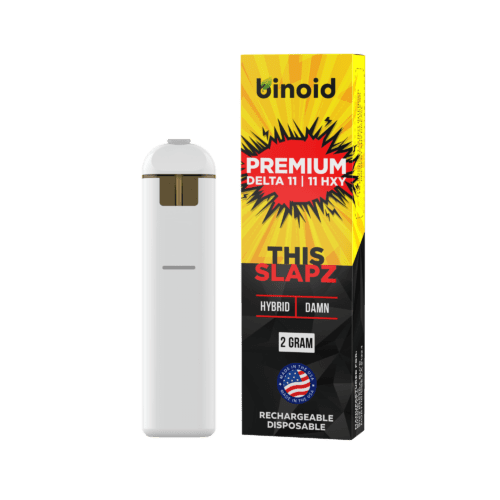
There was a time when cannabis culture revolved around a fairly straightforward question: how strong is it? That era feels increasingly distant as the modern landscape continues to evolve into something far more refined, layered, and intentional. The rise of hemp-derived cannabinoids has reshaped expectations, giving consumers the ability to choose not just whether they want to feel something, but how they want to feel it. Within this new framework, Delta 8 and Delta 11 have emerged as two compelling options that reflect different sides of the same cultural shift.
What makes this moment particularly interesting is how quickly the market has adapted to demand. Instead of relying on traditional formats and a limited set of compounds, brands have expanded into a wide array of products, including disposables, cartridges, gummies, and tinctures, each designed to deliver a specific kind of experience. Companies like Binoid CBD have leaned into this evolution, offering diverse product lines that cater to both newcomers and seasoned users. The result is a cannabis culture that feels less like a single lane and more like an open highway, with Delta 8 and Delta 11 representing two distinct directions you can take.
To Buy Delta 8 THC Products Click Here
Recommended products
-
Delta 8 THC Vape Cartridge
$26.99$39.99 -
Delta 8 THC Wax Dabs
$25.99$44.99 -
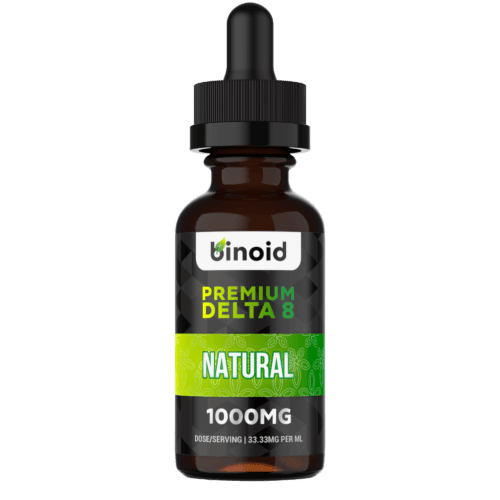
Delta 8 THC Tincture (1000mg, 2500mg, 5000mg)
$25.99$44.99 -
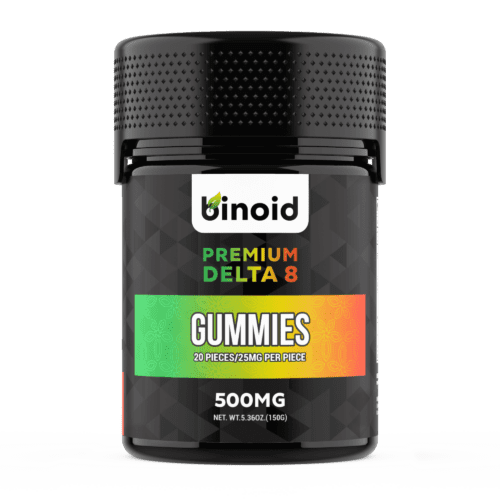
Delta 8 THC Gummies
$29.99$44.99
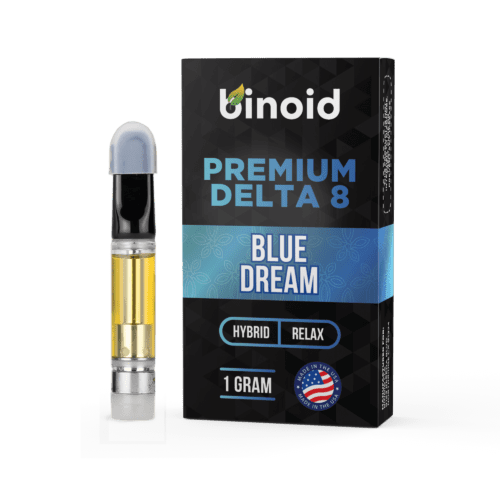
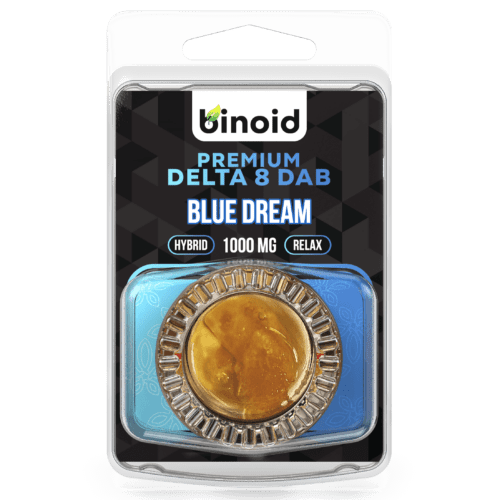
Getting Familiar With Delta 8 THC
Delta 8 THC has built its reputation on accessibility, and that reputation is well earned. As one of the most widely recognized hemp-derived cannabinoids, it offers a psychoactive experience that feels noticeably smoother than traditional Delta 9 THC. This smoother profile has made it especially appealing to individuals who want to engage with cannabis without stepping too far outside their comfort zone.
The experience of Delta 8 is often described in terms that emphasize balance and clarity. Rather than delivering an overwhelming surge, it tends to unfold in a way that feels gradual and controlled. This makes it particularly well suited for situations where maintaining a sense of composure matters, whether that means relaxing at home, socializing with friends, or simply easing into the evening after a long day. Its adaptability is one of the key reasons it has become such a staple across multiple product categories.
Disposables infused with Delta 8 have become a go-to option for those who value convenience and immediacy, allowing for quick sessions without the need for setup. Cartridges provide a similar experience with the added benefit of compatibility with reusable devices, giving users a bit more flexibility in how they consume. Gummies offer a different rhythm altogether, introducing a slower onset that leads to a longer-lasting experience, while tinctures allow for precise control over dosage, making them a favorite among those who prefer a measured approach. Across all of these formats, Delta 8 maintains its identity as a cannabinoid that prioritizes ease and consistency.
Understanding Delta 11 THC and Its Growing Appeal
Delta 11 THC occupies a different space within the hemp-derived cannabinoid spectrum, one that leans more toward intensity and immersion. While it is still relatively new compared to Delta 8, it has quickly gained attention for delivering an experience that feels deeper and more substantial. This distinction is not just about strength, but about the overall character of the effect and how it interacts with the user over time.
Many people who try Delta 11 for the first time notice that it does not rush in immediately. Instead, it builds gradually, creating a sense of anticipation before settling into a more pronounced state. Once it reaches that point, however, it tends to linger, offering a longer-lasting experience that can feel more encompassing. This quality has led to frequent comparisons with the kind of effects typically associated with edibles, even when Delta 11 is consumed through inhalable formats like disposables or cartridges.
The appeal of Delta 11 lies in its ability to provide a more immersive experience without necessarily feeling chaotic or unpredictable. It is often chosen for moments when relaxation is the primary goal, such as unwinding at the end of the day or setting aside time for a more introspective session. Like Delta 8, it is available in a variety of formats, including gummies and tinctures, but the way it expresses itself within those formats tends to feel more pronounced. This makes it a compelling option for those who are looking to explore beyond the baseline experience offered by more familiar cannabinoids.
Breaking Down the Differences That Actually Matter
At first glance, Delta 8 and Delta 11 might seem like minor variations within the same category, but the differences between them become much more apparent once you spend time with each. Delta 8 is often associated with a lighter, more approachable experience that emphasizes clarity and control. It tends to feel predictable, making it a reliable choice for those who want to maintain a certain level of functionality while still enjoying the effects.
Delta 11, by contrast, carries a sense of depth that sets it apart. Its effects are often described as heavier and more sustained, creating an experience that feels less casual and more intentional. This does not necessarily mean it is overwhelming, but it does mean that it demands a bit more awareness and preparation. The longer duration associated with Delta 11 also plays a role in how it is perceived, as it encourages users to settle into the experience rather than treating it as a quick, passing moment.
These differences are not about determining which cannabinoid is better, but about understanding how each one fits into a broader range of preferences. Some individuals may find themselves gravitating toward Delta 8 for its versatility and ease of use, while others may be drawn to Delta 11 for its ability to deliver a more immersive and lasting experience. In many cases, the choice comes down to context, mood, and personal tolerance.
Recommended products
-
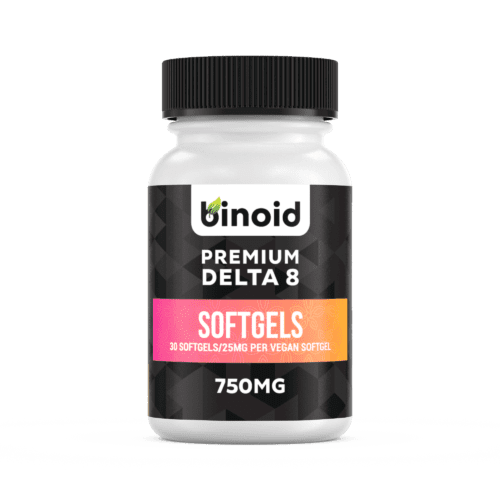
Delta 8 THC Capsules 750MG
$31.99$69.99 -
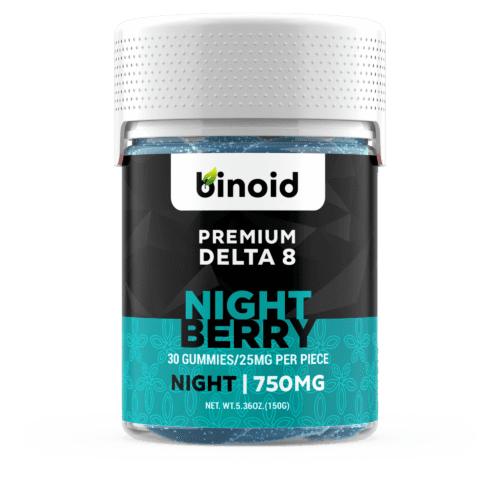
Delta 8 THC Gummies – Limited Edition
$33.99$38.99 -
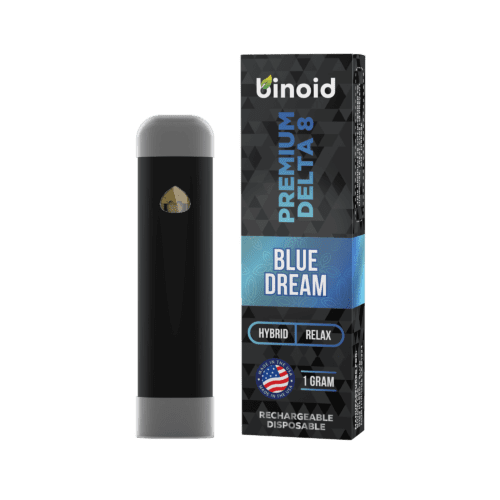
Delta 8 THC Rechargeable Disposable Vape
$26.99$54.99 -
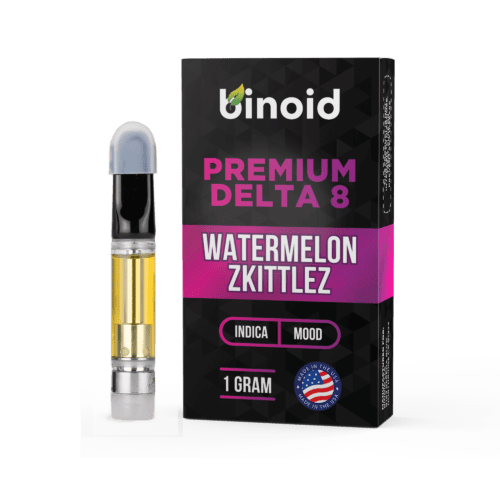
Delta 8 THC Vape Cartridge – Watermelon Zkittlez
$26.99$59.99
How Disposables, Cartridges, Gummies, and Tinctures Shape the Experience
The format in which a cannabinoid is consumed plays a significant role in shaping the overall experience, often influencing everything from onset time to duration and intensity. Disposables have become one of the most popular entry points for both Delta 8 and Delta 11, largely because of their simplicity and portability. They allow users to engage with these cannabinoids in a way that feels immediate and uncomplicated, making them an ideal choice for those who are new to the space or who prefer a straightforward approach.
Cartridges offer a slightly more customizable experience, particularly for individuals who already have a compatible device. This format allows for a greater degree of control over intake, as users can take smaller or larger draws depending on their preference. With Delta 8, this often translates into a steady, manageable experience, while Delta 11 may require a more measured approach due to its increased intensity.
Gummies introduce a completely different dynamic, as they rely on digestion rather than inhalation. This results in a slower onset, but also a longer-lasting effect that can feel more immersive. Delta 8 gummies are often associated with a smooth and predictable experience, while Delta 11 gummies tend to amplify the depth and duration, creating a more pronounced effect that unfolds over time. Tinctures, meanwhile, provide a level of precision that is difficult to achieve with other formats. By allowing users to measure their intake drop by drop, they make it possible to fine-tune the experience in a way that feels both intentional and controlled.
The Influence of Binoid CBD on the Modern Market
As the hemp-derived cannabinoid market continues to expand, certain brands have played a pivotal role in shaping its direction. Binoid CBD stands out as one of the companies that has embraced innovation while maintaining a strong focus on product variety. By offering Delta 8 and Delta 11 across multiple formats, including disposables, cartridges, gummies, and tinctures, they have helped make these cannabinoids more accessible to a wider audience.
What sets companies like Binoid CBD apart is not just the range of products they offer, but the way they integrate those products into the broader narrative of cannabis culture. Rather than treating each cannabinoid as a standalone novelty, they present them as part of a larger ecosystem that is constantly evolving. This approach resonates with consumers who are looking for more than just a product, as it aligns with the idea of cannabis as a lifestyle rather than a single experience.
The presence of brands that prioritize consistency and innovation has also contributed to a greater sense of trust within the market. As new cannabinoids continue to emerge, having reliable sources becomes increasingly important, allowing users to explore with confidence. In this context, the rise of Delta 8 and Delta 11 can be seen not just as a trend, but as part of a larger movement toward diversification and refinement.
Cannabis Culture Evolution and the Demand for Variety
The growing popularity of Delta 8 and Delta 11 reflects a broader shift in cannabis culture, one that places a premium on variety and personalization. This shift has been driven by a combination of factors, including changing legal landscapes, increased accessibility, and a more informed consumer base. As a result, the conversation has moved beyond simple questions of potency and into a more nuanced exploration of experience.
Delta 8 represents one side of this evolution, offering an option that feels approachable and easy to integrate into everyday life. It aligns with the idea that cannabis can be a subtle enhancement rather than a dominant force, providing a sense of ease without overwhelming the user. Delta 11, on the other hand, speaks to a desire for depth and exploration, catering to those who are interested in pushing beyond the baseline and discovering new dimensions of the experience.
This duality highlights the diversity that now defines cannabis culture. Instead of a single narrative, there are multiple pathways, each shaped by individual preferences and goals. Whether someone is drawn to the gentle balance of Delta 8 or the immersive qualities of Delta 11, the ability to choose is what ultimately defines this new era.
Recommended products
-
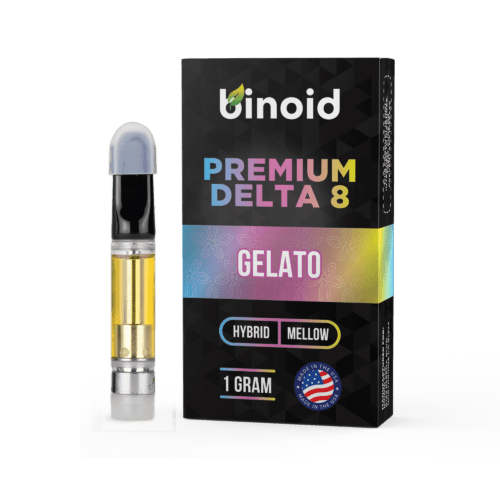
Delta 8 THC Vape Cartridge – Gelato
$25.99$54.99 -
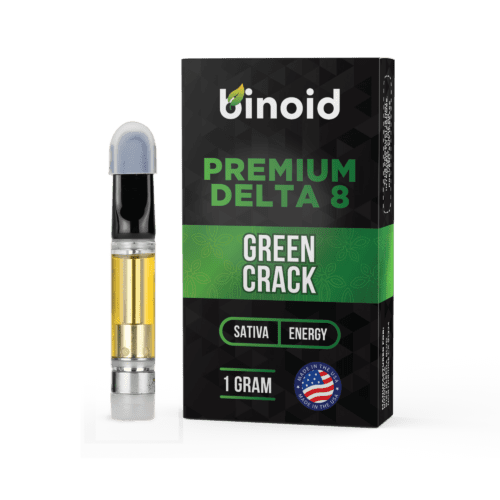
Delta 8 THC Vape Cartridge – Green Crack
$26.99$59.99 -
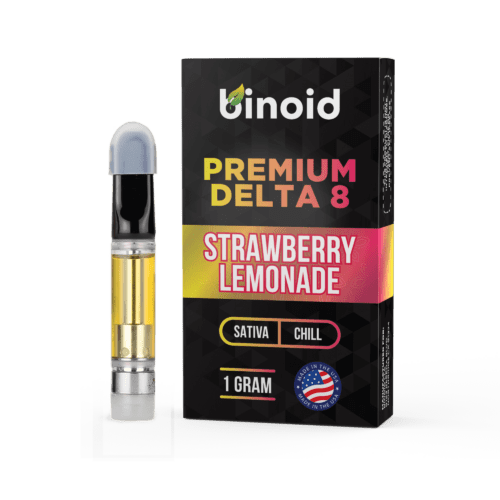
Delta 8 THC Vape Cartridge – Strawberry Lemonade
$25.99$54.99 -
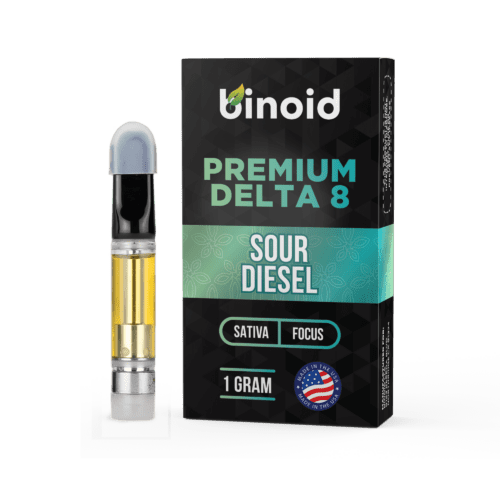
Delta 8 THC Vape Cartridge – Sour Diesel
$26.99$59.99
Choosing Between Delta 8 and Delta 11 in Real Life
Deciding between Delta 8 and Delta 11 is less about following a set of rules and more about understanding what you are looking for in a given moment. For some, the appeal of Delta 8 lies in its consistency and versatility, making it a reliable choice for a wide range of situations. Its ability to deliver a noticeable yet manageable effect allows it to fit seamlessly into different parts of the day.
For others, Delta 11 offers something that feels more substantial, creating an experience that is better suited to moments of relaxation and focus. Its longer duration and deeper impact make it a natural choice for evenings or occasions when there is time to fully engage with the effects. The decision is further influenced by the format, as disposables, gummies, tinctures, and cartridges each bring their own characteristics to the table.
Ultimately, the process of choosing is part of the experience itself. As consumers become more familiar with these cannabinoids, they develop a better sense of how each one aligns with their preferences and lifestyle. This ongoing exploration is what keeps the cannabis space dynamic, ensuring that there is always something new to discover.
Looking Ahead at the Future of Delta 8 and Delta 11
The future of hemp-derived cannabinoids is closely tied to the continued evolution of consumer expectations. As people become more discerning in their choices, the demand for high-quality, well-formulated products will only increase. Delta 8 has already established itself as a cornerstone of the market, while Delta 11 is still in the process of defining its place within the broader landscape.
What seems likely is that both will continue to coexist, each serving a distinct purpose. Advances in formulation and delivery methods may further refine their effects, creating even more tailored experiences. At the same time, the introduction of new cannabinoids will add additional layers to the conversation, expanding the range of options available to consumers.
In this context, Delta 8 and Delta 11 can be seen as part of an ongoing story, one that reflects the broader trajectory of cannabis culture. They are not endpoints, but milestones along a path that continues to unfold.
Final Thoughts on Two Distinct Vibes
Delta 8 and Delta 11 represent two different approaches to the same underlying idea: that cannabis experiences can be shaped to fit individual preferences. One leans toward balance and accessibility, offering a smooth and manageable introduction to the world of hemp-derived cannabinoids. The other embraces depth and duration, providing a more immersive experience that invites users to slow down and engage more fully.
As the industry continues to grow, the importance of choice remains at the forefront. Whether someone reaches for disposables during a quick break, settles in with gummies for a longer session, or uses tinctures to fine-tune their experience, the ability to select the right combination of cannabinoid and format is what defines the modern era. In that sense, Delta 8 and Delta 11 are not just products, but reflections of a culture that values flexibility, exploration, and the freedom to define your own vibe.