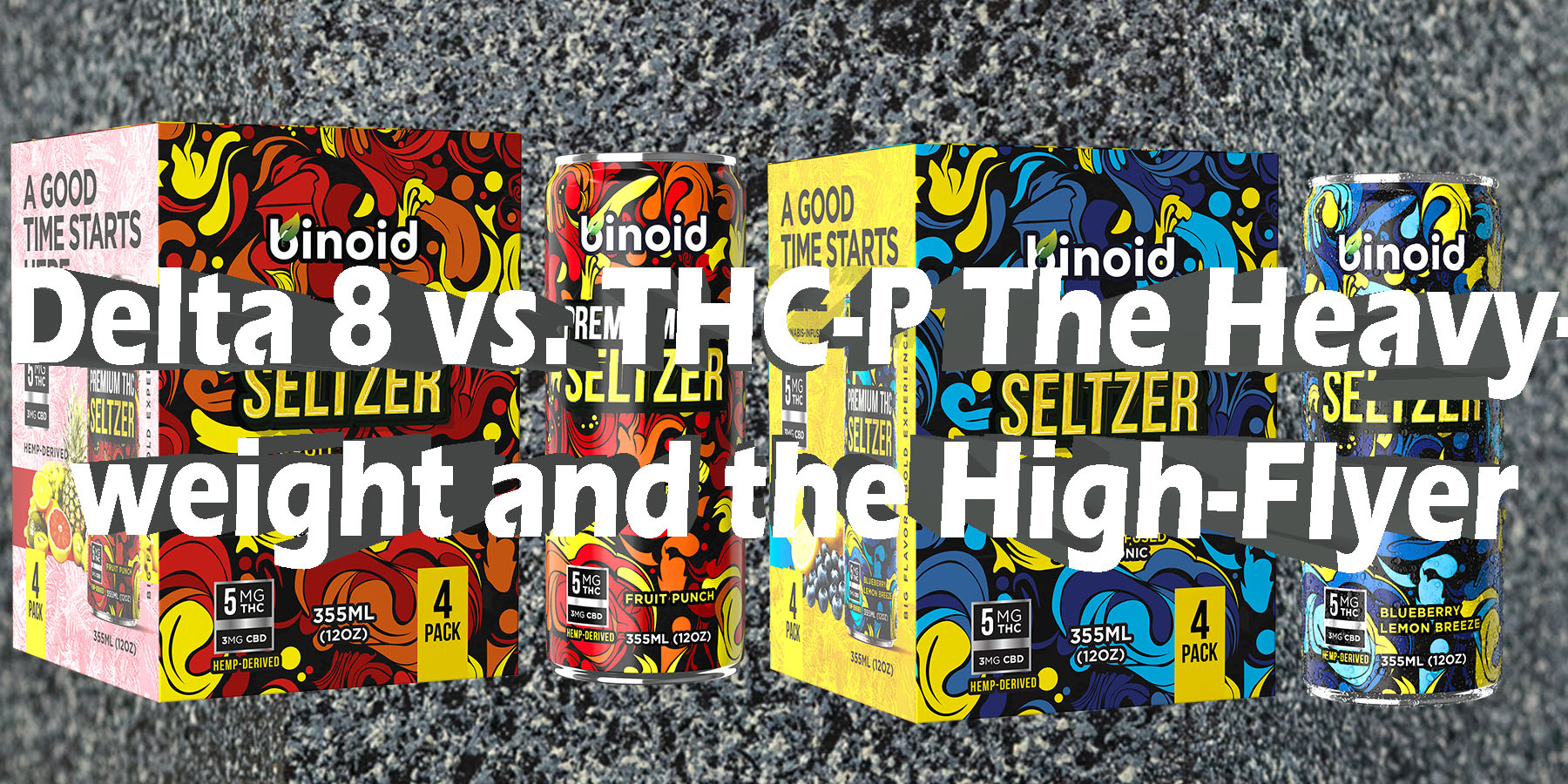
In the rapidly accelerating timeline of cannabis culture evolution, we have officially moved past the era of the “one-size-fits-all” high. There was a time, not so long ago, when the goal of every session was singular: maximum intensity. You sought out the stickiest flower and the highest THC percentages you could find, often settling for whatever “mystery bag” was available from a local source. But as we move through March 2026, the modern enthusiast has become a molecular curator. Today, it’s about “Effect-Based” consumption—choosing specific frequencies of euphoria that align with your lifestyle, whether that means a light social buzz for a Tuesday afternoon or a high-velocity, stratospheric journey for a deep-dive weekend.
This shift toward intentionality has brought two fascinating molecules into a head-to-head comparison: the undisputed heavy hitter of the approachable hemp world, Delta 8 THC, and its rare, high-octane successor, THC-P. While they share a similar name and a common botanical origin, they offer vastly different experiences in terms of mental tempo and physical weight.
One is the “Soul” of the hemp plant—the immersive, relaxing standard that has defined the industry for years. The other is a “Titan” in the machine—a specialized cannabinoid known for its legendary potency and long-duration effects. In this deep-dive guide, we are stripping away the jargon to explore how these hemp derived cannabinoids differ, how they interact with your biology, and why brands like Binoid CBD are leading the charge in bringing this molecular diversity to your doorstep through professional-grade disposables, cartridges, and gummies.
To Buy Delta 8 THC Products Click Here
Recommended products
-
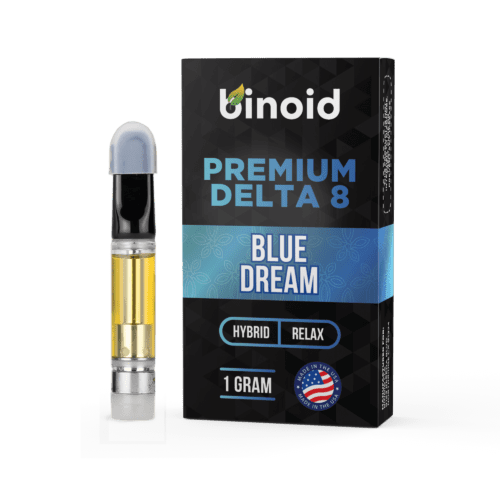
Delta 8 THC Vape Cartridge
$26.99$39.99 -
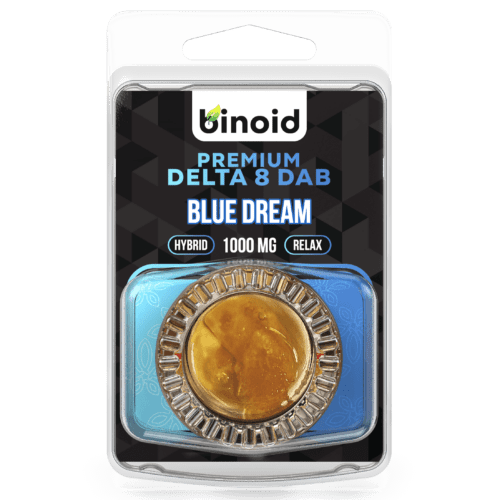
Delta 8 THC Wax Dabs
$25.99$44.99 -
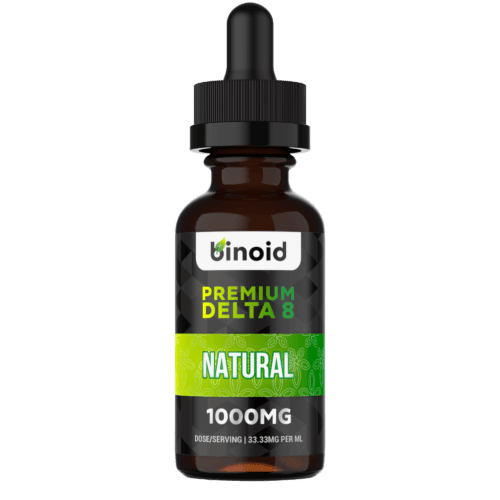
Delta 8 THC Tincture (1000mg, 2500mg, 5000mg)
$25.99$44.99 -
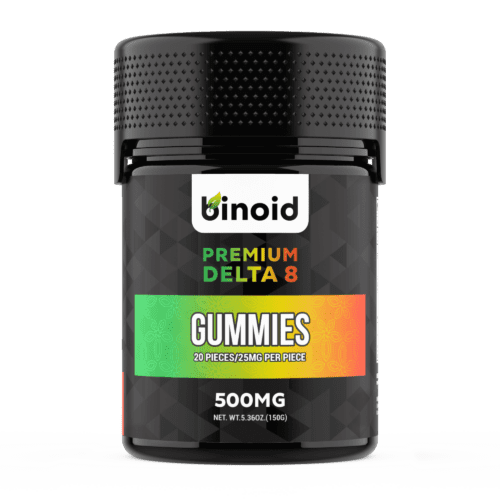
Delta 8 THC Gummies
$29.99$44.99
The Molecular Baseline: What Exactly is Delta 8 THC?
To understand the newcomer, we must first pay respects to the legend that paved the way. Delta 8 tetrahydrocannabinol, or Delta 8, is the primary psychoactive compound that served as the initial heartbeat of the legal hemp-derived movement. While structurally similar to traditional Delta 9 THC, the double bond in its molecular structure is located on the eighth carbon chain rather than the ninth. In the world of organic chemistry, this tiny structural shift is a massive catalyst for how the molecule “shaky hands” with your brain.
Biologically, Delta 8 is a powerful agonist of the CB1 receptors in your nervous system, but it binds with a lower affinity than traditional THC. This results in what many call a “milder” high, though “milder” shouldn’t be confused with “ineffective.” Binoid Delta 8 products are known for their ability to deliver a classic, multi-sensory experience that focuses heavily on physical relaxation and a quiet, meditative mental state. It is the gold standard for decompression, prized for its ability to soften the edges of a high-stress day without the overwhelming intensity or “racy” thoughts sometimes associated with more potent variants.
In the current landscape of 2026, Delta 8 has settled into its role as the “functional” cannabinoid. It is the choice for the person who wants to stay productive—finishing chores, engaging in creative hobbies, or attending a social gathering—without the risk of couch-lock. It provides a manageable euphoria that feels like a warm, weighted blanket for the mind, grounding the user in the present moment while gently lifting the weight of daily stressors.
The Potency Titan: What is THC-P?
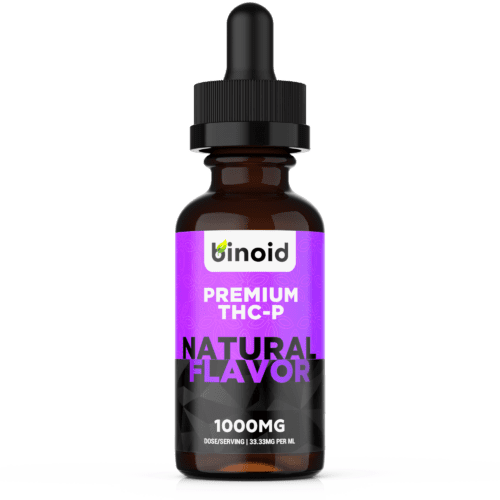
THC-P, or tetrahydrocannabiphorol, is a rare, naturally occurring cannabinoid that was only discovered in 2019 by a team of Italian researchers. It has since become the most talked-about molecule in cannabis culture evolution. The reason for the hype lies in its side chain. While Delta 9 and Delta 8 have a five-link alkyl side chain, THC-P features a seven-link chain. This longer tail allows the molecule to bind to your CB1 receptors with a staggering 33 times more affinity than Delta 9.
It is important to clarify that “33 times more affinity” does not necessarily mean it is 33 times “stronger” in terms of how you feel, but it does mean it is significantly more efficient at activating your endocannabinoid system. Binoid THC-P products are often described as having a “deep-tissue” high. It is more cerebral, more immersive, and notably longer-lasting than almost any other cannabinoid on the market. For the experienced user, THC-P represents the ultimate frontier—a way to reach a level of elevation that traditional flower simply cannot touch.
Because THC-P occurs in such minute quantities in the natural plant (often less than 0.1%), it requires sophisticated extraction and isomerization techniques to produce the concentrations found in modern cartridges and gummies. This rarity is why it was hidden from our understanding for so long, and why its arrival has been such a disruptive force in the market. In 2026, THC-P is no longer a novelty; it is a staple for the “High-Tolerance” demographic who find that standard THC products no longer provide the depth of experience they crave.
The Intensity Gap: Managed Chill vs. Total Immersion
Perhaps the most important point for any consumer to grasp is the “Intensity Gap.” Delta 8 is the reliable, smooth standard. Whether you are using cartridges or disposables, the experience is characterized by its “manageable” nature. It offers a well-rounded experience—gentle euphoria, mild sensory enhancement, and a comfortable physical “body hum.” It is the choice for a classic evening wind-down where you still want to be able to read a book or hold a conversation.
THC-P, however, is about “Total Immersion.” Because of its incredible receptor affinity, the high is much more encompassing. Users often report a “creeper” effect—where the high builds slowly over 45 minutes and then launches into a powerful, multi-dimensional experience. In gummies or vapes, THC-P allows you to reach an altitude that feels more durable and resonant. It is an “event” cannabinoid—the kind of experience you plan your day around. It proves that hemp derived cannabinoids can rival and even exceed anything found in a traditional dispensary, offering a way to unplug the noise of the world with absolute certainty.
The sensory magnification of THC-P is also significantly higher. Colors may seem more vivid, music more textured, and thoughts more profound. While Delta 8 is like a standard-definition television—reliable and clear—THC-P is the 4K Ultra-HD version. It demands your attention and often results in a state of deep introspection or a heavy physical “lock” that is ideal for total disconnection from the digital grind.
Recommended products
-
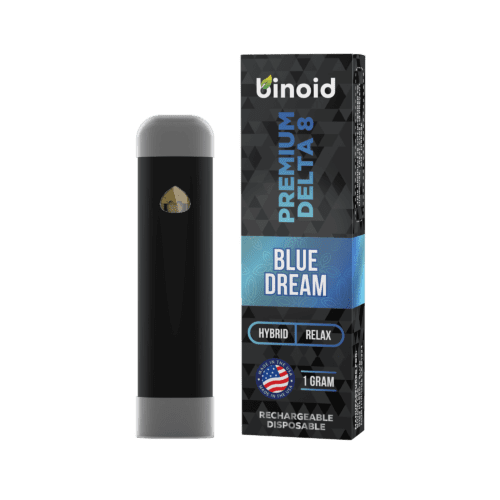
Delta 8 THC Rechargeable Disposable Vape
$26.99$54.99 -
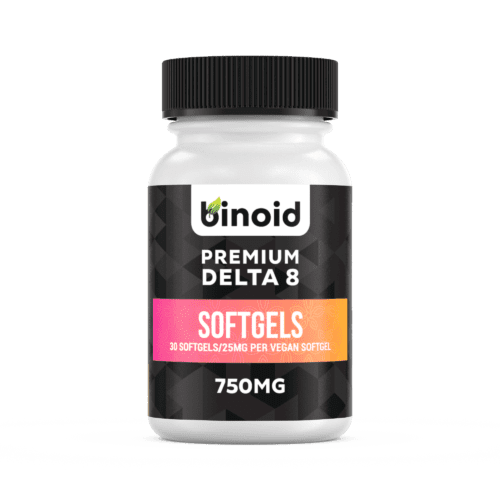
Delta 8 THC Capsules 750MG
$31.99$69.99 -
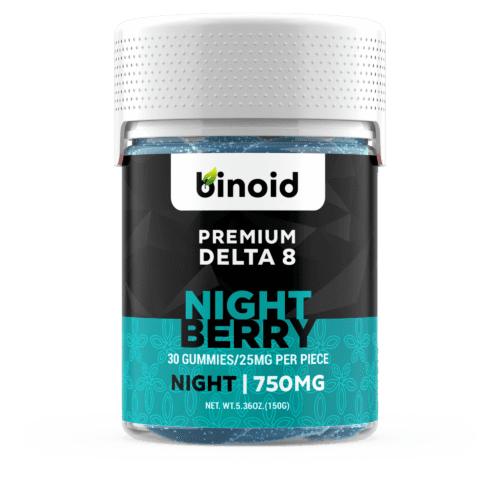
Delta 8 THC Gummies – Limited Edition
$33.99$38.99 -
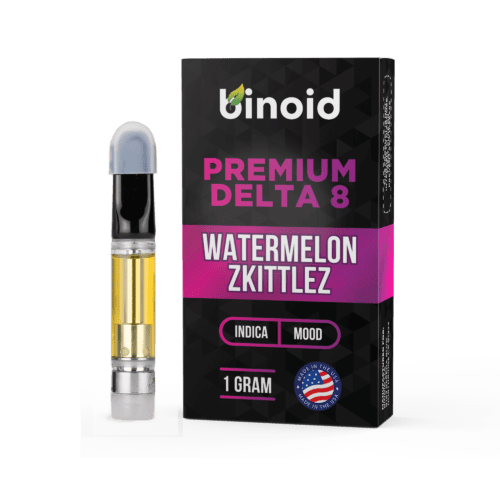
Delta 8 THC Vape Cartridge – Watermelon Zkittlez
$26.99$59.99
The Biological Tempo: Duration and the “Long-Tail” Effect
When navigating the offerings at Binoid, it’s important to understand the “tempo” of each molecule. Delta 8 is a “social” note. Once the high settles in, it typically stays stable for two to three hours when vaped. It respects your schedule, allowing you to “land” and return to your daily routine with relative ease. This makes it the preferred choice for those who want a quick shift in perspective without a six-hour commitment.
THC-P is a “marathon runner.” Because it binds so stubbornly to your receptors, the effects can last significantly longer than other cannabinoids. It is not uncommon for a single THC-P session to linger for five to eight hours, providing a steady frequency that doesn’t fade in and out. This “long-tail” duration is why THC-P is becoming the preferred choice for those seeking deep, systemic relief or a profound, overnight restorative experience. In the cannabis culture evolution, THC-P represents the move toward “sustained” immersion rather than “short-burst” recreation.
This extended duration also affects the comedown. While Delta 8 typically has a “clean-clear” exit, leaving the user feeling refreshed, THC-P can result in a lingering “afterglow.” For many, this is a benefit—a sense of calm that carries over into the next morning. However, for those with a busy schedule, it requires careful timing. The rule of thumb in 2026 is simple: Delta 8 for the afternoon, THC-P for the evening.
Hardware and Habits: Cartridges, Gummies, and Disposables
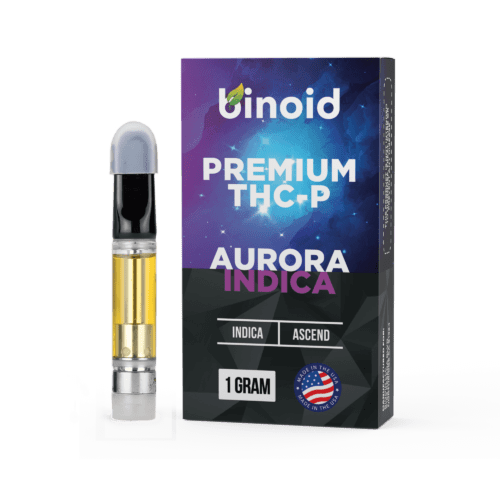
The delivery method you choose fundamentally alters how these molecules interact with your day. Binoid CBD has mastered the delivery of high-potency molecules through cartridges, gummies, and disposables. Vaping Delta 8 or THC-P provides the most immediate feedback. It allows for “titration”—the ability to take a small puff, wait ten minutes, and decide if you want to reach a higher altitude. This is perfect for the fast-paced modern lifestyle where flexibility is key.
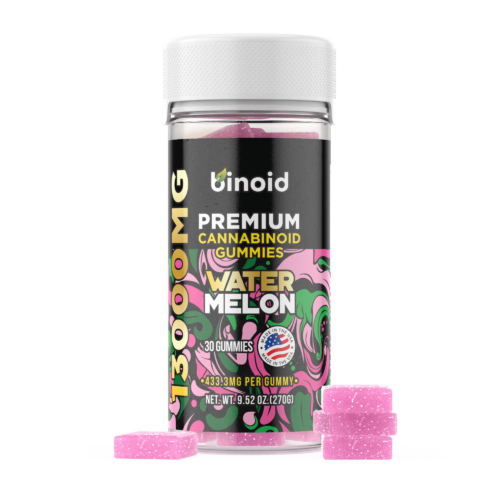
Gummies, on the other hand, offer the ultimate “Heavyweight” experience. When you ingest THC-P, the cannabinoids pass through the liver, where they are converted into even more powerful metabolites. A THC-P gummy might provide a profound, 8-hour physical immersion that is arguably the strongest experience available in the legal hemp market. In the cannabis culture evolution, we have moved past the “basement and bong” era and into an age of total discretion and precision.
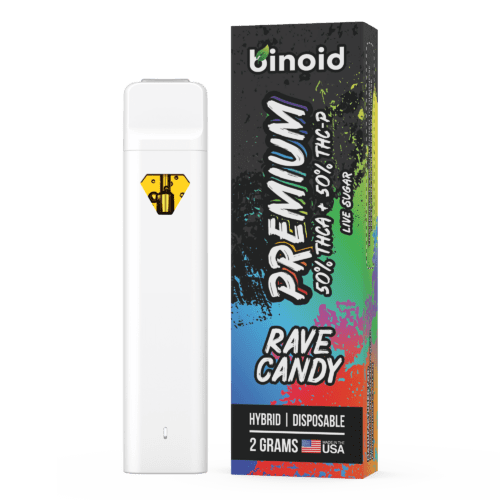
One of the standout features of the Binoid THC-P products is the quality of the hardware. Their disposables are designed with the modern user in mind—sleek, rechargeable, and built to handle the thicker viscosity of high-purity oils. This ensures that your session remains consistent from the first pull to the last drop, eliminating the clogging issues that plagued the early days of the hemp market.
The 2026 Landscape: Total THC and Compliance
As we navigate the year 2026, the hemp industry is facing its most significant legislative shift since the 2018 Farm Bill. For years, the market flourished under a definition that only restricted Delta 9 THC. However, the Continuing Appropriations and Extensions Act of 2026 has fundamentally redefined what constitutes legal hemp. As of late 2026, federal compliance is moving toward a “Total THC” standard.
This new standard combines Delta 9, THCA, and isomers like Delta 8 into a single 0.3% limit on a dry-weight basis. Furthermore, the Act establishes a strict 0.4mg “Total THC” cap per finished product container. This is why sourcing from a transparent, future-focused brand like Binoid CBD is so critical. Every cartridge and disposable from Binoid comes with an ISO-accredited lab report. These lab results, or Certificates of Analysis (COAs), are your only guarantee that your product meets current safety standards and is prepared for upcoming regulatory shifts.
In an era of increasing federal scrutiny, the COA is the consumer’s “Receipt of Purity.” It doesn’t just verify potency; it confirms the absence of heavy metals, pesticides, and residual solvents. For a molecule as potent as THC-P, this transparency is non-negotiable. The sophisticated consumer of 2026 knows that the quality of the “lift” is directly tied to the purity of the extraction.
The Entourage Effect: Why Molecular Stacks are Winning
While the individual profiles of these molecules are impressive, the true magic of the modern era happens in the “Stack.” Brands like Binoid have mastered the art of the multi-cannabinoid blend, pairing THC-P with Delta 8 to create a “Surround Sound” experience. This is known as the Entourage Effect—the idea that cannabinoids work more effectively when they are combined.
A THC-P/Delta 8 blend is a masterclass in balance. The Delta 8 provides the “warmth” and the physical foundation, ensuring that the experience remains grounded and physically comfortable. The THC-P provides the “peak” and the mental intensity, pushing the euphoria to new heights. Together, they offer a high-fidelity high that is both immersive and manageable. These blends are the cutting edge of hemp derived cannabinoids, offering a bespoke frequency that you simply cannot get from raw flower.
In 2026, we are also seeing the rise of “Secondary Synergies”—the addition of minor cannabinoids like CBG (for focus) or CBN (for rest) to these THC-P/Delta 8 bases. This allows users to choose products based on the specific “vibe” they need, whether it’s a “Social” blend for a night out or a “Recovery” blend for post-workout inflammation management. This shift toward personalization is the final stage of cannabis culture evolution.
Recommended products
-
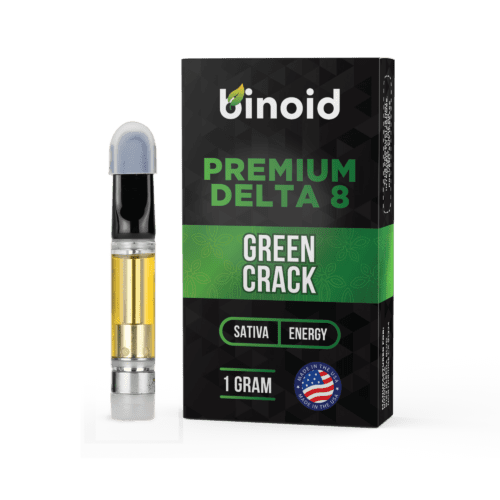
Delta 8 THC Vape Cartridge – Green Crack
$26.99$59.99 -
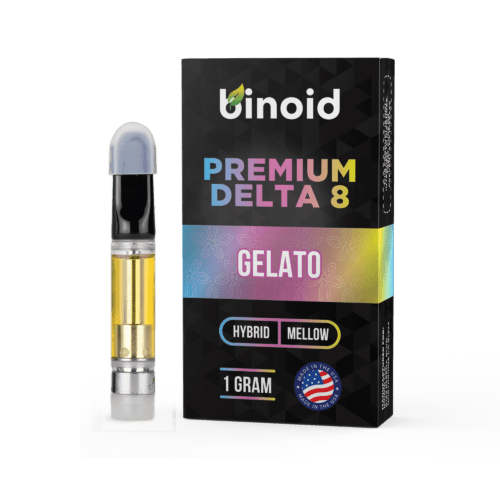
Delta 8 THC Vape Cartridge – Gelato
$25.99$54.99 -
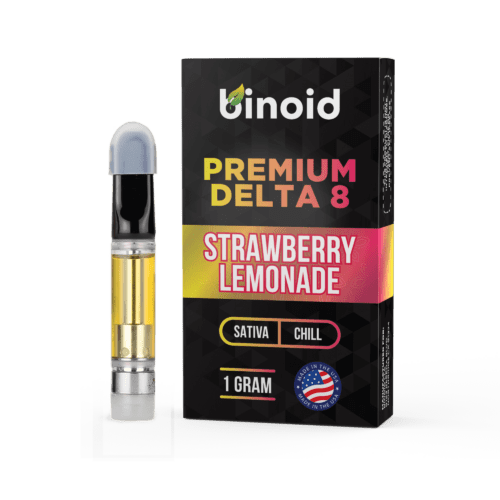
Delta 8 THC Vape Cartridge – Strawberry Lemonade
$25.99$54.99 -
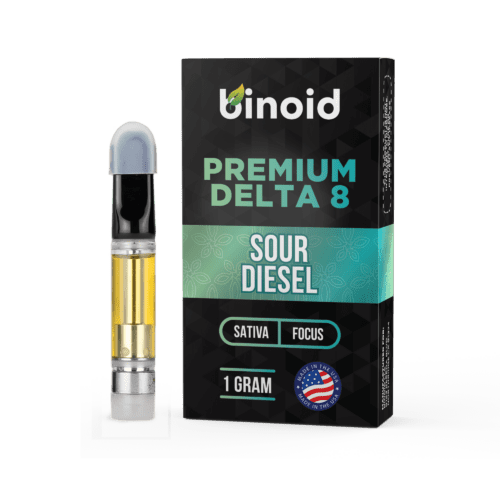
Delta 8 THC Vape Cartridge – Sour Diesel
$26.99$59.99
Design and Discretion: The New Aesthetic of Hemp
The cannabis culture evolution has also transformed how these products look and feel. The “counterculture” aesthetic of the past—loud packaging, neon colors, and stoner tropes—is being replaced by a cleaner, more sophisticated design language. Modern hemp products are being rebranded as wellness items, designed to sit on a nightstand or fit into a luxury handbag without drawing unwanted attention.
Binoid has led this charge with hardware that feels “buttery” in the hand. Their disposables feature matte finishes, slim profiles, and USB-C charging ports, making them look more like high-end tech accessories than traditional smoking tools. This shift reflects a broader cultural acceptance. Cannabis is no longer a “guilty pleasure” kept in a shoebox under the bed; it is a tool for living well, used by people from all walks of life who value discretion as much as quality.
The Metabolism Factor: Why THC-P Hits Different
To truly appreciate why THC-P feels so unique, we have to look at how the body processes it. When you inhale Delta 8, it enters the bloodstream and travels quickly to the brain. When you ingest it, the liver converts it into 11-Hydroxy-Delta-8-THC, a metabolite that is more potent and crosses the blood-brain barrier more easily.
THC-P appears to follow a similar but amplified metabolic pathway. Because of its massive receptor affinity, it “saturates” the system more effectively. This is why the onset can feel so much more “immediate” once the molecule makes its way to the brain. In 2026, researchers are still uncovering the full metabolic profile of THC-P, but early data suggests that its stability in the human body is much higher than that of Delta 8 or Delta 9. This translates to the “sustained” high that has made it so popular. It isn’t just about the peak; it’s about the consistency of the plateau.
Final Thoughts: Finding Your Ground in the Molecular Era
The debate between Delta 8 and THC-P isn’t about which molecule is “better”—it’s about which molecule fits the “Now.” We are no longer living in an era of botanical guesswork; we are living in an era of molecular choice. Through the innovation found at Binoid CBD, we have the power to decide exactly how we want to navigate our days, whether we want the reliable, smooth “Soul” of Delta 8 or the sharp, high-velocity “Power” of THC-P.
Whether you are seeking the grounding euphoria of a Delta 8 cartridge or the stratospheric journey of a THC-P gummy, the goal remains the same: a safe, high-quality, and intentional experience. The cannabis culture evolution is a journey toward self-optimization, and these two molecules are your primary navigation tools. So, check your local regulations, grab a trusted lab report from Binoid, and find the frequency that resonates with your life. The molecular era is here, and the view from the top is clearer than ever.
To Buy THC-P Products Click Here
Recommended products
-
13,000mg Good Luck Gummies
$47.99$79.99 -
THC-P Tincture – 1000mg
$30.99$79.99 -
THC-P Vape Cartridge
$29.99$59.99 -
Live Sugar THCA + THC-P Disposable Vape – Pure 50/50
$39.99$69.99