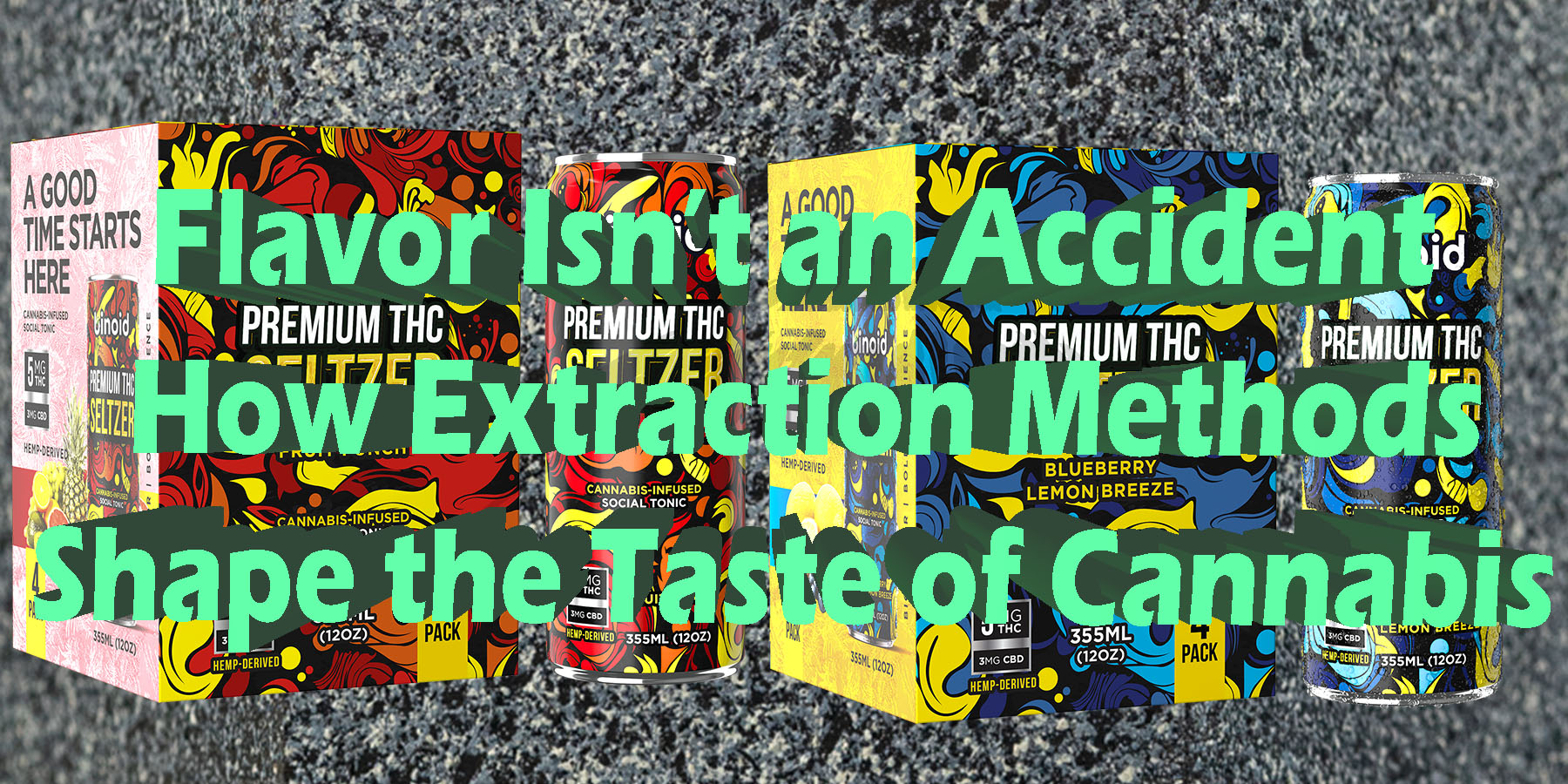
Spend enough time around cannabis, and you start to realize something interesting: two products made from the same plant can taste completely different. One might explode with bright citrus and creamy sweetness, while another version of that same strain feels muted, earthy, or even slightly harsh. For many longtime enthusiasts, that difference comes down to something most casual consumers rarely think about — extraction.
Extraction is the process used to pull cannabinoids, terpenes, and other compounds out of cannabis or hemp plants to create concentrates, vapes, tinctures, and infused products. While potency often dominates the conversation, extraction methods play a massive role in shaping flavor. In fact, the way cannabis is processed can determine whether a product preserves the plant’s original terpene profile or loses it entirely.
This has become especially important in the modern market for hemp derived cannabinoids, where products like vapes, concentrates, and infused goods rely heavily on extraction technology. Whether someone is exploring THCA products, trying terpene-rich cartridges, or experimenting with the latest concentrate innovations, flavor often reflects the extraction method behind the scenes.
Brands such as Binoid CBD and other leaders in the hemp industry understand this reality. As cannabis culture evolution continues to push consumers toward higher-quality experiences, extraction techniques have become a defining factor in how products look, smell, taste, and feel. The days when concentrates were judged only by THC percentage are fading. Today, people want smoothness, complexity, and authentic flavor.
To understand why some cannabis products taste incredible while others feel flat, you have to look at how extraction works — and how different techniques shape the final experience.
To Buy THCA Products Click Here
Recommended products
-
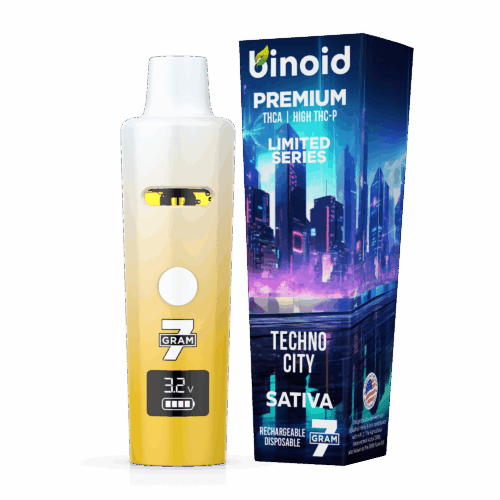
7 Gram THCA + High THC-P Disposable Vape – Limited Series
$67.99$109.99 -
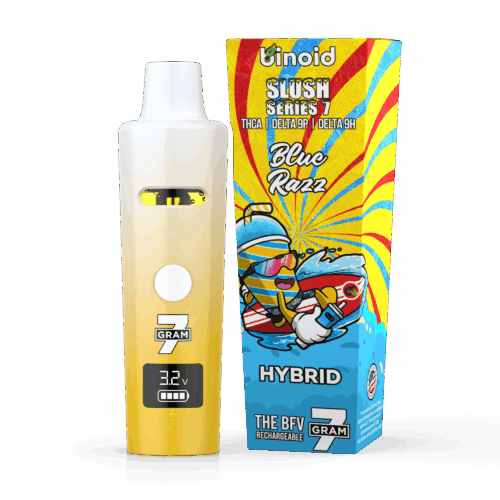
7 Gram THCA Disposable Vape – Slush Series
$59.99$99.99 -
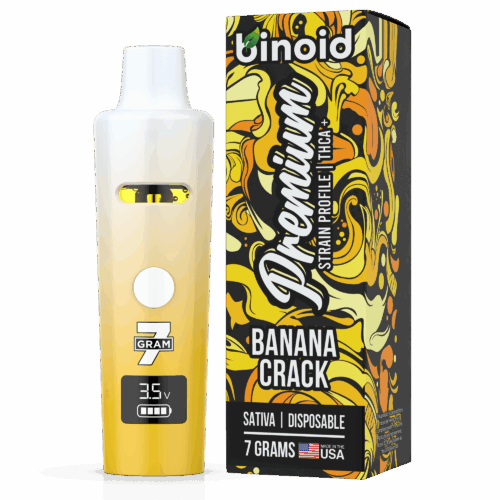
Strain Series 7 Gram Disposable Vape
$63.99$109.99 -
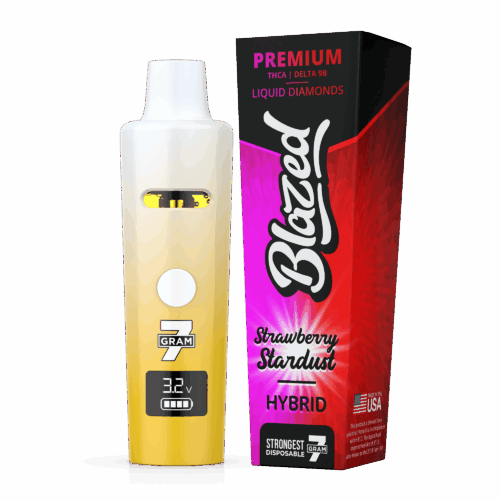
Blazed 7 Gram THCA + Delta 9P Disposable Vape
$65.99$109.99
Why Flavor Matters More Than Ever
For decades, cannabis flavor was largely tied to the plant itself. Flower was smoked or vaporized, and the taste came directly from the strain’s terpene profile. But as concentrates and infused products entered the mainstream, extraction became the bridge between plant and product.
Terpenes, the aromatic compounds responsible for cannabis flavor and aroma, are extremely delicate. They can evaporate, degrade, or transform when exposed to heat, oxygen, or pressure. Because of this sensitivity, the extraction process has a direct impact on whether those compounds survive intact.
If terpenes are preserved carefully, the final product may taste nearly identical to the original flower. If they are damaged or removed, the flavor may become dull or artificial.
As the cannabis market has matured, flavor has become a defining factor in product quality. Consumers are no longer satisfied with concentrates that simply deliver strong effects. They want the layered aromas, fruity notes, and smooth finishes that define premium cannabis.
This shift is a major part of cannabis culture evolution. Enthusiasts now talk about terpene profiles, extraction techniques, and flavor preservation with the same enthusiasm that craft beer fans discuss hops or coffee lovers debate roasting methods.
What Extraction Actually Does
At its core, extraction separates the desirable compounds of the cannabis plant from the raw plant material. The goal is to isolate cannabinoids like THC, CBD, or THCA while preserving as much of the plant’s terpene content as possible.
Cannabis plants contain hundreds of compounds, including cannabinoids, terpenes, flavonoids, waxes, lipids, and chlorophyll. Extraction methods use solvents, pressure, temperature, or mechanical force to selectively pull out certain compounds while leaving others behind.
The challenge is that cannabinoids and terpenes behave differently during extraction. Cannabinoids tend to be more stable, while terpenes are fragile and easily lost. That means a process designed purely for efficiency might produce a powerful concentrate but sacrifice flavor in the process.
Modern extraction science focuses on balancing potency, purity, and terpene preservation. Achieving all three requires precise control of temperature, pressure, and solvent exposure.
This balance is particularly important for companies working with hemp derived cannabinoids and THCA products, where flavor authenticity helps bridge the gap between traditional cannabis and federally compliant hemp offerings.
Recommended products
-
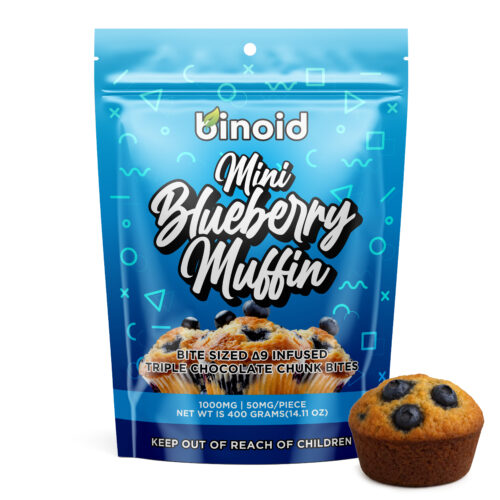
Delta 9 Mini Blueberry Muffin Bites – 1000MG (Limited Supply)
$34.99$39.99 -
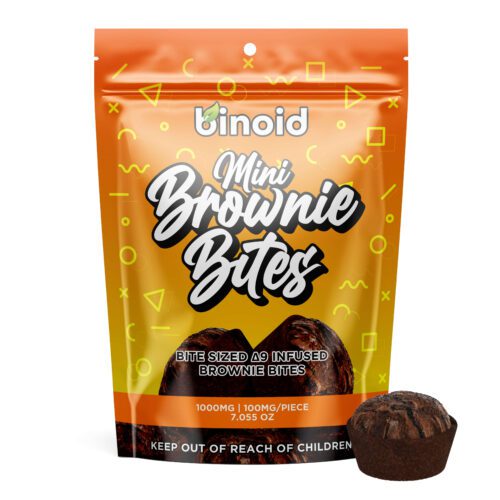
Delta 9 Mini Brownie Bites – 1000MG (Limited Supply)
$34.99$39.99 -
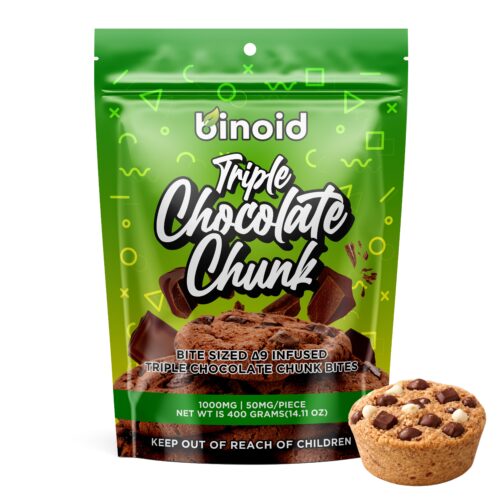
Delta 9 Mini Triple Chocolate Chunk Bites – 1000MG (Limited Supply)
$34.99$39.99 -
Functional THC Gummies
$33.99$59.99
CO₂ Extraction: Clean but Sometimes Flavor-Limited
One of the most widely used extraction methods in the hemp industry is supercritical carbon dioxide extraction, commonly known as CO₂ extraction.
In this process, carbon dioxide is pressurized until it enters a supercritical state where it behaves both like a gas and a liquid. In this form, CO₂ can dissolve cannabinoids and other compounds from the plant material.
CO₂ extraction is popular because it produces extremely clean extracts with no toxic solvent residue. It is also highly adjustable, allowing operators to fine-tune pressure and temperature to target specific compounds.
However, CO₂ extraction has a complicated relationship with flavor. While it can capture terpenes, the process often separates them during extraction, meaning they must be reintroduced later. If this step is not handled carefully, the final product may lose the original strain’s authentic aroma.
Some manufacturers address this by performing terpene recovery during the early stage of extraction, preserving those volatile compounds before the cannabinoids are extracted. When done correctly, CO₂ extraction can deliver smooth, flavorful products. When done poorly, it may result in concentrates that feel somewhat muted.
Because of its efficiency and scalability, CO₂ extraction is widely used for hemp derived cannabinoids across the industry, including products from brands like Binoid CBD.
Hydrocarbon Extraction: Flavor Preservation Powerhouse
Hydrocarbon extraction uses solvents such as butane or propane to dissolve cannabinoids and terpenes from cannabis plants. While the word “solvent” can sound intimidating, modern hydrocarbon extraction systems operate in closed-loop environments designed for safety and purity.
One of the main advantages of hydrocarbon extraction is its ability to preserve terpenes. These solvents operate at lower temperatures compared to some other extraction methods, reducing terpene degradation.
This is why many of the most flavorful concentrates on the market — including live resin and certain high-end vape oils — rely on hydrocarbon extraction.
Live resin, in particular, has become famous for its intense aroma and flavor because it is made from flash-frozen cannabis plants rather than dried material. This freezing process preserves terpenes at the moment of harvest, allowing the extraction process to capture a fuller flavor profile.
For consumers exploring terpene-rich THCA products or premium concentrates, hydrocarbon extraction often delivers the most authentic representation of the original plant.
However, it also requires advanced equipment and strict quality control, which is why experienced extraction teams play such a critical role in producing high-quality products.
Recommended products
-
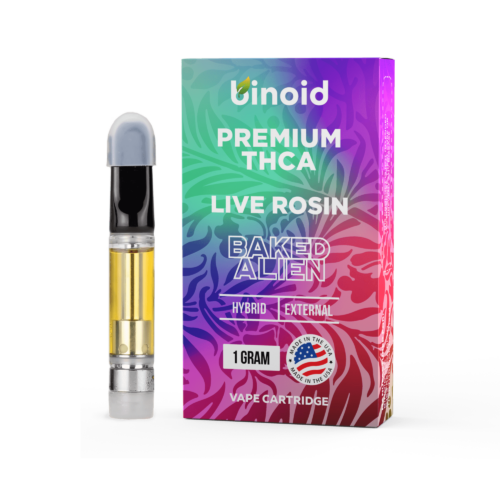
THCA Vape Cartridge Baked Alien – Live Rosin
$30.99$59.99 -
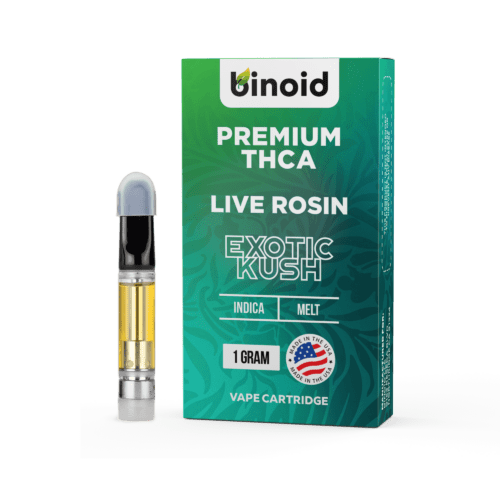
THCA Vape Cartridge Exotic Kush – Live Rosin
$30.99$59.99 -
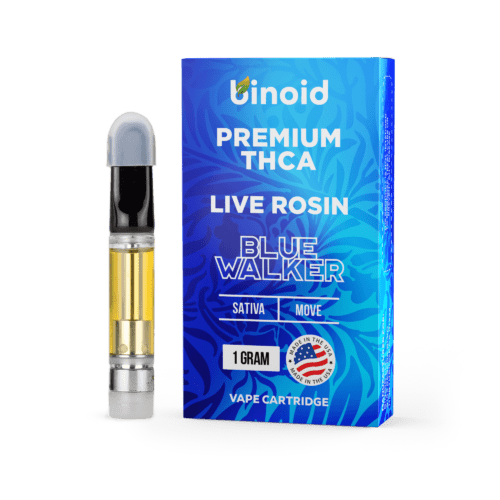
THCA Vape Cartridge Blue Walker – Live Rosin
$30.99$59.99 -
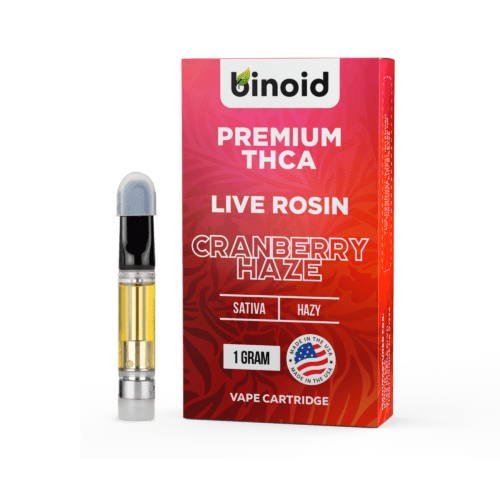
THCA Vape Cartridge Cranberry Haze – Live Rosin
$30.99$59.99
Ethanol Extraction: Efficient but Sometimes Harsh
Ethanol extraction is another common technique used across both the cannabis and hemp industries. In this method, food-grade alcohol is used to dissolve cannabinoids and other plant compounds.
Ethanol is extremely efficient at extracting cannabinoids, making it ideal for large-scale production. This is one reason ethanol extraction is frequently used for products like tinctures, edibles, and bulk cannabinoid distillates.
However, ethanol is less selective than some other solvents. It tends to extract chlorophyll, waxes, and other plant compounds that can affect flavor. These impurities are usually removed later through refinement processes such as winterization and filtration.
While ethanol extraction can produce high-quality results, the additional processing steps sometimes strip away delicate terpenes. As a result, many ethanol-derived products rely on added terpene blends to restore flavor.
Within the hemp derived cannabinoids market, ethanol extraction remains popular because it balances efficiency and affordability, even if it occasionally sacrifices some of the natural flavor complexity found in other extraction styles.
Rosin Pressing: The Solventless Flavor Champion
Among cannabis purists, solventless extraction has developed a near legendary reputation for flavor. Rosin pressing is one of the most popular solventless methods.
This technique uses only heat and pressure to squeeze resin from cannabis flowers or hash. Because no chemical solvents are involved, the resulting concentrates contains only compounds naturally present in the plant.
Rosin is widely praised for its rich terpene content and authentic flavor. Many enthusiasts believe it offers one of the closest experiences to tasting the original cannabis flower.
The downside is that rosin production is less efficient and often more expensive than solvent-based extraction. This limits its scalability, which is why rosin products tend to occupy the premium end of the market.
Still, as cannabis culture evolution continues to emphasize craftsmanship and quality, solventless concentrates have gained a devoted following among flavor-focused consumers.
Recommended products
-
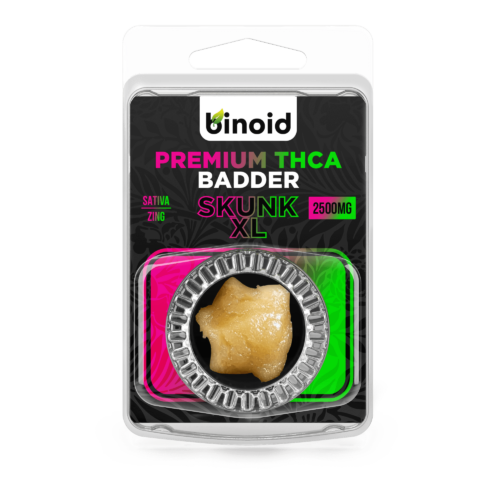
THCA Badder – 2500mg
$37.99$59.99 -
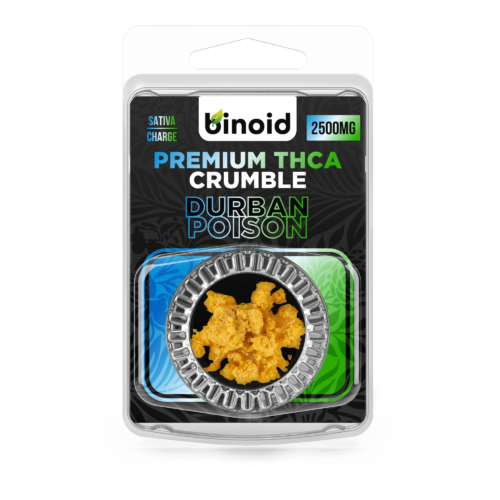
THCA Crumble – 2500mg
$37.99$59.99 -
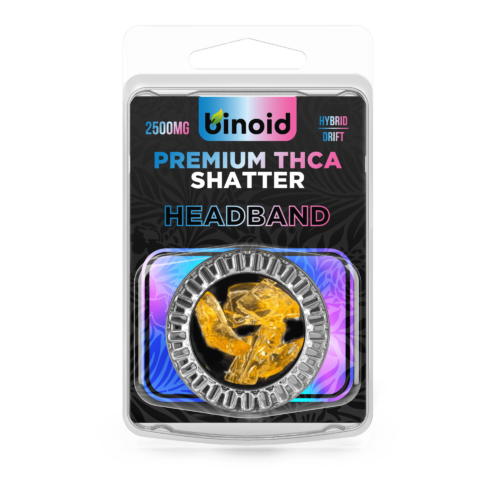
THCA Shatter – 2500mg
$37.99$59.99 -
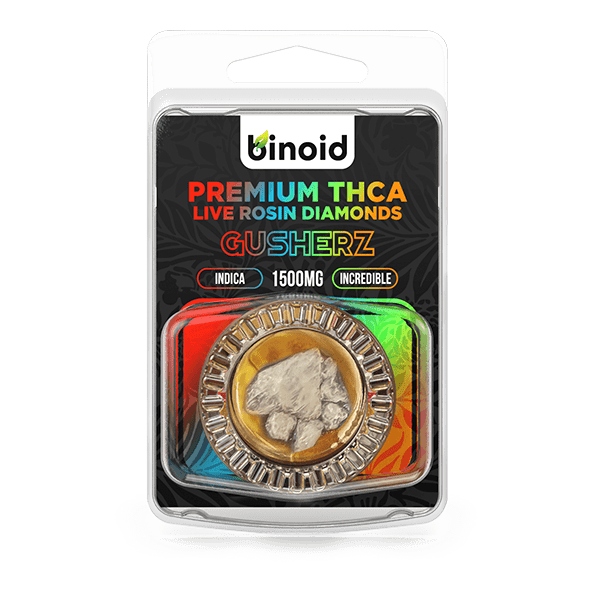
THCA Diamonds 1500mg – Live Rosin
$30.99$59.99
Distillation: Potency Over Flavor
Distillation is a refinement process rather than a primary extraction method, but it plays a huge role in shaping many cannabis products.
In distillation, cannabis oil is heated and separated into individual compounds based on boiling points. This process can isolate cannabinoids with extremely high purity levels, often exceeding 90 percent.
The problem is that distillation removes most of the plant’s original terpenes. While the resulting oil is extremely potent and versatile, it is often flavorless on its own.
To compensate for this, manufacturers typically add terpene blends back into the distillate. These blends may come from cannabis plants or from other botanical sources.
Many vape cartridges made from hemp derived cannabinoids rely on this process. When done carefully, distillate with added terpenes can still deliver enjoyable flavor. However, some consumers prefer full-spectrum extracts because they maintain the natural terpene complexity of the original plant.
The Role of Terpene Reintroduction
Because some extraction processes remove terpenes, manufacturers often reintroduce them later. This step can dramatically influence the final flavor profile.
Terpenes may be sourced from cannabis plants or from other botanical sources that share the same molecular structure. For example, limonene from citrus peels is chemically identical to limonene found in cannabis.
When terpene reintroduction is done thoughtfully, it can recreate the signature flavor of well-known strains. When done poorly, it can result in artificial or overpowering aromas.
For companies producing THCA products or hemp derived cannabinoids, terpene blending has become an important art form. The goal is to restore authentic flavor while maintaining stability and smoothness.
Brands such as Binoid CBD have leaned into terpene science to craft products that replicate the flavor experience cannabis enthusiasts expect.
How Extraction Influences Smoothness
Flavor is not the only sensory element affected by extraction methods. Smoothness also plays a huge role in how enjoyable a cannabis product feels.
Harshness often comes from leftover plant compounds, degraded terpenes, or poorly refined extracts. Clean extraction and proper purification remove unwanted materials while preserving the desirable compounds that create a balanced experience.
Low-temperature extraction techniques tend to produce smoother products because they protect delicate terpenes and prevent chemical degradation. High heat, on the other hand, can break down terpenes and create harsh flavors.
This is why premium extraction facilities invest heavily in temperature control and advanced equipment. Every stage of the process influences the final experience.
Recommended products
-
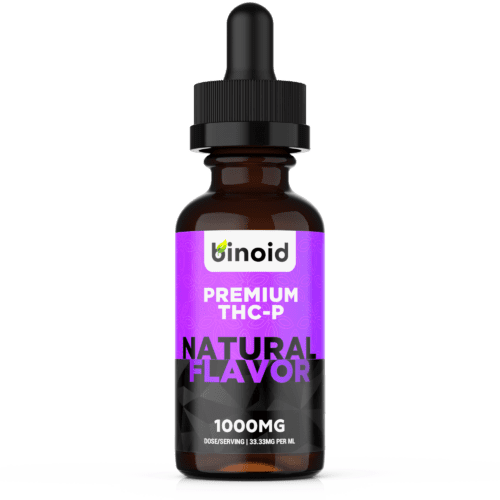
THC-P Tincture – 1000mg
$30.99$79.99 -
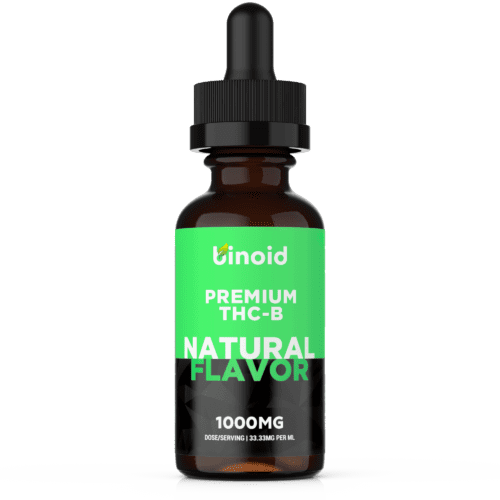
THC-B Tincture – 1000mg
$28.99$79.99 -
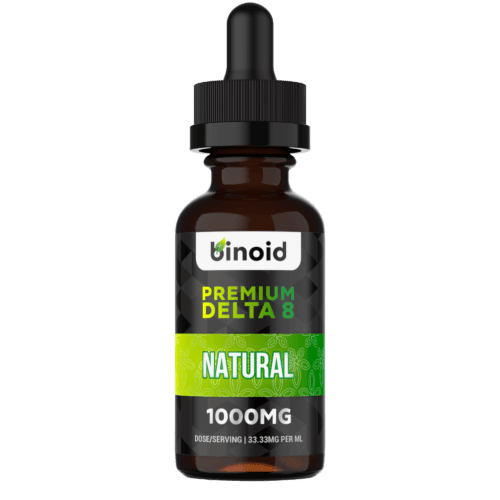
Delta 8 THC Tincture (1000mg, 2500mg, 5000mg)
$25.99$44.99 -
HXC-P Tincture – 1000mg
$30.99$79.99
Why Flavor Is Becoming a Quality Standard
In the early days of cannabis legalization and hemp product expansion, potency dominated the conversation. The highest THC numbers attracted the most attention, even if flavor and smoothness were mediocre.
Today, the market is changing. Consumers are becoming more educated, and they recognize that potency alone does not define quality.
Flavor, aroma, and terpene preservation are becoming major indicators of craftsmanship. Just as craft beer drinkers care about brewing techniques, cannabis enthusiasts increasingly care about extraction methods.
This shift is another sign of cannabis culture evolution. The community is moving toward appreciation of nuance rather than simple strength.
The Future of Flavor in Cannabis Extraction
Extraction technology continues to evolve rapidly. New techniques are being developed to preserve terpene profiles, improve efficiency, and create more authentic cannabis experiences.
Some labs are experimenting with cryogenic extraction, ultra-low-temperature processing, and terpene isolation technologies that allow greater control over flavor development.
As hemp derived cannabinoids and THCA products continue to grow in popularity, flavor innovation will likely become even more important. Consumers want products that capture the essence of the cannabis plant, not just its potency.
Companies that prioritize terpene preservation and advanced extraction techniques will likely lead the next wave of cannabis product development.
Final Thoughts: The Hidden Craft Behind Every Flavorful Hit
Behind every flavorful vape, smooth concentrates, or terpene-rich cannabis product lies a carefully engineered extraction process. While consumers often focus on cannabinoid percentages or strain names, the real magic often happens in the lab.
Extraction methods determine how much of the plant’s natural chemistry survives the journey from flower to finished product. They influence aroma, taste, smoothness, and even the overall character of the cannabis experience.
As cannabis culture evolution continues and consumers explore more sophisticated products, extraction knowledge is becoming part of the conversation. Enthusiasts are learning that flavor is not accidental. It is the result of science, craftsmanship, and careful handling of delicate plant compounds.
Whether someone is experimenting with concentrates, exploring THCA products, or enjoying the expanding world of hemp derived cannabinoids from brands like Binoid CBD, the extraction method behind the product plays a huge role in shaping what they taste.
Once you understand that connection, every puff becomes more interesting — because you realize that flavor is not just about the plant. It is about the process that brings that plant to life.
To Buy THCA Products Click Here
Recommended products
-
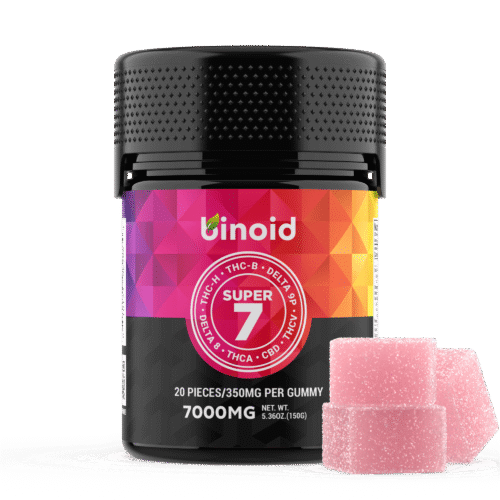
Super 7 Gummies – 7000MG
$39.97$59.99 -
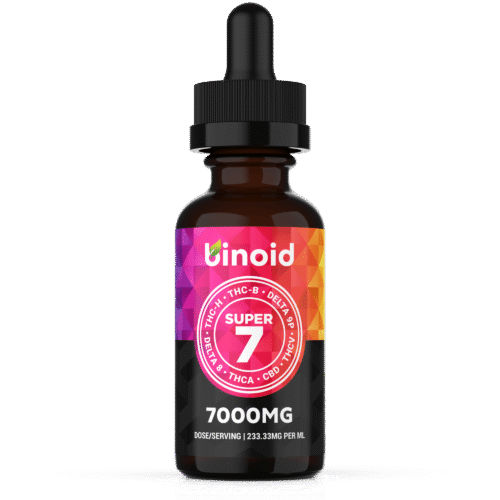
Super 7 Tincture – 7000mg
$39.99$59.99 -
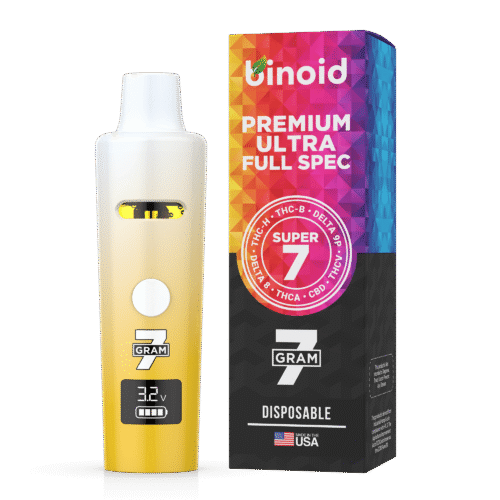
Super 7 UFS Disposable Vape – 7 Gram
$63.99$89.99 -
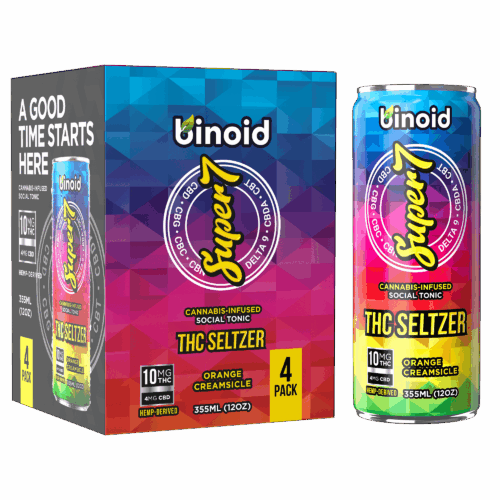
Super 7 THC Beverage – One of a Kind (4 Pack)
$24.99$37.99