The Question Everyone’s Asking, and Almost No One Answers Well
There’s a moment familiar to anyone who has wandered into the edibles lane of the cannabis experience where the clock becomes an object of genuine philosophical interest. You’ve taken a THC gummy, the flavor has faded from your tongue, and now you’re in the waiting room of your own consciousness, wondering when the curtain goes up and, perhaps more pressingly, when it comes back down. How long do THC gummies last? It’s the kind of question that sounds simple until you try to answer it honestly. Because the truth, like the experience itself, is layered, nonlinear, and stubbornly resistant to the kind of neat, one-size-fits-all answer that would make everyone’s evening plans considerably easier to manage.
The popular internet wisdom “effects last four to eight hours” is technically defensible and practically useless without context. It treats the human body as a standardized vessel and THC as a single, monolithic molecule, when neither of those assumptions is even close to correct. The modern THC gummies landscape has fractured beautifully into a taxonomy of cannabinoids, each with its own onset signature, peak profile, and fade trajectory. A Delta 8 gummies experience runs on a fundamentally different timeline than one built around THC-P Gummies, and both of those diverge meaningfully from what you’d encounter with a THCA Gummies formulation. Understanding these distinctions isn’t pedantry it’s the difference between a night that goes exactly as intended and one that goes sideways in ways that were entirely avoidable.
This feature is your comprehensive field guide to that timeline. We’re going to move through the molecular architecture first, because the science here is genuinely fascinating and also because you cannot understand the experience without understanding the mechanism. Then we’ll get into the practical landscape: what the different cannabinoid formats feel like across time, how body chemistry rewrites the script for each individual, and why sourcing your gummies from a rigorous, transparent operation like Binoidcbd.com isn’t just a lifestyle preference it’s a functional prerequisite for having any meaningful control over the experience at all.
To Buy THC Gummies Click Here
Recommended products
-
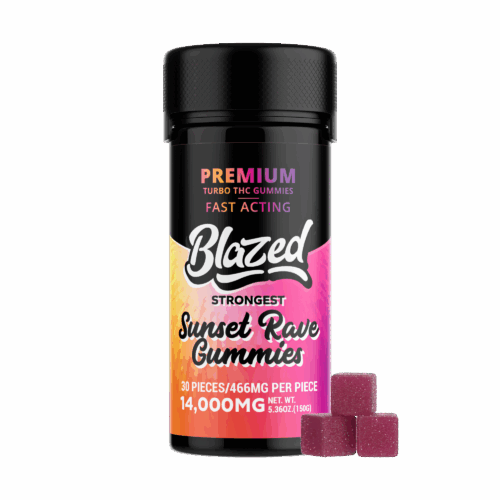
14,000MG Turbo THC Gummies – Blazed
$49.99$84.99 -
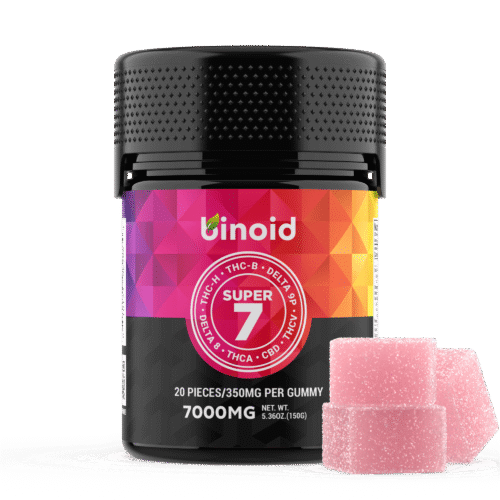
Super 7 Gummies – 7000MG
$39.97$59.99 -
13,000mg Good Luck Gummies
$47.99$79.99 -
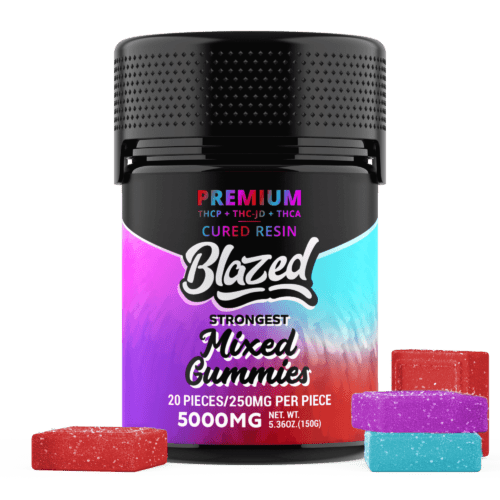
Blazed Gummies – 5000MG
$29.99$69.99

The Liver’s Long Game: Why Edibles Are a Different Animal
The reason THC gummies operate on a timeline so different from inhaled cannabis comes down to a single metabolic event: first-pass hepatic processing. When you eat a gummy, the cannabinoids don’t slip quietly into your bloodstream the way they do when they’re inhaled into your lungs. Instead, they make the long journey through your gastrointestinal tract, get absorbed in the small intestine, and then travel via the portal vein directly to the liver before they ever see the broader circulatory system. In the liver, enzymes most notably the cytochrome P450 family, particularly CYP3A4 and CYP2C9 metabolize delta-9 THC into 11-hydroxy-THC, a compound that crosses the blood-brain barrier with significantly more efficiency than its parent molecule.
This conversion is largely why the edible experience is described by most people as notably more intense and considerably more prolonged than an equivalent dose inhaled. You’re not just consuming THC; you’re consuming a precursor to a more potent metabolite, and your liver’s processing speed and efficiency determine both when that metabolite arrives and in what quantity.
This metabolic detour also explains the notorious onset delay. Depending on the contents of your stomach, the efficiency of your digestive system, your liver enzyme expression (which varies significantly by genetics), and the lipid content of the gummy formulation itself, onset can arrive anywhere from 45 minutes to two and a half hours after consumption. The fat content of a recent meal matters enormously, because cannabinoids are lipophilic they dissolve in fats, not water and a fat-rich gastric environment dramatically accelerates their absorption.
A gummy taken on an empty stomach by someone with a fast metabolism and favorable enzyme expression might announce itself in under an hour. The same gummy, consumed after a substantial meal by someone with slower hepatic processing, might sit quiet for two full hours before making its presence known. This is why the amateur’s most reliable mistake is re-dosing because they think “it isn’t working,” only to find themselves managing two stacked doses when both finally arrive simultaneously.
The duration question, once the experience begins, is shaped by the same metabolic logic. 11-hydroxy-THC and its subsequent metabolites are cleared more slowly than inhaled THC. They bind to and accumulate in fat tissues, which gradually release them back into circulation, extending the experience well beyond what any inhaled cannabinoid could sustain. For a standard THC gummies formulation built on delta-9, peak effects typically arrive somewhere between 90 minutes and three hours post-consumption, and the full arc from onset to functional clearance generally spans five to eight hours. But “functional clearance” is doing a lot of work in that sentence. For many people, a residual warmth, an easiness of thought, or a lingering sedation can persist well into the morning hours, particularly with higher doses or with cannabinoid profiles that include more sedating compounds.
The Cannabinoid Variable: How Molecular Architecture Rewrites the Clock
Here is where the timeline discussion gets meaningfully complex, because the modern THC gummies market is no longer a single-cannabinoid conversation. The proliferation of hemp-derived cannabinoids each with its own receptor affinity, metabolic pathway, and psychoactive character means that the duration question doesn’t have one answer; it has a family of answers, indexed to molecular structure.
Delta 8 Gummies represent perhaps the most well-mapped alternative timeline. Delta-8 THC is structurally almost identical to delta-9 the difference is a single double-bond position on the carbon chain, which sounds trivial and functionally is not. Delta-8 binds to the CB1 receptor with lower affinity than delta-9, producing an experience that most users describe as cleaner, less anxious, and more physically grounded. Crucially for our timeline discussion, the effects of Delta 8 Gummies tend to onset slightly faster in some formulations owing to certain processing differences but the peak tends to be softer and the total duration comparable to delta-9, generally running four to six hours for most users at moderate doses. The fade is notably more graceful; delta-8 rarely leaves the prolonged fogged-out aftermath that high-dose delta-9 can generate, which makes it a popular format for people who want a defined, manageable window.
THCA Gummies represent an entirely different chapter in this story, and one that is frequently misunderstood. THCA tetrahydrocannabinolic acid is the raw, non-decarboxylated precursor to delta-9 THC. In its native form, it does not produce psychoactive effects because it doesn’t bind meaningfully to CB1 receptors. However, THCA Gummies products are formulated with the understanding that THCA undergoes decarboxylation conversion to active delta-9 THC both during the manufacturing process and, critically, in the presence of body heat and stomach acid during digestion.
This means that a well-formulated THCA Gummies product is effectively delivering delta-9 THC through a decarboxylation-on-delivery mechanism, which can produce an experience that mirrors a delta-9 edible in duration and intensity, while occupying a distinct regulatory position owing to the precursor status of the molecule at the point of sale. The timeline for THCA Gummies closely tracks the delta-9 model, with the same first-pass metabolic conversion dynamics and the same five-to-eight-hour total arc.
Then there is THC-P and here the timeline discussion escalates considerably. THC-P, or tetrahydrocannabiphorol, features an elongated alkyl side chain that grants it a CB1 receptor binding affinity estimated to be somewhere between 30 and 33 times that of conventional delta-9 THC. That number is not a misprint, and its implications for the duration and intensity of THC-P Gummies are significant. Users of THC-P Gummies consistently report a longer-duration experience than comparably dosed delta-9 products, with peak effects that can sustain themselves for an extended period and a total timeline that in higher doses can extend beyond eight hours.
The onset profile, interestingly, often feels faster subjectively likely a function of receptor saturation at lower concentrations but the back half of the curve is where THC-P most distinguishes itself, holding its effects considerably longer than most cannabinoids in the current market. Reputable formulations, like those found in the Binoid Gummy Blends lineup at Binoidcbd.com, are crafted with careful dose calibration precisely because the potency differential of THC-P demands it.
Recommended products
-
Visual Gummies – Moon Melt
$43.99$59.99 -
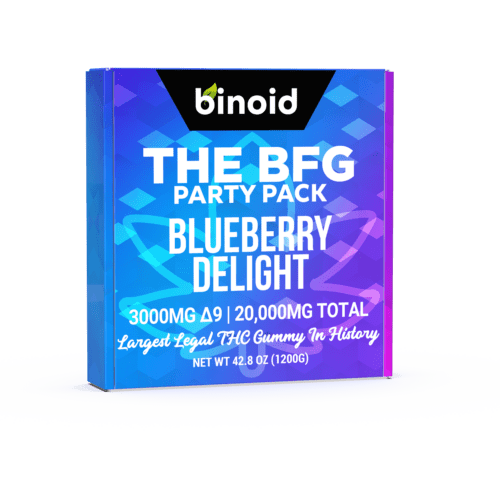
The BFG – 3000mg Delta 9 THC Gummy
$128.99$239.99 -
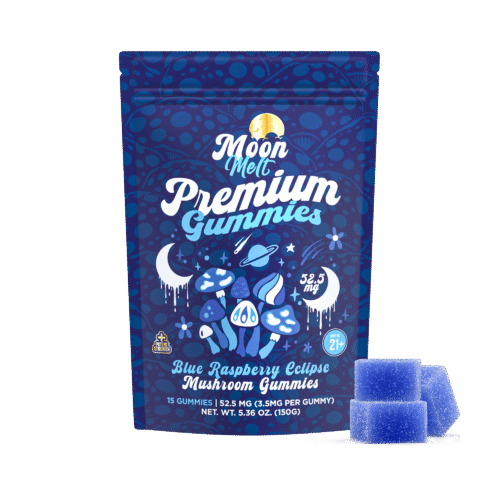
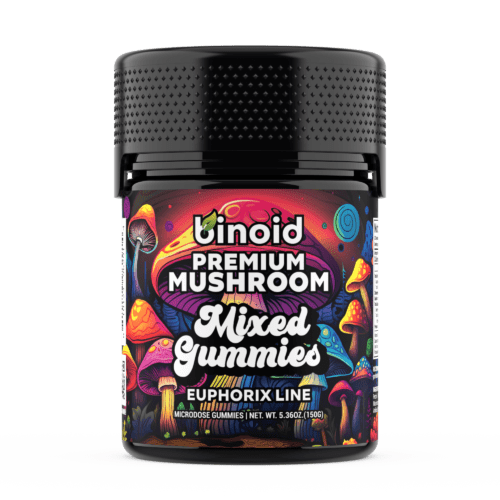
Mushroom Gummies – Microdose
$37.99$49.99
The Individual as Variable: Why Your Biology Is the Real Timeline
Before we move into formats and sourcing, there’s a piece of the puzzle that most cannabis content glosses over in favor of something more universally applicable: your body is not a neutral instrument. It is a highly individualized biochemical environment, and it exerts an enormous influence over every stage of the THC gummies timeline onset, peak intensity, duration, and the character of the fade. Understanding these variables won’t give you a stopwatch-precise prediction, but it will give you a framework for calibrating your expectations and, over time, developing a reliable intuition about your own experience.
The most significant individual variable is body composition, specifically the ratio of fat tissue to lean mass. Cannabinoids are lipophilic molecules, meaning they have a strong chemical affinity for fat. In a person with higher body fat percentage, THC and its metabolites are absorbed more extensively into adipose tissue, which then releases them back into circulation slowly and unevenly a dynamic that can both extend the duration of effects and flatten the peak, distributing the experience across a longer, gentler arc. In someone with lower body fat, the absorption-redistribution dynamic is different: less reservoir tissue, faster clearance, potentially sharper peaks, and a shorter overall timeline. Neither profile is better or worse they’re simply different operating conditions for the same molecule.
Metabolic rate and liver enzyme expression add another layer of complexity that is almost entirely invisible to the casual consumer. The cytochrome P450 enzyme system the same hepatic machinery responsible for converting delta-9 THC into the more potent 11-hydroxy-THC varies in activity from person to person based on genetics, age, concurrent medications, and even habitual diet. Certain foods, most famously grapefruit, are known CYP3A4 inhibitors, and consuming them alongside cannabinoids can meaningfully slow the metabolic clearance rate, effectively extending the duration of effects beyond what the same dose would produce under normal conditions. This isn’t a fringe pharmacological footnote it’s a real variable that can shift your timeline by an hour or more in either direction. People on certain prescription medications should consult a healthcare provider before exploring THC gummies for this reason specifically, as enzyme competition can produce unpredictable interactions.
Tolerance is perhaps the most obvious individual variable, but it operates in ways that aren’t always intuitive. Regular users of THC Gummies and other cannabinoid formats develop a degree of CB1 receptor downregulation over time the receptors become less numerous and less sensitive, requiring higher doses to achieve the same subjective effect. But tolerance doesn’t uniformly compress the duration of the experience. Many experienced users report that while the peak intensity of familiar cannabinoids diminishes with regular use, the timeline itself remains relatively stable. What changes more dramatically is the onset perception: a tolerant user may not notice the experience beginning until it’s already well underway, which can paradoxically feel like a faster onset because the gradual early-stage effects pass beneath the threshold of conscious attention.
Format, Formulation, and the Architecture of a Well-Made Gummy
Not all THC gummies are created equal, and the formulation decisions made during manufacturing have a direct and measurable impact on the timeline experience. The most consequential of these decisions concerns bioavailability the proportion of the consumed cannabinoid that actually reaches systemic circulation in active form. A gummy built with standard crystalline cannabinoid distillate suspended in a sugar-pectin matrix will deliver cannabinoids to your GI tract in their raw form, fully dependent on the body’s own emulsification and absorption processes. A gummy formulated with nano-emulsified or lipid-encapsulated cannabinoids, by contrast, presents the active compounds in a form that the small intestine can absorb far more efficiently, meaningfully shortening the onset window and improving dose consistency.
The lipid matrix of the gummy itself matters considerably. Cannabinoids traveling through the GI tract are absorbed most efficiently when they’re surrounded by dietary fat, which facilitates their incorporation into chylomicrons the lipid transport particles that carry fat-soluble compounds from the gut into the lymphatic system, bypassing the liver’s first-pass metabolism to a degree. Gummies formulated with MCT oil or other lipid carriers embedded in the matrix essentially bring their own fat-delivery vehicle, improving absorption kinetics regardless of what the consumer has or hasn’t eaten recently. This is why premium formulations from operations like Binoid CBD at Binoidcbd.com consistently produce more reliable, reproducible experiences than budget products built to a lower standard the ingredient architecture is doing real work at the molecular level, not just in the flavor profile.
The cannabinoid blend itself is another formulation variable with direct timeline implications. Single-cannabinoid gummies offer predictability and clarity you know what molecule you’re working with, and you can calibrate accordingly. But Binoid Gummy Blends, which combine multiple cannabinoids in deliberate ratios, introduce what the industry often describes through the lens of the entourage effect: the phenomenon by which cannabinoids modulate each other’s receptor activity, producing an experience that differs qualitatively from the sum of its parts.
A blend that combines delta-8 with a measured quantity of THC-P, for instance, can use the softer, more grounded character of delta-8 to temper the intensity of THC-P while extending the overall duration with its receptor-binding persistence. These blends aren’t marketing constructs they reflect genuine pharmacological interaction, and when they’re formulated by people who understand the underlying science, they represent the most sophisticated tool available for customizing the timeline to a specific desired experience.
Recommended products
-
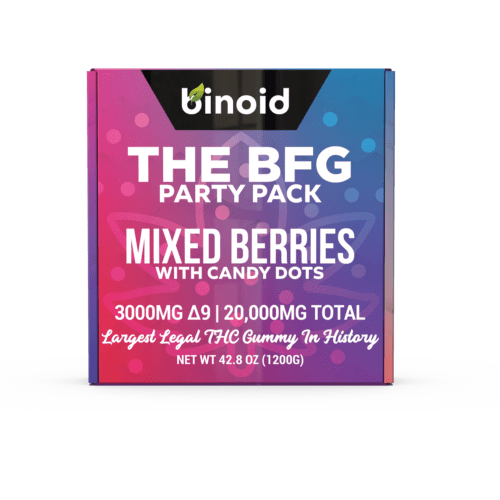
The BFG w/Candy Dots – 3000mg Largest Legal Gummy
$129.99$239.99 -
Knockout Blend Gummies
$34.99$59.99 -
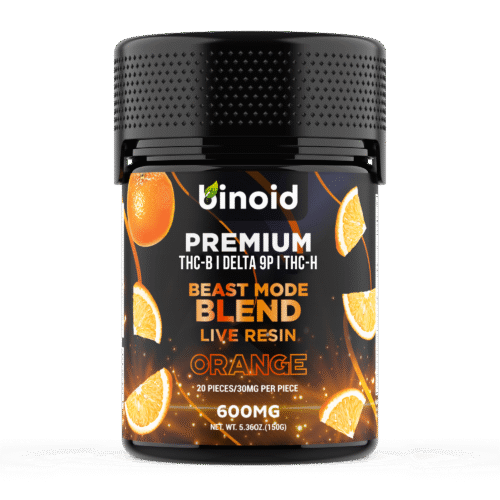
Beast Mode Blend Gummies
$32.99$59.99 -
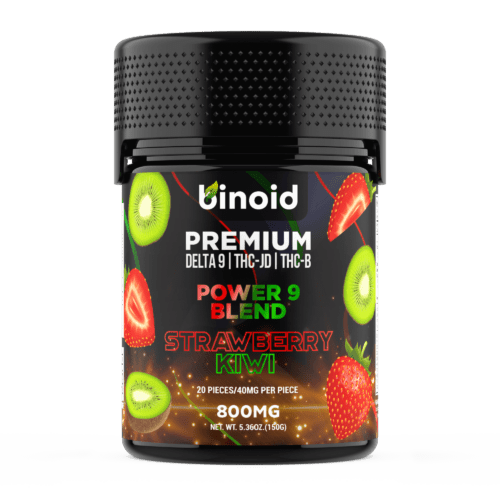
Power 9 Blend Gummies
$36.99$59.99

Why Sourcing Integrity Is a Functional Requirement, Not a Luxury
Here is a truth that the cannabis industry’s more promotional corners would prefer to leave vague: the label on a THC gummy tells you nothing reliable unless the brand behind it earns that reliability through rigorous, verifiable practice. The hemp-derived cannabinoid market, operating across a patchwork of state and federal regulatory frameworks, contains enormous variance in product quality. Third-party laboratory testing, transparent certificate-of-analysis documentation, and consistent manufacturing standards are the minimum threshold for sourcing that actually gives you control over your experience and a meaningful portion of the market does not meet that threshold.
This is not a minor caveat. Dose consistency is the single most important variable in managing the THC gummies timeline, and dose consistency is entirely downstream of manufacturing integrity. A gummy that claims 25mg of Delta 8 per piece but delivers anywhere from 15mg to 40mg per piece depending on batch variation gives you no meaningful basis for expectation-setting. You are, effectively, rolling dice with your evening. The same logic applies with even greater force to high-potency formats like THC-P Gummies, where the extraordinary receptor affinity of the molecule makes dose precision not just a comfort consideration but a genuine matter of managing the intensity and duration of what can be, at higher doses, an experience of considerable magnitude.
Binoid CBD, available at Binoidcbd.com, has built its market position on precisely the kind of rigorous sourcing and testing infrastructure that makes timeline reliability possible. Every product in the Binoid catalog from their Delta 8 Gummies to their more advanced THC-P Gummies and Binoid Gummy Blends is backed by third-party COAs that document cannabinoid potency, confirm the absence of residual solvents and heavy metals, and verify compliance with federal hemp standards. This isn’t performative transparency; it’s the operational foundation that allows a consumer to look at a 25mg gummy and actually trust that they’re working with 25mg. For experienced consumers, this consistency is a convenience. For newcomers navigating the timeline for the first time, it’s close to essential.
The breadth of the Binoidcbd.com catalog also deserves acknowledgment in the context of this feature, because access to a well-curated, diverse product lineup is what makes informed cannabinoid selection possible in the first place. Someone approaching the THC gummies landscape for the first time and trying to understand whether their experience goals are better served by THCA Gummies, a classic Delta 8 Gummies format, or one of the more complex Binoid Gummy Blends needs a source that has clearly articulated the character of each product not just the milligram count, but the experiential profile, the intended use case, and the relevant potency context. That kind of product literacy, built into the sourcing relationship itself, is what separates a brand operating at a genuinely high standard from one simply moving units.
The Complete Timeline, Rendered Honestly
So how long do THC gummies last? Here is the honest, full-spectrum answer. For a standard delta-9 or THCA Gummies formulation at a moderate dose, onset begins between 45 minutes and two hours, peak effects arrive somewhere in the second to fourth hour, and the full experience including the gradual, often pleasant unwinding concludes somewhere in the five-to-eight-hour range for most people. Delta 8 Gummies generally run slightly tighter, with a comparable onset window but a softer, cleaner arc that resolves more gracefully in the four-to-six-hour range. THC-P Gummies are the outliers in the current market: onset can feel subjectively fast due to high receptor affinity, but the back half of the experience is significantly extended, with full resolution often not arriving until the eight-to-ten-hour mark at moderate doses and beyond that with higher amounts.
These figures are best understood as probabilistic ranges, not schedules. Your liver, your body composition, your recent meals, your enzyme genetics, your tolerance level, and the specific formulation architecture of the gummy you’ve chosen will collectively determine where within those ranges your experience lands. The best tool available for narrowing that variance is sourcing discipline choosing products from operations like Binoid CBD at Binoidcbd.com where dose accuracy and formulation integrity are genuinely, verifiably maintained and the second-best tool is the patient accumulation of your own experiential data, calibrated slowly and deliberately over time.
The gummy is a slow art form. It rewards exactly the virtues that contemporary life makes most difficult: patience, attention to context, and the willingness to let a thing unfold on its own schedule. Treat the timeline as an invitation to plan thoughtfully, source carefully, and arrive at the experience with some genuine understanding of the molecular machinery running quietly beneath the flavor. The hours ahead, navigated with that kind of intelligence, tend to be excellent ones.
To Buy THC Gummies Click Here
Recommended products
-
Astral Plane Mushroom Gummies
$29.99$44.99 -
Functional THC Gummies
$33.99$59.99 -
Strain Gummies
$37.99$49.99