If you have spent any real time around cannabis culture, you have probably heard someone say something like, “This strain just hits different.” Maybe it made you relaxed without knocking you out. Maybe it kept your mind sharp while lifting your mood. Maybe two strains with nearly identical THC percentages produced completely different experiences.
For years, cannabis conversations focused almost entirely on THC levels. Higher THC meant stronger weed, and stronger weed meant a better experience. That way of thinking dominated dispensaries, product labels, and consumer expectations for a long time. But as cannabis science has evolved and enthusiasts have become more informed, the conversation has shifted toward something far more interesting and complex: terpenes.
Terpenes are the aromatic compounds responsible for the smell and flavor of cannabis, but their influence goes much deeper than scent alone. These naturally occurring molecules interact with cannabinoids and the human body in ways that can dramatically shape how a product feels, tastes, and performs. Whether you are exploring hemp derived cannabinoids, experimenting with THCA products, or simply trying to understand why certain strains resonate with you more than others, terpenes play a crucial role in the equation.
Today, terpene awareness is becoming a central part of cannabis culture evolution. Brands like Binoid CBD and others in the modern hemp industry are putting terpene profiles front and center, helping consumers understand that the cannabis experience is not just about potency. It is about chemistry, balance, and the subtle symphony of compounds that work together to shape how cannabis affects the mind and body.
Understanding terpenes means understanding cannabis on a deeper level. It means recognizing why flavor matters, why aroma can hint at effects, and why two products with similar cannabinoid levels can feel completely different. Once you start paying attention to terpene profiles, the entire cannabis experience opens up in new ways.
To Buy THCA Products Click Here
Recommended products
-
14,000MG Turbo THC Gummies – Blazed
$49.99$84.99 -
13,000mg Good Luck Gummies
$47.99$79.99 -
THC Seltzer – Good Vibes Cannabis Drink (4 Pack)
$19.99$29.99 -
Super 7 THC Beverage – One of a Kind (4 Pack)
$24.99$37.99

What Exactly Are Terpenes?
Terpenes are naturally occurring aromatic compounds found in thousands of plants across the world. They are responsible for the distinctive scents and flavors that define everything from citrus fruits and pine forests to lavender fields and freshly cut herbs.
In cannabis, terpenes are produced in the same glandular structures known as trichomes that create cannabinoids like THC and CBD. These tiny resin glands coat the surface of cannabis flowers and are packed with chemical compounds that contribute to the plant’s aroma, taste, and therapeutic potential.
If you have ever opened a jar of cannabis and immediately noticed a strong smell of lemon, diesel, berries, or pine, you were experiencing terpenes in action. Each strain has a unique terpene profile, meaning a specific combination of aromatic molecules that define its scent and flavor.
But terpenes do more than just smell good. Research suggests they also interact with cannabinoids and the human body in ways that influence mood, relaxation, focus, and overall sensation. This interaction is part of what scientists and cannabis enthusiasts call the entourage effect.
Within the modern market for hemp derived cannabinoids and THCA products, terpene profiles are increasingly becoming an indicator of product quality and character. Rather than simply chasing potency numbers, consumers are learning to appreciate the complex chemistry that shapes how cannabis feels.
The Entourage Effect: Why Terpenes Matter
One of the most important concepts in cannabis science is the entourage effect. This idea describes how cannabinoids, terpenes, and other plant compounds work together to create a combined effect that is different from any individual compound on its own.
Think of cannabis like a band rather than a solo artist. THC may be the lead singer, but terpenes are the instruments that give the music depth, texture, and emotional tone. Without them, the experience would be far less nuanced.
Terpenes can influence how cannabinoids interact with the body’s endocannabinoid system, which regulates things like mood, sleep, appetite, and stress response. Some terpenes may enhance relaxation, while others promote mental clarity or uplifted energy.
This is why two strains with similar THC levels can produce wildly different effects. One might feel calm and sedating, while the other feels energetic and creative. The difference often lies in the terpene composition.
As cannabis culture evolution continues, the entourage effect has become a central idea in how consumers evaluate products. High-quality brands, including companies working with hemp derived cannabinoids like Binoid CBD, now emphasize terpene preservation and terpene-rich formulations because they understand that the experience goes far beyond cannabinoid percentages.
The Most Influential Cannabis Terpenes
While cannabis contains dozens of different terpenes, a handful of them appear most frequently and have become well known within cannabis culture. Each one contributes a unique aroma and potential influence on the overall experience.
Myrcene
Myrcene is one of the most common terpenes found in cannabis. It is known for its earthy, musky scent that sometimes carries hints of cloves or tropical fruit.
Many strains traditionally associated with relaxing or sedating effects contain high levels of myrcene. Because of this, myrcene is often linked to the classic “couch-lock” sensation that some cannabis users experience.
Myrcene is also found in plants like mango, thyme, and lemongrass. Within hemp derived cannabinoids and THCA products, myrcene-heavy terpene profiles are often favored by consumers looking for deeper relaxation or evening use.
Limonene
Limonene is responsible for the bright citrus aroma found in many cannabis strains. As the name suggests, it is also abundant in lemon and orange peels.
This terpene is commonly associated with uplifting, mood-enhancing effects. Many strains that feel energetic or creatively stimulating feature high limonene concentrations.
Because of its refreshing scent and positive reputation, limonene has become a favorite terpene among cannabis enthusiasts who prefer daytime-friendly experiences. Products from companies like Binoid CBD often highlight limonene-rich terpene blends for consumers looking for an invigorating profile.
Pinene
Pinene smells exactly like it sounds. It produces the sharp, fresh scent of pine forests and evergreen trees.
This terpene is known for its potential to promote alertness and mental clarity. Some users report that pinene-heavy strains feel more focused and less foggy compared to other varieties.
Pinene is also found in rosemary, basil, and pine needles, and it contributes to the crisp, refreshing aroma that some cannabis strains carry.
Caryophyllene
Caryophyllene has a spicy, peppery aroma that can sometimes resemble cloves or black pepper.
What makes this terpene unique is that it can interact directly with certain receptors in the body’s endocannabinoid system. This means it behaves somewhat differently than most other terpenes, potentially contributing to the overall cannabis experience in more direct ways.
Caryophyllene-rich strains often feel balanced, combining subtle relaxation with a grounded mental state.
Linalool
Linalool is widely recognized for its floral scent, which resembles lavender.
This terpene is often associated with calming and soothing experiences. It appears in many plants traditionally linked to relaxation, including lavender and coriander.
When present in cannabis, linalool can contribute to a smooth, mellow sensation that many users enjoy in evening strains or stress-relief products.
Recommended products
-
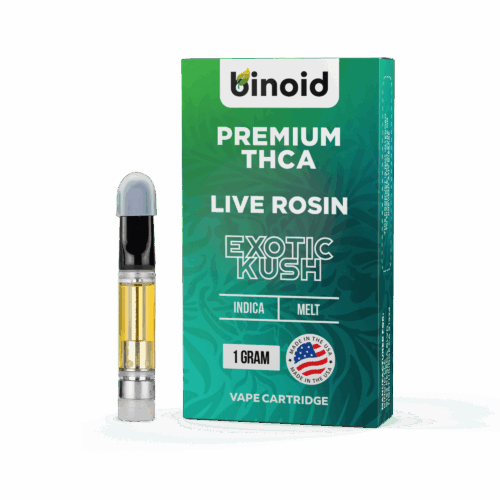
THCA Vape Cartridge – Live Rosin
$30.99$59.99 -
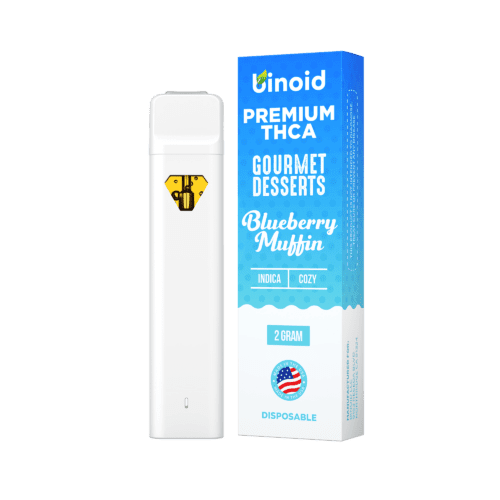
THCA Disposable 2 Gram – Gourmet Desserts
$37.99$73.00 -
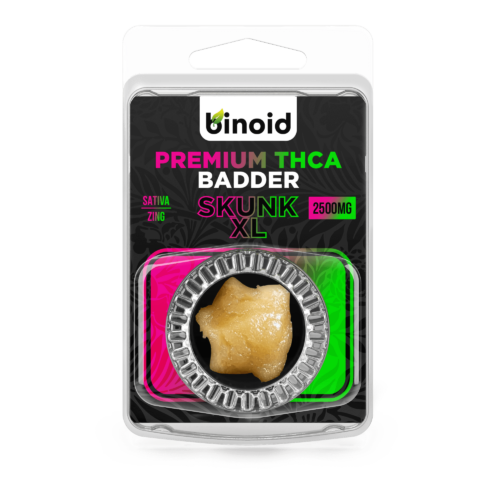
THCA Badder – 2500mg
$37.99$59.99 -
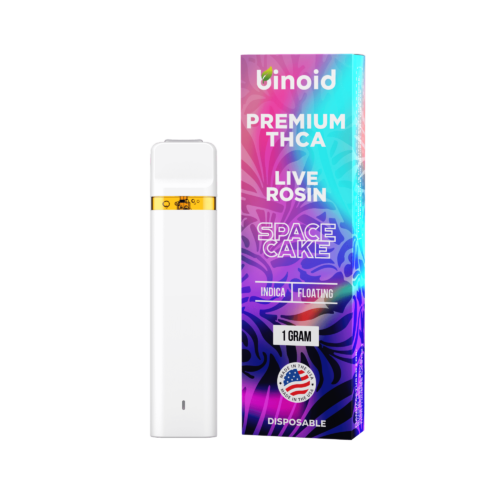
1 Gram THCA Disposable Vapes – Live Rosin
$32.99$67.99
Flavor, Aroma, and the Sensory Experience
One of the easiest ways to appreciate terpenes is through the senses. The moment cannabis is opened, ground, or heated, terpene molecules begin to release into the air, creating the distinct aromas that define each strain.
For many cannabis enthusiasts, aroma is the first indicator of quality. Fresh, terpene-rich cannabis tends to smell vibrant and layered, with noticeable complexity. Poorly stored or overly processed cannabis often smells muted or flat because terpenes have evaporated or degraded.
Flavor follows the same principle. Terpenes contribute to the taste that appears when cannabis is smoked, vaporized, or infused into products. Citrus, fruit, spice, earth, and gas-like notes all come from terpene combinations.
This sensory element is a major part of modern cannabis culture evolution. Instead of simply asking how strong a product is, consumers now ask questions like:
What does it smell like?
What terpenes dominate the profile?
How will those terpenes influence the experience?
These questions reflect a more mature and sophisticated cannabis community.
Terpenes in Hemp Derived Cannabinoids
The rise of hemp derived cannabinoids has dramatically expanded the cannabis marketplace. Products made from federally legal hemp can contain compounds like Delta-8 THC, Delta-9 THC within legal limits, THCA, and CBD.
In this rapidly evolving industry, terpenes are often used to recreate the flavor and experience of traditional cannabis strains. Many hemp products include botanical or cannabis-derived terpene blends that mimic the profiles of well-known varieties.
This allows consumers to enjoy familiar flavor and effect profiles even when the cannabinoid base differs from traditional cannabis.
Companies like Binoid CBD have leaned heavily into terpene science when developing products. By pairing cannabinoids with carefully selected terpene blends, brands can create products that feel closer to authentic strain experiences while maintaining compliance within the hemp marketplace.
Terpenes and THCA Products
THCA products represent another fascinating area of cannabis chemistry. THCA is the precursor compound to THC, meaning it converts into THC when heated through a process called decarboxylation.
Because THCA flower and concentrates are often designed to resemble traditional cannabis as closely as possible, terpene preservation becomes extremely important. The more intact the terpene profile, the closer the flavor and experience will feel to the original plant.
High-quality THCA products often prioritize careful cultivation, curing, and storage processes that protect terpene content. Excessive heat, light, and oxygen exposure can degrade terpenes over time, which is why proper packaging and freshness matter.
As consumer knowledge grows, terpene percentages and profiles are becoming an important factor when evaluating THCA products alongside cannabinoid levels.
How Terpenes Shape Different Types of Experiences
When people describe cannabis effects, they often use broad categories like “relaxing,” “energizing,” or “balanced.” Terpenes help explain why those categories exist.
A strain dominated by myrcene and linalool may feel deeply calming, making it better suited for nighttime use. In contrast, a strain rich in limonene and pinene may promote a more alert and uplifting experience.
This does not mean terpenes dictate effects with perfect precision. Everyone’s body chemistry is different, and cannabinoids still play a major role. However, terpene patterns often align with general experiences that many users recognize.
This understanding has helped consumers move beyond the outdated indica versus sativa debate. While those labels still exist in cannabis culture, terpene profiles often provide more meaningful information about how a product might feel.
The Science Is Still Evolving
Although terpene research has expanded significantly in recent years, scientists are still exploring exactly how these compounds interact with the human body and with cannabinoids.
Many terpene-related claims come from a combination of laboratory research, plant science, and consumer observation rather than definitive clinical trials. The cannabis industry is still relatively young in terms of modern scientific study.
However, the growing interest in terpenes reflects a broader shift toward understanding cannabis as a complex botanical system rather than a single active ingredient.
As research continues, we will likely discover even more about how terpene combinations influence mood, perception, and physical sensations.
Recommended products
-
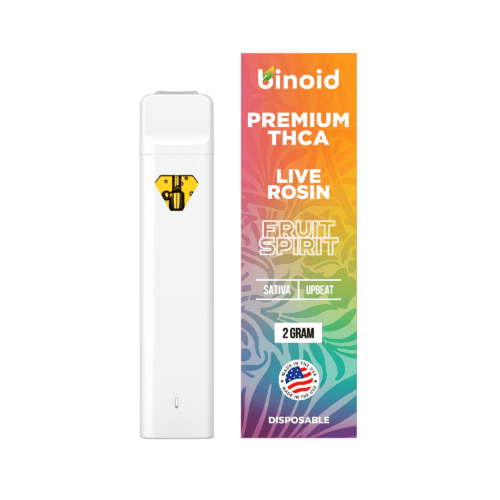
2 Gram THCA Disposable Vapes – Live Rosin
$39.99$73.00 -
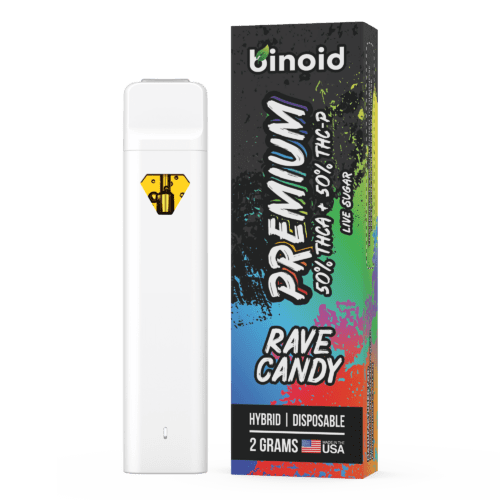
Live Sugar THCA + THC-P Disposable Vape – Pure 50/50
$39.99$69.99 -
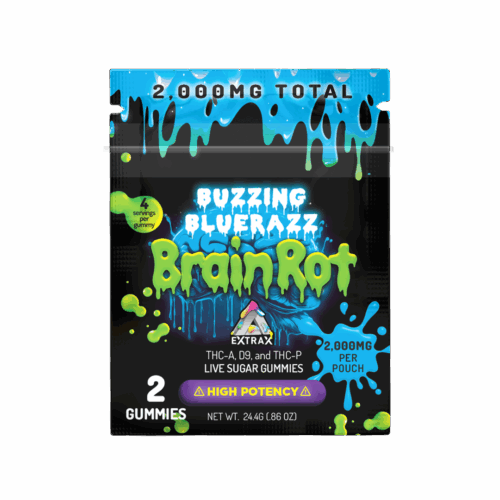
THCA Live Sugar 2 Pack Gummies – 2,000mg
$6.49$8.99 -
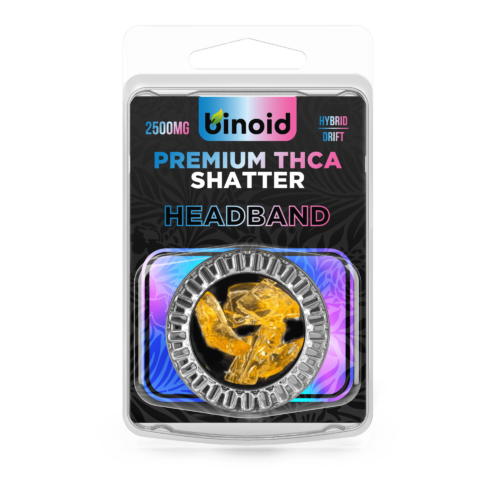
THCA Shatter – 2500mg
$37.99$59.99
Why Terpene Awareness Is Changing Cannabis Culture
One of the most interesting aspects of terpene education is how it is transforming the way people talk about cannabis.
In earlier eras, cannabis conversations were often limited to potency or legality. Today, discussions are increasingly focused on flavor, chemistry, plant genetics, and user experience.
This change reflects the broader cannabis culture evolution happening across legal and hemp markets. Consumers are becoming more informed, curious, and selective about the products they choose.
Terpenes play a major role in this transformation because they encourage exploration. Instead of chasing the highest THC percentage, users can experiment with different terpene profiles to discover what truly works best for them.
Brands like Binoid CBD and others operating in the hemp derived cannabinoids space are helping drive this change by highlighting terpene information and educating customers about how these compounds shape the overall cannabis experience.
Choosing Products Based on Terpene Profiles
For consumers interested in exploring terpene influence, the best starting point is paying attention to aroma and strain descriptions.
If you enjoy citrus-forward flavors and uplifting sensations, look for terpene profiles high in limonene. If you prefer earthy, calming strains for relaxation, myrcene-dominant products may be more appealing.
Many modern cannabis products now list terpene percentages or dominant terpenes directly on packaging. This transparency makes it easier than ever to experiment and discover personal preferences.
It also encourages a more thoughtful approach to cannabis consumption, where the experience is guided by chemistry rather than guesswork.
The Future of Terpenes in Cannabis
The future of cannabis is likely to involve even greater terpene awareness. As testing technology improves and research expands, terpene data will become more detailed and more widely available.
We may see terpene-based product categorization, personalized terpene recommendations, and even custom terpene blends designed to enhance specific experiences.
In the world of hemp derived cannabinoids and THCA products, terpene innovation will likely play a key role in bridging the gap between traditional cannabis and federally legal hemp alternatives.
Companies like Binoid CBD are already experimenting with terpene-rich formulations that deliver authentic flavor profiles and layered effects. As the industry evolves, terpene science will continue to shape how products are developed, marketed, and enjoyed.
Final Thoughts: The Hidden Architects of the Cannabis Experience
Terpenes are often described as the unsung heroes of cannabis, quietly shaping the experience from behind the scenes. While cannabinoids like THC and CBD may dominate headlines, terpenes provide the character, personality, and nuance that make each strain unique.
They influence aroma, flavor, and potentially the way cannabis interacts with the human body. They explain why two seemingly similar products can feel completely different. And they invite consumers to explore cannabis as a rich botanical system rather than a simple measure of potency.
As cannabis culture evolution continues and more people discover the diversity of hemp derived cannabinoids and THCA products, terpene awareness will only become more important.
For those willing to pay attention to the details, terpenes open the door to a deeper appreciation of cannabis. They remind us that the plant is not just powerful. It is complex, expressive, and endlessly fascinating.
And once you start noticing terpene profiles, you may find that the cannabis experience becomes more intentional, more flavorful, and far more interesting than you ever expected.
To Buy THCA Products Click Here
Recommended products
-
1 Gram THCA Disposable – Hash Rosin – Blazed
$31.99$67.99 -
2 Gram THCA Disposable – Hash Rosin – Blazed
$37.99$59.99 -
THCA Hash Rosin Dabs – 1000mg
$33.99$59.99 -
THCA Crumble – 2500mg
$37.99$59.99