
The language of cannabis has always outpaced the science. Long before researchers had sequenced the plant’s genome or mapped the receptor pathways through which its compounds operate, cultivators were already speaking in shorthand indica for the heavy, sedating stone; sativa for the cerebral, energizing lift; hybrid for everything in between.
That vocabulary embedded itself so deeply into dispensary culture, online communities, and casual conversation that it became, for most consumers, the primary framework through which they understood what a product would do to them. The problem, as molecular science has spent the better part of a decade quietly demonstrating, is that the framework was always more poetic than precise. And nowhere does that gap between myth and mechanism matter more than in the booming, boundary-pushing world of hemp derived cannabinoids.
This is not an article designed to make you feel foolish for using the old vocabulary. The indica/sativa/hybrid trifecta isn’t meaningless it’s just pointing at the wrong thing. Understanding why requires a brief but illuminating detour into plant biology, chemotype theory, and the surprisingly sophisticated molecular choreography that actually determines your experience. Once you have that foundation, everything about how to shop which formats to choose, which sourcing standards to trust, why a brand like Binoid CBD has built its product architecture the way it has snaps into focus with uncommon clarity.
To Buy Cannabinoid Products Click Here
Recommended products
-
Delta 8 THC Vape Cartridge
$26.99$39.99 -
Super 7 Gummies – Summer Slush Series
$37.99$49.99 -
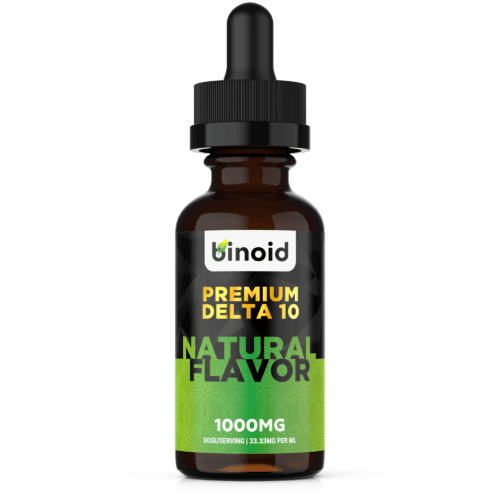
Delta 10 THC Tincture (1000mg, 2500mg, 5000mg)
$27.99$79.99 -
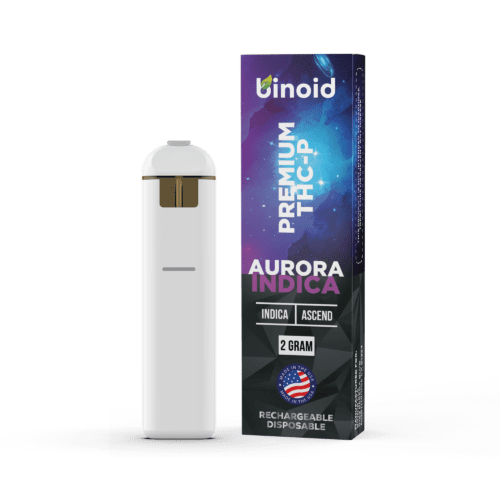
THC-P Rechargeable Disposable – 2 Gram
$31.00$59.99

The Taxonomy Was Never About You
The terms indica and sativa have botanical origins that predate modern recreational or wellness use by centuries. Jean-Baptiste Lamarck introduced Cannabis indica as a distinct species classification in 1785 to describe the shorter, broader-leafed plants he encountered from the Indian subcontinent, differentiating them from the taller, narrower European Cannabis sativa that had long been cultivated for fiber.
The hybrid designation came much later, emerging organically from the breeding culture of the 1970s and 80s, when cultivators began intentionally crossing landrace strains to chase specific growth characteristics yield, pest resistance, flowering time rather than any particular psychoactive profile. In other words, the original classifications were agronomic. They described how a plant grew, not how it made you feel. The experiential associations came later, constructed largely through anecdote and reinforced through repetition until they achieved the cultural weight of fact.
Modern genomic research has been quietly dismantling the clean species separation ever since. A landmark study published in PLOS ONE found that the genetic ancestry of plants labeled “sativa” frequently aligned more closely with what the industry calls “indica,” and vice versa. The visual morphology leaf shape, plant height, flowering behavior had been shaped by centuries of selective breeding and environmental adaptation, not by any underlying chemical blueprint that reliably predicted effect. What does predict effect, the science increasingly argues, is the chemotype: the complete cannabinoid and terpene profile of a given cultivar, measured through lab analysis rather than inferred from leaf width or geographic legend.
The Chemistry That Actually Drives the Experience
To understand indica vs sativa vs hybrid hemp through a molecular lens rather than a folk-taxonomy one, you need to appreciate two things: the endocannabinoid system and the entourage effect. The endocannabinoid system is a vast neuromodulatory network present in virtually every vertebrate organism, comprising receptors primarily CB1 and CB2 that respond to both the body’s own endogenous cannabinoids and the phytocannabinoids derived from hemp and cannabis plants. CB1 receptors are concentrated heavily in the central nervous system; CB2 receptors are more prevalent in peripheral tissues associated with immune function. Different cannabinoids bind to, activate, or modulate these receptors in meaningfully different ways, which is why hemp derived cannabinoids like Delta-8 THC, Delta 9 THC, HHC, THC-P, CBN, and CBD produce such varied experiential signatures despite all originating from the same plant family.
The entourage effect a term coined by researchers Raphael Mechoulam and Shimon Ben-Shabat in the late 1990s refers to the observed phenomenon whereby cannabinoids and terpenes appear to modulate each other’s effects synergistically. Terpenes, the aromatic compounds responsible for hemp’s extraordinary olfactory range, are not merely passive flavor agents. Myrcene, one of the most abundant terpenes in cannabis and hemp alike, has been associated with the kind of physically grounding, muscle-easing character long attributed to “indica” profiles.
Limonene and pinene, by contrast, trend toward more uplifting, clarity-adjacent experiences the qualities consumers have historically chased in “sativa” labeled products. Linalool carries a calming, almost lavender-adjacent quality that blends beautifully with certain cannabinoid combinations. This is where the old vocabulary finds its legitimate kernel of truth: the experiential archetypes associated with indica, sativa, and hybrid do exist they’re simply encoded in the terpene and cannabinoid chemistry, not in the plant’s morphology or its geographic ancestry.
Hemp’s Regulatory Landscape and What It Changes
The 2018 Farm Bill drew a consequential line in American law: hemp, defined as Cannabis sativa L. with a Delta-9 THC concentration at or below 0.3% on a dry weight basis, became federally legal to cultivate, process, and sell. That seemingly narrow statutory definition opened an extraordinary door. Chemists and formulators quickly recognized that the legal framework governed Delta-9 THC by dry weight a constraint that left considerable room for other hemp derived cannabinoids to flourish. Delta-8 THC, which occurs naturally in hemp in trace quantities but can be produced at scale through isomerization of CBD, emerged first. It was followed by a rapidly expanding roster of compounds: HHC (hexahydrocannabinol), THC-P (tetrahydrocannabiphorol), THCV, Delta-10, CBN, CBC, and sophisticated blends that combine multiple cannabinoids with precision-selected terpene profiles to architect specific experiential outcomes.
This regulatory landscape is what makes the indica/sativa/hybrid conversation so particularly interesting and so particularly important to get right in the hemp context. Because hemp-derived products are not operating under the same labeling infrastructure as state-licensed adult-use cannabis dispensaries, the burden of chemical specificity falls more heavily on the brands themselves. When a company calls a product “indica-leaning,” it is making a claim about that product’s terpene and cannabinoid architecture, one that should be substantiated by rigorous third-party testing, transparent certificates of analysis, and sourcing practices that prioritize consistency.
Not every brand in this space has risen to that standard. The proliferation of low-quality, inadequately tested products in the hemp market has made sourcing intelligence knowing who to buy from and why arguably the most important skill a consumer can develop. Which is precisely why the conversation about indica, sativa, and hybrid cannot be separated from the conversation about who is building these products and how.
Recommended products
-
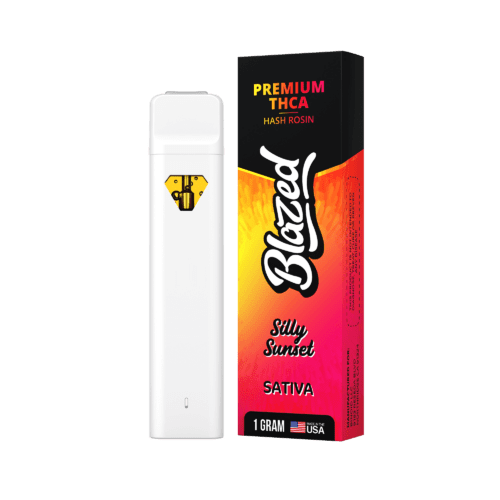
1 Gram THCA Disposable – Hash Rosin – Blazed
$31.99$67.99 -
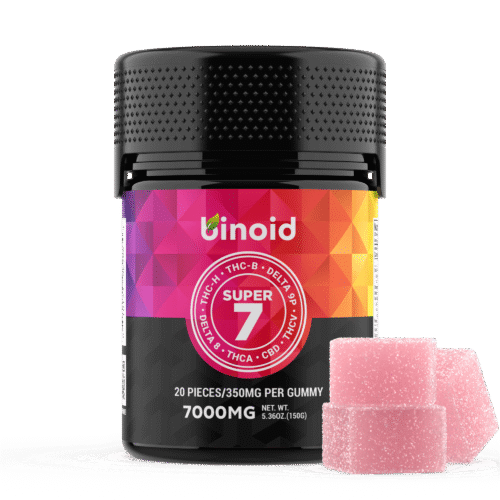
Super 7 Gummies – 7000MG
$39.97$59.99 -
Delta 8 THC Tincture (1000mg, 2500mg, 5000mg)
$25.99$44.99 -
2 Gram THCA Disposable Vapes – Live Rosin
$39.99$73.00
The Format Question: Hardware, Bioavailability, and the Art of the Right Delivery System
Understanding the chemistry is one thing. Translating it into a lived experience requires a second layer of decision-making that most guides gloss over entirely: how you consume a hemp-derived cannabinoid matters almost as much as which cannabinoid you choose. The delivery format determines onset time, duration, bioavailability the percentage of an active compound that actually reaches systemic circulation and the overall arc of the experience. It also determines how precisely a brand can express its chemotype intentions, because some formats preserve terpene integrity better than others, and some are simply more forgiving of low manufacturing standards. The four dominant formats in today’s hemp market disposables, cartridges, tinctures, and gummies each carry a distinct pharmacokinetic signature, and a sophisticated consumer learns to match format to intention the way a sommelier matches wine to a meal.
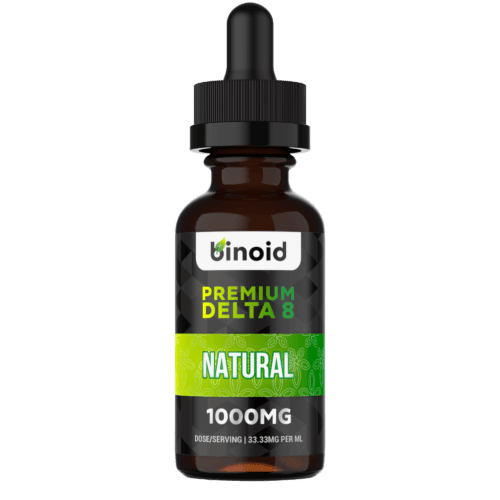
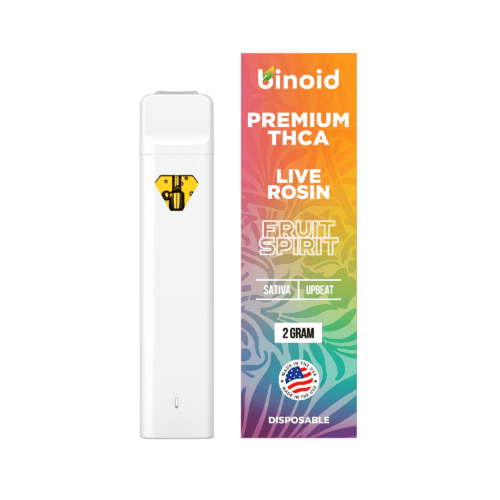
Disposables represent the most frictionless entry point into hemp-derived cannabinoid consumption, and in the hands of a quality manufacturer, they are far more than a convenience product. A well-engineered disposable the kind found across Binoid CBD’s curated hardware lineup integrates a precision-coil ceramic atomizer with a pre-filled reservoir of live resin or distillate-based oil, calibrated to deliver consistent vapor temperature and droplet size with each draw. Temperature consistency matters enormously in this context because terpenes are volatile aromatic compounds with relatively low boiling points; a device that runs too hot will combust the lighter terpene fractions before they reach your lungs, stripping away precisely the molecules responsible for the indica, sativa, or hybrid character the formulator intended.
Binoid’s disposable architecture is designed with this in mind, which is why their indica-leaning expressions typically built around myrcene-forward terpene blends paired with cannabinoids like Delta-8 or HHC land with a coherence and roundness that cheaper hardware simply cannot reproduce. Onset via inhalation is rapid, typically felt within minutes, making disposables the format of choice when immediacy and portability are the governing priorities.
Cartridges: The Audiophile’s Format
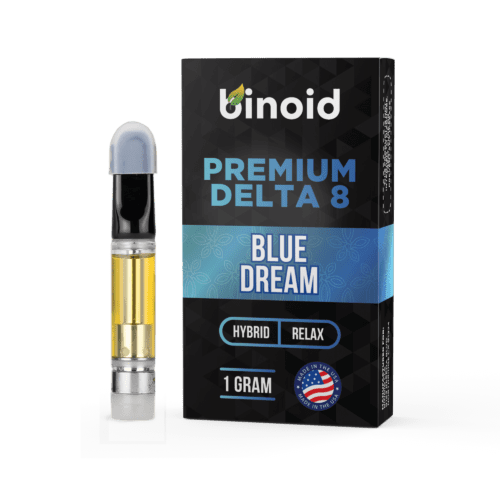
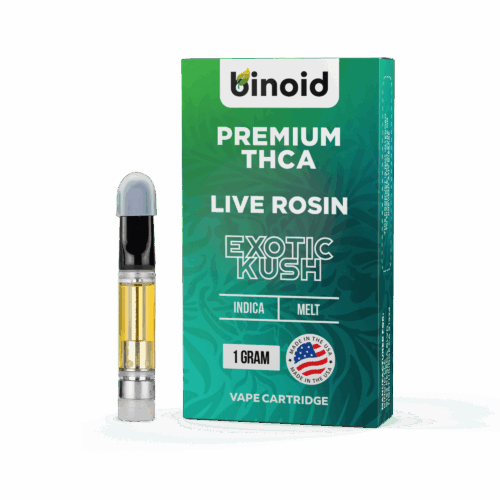
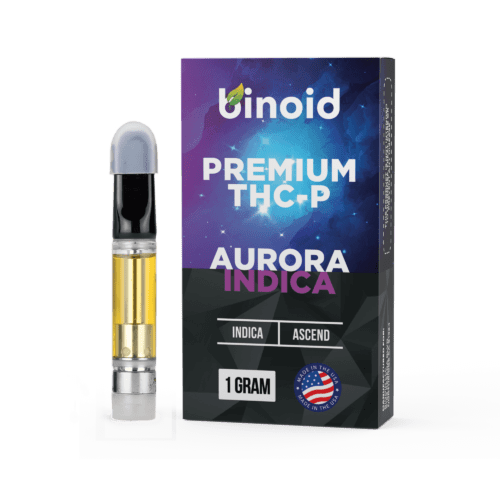
If disposables are the elegant ready-to-wear of the hemp world, cartridges are bespoke tailoring the format favored by those who already own quality hardware and want maximum flexibility over their experience. A 510-threaded cartridge, compatible with the vast ecosystem of variable-voltage batteries available in the market, gives the consumer direct control over vaporization temperature, which translates to direct control over which terpene fractions are expressed in any given session. At lower voltage settings typically in the 2.4 to 2.8 volt range lighter monoterpenes like limonene and pinene volatilize preferentially, lending the experience a brighter, more sativa-adjacent character even from a hybrid formulation.
Dial the voltage higher and the heavier sesquiterpenes, myrcene chief among them, come forward, shifting the profile toward something earthier, more physically present, and decidedly indica in its register. This is not incidental engineering it is a feature, and it is one that Binoidcbd.com exploits deliberately across its cartridge range, which includes Delta-8, Delta-9, HHC, THC-P, and an impressive suite of proprietary blends that combine multiple hemp derived cannabinoids for layered, sophisticated effect profiles.
The sourcing integrity of the oil inside the cartridge is where the quality conversation becomes non-negotiable. The hemp-derived cannabinoid market has no shortage of operators filling carts with inadequately tested distillate, using residual solvents as cutting agents, or sourcing from farms with inconsistent agricultural practices that introduce pesticide residues and heavy metals into the supply chain.
Binoid CBD‘s approach to this problem is structural rather than cosmetic: every batch of oil is sourced from American-grown hemp cultivated under rigorous agricultural standards, processed through pharmaceutical-grade extraction and isomerization protocols, and verified through independent third-party laboratory analysis before it enters any product format. The certificates of analysis are not buried in a footer link they are presented as a core element of the product experience, because a brand confident in its chemistry has no reason to obscure it.
Tinctures: The Long Game
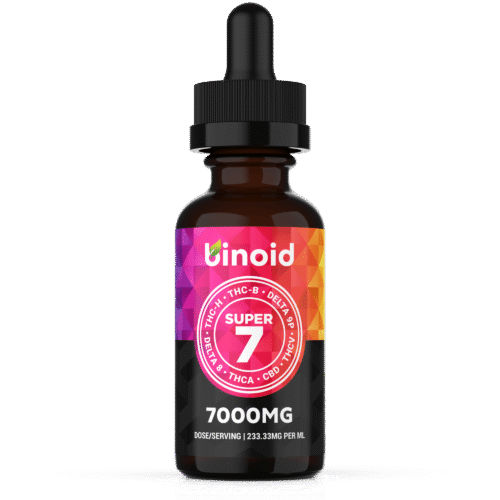
Tinctures occupy a different temporal register entirely, and that difference is not merely logistical it is experiential in ways that matter deeply when you are trying to understand how indica, sativa, and hybrid hemp profiles actually express themselves across time. When a cannabinoid-infused oil is held sublingually beneath the tongue, against the mucous membranes rich in capillary networks a meaningful portion of the active compounds bypasses the digestive system and enters circulation relatively directly, producing onset times in the fifteen-to-forty-five-minute range with a duration that extends comfortably into the two-to-four-hour window.
When swallowed, the oil travels through the gastrointestinal tract and is metabolized hepatically, a process that extends onset to sixty minutes or beyond but also converts certain cannabinoids most famously, Delta-9 THC metabolizes into 11-hydroxy-THC in the liver into forms that interact with the endocannabinoid system with heightened intensity and extended duration.
For indica-leaning tincture formulations, this metabolic depth is part of the appeal. A Binoid CBD tincture built around CBN cannabinol, a mildly psychoactive cannabinoid that forms naturally as THC oxidizes, associated experientially with the kind of heavy, twilight-register character that old-school indica devotees will immediately recognize delivers its character with a gradual, enveloping quality that inhalation formats simply cannot replicate.
Sativa-adjacent tinctures, typically leaning on CBD, CBC, and lighter terpene additions like limonene, produce a different temporal arc: clearer, more mentally present, with an elevation that feels less like a state change and more like a gentle upward adjustment of baseline. The tincture format rewards patience and intentionality, and Binoid’s lineup available in a range of cannabinoid concentrations and clearly delineated experiential profiles is built for the consumer who approaches their hemp use as a practice rather than an impulse.
Recommended products
-
14,000MG Turbo THC Gummies – Blazed
$49.99$84.99 -
Super 7 Tincture – 7000mg
$39.99$59.99 -
THCA Vape Cartridge – Live Rosin
$30.99$59.99 -
THC-P Vape Cartridge
$29.99$59.99
Gummies and the Edible Architecture of Experience
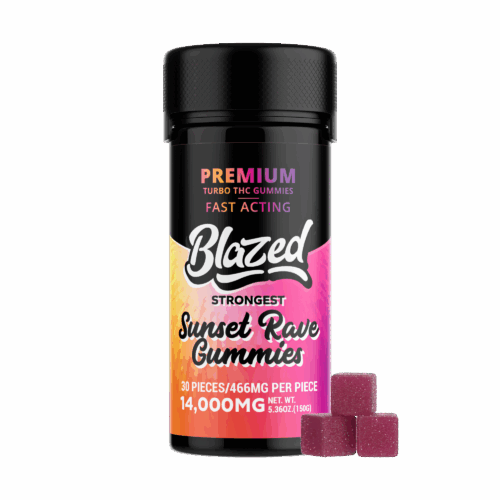
Gummies are where the intersection of food science, cannabinoid chemistry, and consumer psychology becomes genuinely fascinating, and where the indica/sativa/hybrid framing gets its most interesting workout. The edible format is, by its nature, the most delayed and the most democratized it requires no hardware, no sublingual technique, no prior knowledge of voltage curves or terpene boiling points. You eat a gummy, you wait, you notice. But that apparent simplicity masks a remarkably complex pharmacokinetic story. Edible cannabinoids are subject to first-pass hepatic metabolism, meaning they are processed by the liver before entering systemic circulation, and this processing window introduces both variability individual metabolic rates differ significantly and transformation, particularly in the case of THC-adjacent compounds that convert into more potent metabolite forms during digestion.
Binoid CBD’s gummy formulations are notable precisely because they do not treat this complexity as a problem to be minimized but as a design parameter to be worked with. Their indica-profile gummies are built with cannabinoid combinations that account for the delayed onset curve heavier, slower-acting compounds like Delta-8, HHC, or CBN are paired with complementary terpene additions and dosed to deliver their characteristic grounding, evening-register experience at the far end of the absorption window rather than front-loading an intensity that dissipates before the experience finds its character.
Hybrid gummies, by contrast, are formulated with a more dynamic cannabinoid stack, often combining a CBD or Delta-8 foundation with something like THC-V a cannabinoid associated with a more focused, energetically present quality to produce the kind of balanced experience that the hybrid designation was always meant to suggest but rarely delivered when that designation was based on morphology rather than molecular intention.
Sourcing Integrity: Why the Brand Behind the Product Is the Product
There is a version of this conversation that stays purely abstract chemistry, pharmacokinetics, terpene profiles and never arrives at the practical question every consumer eventually faces: where do I actually buy this, and how do I know it’s what it claims to be? In a market as young and as under-regulated as hemp-derived cannabinoids, that question is not a footnote. It is the central variable. The difference between a sophisticated, genuinely effective hemp experience and a disappointing or even concerning one is almost always a sourcing question. And sourcing, in this context, encompasses the entire chain: the agricultural practices of the hemp farm, the extraction methodology of the processor, the formulation philosophy of the brand, and the transparency with which all of it is communicated to the consumer.
Binoid CBD has built its reputation on exactly this kind of end-to-end integrity, and it shows in how the brand structures its product line and its customer education. Every product available through Binoidcbd.com whether you are shopping disposables, cartridges, tinctures, or gummies carries a transparent certificate of analysis from an accredited third-party laboratory, detailing cannabinoid potency, terpene content where applicable, and the absence of residual solvents, heavy metals, and pesticides.
That level of documentation is not universal in this market. It should be, but it is not, and the gap between brands that provide it and brands that do not is a reliable proxy for the gap in overall quality. Binoid’s sourcing philosophy also extends to the specific hemp cultivars selected for different product profiles choosing chemotypes whose natural terpene expressions align with the experiential intentions of indica, sativa, and hybrid designations rather than simply slapping those labels onto whatever distillate happens to be available.
The Verdict: Old Words, New Science, Smarter Shopping
The indica/sativa/hybrid vocabulary is not going away, nor should it. It functions as a useful first-pass shorthand in a market where consumers need navigational tools, and a brand like Binoid CBD uses it responsibly as a starting point for a deeper conversation about chemotype, terpene profile, and cannabinoid stack rather than as a substitute for that conversation. The sophisticated consumer’s relationship with these terms should be similar to a knowledgeable wine drinker’s relationship with regional appellations: useful orientation, not definitive prescription. Knowing that you tend to prefer indica-leaning profiles tells you something meaningful about your endocannabinoid system, your lifestyle rhythms, and the kind of experience you are chasing it just tells you nothing reliable about which specific plant a product came from, and it never really did.
What the science gives you, when you are willing to engage with it, is something considerably more powerful than a three-category menu: it gives you a framework for reading a product’s actual molecular architecture and predicting, with meaningful accuracy, how it is likely to interact with your particular biology. The hemp derived cannabinoids available through Binoid CBD‘s catalog spanning Delta-8, Delta-9, HHC, THC-P, CBN, CBD, and sophisticated proprietary blends represent a genuinely new frontier in that science, one where the experiential archetypes that consumers have always sought through indica, sativa, and hybrid are finally being delivered with the precision and consistency they always deserved. The taxonomy was always pointing at something real. The industry has finally built the tools to actually get you there.
To Buy Cannabinoid Products Click Here
Recommended products
-
13,000mg Good Luck Gummies
$47.99$79.99 -
7 Gram THCA + High THC-P Disposable Vape – Limited Series
$67.99$109.99 -
5 Gram Disposable – Blazed
$51.99$79.99 -
Slush Series 7 Gram THCA Disposable Vape – Grape Slush
$79.99$109.99