The Potency Question, Reframed for a Sophisticated Audience
There is a particular kind of consumer who has moved past the entry-level cannabis conversation past the questions about whether something will “work” and into the more nuanced territory of how it works, why certain products hit with a different magnitude entirely, and what the underlying science actually looks like when you strip away the marketing language. If you’re reading a feature about the strongest THC products online, there’s a reasonable chance you belong to that cohort. You’ve done the introductory coursework. Now you want the graduate seminar. This is that.
The potency conversation in the hemp derived cannabinoids space has become genuinely complex in ways that the broader culture hasn’t fully caught up to yet. For most of cannabis’s modern history, potency was a single-variable discussion: how much delta-9 THC does this product contain, expressed as a percentage of total mass? That metric still matters, but it now represents only one axis in a multidimensional potency landscape.
The rise of Binoid CBD and the broader market of sophisticated hemp-derived cannabinoid products has introduced a taxonomy of molecules each with its own receptor pharmacology, its own metabolic fingerprint, and its own experiential signature that renders the old percentage-based framework almost quaint. Strongest THC products online today aren’t just about volume of cannabinoid content. They’re about which cannabinoids, how they’re delivered, and what they do at the receptor level that makes some products feel categorically more powerful than others at a fraction of the nominal dosage.
This feature is built to answer that question with the rigor it deserves. We’re going to open with the molecular architecture because the science here is not only fascinating but genuinely essential context for understanding why certain products from operations like Binoidcbd.com occupy a different tier of potency than anything the legacy market produced. Then we’ll move through the delivery format landscape, examining how disposables, cartridges, tinctures, and gummies each interact with cannabinoid potency in ways that are specific to the format. And we’ll close with a sourcing argument that isn’t about brand loyalty it’s about the functional relationship between manufacturing integrity and the reliability of a potent experience.
TO BUY THC PRODUCTS CLICK HERE
Recommended products
-
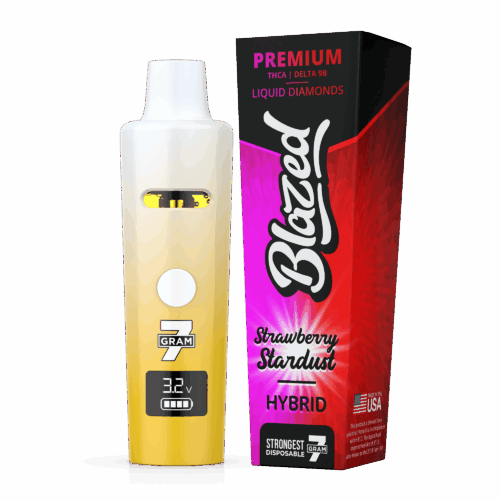
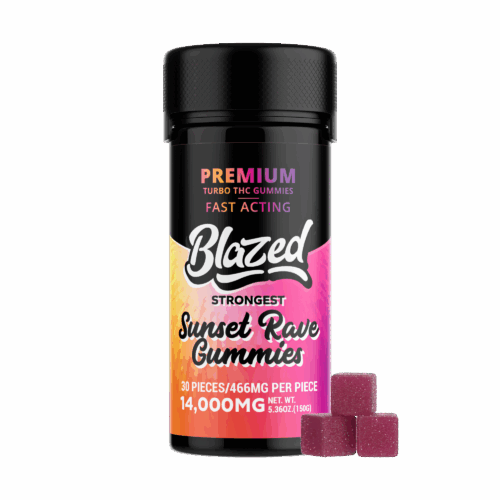
14,000MG Turbo THC Gummies – Blazed
$49.99$84.99 -
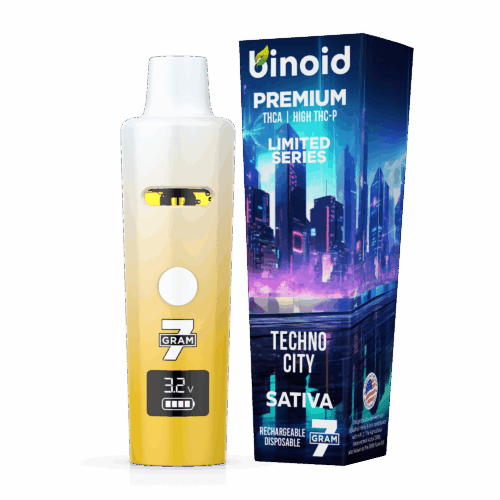
7 Gram THCA + High THC-P Disposable Vape – Limited Series
$67.99$109.99 -
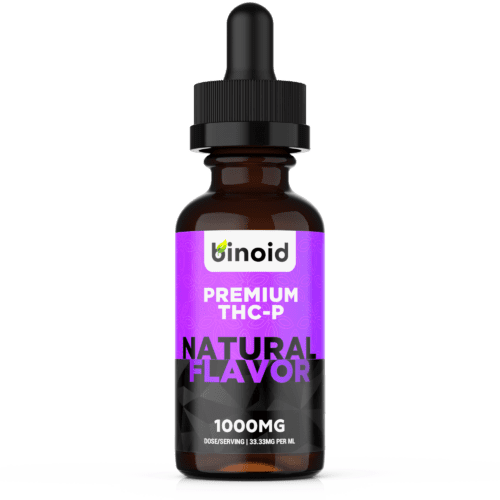
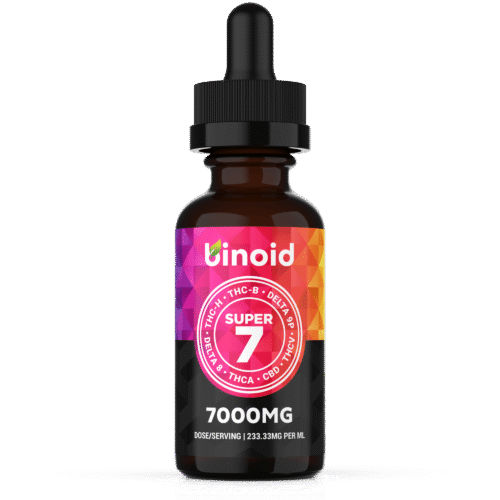
Super 7 Tincture – 7000mg
$39.99$59.99 -
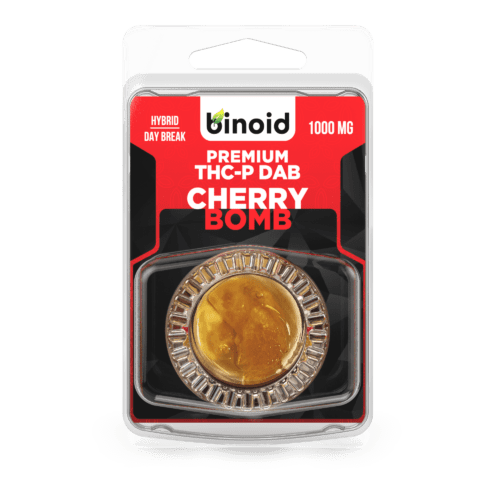
THC-P Wax Dabs
$29.99$57.99
Receptor Affinity: The Molecular Basis of “Strong”
To understand what makes the strongest hemp derived cannabinoids so potent, you have to spend a moment at the level of the receptor. The primary target of psychoactive cannabinoids in the human body is the CB1 receptor a G protein-coupled receptor distributed densely throughout the central nervous system, particularly in regions associated with mood, memory, coordination, and the subjective experience of time. When a cannabinoid molecule binds to CB1, it initiates a cascade of downstream signaling events that produce the characteristic effects associated with cannabis intoxication. But not all cannabinoid-CB1 interactions are created equal, and the concept of binding affinity essentially, how strongly and persistently a molecule grips the receptor is the first and most important variable in the potency equation.
Delta-9 THC, the canonical psychoactive cannabinoid, has a well-characterized CB1 binding affinity that has served as the baseline reference point for decades of research. What the newer generation of hemp derived cannabinoids has revealed is that delta-9’s affinity, while significant, is not the ceiling. THC-P tetrahydrocannabiphorol is the compound that most dramatically illustrated this point when researchers first characterized it. THC-P features an elongated seven-carbon alkyl side chain, compared to the five-carbon chain of conventional delta-9. That structural difference, seemingly minor in isolation, produces a CB1 binding affinity estimated at 30 to 33 times that of delta-9 THC.
The implications of that number are not subtle. A product containing even a modest concentration of THC-P can produce effects that overwhelm what a far higher nominal dose of standard delta-9 would generate, simply because the molecule occupies and activates the CB1 receptor with dramatically greater efficiency. This is why THC-P formulations anchor much of the Strongest THC Collection available at Binoidcbd.com not because the products are recklessly dosed, but because the molecule itself operates in a different potency class.
THC-H tetrahydrocannabihexol represents another point on this curve. With a six-carbon side chain, it occupies a structural position between conventional delta-9 and THC-P, and its binding affinity reflects that intermediate position: meaningfully stronger than delta-9, somewhat less aggressive in its receptor saturation than THC-P. What THC-H offers in the potency conversation is not just raw CB1 affinity but a particular quality of effect a more physically pronounced, body-forward experience that complements the more cerebrally intense character of THC-P in blended formulations. When Binoid CBD combines these compounds in deliberate ratios, as they do across multiple products in their Strongest THC Collection, the result is a cannabinoid profile that addresses the CB1 receptor from multiple molecular angles simultaneously, producing an experiential depth that no single-molecule product can replicate.
The Regulatory and Sourcing Landscape That Made This Possible
The existence of a commercially viable market for these extraordinarily potent hemp derived cannabinoids is inseparable from the regulatory architecture created by the 2018 Farm Bill, which federally legalized hemp and hemp-derived compounds containing less than 0.3% delta-9 THC by dry weight. This legislation, intended primarily to rehabilitate the industrial hemp industry, had a secondary consequence that its authors likely did not fully anticipate: it created a legal pathway for the extraction, synthesis, and sale of a broad spectrum of hemp-derived cannabinoids that fell outside the narrow definitional scope of the Controlled Substances Act. Delta-8 THC, delta-10 THC, THC-P, THC-H, HHC, and a growing catalogue of additional compounds became commercially accessible in a way they had never been, triggering an explosion of product development that has produced both remarkable innovation and, in portions of the market, a troubling absence of quality standards.
Understanding this regulatory context matters for consumers pursuing the strongest THC products online for a specific reason: the same legal framework that enables access to these extraordinary molecules also creates the conditions under which bad actors can operate with minimal accountability. A molecule like THC-P, with its exceptional receptor affinity, demands manufacturing precision and rigorous third-party testing in a way that lower-potency products simply don’t because the margin between a well-calibrated dose and an overwhelming one is considerably narrower.
The regulatory patchwork across states adds additional complexity, with some jurisdictions having moved to restrict or regulate hemp-derived cannabinoids in ways that vary significantly from their neighbors. Consumers navigating the market for genuinely potent products are therefore operating in a landscape where sourcing discipline isn’t merely a quality preference it is a functional safety consideration in a market that has not yet achieved uniform standards.
This is precisely the context in which the Binoid CBD approach to product development anchored in third-party laboratory verification, transparent certificate-of-analysis documentation, and formulation precision represents something more than a competitive differentiator. It represents the responsible operationalization of access to molecules that are powerful enough to require that level of care. The Strongest THC Collection at Binoidcbd.com exists within this framework, offering consumers a curated access point to the most potent hemp derived cannabinoids currently available, built on a manufacturing and testing infrastructure that makes reliable, reproducible potency actually achievable.
Recommended products
-
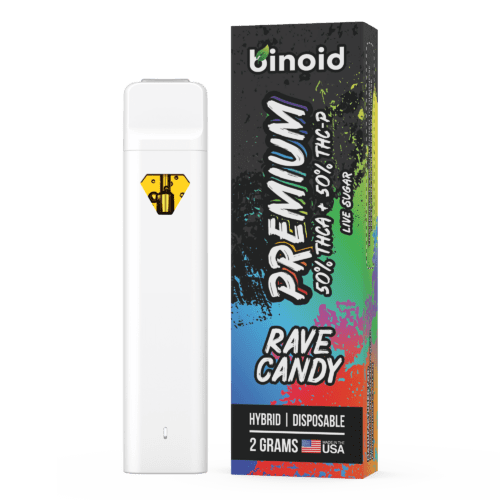
Live Sugar THCA + THC-P Disposable Vape – Pure 50/50
$39.99$69.99 -
13,000mg Good Luck Gummies
$47.99$79.99 -
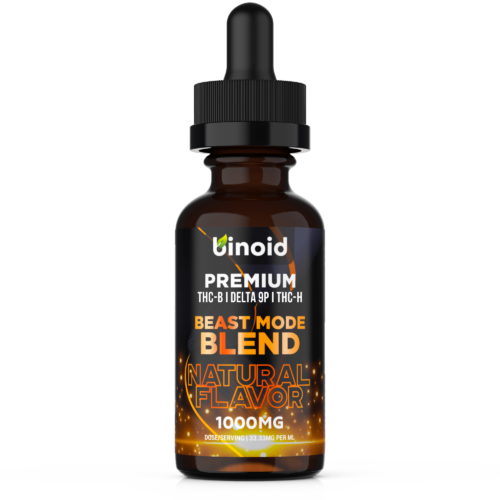
Beast Mode Blend Tincture – 1000mg
$34.99$59.99 -
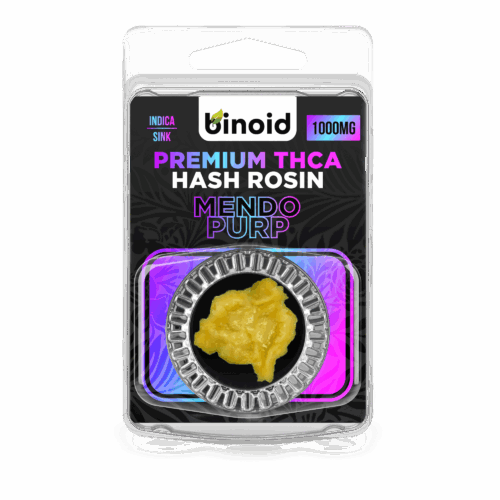
THCA Hash Rosin Dabs – 1000mg
$33.99$59.99

Hardware Meets Molecule: Why Delivery Format Is a Potency Variable
The potency of any cannabinoid product is not a fixed property of the molecule alone it is a function of the molecule in relationship with its delivery architecture. The same cannabinoid compound, encountered through a disposable vaporizer, a cartridge, a tincture, or a gummy, will produce meaningfully different onset timelines, peak intensity profiles, and duration curves. These differences aren’t incidental; they’re the product of fundamental pharmacokinetic distinctions between delivery routes, and understanding them is essential for any consumer serious about navigating the strongest THC products online with genuine intelligence.
Inhalation the route employed by both disposables and cartridges offers the fastest onset of any delivery format because it bypasses the GI tract and hepatic first-pass metabolism entirely. Vaporized cannabinoids are absorbed directly across the pulmonary epithelium and enter systemic circulation within minutes, reaching the brain rapidly enough that effects are typically perceptible within two to ten minutes of consumption.
This speed has a direct bearing on the potency experience: the abruptness of onset concentrates the subjective impact, delivering the full force of the cannabinoid profile before the consumer has much opportunity to acclimate. For high-potency molecules like THC-P, this onset speed demands respect and intentionality. A disposable device loaded with a THC-P-forward blend will announce itself quickly and emphatically, which is precisely why the calibration of the blend the decision about what concentration of THC-P to combine with which complementary cannabinoids is so consequential in the design of these products.
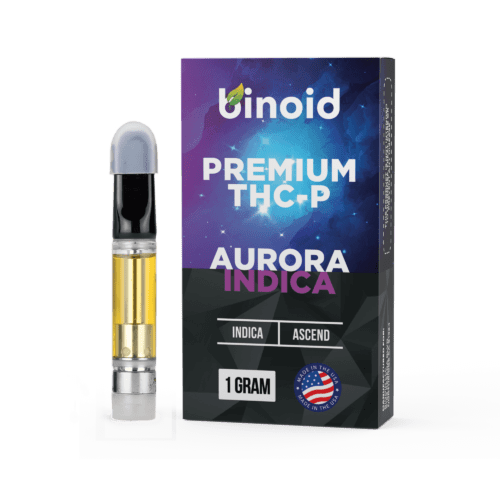
Cartridges operate on the same inhalation pharmacokinetics as disposables but offer a degree of flexibility and customization that the integrated format doesn’t. A consumer who maintains a dedicated 510-thread battery can move between cannabinoid profiles a more stimulating blend for one occasion, a more sedating one for another by simply swapping cartridges, without committing to a single profile for the life of a device. For enthusiasts building a deliberate relationship with high-potency cannabinoids, this modularity is a meaningful advantage, and Binoidcbd.com has built out a cartridge catalog that spans the full potency spectrum, from approachable delta-8 formulations to THC-P-enhanced blends that occupy the far end of the available intensity range.
Tinctures and the Underestimated Art of Sublingual Delivery
There is a delivery format in the hemp derived cannabinoids space that doesn’t generate the same cultural momentum as a sleek disposable or the architectural elegance of a well-engineered cartridge, but which arguably offers the most sophisticated relationship between potency and control available to the serious consumer. Tinctures cannabinoid-infused oil preparations administered sublingually, held beneath the tongue for absorption through the mucosal membrane occupy a pharmacokinetic middle ground that makes them uniquely valuable in the high-potency conversation, and their underappreciation in mainstream cannabis discourse says more about the aesthetics of the market than about their actual performance.
The sublingual route works because the tissue beneath the tongue is richly vascularized, threaded with capillaries close enough to the surface that lipophilic cannabinoid molecules can diffuse directly into the bloodstream without the extended delay of GI absorption or the pulmonary commitment of inhalation. When a high-potency tincture from Binoidcbd.com is held sublingually for 60 to 90 seconds before swallowing, a meaningful portion of the cannabinoid content enters circulation within 15 to 45 minutes considerably faster than a gummy, considerably more measured than a disposable.
What arrives is not the sharp, concentrated wave of an inhaled dose, but a progressive, building effect that crests more gradually and, for many consumers, feels more navigable precisely because the onset gives them time to establish their orientation before the full profile arrives. For the strongest THC products online particularly those built around high-affinity molecules like THC-P this gentler onset architecture can transform the experience from something that requires significant prior familiarity into something that can be approached with considerably more confidence.
The potency argument for tinctures is also a bioavailability argument. Premium formulations from Binoid CBD are built with MCT oil or other lipid carriers that maximize the solubility and absorption efficiency of the cannabinoid payload. Unlike a crystalline distillate simply suspended in a neutral oil, a well-engineered tincture ensures that the cannabinoids are presented to the sublingual mucosa in a form optimized for membrane permeation. Some formulations incorporate nanoemulsion technology, reducing cannabinoid particle size to a scale that dramatically improves water dispersibility and, consequently, absorption efficiency. The practical result is a product where the milligram count on the label translates into actual systemic exposure with a reliability and consistency that less sophisticated formulations cannot match a consideration of real significance when those milligrams consist of compounds with the receptor affinity of THC-P or THC-H.
Gummies and the Slow Architecture of Maximum Potency
If tinctures are the format of the sophisticated navigator, gummies are the format of the patient architect the consumer who is building an experience with a longer time horizon and a different relationship to the onset curve. The gummies format interacts with high-potency hemp derived cannabinoids in ways that are distinct enough from inhalation and sublingual delivery to warrant their own potency framework, and understanding those distinctions is essential for anyone approaching the Strongest THC Collection at Binoidcbd.com through the edible route.
The foundational pharmacokinetic reality of gummies the hepatic first-pass metabolism that converts delta-9 THC into the more potent 11-hydroxy-THC metabolite takes on additional significance when the cannabinoid payload includes compounds like THC-P. The metabolic fate of THC-P specifically is an area where the research is still developing, but the consumer-reported experience of THC-P gummies consistently points toward a duration and intensity profile that exceeds what equivalent milligram doses of delta-9 would produce, suggesting that the metabolic processing of this high-affinity molecule generates active metabolites with their own substantial receptor engagement.
This is not a dynamic to approach casually. The combination of delayed onset, hepatic metabolite amplification, and the exceptional CB1 affinity of the parent molecule means that a THC-P gummy formulation is among the most potent experiences available in the current market, and the gap between a well-calibrated dose and an overwhelming one is narrow enough to demand the kind of manufacturing precision that separates Binoid CBD from the less rigorous corners of the industry.
The formulation architecture of premium gummies also represents a genuine engineering discipline in the context of high-potency products. The challenge of distributing a highly potent cannabinoid payload particularly a blend incorporating THC-P evenly across an entire batch of gummies is more technically demanding than it sounds. Cannabinoid distillates must be thoroughly homogenized into the confectionery matrix during manufacturing, because inconsistent distribution produces individual units with wildly variable potency, which is precisely the kind of dose uncertainty that makes high-affinity molecules genuinely risky.
The Binoidcbd.com manufacturing standard addresses this through rigorous blending protocols and batch-level third-party testing that verifies not just the total cannabinoid content but the consistency of distribution across the product run. This is the infrastructure that makes the milligram count on a Binoid CBD gummy a meaningful number rather than a nominal one.
The Strongest THC Collection: A Taxonomy of Intensity
The Strongest THC Collection at Binoidcbd.com represents the current commercial apex of what responsible high-potency cannabinoid product development looks like, and it’s worth examining the collection as a coherent curatorial statement rather than simply a product catalog. What Binoid CBD has assembled is a portfolio that spans the full range of delivery formats disposables, cartridges, tinctures, and gummies unified by a commitment to cannabinoid profiles that operate in the upper registers of currently available potency, built on formulation and testing standards that make that potency reliably accessible.
The inhalation products in the collection encompassing both disposables and cartridges are anchored by cannabinoid blends that combine the high-affinity potency of THC-P with complementary molecules chosen to shape the experiential profile rather than simply maximize raw intensity. The inclusion of delta-8 in certain blends, for instance, is a deliberate formulation choice: delta-8’s lower CB1 affinity and characteristically grounded, physically oriented effect profile serves as a moderating counterpoint to THC-P’s more cerebrally aggressive character, producing a combined experience that is both highly potent and experientially coherent intense without being destabilizing. The disposable format in particular reflects a hardware investment that matches the quality of the cannabinoid payload, with ceramic heating elements and precision-calibrated airflow that ensure consistent vaporization temperature and, consequently, consistent cannabinoid delivery per draw.
The tincture offerings in the Strongest THC Collection embody the philosophy that maximum potency is not synonymous with maximum chaos. These are products designed for consumers who want the full amplitude of what high-affinity hemp derived cannabinoids can offer, delivered through a format that allows for measured self-titration and a more modulated onset experience. The MCT oil base and concentrated cannabinoid payload of these formulations mean that even a modest volume a fraction of a dropper delivers a cannabinoid dose that registers with genuine authority, and the sublingual administration route provides an onset window spacious enough for the experienced consumer to assess their response before deciding on additional dosing.
The gummies in the collection complete the format picture with their characteristic long-arc potency profile. Available in formulations that incorporate THC-P, THC-H, and strategically blended combinations of multiple high-affinity cannabinoids, these are products that reward patience and punish impulsiveness in equal measure. Consumed with appropriate respect for the onset delay and with confidence in the dose accuracy that Binoid CBD’s manufacturing standards provide they deliver a sustained, immersive potency experience that no inhalation product can match on the dimension of sheer duration.
Recommended products
-
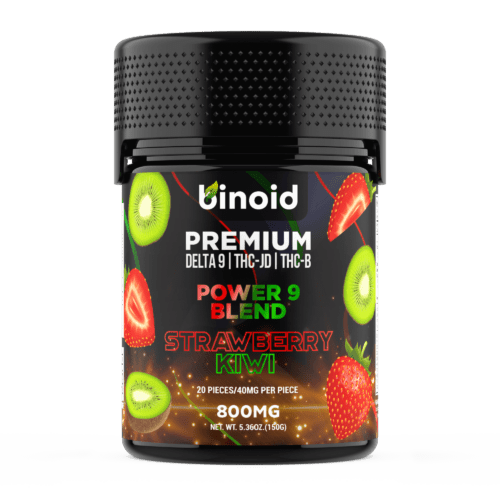
Power 9 Blend Gummies
$36.99$59.99 -
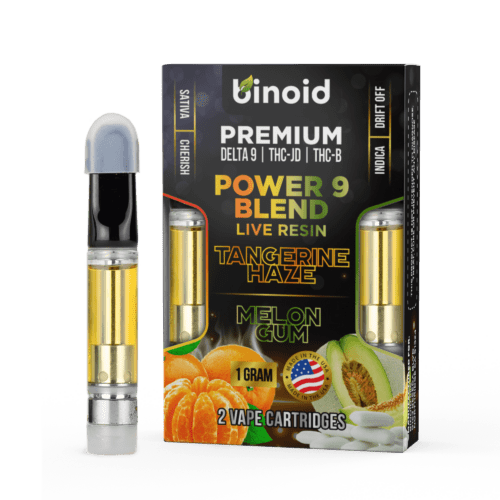
Power 9 Blend Live Resin Cartridge – 2 Pack Combo (Limited Time Sale)
$40.99$89.99 -
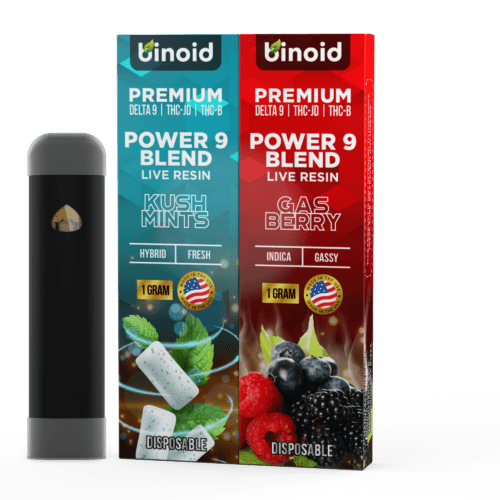
Power 9 Blend Live Resin Disposable – 2 Pack Combo (Limited Time Sale)
$44.99$89.99 -
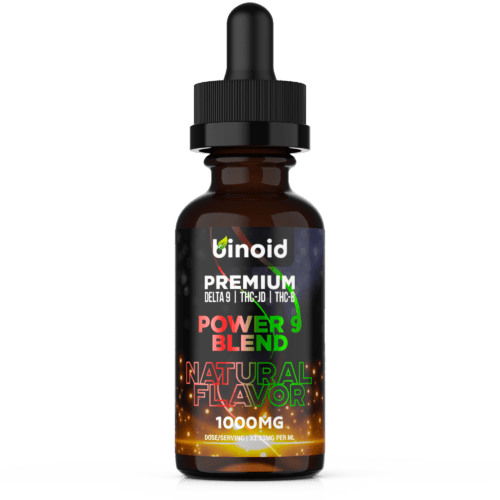
Power 9 Blend Tincture – 1000mg
$34.99$59.99
Sourcing Integrity as a Non-Negotiable at the Potency Frontier
The argument for sourcing discipline becomes both simpler and more urgent at the high end of the potency spectrum. With conventional cannabinoid products, a degree of dose imprecision is an inconvenience. With the strongest THC products online particularly those incorporating molecules like THC-P with their exceptional CB1 binding affinity dose imprecision is a different category of problem entirely. A 20% variance in cannabinoid content might be barely perceptible in a low-potency delta-8 gummy; in a THC-P-forward formulation, the same proportional variance can mean the difference between a well-managed, pleasurable experience and one that significantly exceeds the consumer’s intended parameters.
This is why the third-party testing infrastructure at Binoidcbd.com is not merely a marketing credential but a functional component of the product’s value proposition. Every item in the Strongest THC Collection is accompanied by a certificate of analysis generated by an independent laboratory, documenting the cannabinoid potency profile, confirming the absence of residual solvents and heavy metals, and verifying that delta-9 THC content falls within federally compliant limits. These documents are publicly accessible on the Binoid CBD website not buried in a support portal but presented as a standard feature of the product information architecture, reflecting an organizational posture that treats consumer access to verification data as a baseline expectation rather than an exceptional service.
The breadth and coherence of the Binoidcbd.com catalog also serves a sourcing function that extends beyond individual product quality. A consumer building a serious, intentional relationship with high-potency hemp derived cannabinoids benefits enormously from a single-source portfolio that spans multiple delivery formats, because it allows for consistent cannabinoid profiles across different consumption occasions without the compounding variable of source-to-source quality differences. The consumer who relies on Binoid CBD for both their THC-P cartridges and their high-potency gummies is working with a consistent quality baseline across both formats, which makes the project of understanding their own response to these molecules considerably more tractable than if they were sourcing each format from a different vendor with different testing standards and formulation philosophies.
The Final Verdict on Potency, Pursued Intelligently
So what actually makes the strongest THC products online so potent? The complete answer runs through three distinct layers. The first is molecular: compounds like THC-P and THC-H engage the CB1 receptor with a binding affinity that conventional delta-9 THC cannot approach, producing psychoactive effects of a different magnitude at doses that would register as modest by legacy cannabis standards.
The second is formulation: the bioavailability architecture of a product the lipid carrier system, the nanoemulsion technology, the homogenization of the cannabinoid payload determines how much of that molecular potency actually reaches the receptor, and premium formulations from operations like Binoid CBD are engineered to maximize that translation. The third is delivery format: disposables and cartridges deliver cannabinoid potency with speed and immediacy, tinctures deliver it with precision and modulation, and gummies deliver it with duration and depth and understanding which format serves which intention is as important as understanding which molecule serves which potency goal.
What ties all three layers together, and what makes the Strongest THC Collection at Binoidcbd.com the most coherent answer currently available in the market to the question this feature opened with, is the manufacturing and verification infrastructure that ensures the molecular science and formulation architecture actually arrive in the consumer’s hands as intended. Potency without precision is just uncertainty at elevated intensity. The most sophisticated, experienced consumers in the hemp derived cannabinoids space have understood this for a while now, and the market is slowly catching up to their standard. Binoid CBD has been building to that standard from the beginning and in a landscape where the molecules keep getting stronger, that foundation matters more, not less.
TO BUY THC PRODUCTS CLICK HERE
Recommended products
-
Blazed 7 Gram THCA + Delta 9P Disposable Vape
$65.99$109.99 -
Knockout Blend Gummies
$34.99$59.99 -
THC-P Tincture – 1000mg
$30.99$79.99 -
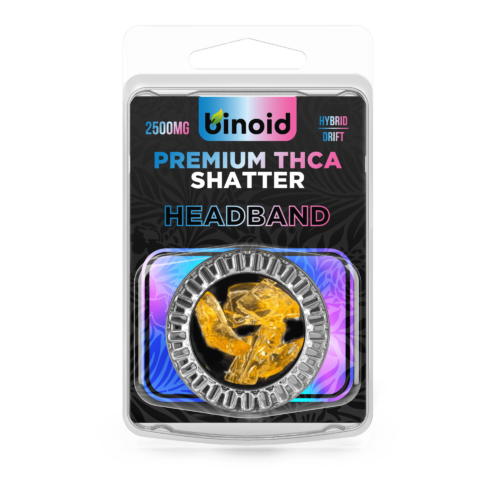
THCA Shatter – 2500mg
$37.99$59.99