Few numbers in modern culture carry as much meaning for cannabis enthusiasts as 4/20. What started as a small inside joke among a group of teenagers eventually grew into a global symbol of cannabis culture. Today the date appears on calendars, event flyers, product promotions, and social media posts across the world. Every year on April 20th, millions of people celebrate the plant in their own way, whether that means attending large gatherings, enjoying cannabis with friends, or exploring new products from brands like Binoid CBD.
The rise of 4/20 as a cultural phenomenon did not happen overnight. Its journey spans decades and reflects the broader evolution of cannabis culture itself. From the underground communities of the 1970s to the modern cannabis industry fueled by innovation and hemp derived cannabinoids, the meaning of 4/20 has transformed alongside changing social attitudes toward the plant.
What makes the history of 4/20 especially interesting is how organic its growth has been. Unlike many holidays created by marketing campaigns or government declarations, 4/20 spread through word-of-mouth, music scenes, and cannabis communities long before businesses recognized its commercial potential. By the time cannabis brands such as Binoid CBD began developing modern cannabinoid products and THCA products for today’s consumers, 4/20 had already become an internationally recognized symbol of cannabis appreciation.
Understanding the story behind 4/20 reveals much more than the origin of a number. It offers a glimpse into how cannabis culture developed, how communities formed around shared experiences, and how a small moment in time eventually evolved into one of the most recognized traditions in cannabis history.
To Buy THCA Products Click Here
Recommended products
-
14,000MG Turbo THC Gummies – Blazed
$49.99$84.99 -
13,000mg Good Luck Gummies
$47.99$79.99 -
Super 7 THC Beverage – One of a Kind (4 Pack)
$24.99$37.99 -
THC Seltzer – Good Vibes Cannabis Drink (4 Pack)
$19.99$29.99

The Early Days of Cannabis Culture Before 4/20
Before the phrase 4/20 became widely known, cannabis culture existed primarily in underground social circles. During the mid-twentieth century, cannabis remained illegal in many places, which meant that enthusiasts often shared the plant quietly among trusted friends. These communities created their own slang, rituals, and traditions that helped define cannabis culture during that era.
Music played a major role in spreading cannabis appreciation. Jazz musicians in the early twentieth century often referenced cannabis in subtle ways, while later generations of rock, reggae, and hip-hop artists openly embraced the plant as part of their creative identity. These artistic movements helped build a cultural foundation where cannabis became associated with creativity, curiosity, and shared experience.
Even though the plant itself had been cultivated for centuries, the modern concept of cannabis culture began taking shape during these decades. People were not only consuming cannabis but also forming social communities around it. Gatherings, concerts, and informal meetups created spaces where enthusiasts could connect and share stories about strains, smoking rituals, and personal experiences.
The cannabis world of the time was very different from today’s environment, where hemp derived cannabinoids and modern product lines from companies like Binoid CBD are widely available. In the early days, access to cannabis was limited, information was scarce, and the culture surrounding it remained largely hidden from mainstream society.
It was within this underground environment that the story of 4/20 first began.
The Legend of the Waldos
The most widely accepted origin story of 4/20 traces back to a group of high school students in California during the early 1970s. These students, who later became known as “the Waldos,” attended San Rafael High School and often met after school to hang out and search for new adventures.
According to their account, the group learned about a rumored abandoned cannabis crop somewhere near the Point Reyes Peninsula. The story claimed that the plants had been planted by a Coast Guard member who could no longer maintain the grow site. Curious and eager for a treasure hunt, the group decided to try locating the mysterious cannabis patch.
The students agreed to meet after school at 4:20 in the afternoon near a statue on campus before driving out to search the area. Although they never actually found the hidden crop, the meeting time itself became an inside joke among the group.
Instead of saying “let’s smoke,” they would simply say “4:20” as a coded way to refer to cannabis. The phrase was casual, playful, and easy to repeat. Over time, the number became shorthand within their social circle for any activity related to cannabis.
What makes the Waldos’ story so remarkable is that their small joke eventually escaped their immediate group and spread throughout broader cannabis communities. Through connections with musicians and social networks connected to the Grateful Dead, the phrase slowly gained traction within counterculture circles.
That moment marked the beginning of a cultural ripple effect that would eventually turn 4/20 into a global symbol of cannabis appreciation.
The Role of Music and the Grateful Dead
One of the biggest reasons the phrase 4/20 spread beyond the original Waldos group was its connection to the music scene of the 1970s. Members of the Waldos reportedly had ties to people involved with the Grateful Dead, a band that played a major role in shaping counterculture communities at the time.
The Grateful Dead attracted a devoted fan base known for traveling to concerts and forming temporary communities around live music events. These gatherings became spaces where ideas, slang, and cultural traditions spread rapidly.
As fans shared the phrase 4/20 with others, the number gradually became associated with cannabis within the broader music scene. The code was simple enough to remember and subtle enough to avoid drawing attention during an era when cannabis remained illegal in most places.
By the late 1970s and early 1980s, 4/20 had begun appearing in small flyers and informal references within cannabis communities. The phrase continued spreading through word-of-mouth, music tours, and underground publications.
This type of organic cultural growth is part of what makes the history of 4/20 unique. Unlike trends that emerge through advertising campaigns or corporate branding, the phrase gained popularity through genuine social interaction and shared experiences among enthusiasts.
Decades later, the cannabis industry—including modern companies such as Binoid CBD—would embrace 4/20 as an important moment within the annual cannabis calendar.
Recommended products
-
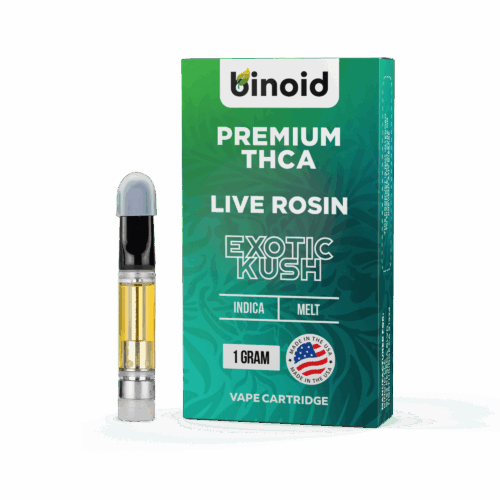
THCA Vape Cartridge – Live Rosin
$30.99$59.99 -
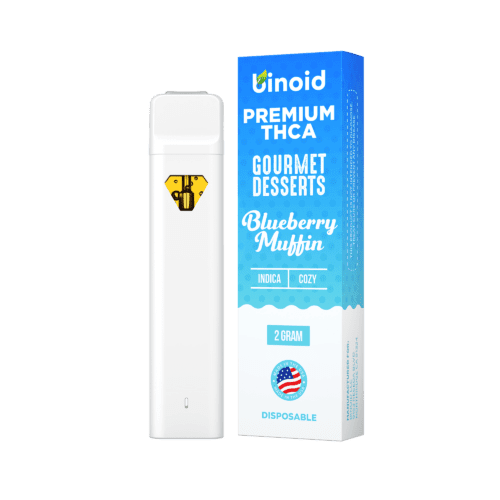
THCA Disposable 2 Gram – Gourmet Desserts
$37.99$73.00 -
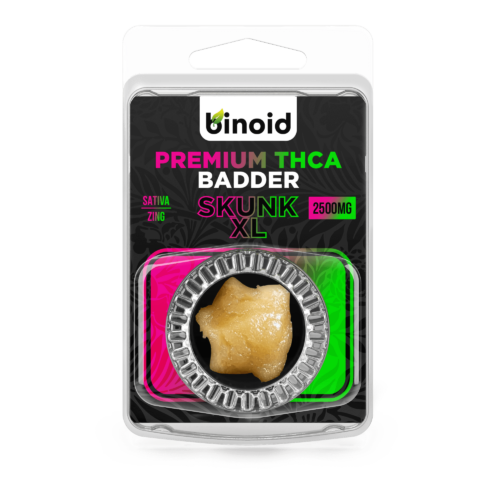
THCA Badder – 2500mg
$37.99$59.99 -
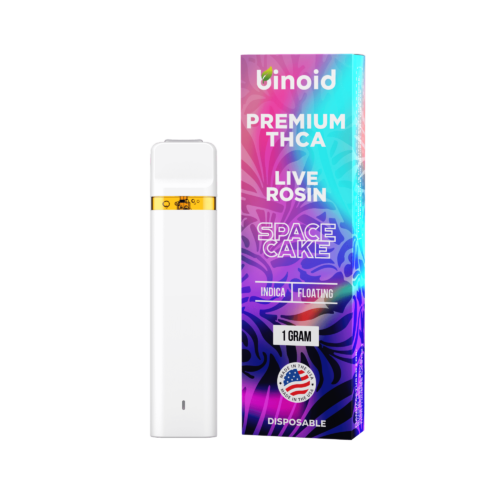
1 Gram THCA Disposable Vapes – Live Rosin
$32.99$67.99
How 4/20 Became a Cultural Symbol
The transformation of 4/20 from an inside joke to a widely recognized symbol happened gradually during the 1990s. Cannabis magazines, underground publications, and early internet forums began referencing the number more frequently.
One key moment occurred when the magazine High Times helped popularize the phrase. By publishing stories about the origins of 4/20 and encouraging readers to celebrate the date, the publication played an important role in bringing the tradition to a wider audience.
As cannabis culture continued expanding, April 20th became an informal holiday for enthusiasts. People began organizing gatherings and smoke sessions on that date, often timed around 4:20 in the afternoon.
These early celebrations were relatively small compared to the large public events that exist today. However, they represented an important shift in how cannabis culture expressed itself. What once existed only in hidden spaces was beginning to emerge into public awareness.
Today, the legacy of those early gatherings can be seen in modern celebrations around the world. Cannabis events, festivals, and product launches often take place on April 20th, with brands like Binoid CBD participating through special releases and promotions centered around hemp derived cannabinoids and THCA products.
4/20 in the Era of Legal Cannabis
The legalization movement dramatically changed how 4/20 is celebrated. As more regions began allowing legal cannabis sales, April 20th evolved from a counterculture gathering into a widely recognized celebration of cannabis culture.
Cities around the world now host large 4/20 events that attract thousands of attendees. Public parks, concert venues, and cannabis festivals become meeting places for enthusiasts who want to celebrate the plant openly.
These events often include live music, educational booths, and opportunities for consumers to learn more about cannabinoids, terpene profiles, and different consumption methods.
The legal cannabis industry has also embraced the holiday. Retailers frequently offer special promotions, limited-edition product releases, and educational campaigns designed to highlight different aspects of cannabis culture.
Brands such as Binoid CBD participate in this modern 4/20 landscape by introducing new hemp derived cannabinoid products, highlighting THCA products, and engaging with consumers who want to explore new cannabis experiences.
In many ways, the widespread celebration of 4/20 represents the culmination of decades of cultural change. What once began as a secret code among teenagers now serves as a global reminder of how far cannabis culture has evolved.
The Rise of Hemp Derived Cannabinoids on 4/20
As cannabis culture continues evolving, hemp derived cannabinoids have become an increasingly visible part of the 4/20 conversation. Products derived from federally compliant hemp plants allow brands to develop innovative cannabinoid experiences that reach consumers across broader markets.
Companies like Binoid CBD have helped introduce many enthusiasts to these new product categories. Disposable vapes, cannabinoid-infused gummies, and THCA products now play a role in how some people celebrate 4/20.
This expansion reflects the growing diversity of cannabis culture itself. Not everyone celebrates the holiday in the same way. Some people attend large public events, while others prefer relaxed gatherings at home or exploring new cannabinoid products in smaller social settings.
The availability of hemp derived cannabinoids has created new possibilities for how people engage with cannabis culture throughout the year, and especially on April 20th.
Recommended products
-
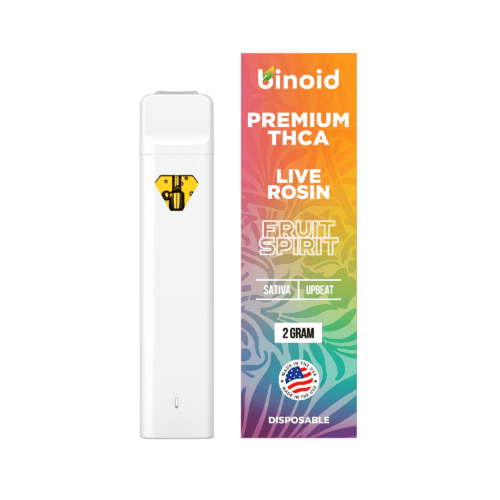
2 Gram THCA Disposable Vapes – Live Rosin
$39.99$73.00 -
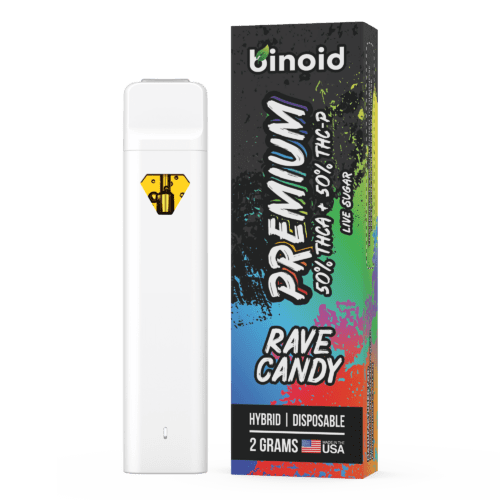
Live Sugar THCA + THC-P Disposable Vape – Pure 50/50
$39.99$69.99 -
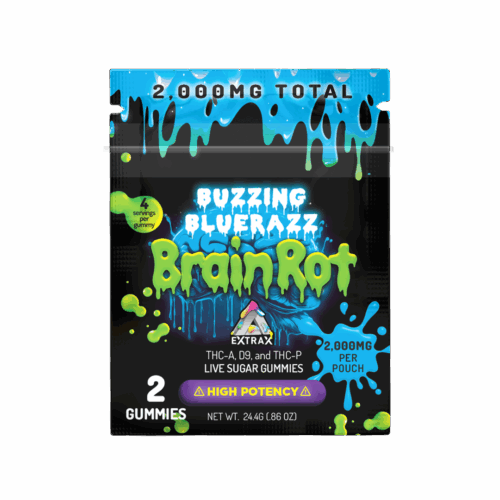
THCA Live Sugar 2 Pack Gummies – 2,000mg
$6.99$8.99 -
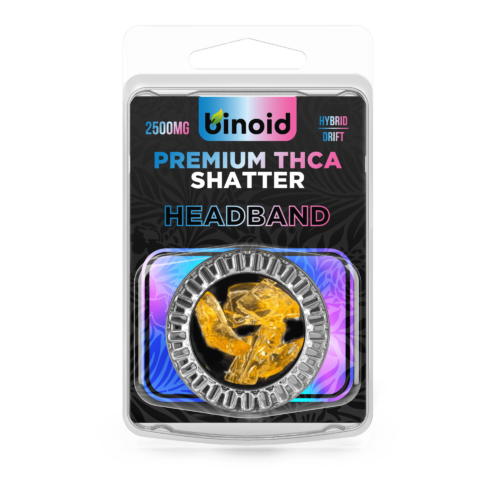
THCA Shatter – 2500mg
$37.99$59.99
The Cultural Meaning of 4/20 Today
Today, 4/20 represents more than just a time or date. It symbolizes the resilience and creativity of cannabis culture across generations. The holiday reflects decades of social change, community building, and cultural expression that helped transform cannabis from a misunderstood plant into a widely discussed topic.
For longtime enthusiasts, 4/20 carries a sense of history. It reminds them of the underground communities that preserved cannabis culture during times of prohibition. For newer consumers, the holiday represents an opportunity to explore cannabinoids, learn about terpene profiles, and discover products from brands such as Binoid CBD.
The meaning of 4/20 continues evolving as cannabis culture grows. New cannabinoids, innovative product formats, and expanding legalization efforts will likely shape how future generations celebrate the holiday.
Yet the spirit of 4/20 remains rooted in something simple: a shared appreciation for cannabis and the communities that formed around it.
The Future of 4/20 Celebrations
As cannabis culture continues maturing, the future of 4/20 will likely reflect the same blend of tradition and innovation that defines the modern industry. Festivals may grow larger, educational events may become more common, and new cannabinoid products will continue appearing on the market.
Brands like Binoid CBD will likely remain part of that evolution by introducing new hemp derived cannabinoid products and exploring creative ways to engage with the cannabis community on April 20th.
The journey of 4/20—from a simple meeting time among friends to an internationally recognized celebration—illustrates how cultural traditions can grow organically when people share experiences and stories.
What began as a small inside joke in California eventually became a symbol recognized by millions of people across the world. And as cannabis culture continues evolving, the legacy of 4/20 will likely continue growing along with it.
For many enthusiasts, the holiday serves as a reminder of how far cannabis culture has come and how much potential still lies ahead.
To Buy THCA Products Click Here
Recommended products
-
THCA Crumble – 2500mg
$37.99$59.99 -
1 Gram THCA Disposable Hash Rosin – Blazed
$31.99$67.99 -
2 Gram THCA Disposable Hash Rosin – Blazed
$37.99$59.99 -
THCA Hash Rosin Dabs – 1000mg
$33.99$59.99