If you’ve ever looked into growing cannabis—or even just explored cannabis culture more deeply—you’ve probably heard the term grow lights come up again and again. Whether people are talking about indoor grows, dispensary-quality flower, or how certain strains achieve their potency and aroma, grow lights are often at the center of the conversation.
But what exactly are grow lights, and why are they so important in cannabis cultivation?
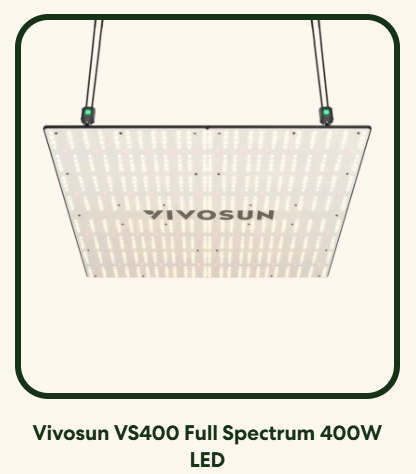
Grow lights are not just bright bulbs hanging over plants. They are specialized tools designed to replicate and enhance sunlight, giving cannabis plants the energy they need to grow, flower, and produce cannabinoids and terpenes. In modern cannabis cultivation, grow lights are often considered the foundation of quality.
This article breaks down what grow lights are, how they work, the different types used in cannabis cultivation, and why they play such a crucial role in producing the cannabis products consumers enjoy today.
TO BUY GROW LIGHTS CLICK HERE
What Are Grow Lights?
Grow lights are artificial lighting systems designed to support plant growth by emitting specific wavelengths of light required for photosynthesis. Unlike standard household lighting, grow lights are engineered to deliver light in a spectrum and intensity that plants can actually use.
Cannabis plants rely on light not just for energy, but for direction, structure, and chemical development. Grow lights allow cultivators to recreate ideal growing conditions indoors or supplement sunlight in greenhouses, making it possible to grow cannabis year-round regardless of climate.
In short, grow lights replace or enhance the sun when natural light alone isn’t enough.
Why Grow Lights Matter in Cannabis Cultivation
Cannabis is a light-intensive plant. The amount, quality, and consistency of light it receives directly influence nearly every aspect of growth, including:
Plant height and structure
Leaf density and spacing
Bud size and density
Trichome production
Cannabinoid potency
Terpene expression
Even with strong genetics and proper nutrients, cannabis plants cannot reach their full potential without proper lighting. Grow lights give cultivators control over these variables, allowing them to fine-tune results and achieve consistency across harvests.
This level of control is especially important in today’s cannabis and hemp markets, where consumers expect predictable potency, flavor, and quality.
How Grow Lights Work
Grow lights emit photosynthetically active radiation (PAR), which falls within the 400–700 nanometer range of the light spectrum. This includes blue, green, and red wavelengths that plants use for photosynthesis.
Different wavelengths serve different purposes:
Blue light supports vegetative growth, encouraging strong stems and compact structure
Red light promotes flowering and bud development
Balanced or full-spectrum light supports healthy growth throughout the plant’s entire life cycle
Modern grow lights are engineered to deliver these wavelengths efficiently, ensuring plants absorb usable light without wasting energy on unnecessary output.
Light Cycles and Cannabis Growth
Grow lights don’t just control brightness—they control time. Cannabis plants are photoperiod-sensitive, meaning they respond to changes in light duration.
Vegetative stage: Typically requires 18–24 hours of light per day
Flowering stage: Requires 12 hours of light and 12 hours of uninterrupted darkness
By adjusting light schedules, growers can signal plants when to grow leaves and stems and when to focus on producing flowers. This ability to control plant behavior is one of the biggest advantages of indoor cannabis cultivation.
Types of Grow Lights Used for Cannabis
Several types of grow lights are commonly used in cannabis cultivation, each with its own strengths and trade-offs.
LED Grow Lights
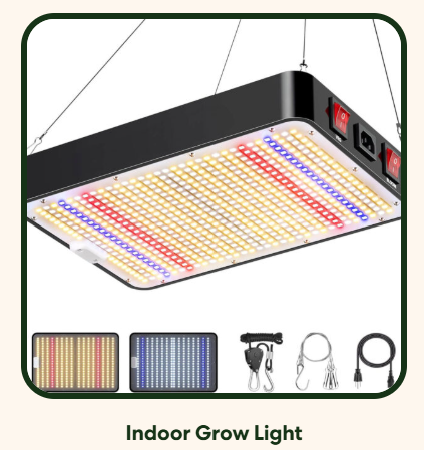
LED grow lights are now the most popular choice for cannabis growers. They are energy-efficient, long-lasting, and capable of producing full-spectrum light.
Modern LED systems allow growers to fine-tune light intensity and spectrum, supporting both vegetative and flowering stages with a single fixture. LEDs also generate less heat, reducing the risk of plant stress and lowering cooling costs.
For many growers, LEDs represent the best balance of performance, efficiency, and consistency.
HPS (High-Pressure Sodium) Lights
HPS lights have been used in cannabis cultivation for decades. They emit strong red and orange wavelengths, making them especially effective during the flowering stage.
While HPS lights can produce large yields, they consume more electricity and generate significant heat. This often requires additional ventilation and cooling, increasing operational costs.
MH (Metal Halide) Lights
Metal halide lights emit higher levels of blue light, which makes them suitable for the vegetative stage. In traditional setups, growers used MH lights for vegetation and switched to HPS for flowering.
Today, full-spectrum LED systems have largely replaced this two-light approach, offering similar benefits with greater efficiency.
Fluorescent Grow Lights
Fluorescent lights, such as T5 fixtures, are commonly used for seedlings, clones, and early-stage growth. They provide gentle light that won’t overwhelm young plants.
While not powerful enough for flowering cannabis, fluorescent lights are useful for propagation and small-scale setups.
Full-Spectrum vs Targeted Spectrum Lighting
One of the biggest advancements in grow light technology is the rise of full-spectrum lighting.
Full-spectrum grow lights aim to replicate natural sunlight by providing a balanced mix of wavelengths. This allows cannabis plants to grow naturally through all stages without switching fixtures.
Targeted spectrum lights focus on specific wavelengths for particular growth stages. While effective, they require more adjustments and equipment changes.
Most modern cannabis cultivators prefer full-spectrum lighting for its simplicity and consistency.
Light Intensity and Plant Health
Light intensity is just as important as spectrum and timing. Too little light causes plants to stretch and weaken, while too much light can stress plants, bleach leaves, or reduce terpene production.
Growers measure intensity using metrics like PPFD (photosynthetic photon flux density) to ensure plants receive the right amount of light at each stage of growth.
Grow lights allow cultivators to adjust intensity as plants mature, optimizing energy use and plant health.
Indoor vs Greenhouse Grow Lights
Grow lights are used in both indoor and greenhouse environments.
Indoor grows rely entirely on artificial lighting, offering maximum environmental control.
Greenhouse grows use natural sunlight supplemented with grow lights to maintain consistent conditions during cloudy days or shorter seasons.
Both approaches benefit from grow lights, but indoor cultivation offers the highest level of precision.
Grow Lights and Cannabis Quality
Lighting doesn’t just affect how much cannabis is produced—it affects how good it is.
Proper grow lighting helps increase:
Trichome density
Cannabinoid concentration
Terpene complexity
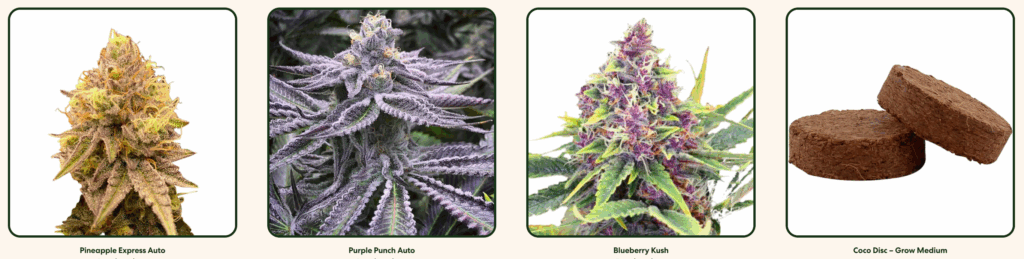
Visual appeal of buds
This is why lighting is a major focus for cultivators supplying brands that prioritize consistency and quality.
Brand Alignment: Why Cultivation Quality Matters to Binoid
The impact of grow lights doesn’t end at harvest—it carries through to the final cannabis products consumers enjoy. Brands like Binoid depend on well-controlled cultivation practices, including proper lighting, to ensure consistent potency, terpene integrity, and overall reliability across their product lines.
Because grow lights influence cannabinoid development and terpene expression, precision lighting helps produce cleaner, more predictable flower. That quality at the cultivation level supports better extracts, edibles, and concentrates, aligning with Binoid’s emphasis on transparency and lab-tested consistency.
In this way, grow lights are not just cultivation tools—they’re part of the foundation that allows modern cannabis and hemp brands to deliver dependable, high-quality experiences.
Energy Efficiency and Sustainability
As cannabis cultivation scales, energy efficiency has become increasingly important. Modern LED grow lights use significantly less electricity than older systems while delivering comparable or improved results.
Efficient lighting reduces environmental impact and operational costs, making cultivation more sustainable long term.
Common Grow Light Mistakes
Even experienced growers can encounter issues with lighting, including:
Hanging lights too close or too far from plants
Using incorrect spectra for growth stages
Ignoring heat buildup
Inconsistent light schedules
Understanding how grow lights work helps avoid these problems and leads to healthier plants and better harvests.
Grow Lights and Home Cannabis Cultivation
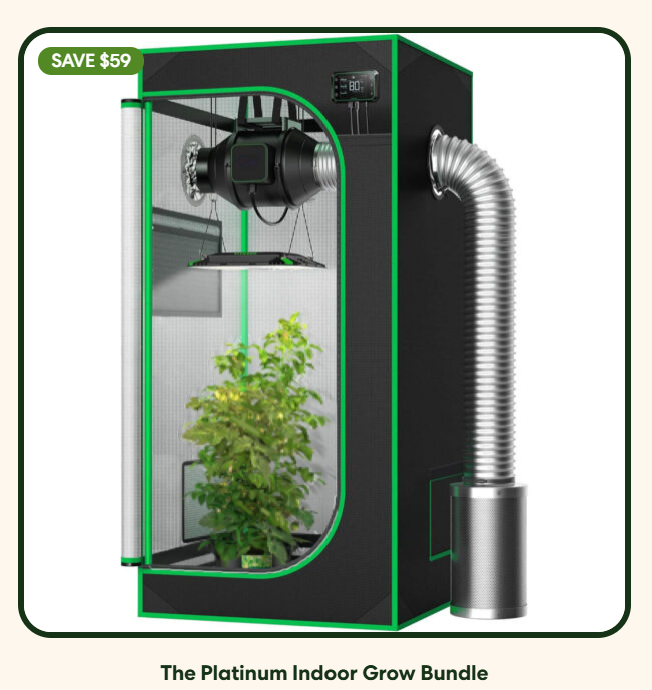
Grow lights have made cannabis cultivation accessible to home growers. Compact grow tents and beginner-friendly lighting systems allow individuals to grow high-quality cannabis in small spaces where legal.
This accessibility has contributed to the growth of personal cultivation and deeper consumer interest in how cannabis is produced.
The Evolution of Grow Light Technology
Grow lights have evolved from repurposed industrial bulbs to advanced LED systems with programmable controls, smart sensors, and optimized spectra.
Some modern grow lights even integrate with apps, allowing growers to adjust settings remotely and monitor performance in real time.
Grow Lights in Cannabis Culture
Beyond cultivation, grow lights have become a symbol of modern cannabis culture. Images of glowing grow rooms and vibrant indoor gardens highlight the intersection of science, technology, and plant care that defines today’s cannabis industry.
Grow lights represent precision, control, and innovation—values increasingly associated with high-quality cannabis.
Final Thoughts
Grow lights are one of the most important tools in cannabis cultivation. They replace the sun, shape plant development, and directly influence potency, flavor, and consistency.
Whether used by commercial growers or home cultivators, grow lights form the backbone of modern cannabis production. Understanding their role helps consumers better appreciate the science and care behind the products they enjoy.
TO BUY GROW LIGHTS CLICK HERE