If you’ve ever opened a fresh jar of flower and instantly caught that loud citrus punch… or that gassy, funky, almost fuel-like smell… you’ve already met terpenes.
Most casual THC users focus on potency. How many milligrams? What percentage? Is it strong?
But here’s the truth: terpenes are a huge part of why two products with the same THC content can feel completely different.
They shape the flavor.
They influence the vibe.
They help define the overall experience.
And once you understand terpenes, you’ll start shopping way smarter.
Let’s break it down in real terms — no lab coat energy, no medical claims, just what you actually need to know.
To Buy Cannabinoids Click Here
Recommended products
-
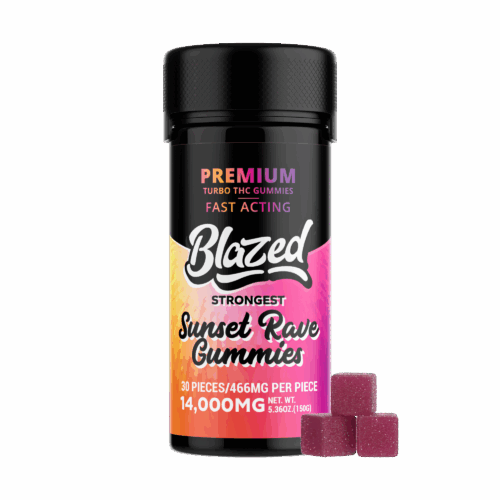
14,000MG Turbo THC Gummies – Blazed
$49.99$84.99 -
13,000mg Good Luck Gummies
$47.99$79.99 -
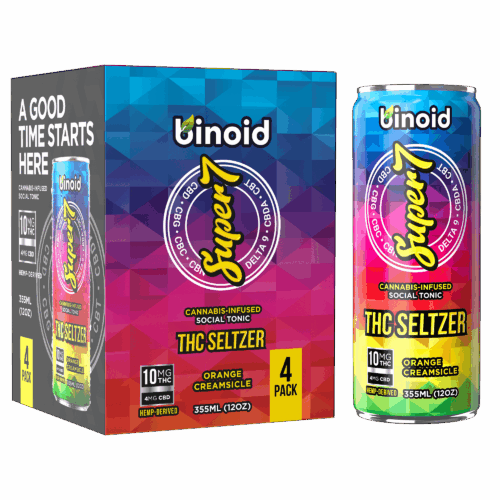
Super 7 THC Beverage – One of a Kind (4 Pack)
$24.99$37.99 -
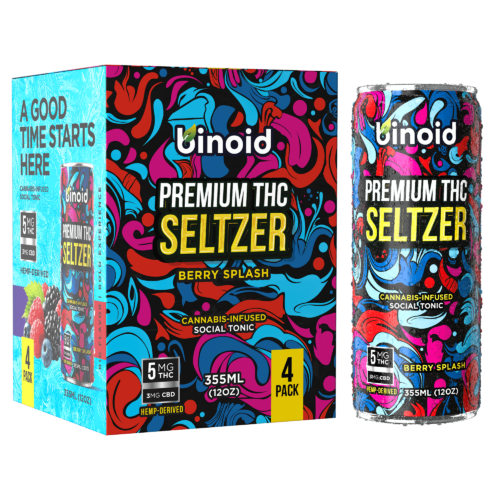
THC Seltzer – Good Vibes Cannabis Drink (4 Pack)
$19.99$29.99

So… What Are Terpenes?
Terpenes are natural aromatic compounds found in plants. Not just cannabis — everywhere.
They’re in oranges.
They’re in pine trees.
They’re in lavender.
They’re in black pepper.
They’re basically what give plants their smell and flavor.
When you smell a lemon and instantly recognize it? That’s terpenes.
When you walk past a pine tree and get that sharp forest scent? Terpenes again.
Cannabis just happens to be packed with them.
And in THC products, terpenes are doing way more than just making things taste good.
Why Terpenes Matter for THC Users
Here’s something a lot of people don’t realize:
Two products can both contain 90% THC and still feel completely different.
Why?
THC is the main psychoactive compound. It’s the engine. But terpenes are like the steering wheel and suspension. They shape how that ride feels.
Some terpene profiles feel more bright and energetic.
Some feel heavier and more chill.
Some feel balanced and smooth.
That’s why certain strains hit differently even when potency is similar.
If you’ve ever said:
“This one feels more uplifting.”
“This one feels mellow.”
“This one tastes amazing but hits smooth.”
You were describing terpene influence — even if you didn’t know it.
The Entourage Effect (In Plain English)
You might have heard the term “entourage effect.” It sounds scientific, but the idea is simple.
Cannabinoids (like THC, CBD, CBG, etc.) and terpenes work together.
Instead of one compound doing everything on its own, they interact.
THC by itself feels one way.
THC plus specific terpenes feels different.
It’s like music. One instrument alone sounds basic. Add drums, bass, and harmony — now it’s layered and dynamic.
Terpenes help round out the experience.
The Most Common Cannabis Terpenes
You don’t need to memorize chemistry charts, but knowing a few key terpenes makes shopping way easier.
Here are some of the heavy hitters you’ll see in THC products:
Myrcene
Myrcene is one of the most common terpenes in cannabis. It’s also found in mangoes and hops.
A lot of people associate myrcene-heavy profiles with more laid-back, relaxed vibes. It tends to show up in strains that feel heavier or more evening-friendly.
Flavor-wise, think earthy, herbal, slightly musky.
If a product smells deep and rich instead of sharp and citrusy, myrcene might be part of that profile.
Limonene
Limonene is exactly what it sounds like — citrus.
It’s found in lemon peels and other citrus fruits. When you open a jar and get that bright, zesty smell, limonene is probably in there.
A lot of users say limonene-heavy products feel more upbeat or social compared to heavier terpene profiles.
Flavor profile? Fresh, citrus, slightly sweet.
Pinene
If something smells like pine trees or fresh forest air, that’s pinene.
It’s also found in rosemary and basil.
Pinene brings that sharp, clean scent that cuts through sweetness or gas. It’s often present in strains that feel crisp and clear.
Recommended products
-
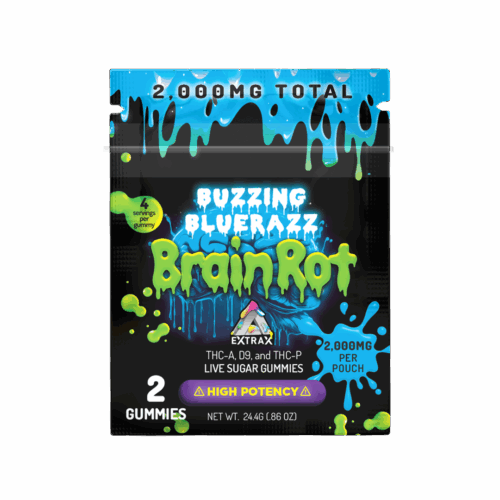
THCA Live Sugar 2 Pack Gummies – 2,000mg
$6.99$8.99 -
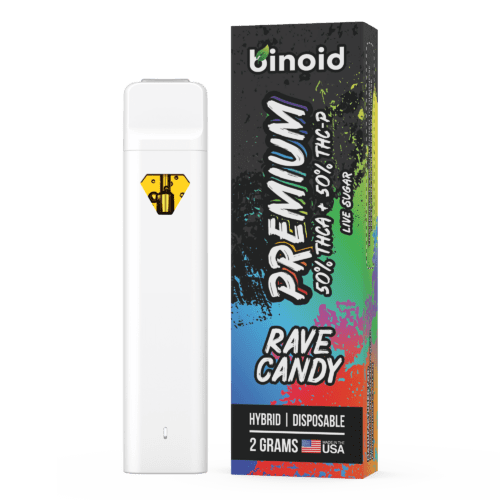
Live Sugar THCA + THC-P Disposable Vape – Pure 50/50
$39.99$69.99 -
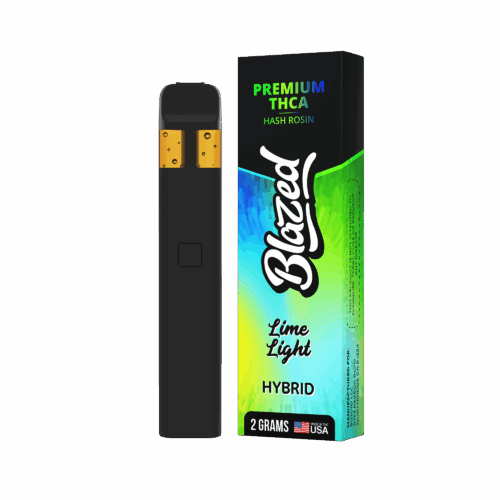
2 Gram THCA Disposable Hash Rosin – Blazed
$37.99$59.99
Caryophyllene
Caryophyllene is interesting because it’s also found in black pepper and cloves.
It tends to add a spicy, slightly peppery edge to the flavor profile. Some people love that gassy-spice combo in certain strains.
If a vape has that bold, almost peppery kick on the inhale, caryophyllene could be doing the work.
Linalool
Linalool is found in lavender.
It has a soft, floral aroma that smooths out sharper terpenes. It’s not as loud as citrus or gas, but it adds depth and balance to certain profiles.
Terpenes in Vapes
If you’re into disposables or carts, terpenes matter a lot.
THC distillate on its own is basically flavorless. It needs terpenes added back in to create a full experience.
That’s why terpene quality is a big deal in vape products.
On sites like binidcbd.com, a lot of vape products are crafted with specific terpene blends to match certain strain-inspired profiles. That’s how you get flavor notes like fruity, gassy, creamy, or citrus-forward.
It’s not random. It’s intentional.
If you’ve ever hit two different carts with similar THC levels but completely different flavors and vibes, terpenes were behind that difference.
Terpenes in Gummies
You might not immediately think of terpenes in edibles, but they’re often part of the formula.
Some THC gummies include terpene blends to replicate strain-style experiences. Others focus more on flavoring and cannabinoid blends.
On binidcbd.com, certain gummy lines are built around specific cannabinoid combinations, and in some cases, terpenes are included to shape the overall profile.
That’s why some gummies feel more “bright” and others feel more “mellow,” even if the milligram count is similar.
It’s not just THC doing the work.
Natural vs Botanical vs Cannabis-Derived Terpenes
This part gets overlooked.
Terpenes can come from different sources:
Cannabis-derived terpenes come directly from cannabis plants.
Botanical terpenes come from other plants (like citrus or pine) but have the same chemical structure.
Both are common in THC products.
Cannabis-derived terpenes are often marketed as more “authentic,” but botanical terpenes are widely used and can still create strong flavor profiles.
The important thing is quality and formulation.
Cheap terpenes taste artificial.
Well-formulated terpenes taste smooth and layered.
That’s why brand transparency matters.
Terpenes and Flavor Profiles
Let’s talk honestly — a lot of casual THC users care about taste.
Some people love:
Sweet candy flavors
Fruity blends
Gassy diesel notes
Creamy dessert profiles
Those flavors aren’t random. They’re terpene-driven.
For example, certain disposable vapes on binidcbd.com are crafted to highlight specific flavor experiences. Whether it’s tropical, dessert-inspired, or fuel-forward, terpenes are shaping that identity.
If you’ve ever picked a product purely because it smelled amazing, you were following the terpenes.
Recommended products
-
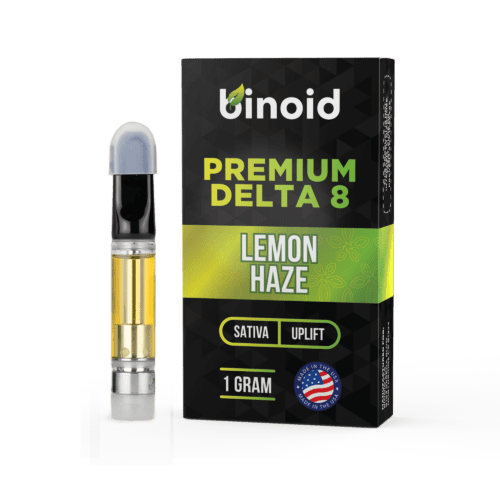
Delta 8 THC Vape Cartridge
$26.99$39.99 -
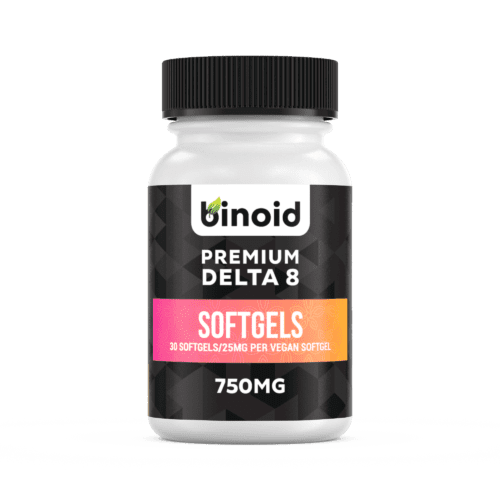
Delta 8 THC Capsules 750MG
$31.99$69.99 -
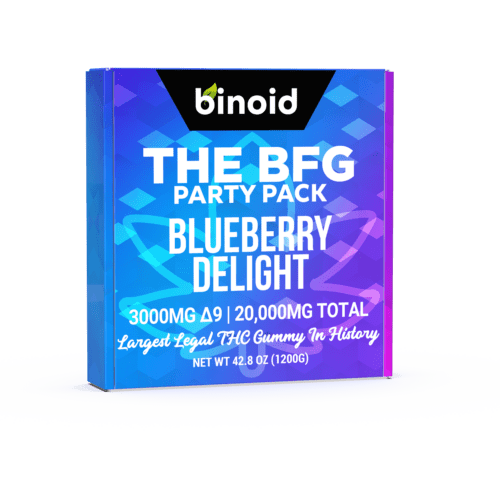
The BFG – 3000mg Delta 9 THC Gummy
$128.99$239.99
Do Terpenes Change the High?
They don’t override THC, but they absolutely influence how it feels.
THC is still the main psychoactive compound. Terpenes shape the tone.
Think of THC as brightness on a screen. Terpenes adjust contrast and color.
A citrus-heavy terpene blend might feel sharper and more energetic.
An earthy-heavy blend might feel deeper and slower.
It’s subtle but noticeable — especially if you pay attention.
Once you start noticing terpene differences, you’ll never shop purely by THC percentage again.
Why Terpene Preservation Matters
Terpenes are delicate.
Heat, light, and air can degrade them over time. That’s why storage matters.
High-quality products protect terpene content through proper extraction and packaging.
If a vape tastes dull or flat, it could mean terpene degradation. If flower smells weak, terpenes may have evaporated.
Freshness plays a big role.
Terpenes in Modern THC Blends
The THC world has evolved a lot.
It’s not just about Delta-9 anymore. You’ve got Delta-8, THCA, blends, minor cannabinoids, and more.
Terpenes are still part of the picture.
Some blended products on binidcbd.com combine cannabinoids strategically — and terpenes help fine-tune the experience.
For example, a blend designed to feel smooth and balanced might use softer terpene profiles. A blend meant to feel bold and loud might lean into gassy or citrus-heavy terpenes.
It’s product design at a deeper level.
Can You Shop by Terpene?
Yes — and it’s actually smart.
If you know you like citrus-forward experiences, look for limonene-dominant profiles.
If you prefer earthy, heavy vibes, look for myrcene-rich descriptions.
Over time, you’ll notice patterns in what you enjoy.
Instead of asking “What’s the strongest?” you’ll start asking “What’s the terpene profile?”
That’s when you’ve leveled up as a consumer.
Terpenes and Tolerance
Here’s something interesting.
Sometimes when people say a product “feels different” even though their tolerance is high, terpenes are playing a role.
Switching terpene profiles can change the overall experience, even if cannabinoid content stays similar.
It’s not magic. It’s chemistry.
And it’s why variety matters.
The Bottom Line on Terpenes
Terpenes are the personality of your THC product.
THC might be the star, but terpenes shape the vibe, flavor, and overall feel.
They’re why one vape tastes like candy and another tastes like gas.
They’re why some products feel bright and others feel grounded.
They’re why the experience isn’t just about numbers on a label.
If you shop on binidcbd.com and actually read the product descriptions, you’ll notice flavor notes and strain-style inspirations. That’s terpene influence showing up in real-world product design.
You don’t need to memorize terpene charts.
Just pay attention to:
How it smells.
How it tastes.
How it feels.
Over time, you’ll start recognizing what works best for you.
And once you understand terpenes, you stop chasing just potency — and start chasing experience.
That’s the difference between using THC casually… and actually understanding what you’re consuming.
To Buy Cannabinoids Click Here
Recommended products
-
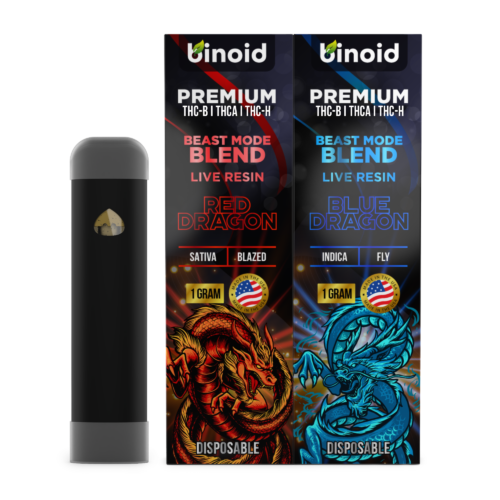
Beast Mode Blend Live Resin Disposable – 2 Pack Combo (Limited Time Sale)
$43.99$89.99 -
Knockout Blend Gummies
$34.99$59.99 -
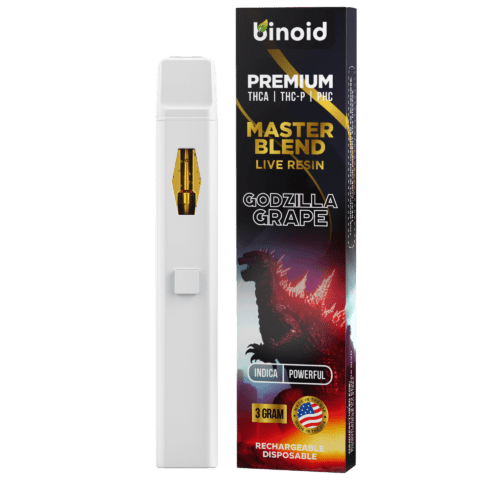
Godzilla Grape Master Blend Disposable – 3 Gram
$43.99$59.99 -
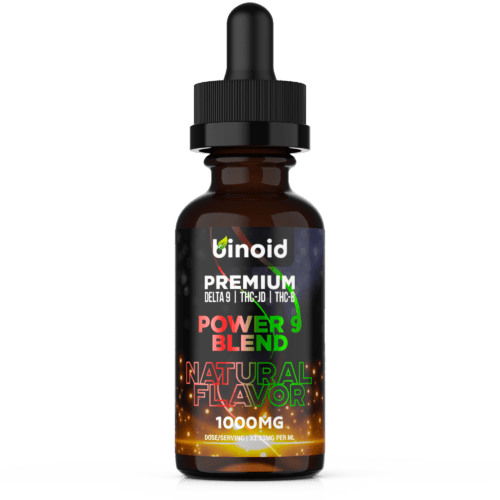
Power 9 Blend Tincture – 1000mg
$34.99$59.99