
If you’ve been shopping for hemp or THC products lately, you’ve probably seen the term “broad spectrum” pop up everywhere. It’s on gummies, tinctures, vapes, and even concentrates. For a lot of people, though, it sounds like one of those buzzwords that companies throw around to make products seem more advanced than they really are.
So what does broad spectrum actually mean? Is it stronger? Is it cleaner? Is it better than full spectrum? And how does it compare to isolates?
If you use THC casually — whether you’re into gummies, carts, dabs, or just trying to figure out what hits right for you — this guide breaks it all down in plain English. No lab coat required.
Let’s get into it.
To Buy THC Products Click Here
Recommended products
-
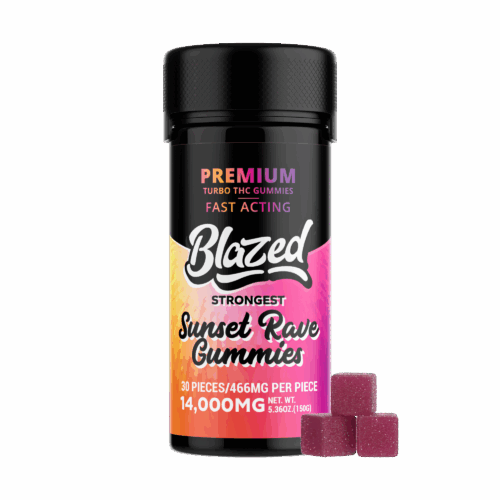
14,000MG Turbo THC Gummies – Blazed
$49.99$84.99 -
13,000mg Good Luck Gummies
$47.99$79.99 -
THC Seltzer – Good Vibes Cannabis Drink (4 Pack)
$19.99$29.99 -
Super 7 THC Beverage – One of a Kind (4 Pack)
$24.99$37.99

The Simple Definition of Broad Spectrum
Broad spectrum refers to a hemp or cannabis extract that contains multiple cannabinoids and plant compounds — but without detectable THC (usually Delta-9 THC).
In other words, you’re getting a mix of cannabinoids working together, but the THC has been removed (or reduced to non-detectable levels).
That’s the key difference.
Full spectrum = includes THC
Broad spectrum = includes multiple cannabinoids, but no THC
Isolate = only one cannabinoid, nothing else
That’s the quick version. But the interesting part is what that actually means for how you feel.
Why Broad Spectrum Even Exists
To understand broad spectrum, you have to understand something called the “entourage effect.”
The entourage effect is the idea that cannabinoids work better together than alone. Instead of one single compound doing all the work, multiple cannabinoids and terpenes interact and support each other.
For example, instead of just CBD by itself, you might have:
- CBD
- CBG
- CBN
- CBC
- Small amounts of other minor cannabinoids
- Natural terpenes
When they’re all present, the experience often feels more rounded and balanced compared to an isolate.
The problem? Some people don’t want THC in their system at all.
Maybe it’s for work. Maybe it’s drug testing. Maybe they don’t like the psychoactive effect. Maybe they’re sensitive to it. That’s where broad spectrum comes in.
It’s basically the middle ground.
Broad Spectrum vs Full Spectrum
This is where people get confused.
Full spectrum products include everything from the plant — including small amounts of THC (legally under 0.3% Delta-9 THC in hemp products in the U.S.).
Broad spectrum products include everything except THC.
So what does that change?
Full spectrum can produce a slight psychoactive effect depending on the product and dosage. Even if it’s legally compliant, it still contains THC.
Broad spectrum is designed to avoid that entirely.
If you’re someone who wants the full plant synergy but zero THC exposure, broad spectrum makes sense. If you don’t mind a small amount of THC and want the full natural profile, full spectrum might feel more complete.
It really depends on what you’re trying to get out of it.
How Broad Spectrum Is Made
Broad spectrum products usually start as full spectrum extracts. From there, the THC is removed using additional refinement processes.
This might involve chromatography or other advanced filtering methods that isolate and strip out the THC while leaving other cannabinoids intact.
That’s why broad spectrum often costs a bit more than isolate. There’s extra work involved.
But here’s something to keep in mind: not all broad spectrum products are equal. The quality depends heavily on the extraction method and the brand’s transparency.
This is why third-party lab testing matters. You want to actually see proof that THC has been removed and that other cannabinoids are still present.
Recommended products
-
THCA Live Sugar 2 Pack Gummies – 2,000mg
$6.99$8.99 -
2 Gram THCA Disposable Hash Rosin – Blazed
$37.99$59.99 -
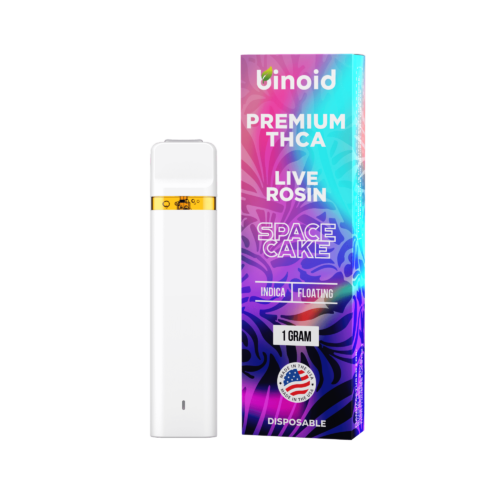
1 Gram THCA Disposable Vapes – Live Rosin
$32.99$67.99
What Does Broad Spectrum Feel Like?
This is the question most casual THC users actually care about.
Broad spectrum does not produce a traditional “high” like Delta-9 THC. But that doesn’t mean it does nothing.
Most people describe broad spectrum products as:
- Clear-headed
- Relaxing
- Grounding
- Mildly uplifting
- Smoother than isolates
It’s more about balance than intensity.
For example, a broad spectrum gummy won’t knock you into the couch the way a strong THC edible might. But it can still help you feel more centered and relaxed without mental fog.
If you’re someone who likes the vibe of cannabinoids but doesn’t want to feel intoxicated, broad spectrum fits that lane.
Broad Spectrum in Vapes and Edibles
You’ll find broad spectrum extracts in a lot of product types, including:
On sites like binidcbd.com, you’ll see a mix of blends and spectrum-based options depending on what you’re looking for. Some products lean into full spectrum effects, while others are crafted for users who want cannabinoid synergy without THC exposure.
For example, certain gummies are formulated to give a balanced cannabinoid profile without delivering a psychoactive experience. That’s broad spectrum working behind the scenes.
If you’re shopping for something daytime-friendly, broad spectrum is often the move.
Who Should Choose Broad Spectrum?
Broad spectrum is especially popular with:
People who get drug tested
People sensitive to THC
New users who don’t want to feel “too high”
Daytime users who need to stay sharp
People who want cannabinoids without paranoia
It’s also great for people who’ve tried THC before and didn’t love how intense it felt.
Not everyone enjoys psychoactive effects. Some people just want the calm without the buzz.
Broad spectrum gives you that option.
Is Broad Spectrum Strong?
It depends on what you mean by strong.
If you’re measuring strength by intoxication, then no — broad spectrum is not strong in that sense.
If you’re measuring strength by cannabinoid richness and plant synergy, then yes — it can be more effective than an isolate.
This is where expectations matter.
If you’re looking for a heavy THC high, broad spectrum isn’t the right choice.
If you’re looking for balanced effects that feel smooth and functional, it can absolutely hit the mark.
Broad Spectrum vs Isolate
This comparison is important.
Isolate products contain one single cannabinoid — usually CBD — and nothing else.
That means no terpenes. No minor cannabinoids. No entourage effect.
Isolates can feel very clean, but sometimes they also feel flat.
Broad spectrum keeps the other plant compounds intact, which often leads to a fuller experience.
If isolate feels like listening to one instrument, broad spectrum feels like hearing the whole band — just without THC in the mix.
Does Broad Spectrum Show Up on Drug Tests?
This is a tricky area.
Broad spectrum products are designed to contain no detectable THC. However, no product can ever guarantee zero risk unless it’s verified by reliable third-party testing.
If avoiding THC entirely is critical for you, look for:
- Clear lab results
- Non-detectable Delta-9 THC levels
- Reputable brands
Always check the COA (Certificate of Analysis). That’s your proof.
Recommended products
-
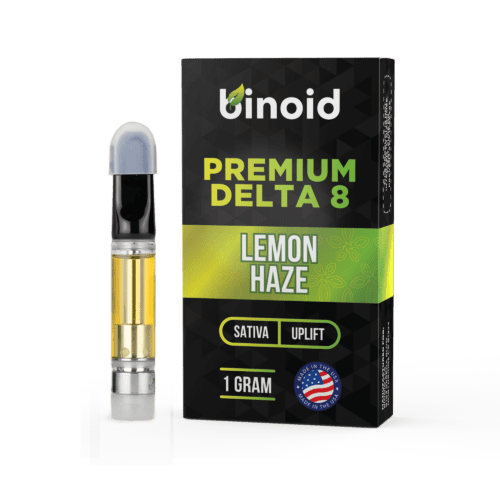
Delta 8 THC Vape Cartridge
$26.99$39.99 -
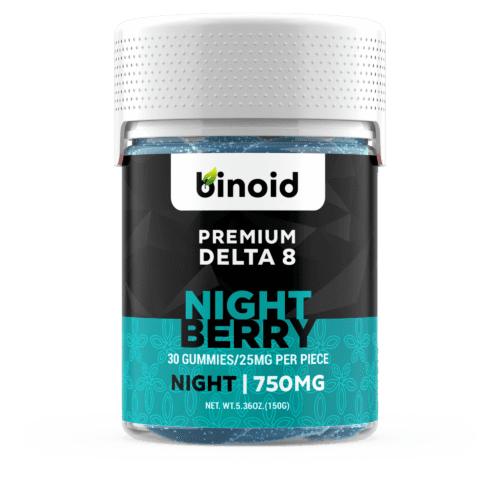
Delta 8 THC Gummies – Limited Edition
$33.99$38.99 -
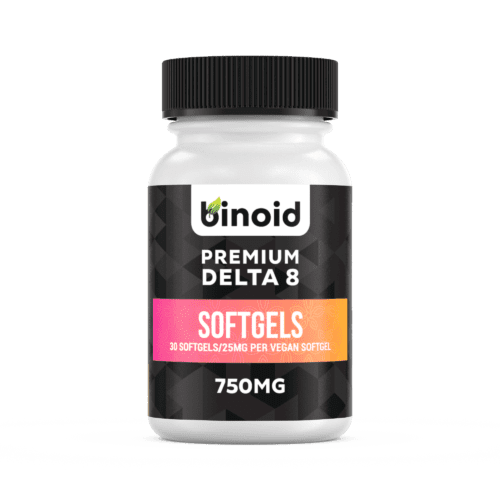
Delta 8 THC Capsules 750MG
$31.99$69.99 -
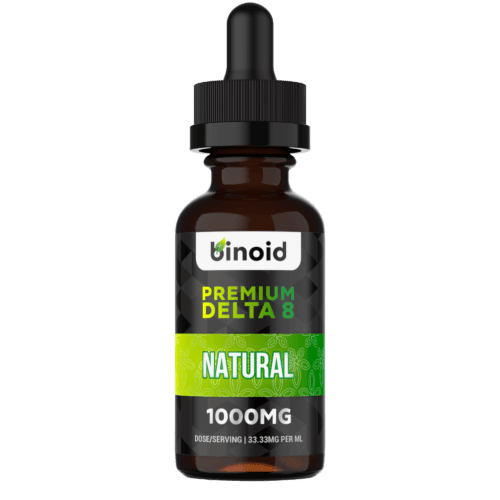
Delta 8 THC Tincture (1000mg, 2500mg, 5000mg)
$25.99$44.99
How Broad Spectrum Fits Into Modern THC Culture
The cannabis space has evolved a lot.
It’s not just about getting as high as possible anymore. Now it’s about customization.
Some days you want a heavy edible.
Some days you want a mellow vape.
Some days you just want to relax without feeling altered.
Broad spectrum products fill that middle space.
On binidcbd.com, for example, you’ll see blends that combine cannabinoids strategically. Not every product is designed for max intensity. Some are formulated for balance, clarity, and smoother experiences.
Broad spectrum plays a big role in that evolution.
Is Broad Spectrum Legal?
Broad spectrum hemp products are federally legal in the United States as long as they comply with the Farm Bill and contain less than 0.3% Delta-9 THC.
Because broad spectrum removes THC entirely (or to non-detectable levels), it’s generally considered compliant — but state laws can vary.
Always check local regulations before purchasing.
Does Broad Spectrum Contain Minor Cannabinoids?
Yes — and that’s part of the appeal.
Broad spectrum often includes minor cannabinoids like:
CBG
CBN
CBC
CBDV
These compounds are getting more attention lately, and many brands now highlight them in product descriptions.
On binidcbd.com, certain blends are built around these supporting cannabinoids to create more tailored experiences. That’s where broad spectrum really shines — it allows brands to craft formulas without relying on THC as the main driver.
How to Choose a Good Broad Spectrum Product
Don’t just look at the front label.
Check:
-
Third-party lab results
-
Cannabinoid breakdown
-
Brand transparency
-
Customer reviews
-
Clear THC disclosure
If a product says “Broad spectrum” but doesn’t show lab results confirming non-detectable THC, that’s a red flag.
Quality matters.
Recommended products
-
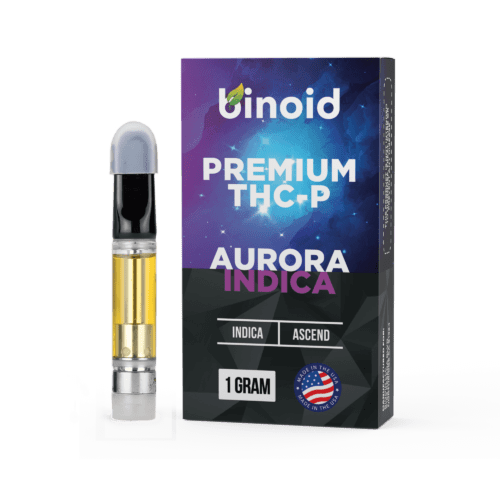
THC-P Vape Cartridge
$29.99$59.99 -
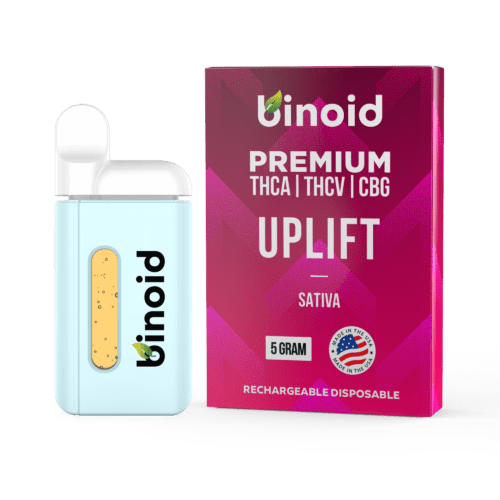
THCV 5 Gram Disposable Vape – Uplift/Unwind
$53.99$69.99
Broad Spectrum and Terpenes
Terpenes are aromatic compounds found in cannabis and other plants. They influence flavor and can shape how cannabinoids feel.
Many broad spectrum extracts retain natural terpenes, which adds to the overall experience.
That’s why some broad spectrum vapes or gummies still have a noticeable flavor profile. It’s not just added flavoring — it can be part of the plant chemistry.
When combined properly, terpenes and cannabinoids create smoother, more nuanced effects.
Final Thoughts: Is Broad Spectrum Worth It?
Broad spectrum isn’t about intensity.
It’s about control.
It’s about getting the benefits of multiple cannabinoids without committing to a THC high.
If you’re a casual THC user who sometimes wants something lighter, broad spectrum is a solid option to have in rotation. It gives you flexibility.
On platforms like binidcbd.com, where products range from stronger THC-focused blends to more balanced cannabinoid formulas, broad spectrum options make it easier to find what fits your mood.
Not every session needs to be extreme.
Sometimes you just want to feel steady, relaxed, and clear — without worrying about THC levels.
That’s where broad spectrum lives.
And for a lot of people, that’s exactly the sweet spot.