If you’ve spent any real time around cannabis culture, you’ve almost definitely seen a bong sitting somewhere in the room. Maybe it was on a coffee table during a laid‑back session with friends, maybe it was carefully stored on a shelf like a prized collectible, or maybe it was your first introduction to smoking flower. No matter how you encountered it, the bong has a presence. It’s recognizable, it’s functional, and it has survived decades of shifts in cannabis trends without ever becoming outdated.
At its simplest, a bong is a water‑filtered pipe designed for smoking cannabis flower. That definition is accurate, but it doesn’t fully explain why it’s remained so popular even as vape technology, concentrates, infused pre‑rolls, and hemp‑derived cannabinoid products have taken over shelves. The bong is not just a device. It’s part of the culture. It’s part of the ritual. And for many users, it’s still one of the smoothest and most satisfying ways to enjoy flower.
To really understand what a bong is, you have to go deeper than the basic description. You have to look at how it works, where it came from, how it evolved, why people still prefer it, and how it fits into today’s THC landscape — especially with modern options like THCA flower and other hemp‑derived products available from companies like Binoid.
Let’s take a real, detailed look at it.
TO BUY THC CONCENTRATES CLICK HERE
The Basic Anatomy of a Bong
A bong is built around one key idea: filtering smoke through water before inhalation. That’s what separates it from a dry pipe or a rolled joint. The water doesn’t magically transform the smoke, but it does cool it down and filter out some of the heavier particles created during combustion.
Most traditional bongs share a similar structure. At the bottom is the base, which holds water. Connected to the base is the downstem, a tube that angles downward into the water. Attached to the downstem is the bowl, where you pack your ground cannabis flower. Extending upward from the base is the neck or chamber, which leads to the mouthpiece at the top.
When you light the bowl and inhale through the mouthpiece, air is pulled through the burning flower. The smoke travels down the downstem and into the water, where it bubbles up through the liquid. That bubbling action cools the smoke before it rises into the chamber and collects. When you remove the bowl or lift it slightly — often referred to as “clearing the chamber” — the built‑up smoke flows into your lungs in one continuous pull.
It’s simple engineering, but it’s effective. The sound of bubbling water has become part of the experience. For many users, that sensory feedback — the sound, the visual swirl of smoke in the chamber, the feeling of clearing it — adds to the ritual.
Where Did Bongs Come From?
Although bongs feel like a staple of modern cannabis culture, the idea of using water to filter smoke is centuries old. Historical evidence suggests that variations of water pipes existed in parts of Asia and Africa long before modern glassblowing techniques developed.
Archaeologists have discovered early water‑filtration smoking devices in regions of Central Asia, including areas near what is now Russia. Some historians believe nomadic tribes used early versions of water pipes for smoking herbs. In China, bamboo water pipes were used to smoke tobacco. The word “bong” is thought to come from the Thai word “baung,” referring to a cylindrical bamboo tube.
As global trade and cultural exchange expanded, water pipe designs evolved. When cannabis culture grew rapidly in the United States during the 20th century, glass became the preferred material. Glass allowed for cleaner flavor, better visibility of smoke, and easier maintenance. By the 1990s and early 2000s, glassblowing had become a respected art form within cannabis communities. Artists began creating intricate designs, adding percolators, ice catchers, and elaborate shapes that turned bongs into both functional tools and collector’s pieces.
Despite technological innovation in vaping and concentrates, the basic bong design has remained largely unchanged because it works.
How Water Filtration Changes the Experience
The defining feature of a bong is water filtration. When smoke is forced through water, several things happen. First, the temperature drops. Water absorbs heat from the smoke, which makes the inhalation feel smoother. Second, some heavier ash particles and debris get trapped in the water instead of traveling directly into the lungs.
It’s important to keep expectations realistic. Water filtration does not eliminate all byproducts of combustion. It simply alters the experience by cooling and slightly filtering the smoke. Many users describe bong hits as less harsh than dry pipe hits, especially when using fresh water and clean glass.
The cooling effect also allows some users to take larger pulls compared to other methods. That’s one reason bongs are often associated with stronger or more immediate sessions. Because the smoke is cooler, people may feel comfortable inhaling more at once.
Materials Matter: Glass, Silicone, Acrylic, and More
The material your bong is made from significantly affects your experience.
Glass is the gold standard. Most quality bongs are made from borosilicate glass, which is heat‑resistant and durable. Glass preserves flavor better than other materials because it doesn’t absorb smells or alter the taste of the smoke. It’s also easier to clean thoroughly. The downside is obvious: glass can break.
Silicone bongs have grown in popularity because they’re nearly indestructible. They’re flexible, travel‑friendly, and great for people who are clumsy or just want something low‑maintenance. However, some users feel silicone slightly affects flavor over time.
Acrylic bongs are budget‑friendly and lightweight. They’re often marketed toward beginners. While they’re durable, they can scratch and may not deliver the same clean taste as glass.
Ceramic and metal options exist but are less common in today’s mainstream market.
If flavor is important to you — especially when smoking terpene‑rich flower like THCA strains available through Binoid — glass is usually the preferred choice.
Percolators, Ice Catchers, and Advanced Designs
As bong design evolved, manufacturers began adding features to improve smoothness and filtration.
Percolators are additional diffusion systems inside the bong. They break smoke into smaller bubbles, increasing surface area contact with water. This can create a smoother inhale. There are several common types, including tree percs, honeycomb percs, inline percs, and showerhead percs. Each design changes airflow slightly and affects how the bubbles form.
Ice catchers are small indentations in the neck that hold ice cubes above the water chamber. As smoke travels upward, it passes by the ice, cooling further before inhalation. This is especially appreciated during larger sessions.
These features can improve smoothness, but they also require more cleaning. More chambers mean more places for residue to accumulate.
Bong vs. Other Smoking Methods
To understand the bong’s place in cannabis culture, it helps to compare it to other tools.
Dry pipes are simple and portable. They don’t use water, which makes them convenient but often harsher.
Joints and blunts are social and easy to pass around, but they continuously burn, meaning some product is lost between hits.
Vaporizers heat flower without combustion, which many users prefer for flavor preservation.
Dab rigs look similar to bongs but are designed for concentrates rather than flower. They require heating a nail or banger and are typically used for wax, shatter, or rosin.
The bong sits somewhere in the middle. It offers filtration and strong hits while still focusing on traditional flower. For people who prefer smoking THCA flower or classic hemp‑derived strains from Binoid, a bong remains one of the most direct and efficient tools available.
Choosing the Right Size Bong
Size influences airflow, smoke volume, and overall experience.
Smaller bongs are easier to store and more discreet. They’re good for quick solo sessions but may provide less cooling.
Medium bongs strike a balance between portability and smoothness. They’re often ideal for everyday use.
Large bongs offer maximum filtration and larger smoke capacity. They can feel impressive but require more lung capacity and more space.
The “right” size depends entirely on your habits and environment.
Common Mistakes Beginners Make
New users often overfill the water chamber. Too much water restricts airflow and can cause splashback. The correct level should submerge the downstem slightly while still allowing smooth bubbling.
Another common mistake is packing the bowl too tightly. Airflow is critical. Flower should be packed gently so oxygen can move through evenly.
Neglecting cleaning is another issue. Old water changes flavor dramatically. Fresh water and regular cleaning make a noticeable difference.
Cleaning and Maintenance
A clean bong delivers better flavor and smoother sessions. Isopropyl alcohol and coarse salt are commonly used for cleaning glass pieces. After shaking thoroughly, rinse with warm water and allow to dry.
Changing water daily — or at least every session — prevents stale odors and improves taste. If you’re investing in high‑quality flower products, keeping your glass clean ensures you actually taste the strain’s terpene profile.
Where Bongs Fit in Today’s Cannabis Market
The cannabis world has changed. You now have access to hemp‑derived THC options, THCA flower, cannabinoid blends, infused pre‑rolls, disposables, and more. Companies like Binoid offer a wide range of modern products that reflect this evolution.
Yet the bong remains relevant. For users who enjoy traditional flower, especially THCA flower that converts when heated, a bong provides a straightforward way to experience it. No batteries, no charging, no complicated settings.
In a world full of innovation, sometimes simple works best.
Final Thoughts
A bong is more than a glass tube with water in it. It’s a carefully designed smoking tool that cools and filters smoke, creating a smoother experience for many users. It has centuries of history behind it and continues to evolve alongside modern cannabis culture.
Whether you’re smoking classic flower, THCA options, or exploring new hemp‑derived products from brands like Binoid, the bong remains one of the most reliable and recognizable ways to enjoy cannabis.
It’s not the only way. It’s not necessarily the best for everyone. But it has earned its place. And judging by how often it still shows up in sessions everywhere, it’s not going anywhere anytime soon.
TO BUY THC CONCENTRATES CLICK HERE
Recommended products
-
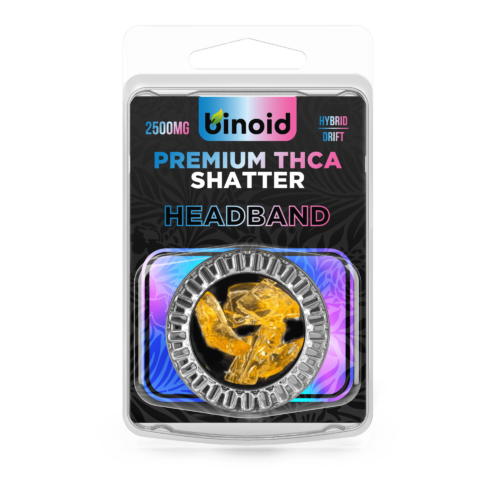
THCA Shatter – 2500mg
$37.99$59.99 -
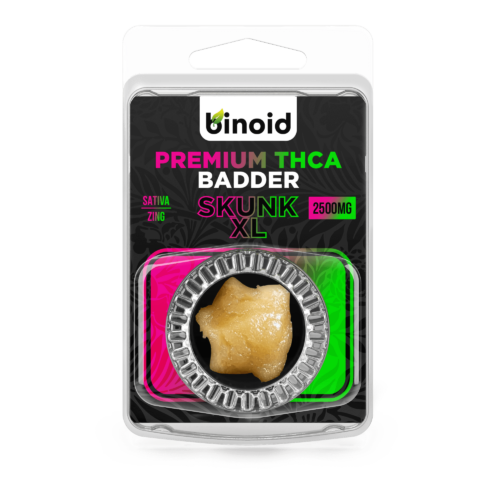
THCA Badder – 2500mg
$37.99$59.99 -
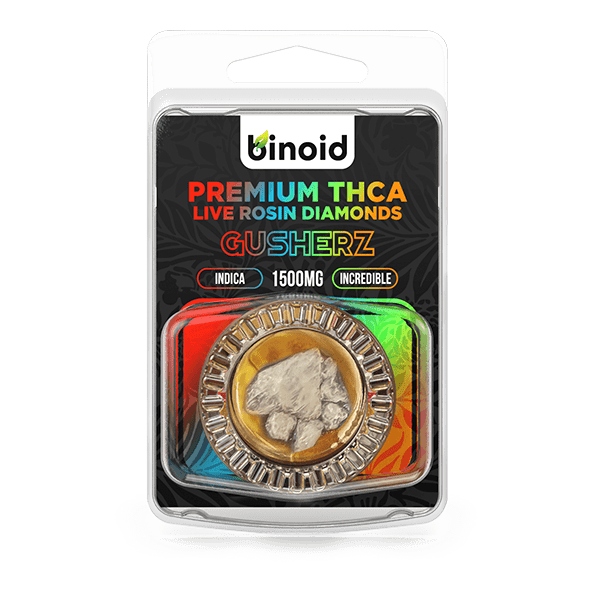
THCA Diamonds 1500mg – Live Rosin
$30.99$59.99 -
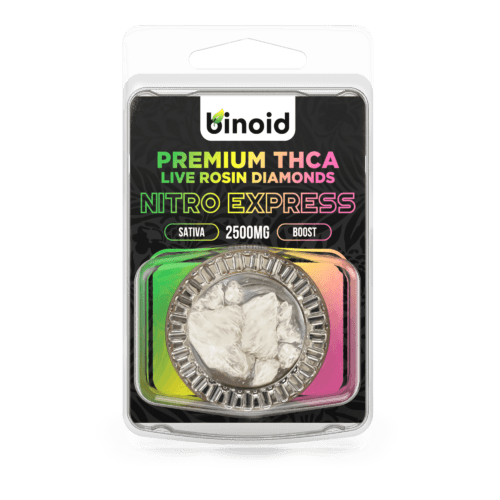
THCA Diamonds 2500mg – Live Rosin
$37.99$59.99