Pretty much everyone who lives in the US knows that Delta 9 THC is the most restricted compound in cannabis. Because it’s the intoxicant in marijuana, it’s historically been banned throughout the country, but with the new hemp-derived delta 9 products hitting the market, what does that mean for its legality? Let’s find out.
To Buy Delta 9 THC Products Click Here
Recommended products
-
13,000mg Good Luck Gummies
$47.99$79.99 -
THC Seltzer – Good Vibes Cannabis Drink (4 Pack)
$19.99$29.99 -
Delta 9 Mini Brownie Bites – 1000MG (Limited Supply)
$34.99$39.99 -
Delta 9 THC Gummies
$30.99$54.99

Is Delta 9 THC Legal Under United States Federal Law?
Hemp-derived, “federally compliant” Delta 9 THC products are considered legal because of the Farm Bill that passed in 2018, which legalized all hemp derivatives as long as they contain a maximum of 0.3% delta 9 THC. While marijuana, which contains far higher concentrations of delta 9, is still illegal in the United States, hemp-derived delta 9 products can be sold legally as long as they adhere to the legal limit of 0.3% by dry weight. And, companies have managed to produce products that fit within that legal limit, while the portion sizes are large enough that 0.3% delta 9 THC works out to be enough milligrams for a meaningful high.
What are the Delta 9 Laws According to Each State?
As you probably know, state laws can deviate from federal law when it comes to cannabis. So, let’s check out the legality of Delta 9 THC in each of the 50 states, pertaining to the THC in both hemp and marijuana.
-
Alabama: Hemp-derived delta 9 THC products are considered legal as long as they contain a maximum of 0.3% of the cannabinoid per dry weight. In Alabama, medical marijuana is also legal for qualifying patients, and possession of small amounts of marijuana has been decriminalized.
-
Alaska: Hemp-derived delta 9 THC products are considered legal as long as they contain a maximum of 0.3% of the cannabinoid per dry weight. At the same time, both medical and recreational cannabis use are legal in the state.
-
Arizona: Hemp-derived delta 9 THC products are considered legal as long as they contain a maximum of 0.3% of the cannabinoid per dry weight. And, online businesses are banned from shipping delta 9 THC to your home. However, Arizona does permit sales of both recreational and medical marijuana.
-
Arkansas: Hemp-derived delta 9 THC products are considered legal as long as they contain a maximum of 0.3% of the cannabinoid per dry weight. Recreational marijuana is prohibited in the state, although the state does offer a medical marijuana program to qualifying patients.
-
California: Hemp-derived delta 9 THC products are considered legal as long as they contain a maximum of 0.3% of the cannabinoid per dry weight. And, marijuana is legal both for recreational and medicinal use.
-
Colorado: Hemp-derived delta 9 THC products are considered legal as long as they contain a maximum of 0.3% of the cannabinoid per dry weight. Despite that, marijuana is legal, both recreationally and medicinally.
-
Connecticut: Hemp-derived delta 9 THC products are considered legal as long as they contain a maximum of 0.3% of the cannabinoid per dry weight. And, the state permits sales of recreational and medical marijuana.
-
Delaware: Hemp-derived delta 9 THC products are considered legal as long as they contain a maximum of 0.3% of the cannabinoid per dry weight. Recreational marijuana is illegal, although the state decriminalized small amounts of possession, and does maintain a medical marijuana program for qualifying patients.
-
Florida: Hemp-derived delta 9 THC products are considered legal as long as they contain a maximum of 0.3% of the cannabinoid per dry weight. The state also maintains legal medical marijuana for qualifying patients, but recreational use is strictly banned.
-
Georgia: Hemp-derived delta 9 THC products are considered legal as long as they contain a maximum of 0.3% of the cannabinoid per dry weight. Recreational marijuana is still prohibited in the state, although qualifying patients can purchase medical marijuana.
-
Hawaii: Hemp-derived delta 9 THC products are considered legal as long as they contain a maximum of 0.3% of the cannabinoid per dry weight. The state recently decriminalized small possession amounts of marijuana, and maintains a medical marijuana program, although recreational marijuana is prohibited.
-
Idaho: The state prohibits any hemp product that contains more than 0% THC, which means that hemp-derived products containing any delta 9 are strictly banned, and both recreational and medical use are banned.
-
Illinois: Hemp-derived delta 9 THC products are considered legal as long as they contain a maximum of 0.3% of the cannabinoid per dry weight. The state also permits sales of marijuana for both recreational and medicinal use.
-
Indiana: Hemp-derived delta 9 THC products are considered legal as long as they contain a maximum of 0.3% of the cannabinoid per dry weight. The state’s cannabis laws are otherwise strict, with both recreational and medical marijuana banned.
-
Iowa: Hemp-derived delta 9 THC products are considered legal as long as they contain a maximum of 0.3% of the cannabinoid per dry weight. As for marijuana laws, only medical marijuana is permitted for qualifying patients as recreational use is banned.
-
Kansas: Hemp-derived delta 9 THC products are considered legal as long as they contain a maximum of 0.3% of the cannabinoid per dry weight. Otherwise, Kansas prohibits any hemp products containing more than 0% THC, and both recreational and medical marijuana use are banned.
-
Kentucky: Hemp-derived delta 9 THC products are considered legal as long as they contain a maximum of 0.3% of the cannabinoid per dry weight. Recreational marijuana remains illegal, and medical marijuana only became legalized in February of 2022, with no legal framework existing yet, meaning that medical patients cannot yet make marijuana purchases.
-
Louisiana: Hemp-derived delta 9 THC products are considered legal as long as they contain a maximum of 0.3% of the cannabinoid per dry weight. Medical marijuana is legal for qualifying patients, and recreational use remains illegal.
-
Maine: Hemp-derived delta 9 THC products are considered legal as long as they contain a maximum of 0.3% of the cannabinoid per dry weight. The state also permits sales of both medical and recreational marijuana.
-
Maryland: Hemp-derived delta 9 THC products are considered legal as long as they contain a maximum of 0.3% of the cannabinoid per dry weight. When it comes to marijuana, medical patients can make purchases, but not recreational users.
-
Massachusetts: Hemp-derived delta 9 THC products are considered legal as long as they contain a maximum of 0.3% of the cannabinoid per dry weight. Delta 9 THC can be purchased as long as you’re of adult age. And, both recreational and medical marijuana are legal.
-
Michigan: Hemp-derived delta 9 THC products are considered legal as long as they contain a maximum of 0.3% of the cannabinoid per dry weight. The state also legalized both recreational and medical marijuana.
-
Minnesota: Hemp-derived delta 9 THC products are considered legal as long as they contain a maximum of 0.3% of the cannabinoid per dry weight. As for marijuana laws, medicinal use is permitted, but recreational is not.
-
Mississippi: Hemp-derived delta 9 THC products are considered legal as long as they contain a maximum of 0.3% of the cannabinoid per dry weight. Mississippi permits medical marijuana sales, but has very strict requirements for qualification, while recreational use is very much illegal.
-
Missouri: Hemp-derived delta 9 THC products are considered legal as long as they contain a maximum of 0.3% of the cannabinoid per dry weight. When it comes to marijuana, only medical use is permitted for qualifying patients.
-
Montana: Hemp-derived delta 9 THC products are considered legal as long as they contain a maximum of 0.3% of the cannabinoid per dry weight. And, recreational use of marijuana was recently legalized, while the state has maintained a medical marijuana program.
-
Nebraska: The state strictly bans any hemp products containing more than 0% delta 9 THC, which means that hemp-derived delta 9 products are forbidden. And, only in July of 2022 did the state finally approve a medical marijuana program, while recreational marijuana use is still illegal.
-
Nevada: Hemp-derived delta 9 THC products are considered legal as long as they contain a maximum of 0.3% of the cannabinoid per dry weight. The state does permit sales of both recreational and medical marijuana.
-
New Hampshire: Hemp-derived delta 9 THC products are considered legal as long as they contain a maximum of 0.3% of the cannabinoid per dry weight. Recreational marijuana use remains illegal in the state, but medical use for qualifying patients is permitted, and small possession amounts have been decriminalized.
-
New Jersey: Hemp-derived delta 9 THC products are considered legal as long as they contain a maximum of 0.3% of the cannabinoid per dry weight. The state has legalized both recreational and medical marijuana use.
-
New Mexico: Hemp-derived delta 9 THC products are considered legal as long as they contain a maximum of 0.3% of the cannabinoid per dry weight. Meanwhile, both recreational and medical marijuana are permitted in the state.
-
New York: Hemp-derived delta 9 THC products are considered legal as long as they contain a maximum of 0.3% of the cannabinoid per dry weight. New York has recently legalized recreational marijuana, and does maintain a medical marijuana program for qualifying residents.
-
North Carolina: Hemp-derived delta 9 THC products are considered legal as long as they contain a maximum of 0.3% of the cannabinoid per dry weight. Recreational marijuana, meanwhile, is illegal in the state, and for now, qualifying medical patients cannot purchase marijuana products containing more than 0.9% THC.
-
North Dakota: Hemp-derived delta 9 THC products are considered legal as long as they contain a maximum of 0.3% of the cannabinoid per dry weight. While North Dakota allows for medical marijuana sales, recreational sales are completely illegal.
-
Ohio: Hemp-derived delta 9 THC products are considered legal as long as they contain a maximum of 0.3% of the cannabinoid per dry weight. As for marijuana, medical sales for qualifying patients are permitted, and small possession amounts have been decriminalized, although recreational use remains prohibited.
-
Oklahoma: Hemp-derived delta 9 THC products are considered legal as long as they contain a maximum of 0.3% of the cannabinoid per dry weight. The state permits medical marijuana sales to qualifying patients, but recreational marijuana is still illegal.
-
Oregon: Hemp-derived delta 9 THC products are considered legal as long as they contain a maximum of 0.3% of the cannabinoid per dry weight. And, both medical and recreational marijuana sales are allowed.
-
Pennsylvania: Hemp-derived delta 9 THC products are considered legal as long as they contain a maximum of 0.3% of the cannabinoid per dry weight. The state, meanwhile, prohibits recreational marijuana sales, but does maintain a medical marijuana program.
-
Rhode Island: Hemp-derived delta 9 THC products are considered legal as long as they contain a maximum of 0.3% of the cannabinoid per dry weight. At the same time, recreational and medical marijuana are legal in the state.
-
South Carolina: Hemp-derived delta 9 THC products are considered legal as long as they contain a maximum of 0.3% of the cannabinoid per dry weight. The state prohibits marijuana sales, both for recreational and medicinal use.
-
South Dakota: In South Dakota any hemp product containing more than 0% delta 9 THC is banned, making hemp-derived delta 9 products strictly illegal. The state allows medical marijuana sales for qualifying patients, but does not permit recreational sales.
-
Tennessee: Hemp-derived delta 9 THC products are considered legal as long as they contain a maximum of 0.3% of the cannabinoid per dry weight. The state is very strictly anti-marijuana, however, with neither medical nor recreational sales allowed.
-
Texas: Hemp-derived delta 9 THC products are considered legal as long as they contain a maximum of 0.3% of the cannabinoid per dry weight. The state prohibits recreational marijuana, and qualifying medical marijuana patients can only buy products containing a maximum of 0.5% THC.
-
Utah: Hemp-derived delta 9 THC products are considered legal as long as they contain a maximum of 0.3% of the cannabinoid per dry weight. Recreational marijuana is also illegal in the state, although qualifying patients may join the medical marijuana program.
-
Vermont: Hemp-derived delta 9 THC products are considered legal as long as they contain a maximum of 0.3% of the cannabinoid per dry weight. And, recreational and medical marijuana have been legal for years in the state.
-
Virginia: Hemp-derived delta 9 THC products are considered legal as long as they contain a maximum of 0.3% of the cannabinoid per dry weight. The state also permits sales of marijuana for both medicinal and recreational use.
-
Washington: Hemp-derived delta 9 THC products are considered legal as long as they contain a maximum of 0.3% of the cannabinoid per dry weight. And, the state allows sales of both medical and recreational marijuana.
-
West Virginia: Hemp-derived delta 9 THC products are considered legal as long as they contain a maximum of 0.3% of the cannabinoid per dry weight. Meanwhile, medical marijuana is also legal for qualifying patients, although recreational use remains banned.
-
Wisconsin: Hemp-derived delta 9 THC products are considered legal as long as they contain a maximum of 0.3% of the cannabinoid per dry weight. The state does not, however, allow for sales of marijuana, either for recreational or medical use, although low-THC cannabis oils are permitted for qualified patients who have epilepsy.
-
Wyoming: Hemp-derived delta 9 THC products are considered legal as long as they contain a maximum of 0.3% of the cannabinoid per dry weight. The state, meanwhile, prohibits marijuana, both for recreational and medicinal use.
The Bottom Line
Delta 9 THC products made from hemp are legal under federal law if they comply with the Farm Bill, which requires that they can only contain a maximum of 0.3% of the cannabinoid, and as of now, only 4 states have banned anything above 0% THC. Just remember that these state laws can change, and because of that, you should make sure to regularly check your state’s laws regarding hemp products to see whether or not delta 9 THC is still legal where you live in the future.
To Buy Delta 9 THC Products Click Here
Recommended products
-
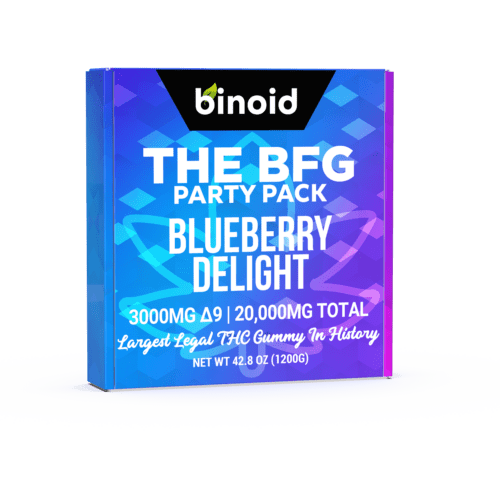
The BFG – 3000mg Delta 9 THC Gummy
$128.99$239.99 -
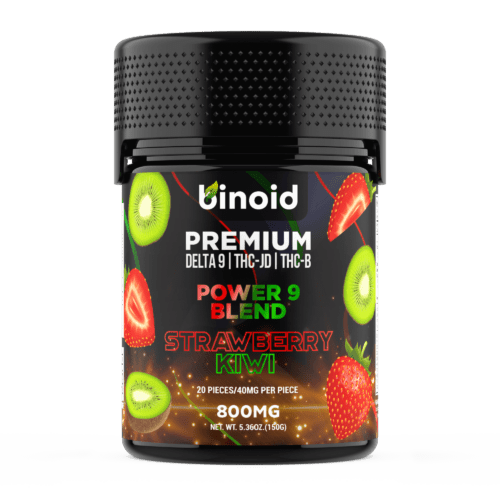
Power 9 Blend Gummies
$36.99$59.99 -
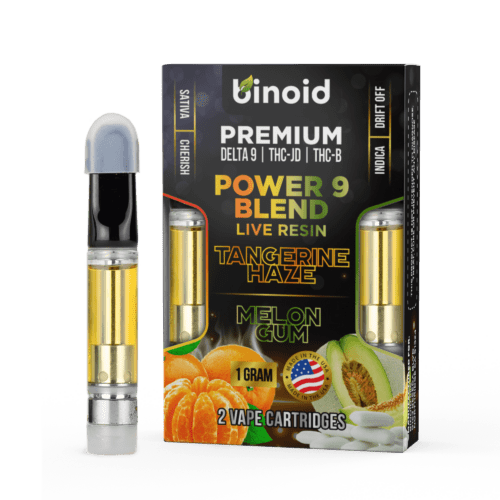
Power 9 Blend Live Resin Cartridge – 2 Pack Combo (Limited Time Sale)
$40.99$89.99 -
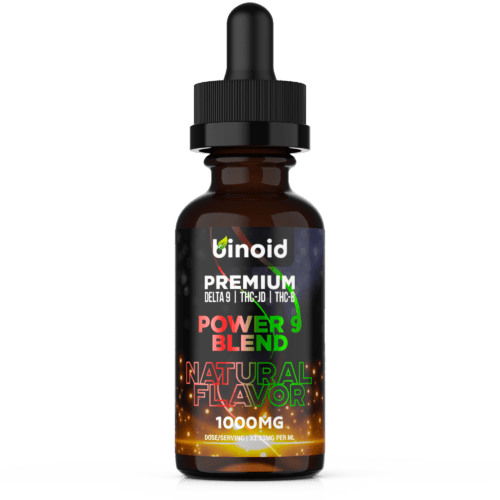
Power 9 Blend Tincture – 1000mg
$34.99$59.99