
If you’ve ever thought, “Why did this hit way harder last week?” or “Why do I suddenly need more to feel the same thing?” you’re not alone.
Cannabis tolerance isn’t fixed. It’s not stable. It’s not something you build once and then lock in forever. Your tolerance shifts. It rises. It falls. It resets. Sometimes it feels predictable, and other times it feels completely random.
One week you’re taking a few hits of flower and feeling lifted for hours. A month later, you’re wondering why it takes double that to reach the same place. Then maybe you take a short break, come back, and suddenly everything feels intense again.
So what’s actually happening?
Why does your weed tolerance change? Why does your body respond differently over time? And why can the same Binoid THCA flower or Binoid THC edibles feel totally different depending on when you use it?
The answer isn’t mysterious. It’s biology, chemistry, frequency, and a little bit of psychology all working together. Once you understand how tolerance actually works, it stops feeling random and starts making sense.
Let’s break it down.
To Buy THC Products Click Here
Recommended products
-
13,000mg Good Luck Gummies
$47.99$79.99 -
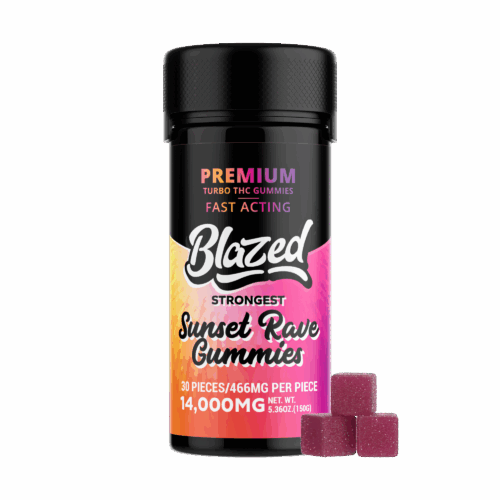
14,000MG Turbo THC Gummies – Blazed
$49.99$84.99 -
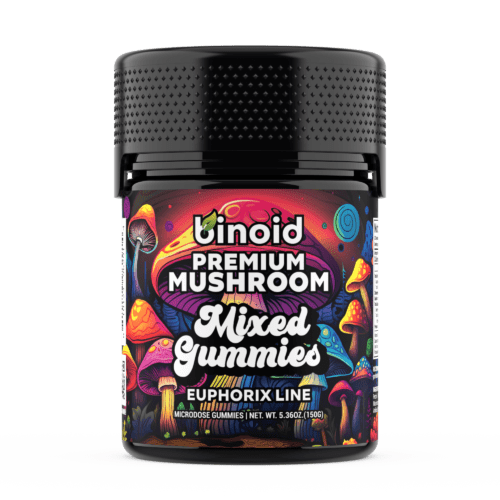
Mushroom Gummies – Microdose
$37.99$49.99 -
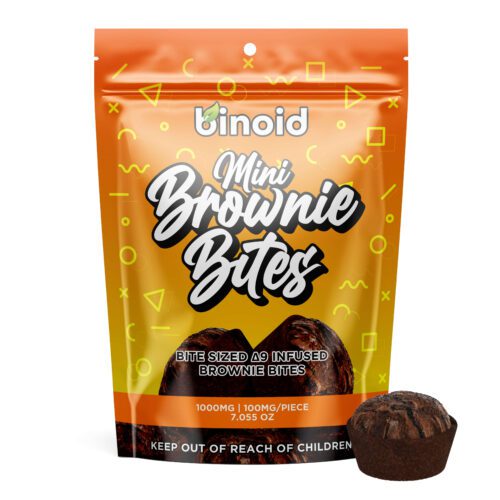
Delta 9 Mini Brownie Bites – 1000MG (Limited Supply)
$34.99$39.99

What Tolerance Really Means
Tolerance is simply your body adapting to repeated exposure.
When you consume THC—whether through smoking, vaping, dabbing, or edibles—it interacts with your endocannabinoid system. Specifically, THC binds to CB1 receptors in your brain. Those receptors are part of a larger regulatory system involved in mood, perception, appetite, memory, and more.
When you use cannabis occasionally, those receptors respond strongly. When you use cannabis frequently, your body adapts.
It does that in a few ways. One of the main mechanisms is receptor downregulation. In simple terms, your brain reduces the sensitivity or number of available CB1 receptors because it’s being stimulated regularly. Your body is trying to maintain balance.
That means the same amount of THC produces less noticeable effects over time.
It’s not that the flower or edible got weaker. It’s that your receptors adjusted.
This happens whether you’re using traditional cannabis, Binoid hemp-derived THC products, THCA flower, or other cannabinoid blends. If THC is interacting with CB1 receptors repeatedly, your body adapts.
Frequency Is the Biggest Driver
How often you use cannabis is the single biggest factor in tolerance changes.
If you consume occasionally—once a week, for example—your tolerance will likely stay relatively low. If you consume daily, your body adapts more quickly.
If you consume multiple times per day, your tolerance can climb even faster.
It’s not about judgment. It’s about exposure.
Someone who smokes Binoid THCA flower every night may gradually notice it feels milder than it did in the beginning. Someone who rotates between Binoid THC gummies and vape carts throughout the day may notice a quicker shift in how strong things feel.
The more consistently receptors are activated, the more they adapt.
Why Tolerance Builds Faster for Some People
Not everyone builds tolerance at the same speed.
Your individual biology plays a major role. Genetics influence how your endocannabinoid system functions. Some people naturally have more sensitive CB1 receptors. Others metabolize cannabinoids more efficiently.
Body composition also matters. THC is fat-soluble, meaning it can be stored in fat tissue. Individuals with higher body fat percentages may process and store cannabinoids differently than those with lower percentages.
Metabolism affects how quickly THC and its metabolites are cleared from your system. A faster metabolism may cycle cannabinoids out more quickly, potentially influencing how tolerance feels over time.
Even sleep patterns, stress levels, and diet can subtly impact how your body responds to cannabis.
That’s why two people can consume the same Binoid THC product at the same frequency and experience completely different tolerance curves.
Edibles vs. Smoking: Tolerance Isn’t Identical
Tolerance isn’t just about how much THC you consume. It’s also about how you consume it.
When you smoke or vape THC, it enters the bloodstream quickly and binds to receptors almost immediately. When you consume edibles, THC is metabolized by the liver into 11-hydroxy-THC before entering circulation.
Because 11-hydroxy-THC behaves somewhat differently and lasts longer, some users find that edible tolerance develops differently than inhaled tolerance.
For example, someone may build a noticeable tolerance to smoking Binoid THCA flower but still feel strong effects from a moderate-dose Binoid THC gummy. Others may experience the reverse.
Route of administration changes how your body processes cannabinoids, which influences tolerance patterns.
Cross-Tolerance Between Cannabinoids
THC isn’t the only cannabinoid that interacts with CB1 receptors.
Delta 9 THC, Delta 8 THC, THCA (when heated), and other THC analogs all bind to similar receptor sites. That means regular use of one can influence tolerance to others.
If you regularly use hemp-derived Delta 9 THC products from Binoid, you may notice reduced sensitivity when trying a different THC format. That’s cross-tolerance at work.
However, cannabinoids like CBD interact differently and do not produce the same type of tolerance pattern. Minor cannabinoids such as CBG, CBN, or CBC may influence the overall experience, but they don’t drive tolerance in the same way THC does.
This is why rotating products or incorporating different cannabinoid profiles can sometimes feel like a reset without a full break.
Why Your Tolerance Sometimes Drops Suddenly
Here’s something people don’t talk about enough: tolerance can drop faster than you think.
Even a short break—sometimes just a few days—can begin to restore receptor sensitivity. Research suggests that CB1 receptor density can start to recover relatively quickly once THC exposure stops.
That’s why someone can take a week off and come back to Binoid THCA flower or Binoid THC vapes and feel like it’s their first time again.
This is commonly referred to as a tolerance break, or “T-break.”
You don’t necessarily need a month off for your tolerance to shift. Even small pauses can make a noticeable difference.
Stress, Mood, and Why the Same Dose Feels Different
Tolerance isn’t purely biological. Psychological factors matter too.
If you’re stressed, distracted, or overstimulated, the same amount of THC may feel less noticeable because your baseline state is different.
If you’re relaxed and in a comfortable environment, the same dose may feel stronger.
This isn’t placebo. Your brain processes psychoactive experiences in context. Mood influences perception. Setting shapes intensity.
That’s why the same Binoid edible can feel mellow one day and surprisingly immersive another day—even if your tolerance hasn’t technically changed much.
The Plateau Effect
Many regular users hit what feels like a plateau.
At first, tolerance rises quickly. Then it stabilizes. After a certain point, increasing dosage produces diminishing returns.
This plateau happens because receptor downregulation can only go so far. Your body finds a new equilibrium.
Some users chase higher doses trying to break through that plateau, but often the more effective strategy is spacing out sessions or adjusting frequency rather than simply increasing milligrams.
Understanding this prevents unnecessary overconsumption.
Why Changing Strains Can Feel Like a Reset
Even when your THC tolerance is high, switching terpene profiles can make a strain feel different.
Terpenes influence the subjective experience of cannabis. While they don’t override tolerance entirely, they shape how the high feels.
Someone accustomed to heavy myrcene-dominant strains may switch to a limonene-forward Binoid THCA flower strain and perceive a brighter or clearer experience—even if THC tolerance remains steady.
This isn’t a true tolerance reset. It’s variation in effect profile.
Still, it can feel refreshing.
Microdosing vs. Heavy Use
Another factor in tolerance shifts is dosing style.
Microdosing—using very small amounts consistently—may maintain lower tolerance compared to heavy, high-dose sessions.
Large doses repeatedly stimulate receptors more aggressively, which can accelerate adaptation.
Users who consume high-potency concentrates regularly may notice faster tolerance increases compared to those who stick to moderate amounts of flower or low-dose edibles.
Balance matters.
Lifestyle Changes Affect Tolerance
If you’ve ever noticed your tolerance shift during a vacation, after starting a new workout routine, or during a particularly stressful period, that’s not coincidence.
Exercise influences metabolism. Hydration affects how your body processes compounds. Sleep impacts receptor sensitivity. Diet plays a subtle role in how cannabinoids are absorbed.
Even changes in daily routine can alter how cannabis feels.
So when someone says, “This used to hit harder,” it may not be just the product. It may be everything else around it.
Age and Long-Term Patterns
As you age, your body chemistry changes.
Hormonal shifts, metabolism changes, and neurological adaptation can all influence how THC interacts with your system.
Long-term users may find that their tolerance stabilizes differently compared to when they first started.
This doesn’t mean cannabis stops working. It simply means your baseline response evolves.
Recommended products
-
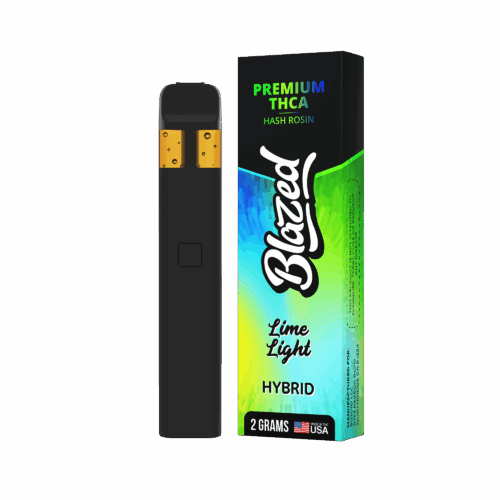
2 Gram THCA Disposable Hash Rosin – Blazed
$37.99$59.99 -
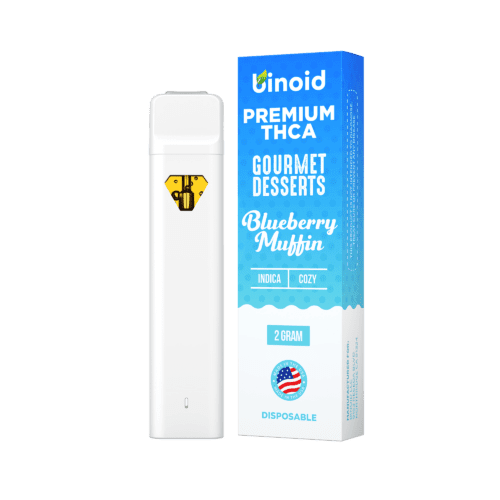
THCA Disposable 2 Gram – Gourmet Desserts
$37.99$73.00 -
Functional THC Gummies
$33.99$59.99 -
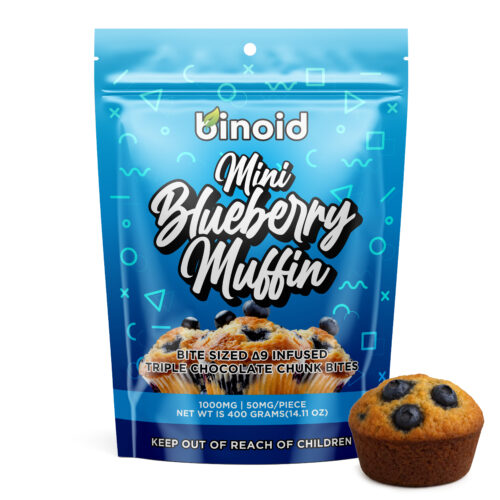
Delta 9 Mini Blueberry Muffin Bites – 1000MG (Limited Supply)
$34.99$39.99
Why Tolerance Isn’t a Bad Thing
Tolerance isn’t a flaw. It’s a normal biological response.
Your body is designed to maintain balance. If something repeatedly stimulates a receptor, adaptation follows.
For some users, mild tolerance is actually desirable. It allows them to enjoy cannabis regularly without feeling overwhelmed.
For others, keeping tolerance low enhances novelty and intensity.
There’s no universal “correct” level.
Managing Tolerance Without Overcomplicating It
If you want to maintain sensitivity without taking long breaks, spacing sessions can help. Rotating between Binoid THC flower, vape products, and edibles may also shift the experience enough to prevent monotony.
Paying attention to dosage instead of automatically increasing it is important. Often, simply consuming slightly less or slightly less often can stabilize tolerance.
If you choose to take a tolerance break, even short pauses can help restore sensitivity.
But ultimately, understanding that tolerance changes naturally removes the frustration.
Final Thoughts: Your Body Is Always Adjusting
Your weed tolerance changes because your body adapts. Receptors respond to frequency. Metabolism influences intensity. Psychology shapes perception. Lifestyle affects processing.
It’s not random. It’s dynamic.
The same Binoid THCA flower strain can feel different month to month not because the product changed, but because you did.
Tolerance rises. It falls. It stabilizes. It resets.
Once you understand that it’s part of the process, it stops feeling unpredictable and starts feeling manageable.
And whether you prefer premium hemp-derived THC flower, Binoid THC edibles, or vape products, knowing how tolerance works lets you approach cannabis more intentionally instead of guessing why it “hits different” each time.
Your body is always adjusting.
Now you know why.
To Buy THC Products Click Here
Recommended products
-
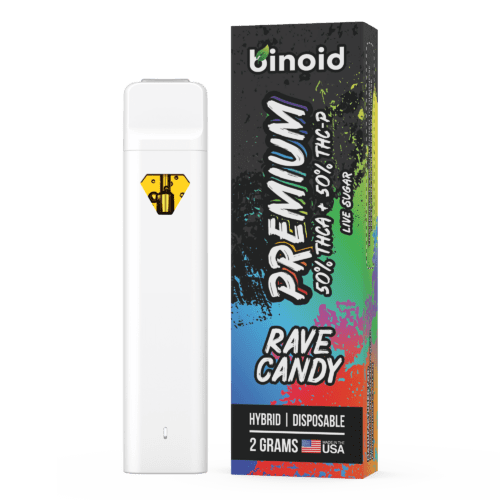
Live Sugar THCA + THC-P Disposable Vape – Pure 50/50
$39.99$69.99 -
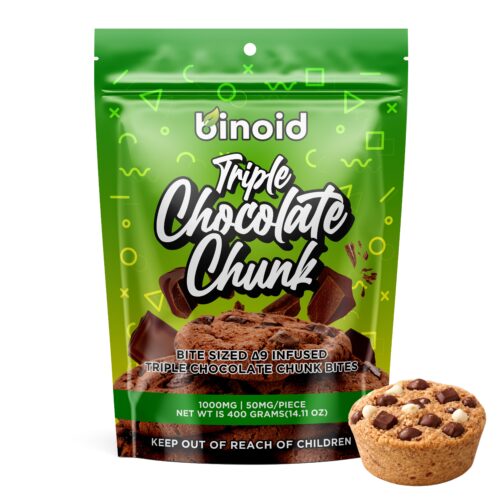
Delta 9 Mini Triple Chocolate Chunk Bites – 1000MG (Limited Supply)
$34.99$39.99 -
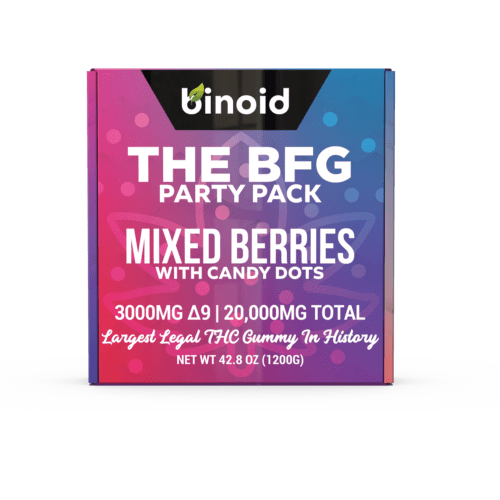
The BFG w/Candy Dots – 3000mg Largest Legal Gummy
$129.99$239.99 -
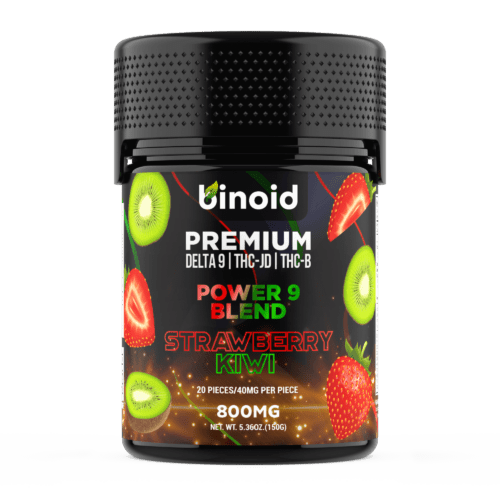
Power 9 Blend Gummies
$36.99$59.99