If you’ve been keeping a pulse on the cannabis culture evolution over the last few years, you know we’ve officially left the “one-size-fits-all” era behind. The days of simply asking for “the strong stuff” have been replaced by a sophisticated molecular menu. Today’s high-fidelity consumer isn’t just looking for a buzz; they are looking for a specific frequency. We’ve seen Delta 8 establish itself as the smooth, functional middle ground and THCA products bridge the gap between hemp and traditional flower. But as we move through 2026, two titans have emerged at the center of every “potency” debate: the undisputed heavyweight champion, Delta 9 THC, and its supercharged, long-distance successor, THC-P.
At first glance, the difference between Delta 9 and THC-P might seem like a minor chemical footnote. However, in the world of hemp derived cannabinoids, that footnote represents a seismic shift in how we experience the plant. It is the difference between a classic, well-traveled road and a high-speed launch into a new dimension. With brands like Binoid CBD leading the charge by offering precision-dosed vapes, gummies, and concentrates, understanding the “intensity gap” has never been more important. In this deep-dive guide, we’re stripping away the jargon to explain why THC-P is being called the “30x molecule,” how Delta-9 remains the golden benchmark, and how to navigate this galactic leap without losing your footing.
To Buy Delta 9 THC Products Click Here
Recommended products
-
13,000mg Good Luck Gummies
$47.99$79.99 -
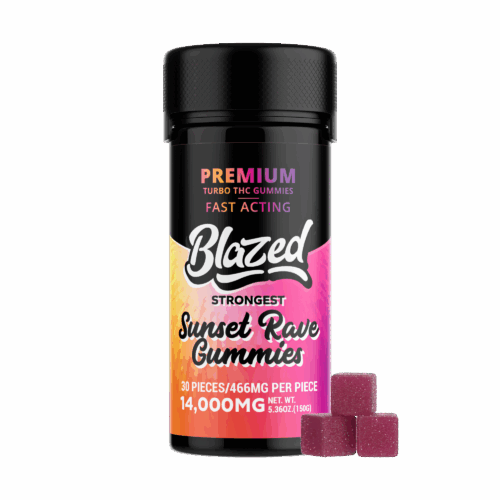
14,000MG Turbo THC Gummies – Blazed
$49.99$84.99 -
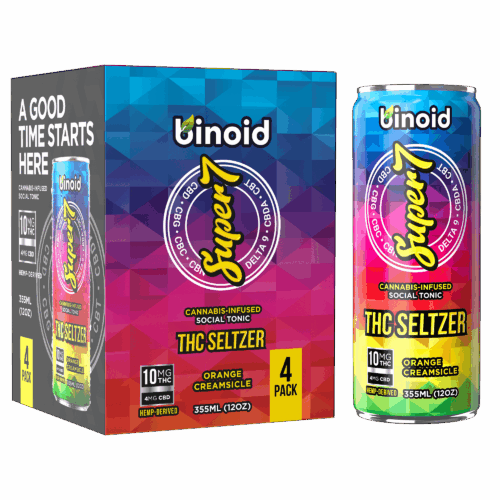
Super 7 THC Beverage – One of a Kind (4 Pack)
$24.99$37.99 -
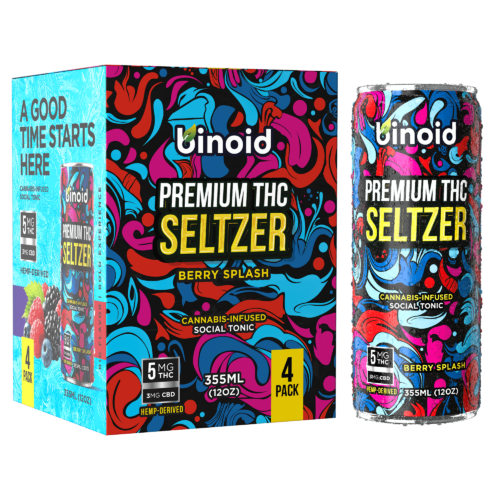
THC Seltzer – Good Vibes Cannabis Drink (4 Pack)
$19.99$29.99

The Molecular Blueprint: What Exactly is Delta-9 THC?
To understand the newcomer, we have to start with the legend. Delta-9 tetrahydrocannabinol, or Delta 9 THC, is the “OG” molecule. It is the primary psychoactive compound that has defined human interaction with cannabis for millennia. Whether it’s sourced from traditional marijuana or extracted from compliant hemp, Delta-9 is the molecule responsible for the classic euphoric “high.” It is the standard by which every other cannabinoid is measured.
Structurally, Delta 9 is defined by a five-carbon alkyl side chain. This specific shape allows it to “shake hands” with the CB1 receptors in your brain—the locks that, when turned, trigger dopamine release and sensory shifts. In the modern cannabis culture evolution, Delta-9 is cherished for its balance. It provides a full-spectrum immersion that touches the mind and body in equal measure. It is predictable, well-studied, and, thanks to the precision of brands like Binoid CBD, more accessible than ever before in legal, hemp-derived formats.
The Discovery of the Titan: What is THC-P?
If Delta-9 is the classic, then THC-P (tetrahydrocannabiphorol) is the wild card that changed the game. Discovered relatively recently in 2019 by a team of Italian researchers, THC-P is a naturally occurring cannabinoid found in trace amounts within certain cannabis strains. What makes it a “Titan” isn’t its abundance—it’s its architecture.
While Delta-9 has a five-carbon chain, THC-P possesses a seven-carbon alkyl side chain. In the world of organic chemistry, the length of this tail is everything. That extra “length” allows THC-P to bind to your CB1 receptors with significantly higher affinity—studies suggest it binds up to 33 times more effectively than standard Delta-9. This discovery sent shockwaves through the industry, effectively moving the “potency ceiling” higher than anyone previously thought possible. It transformed our understanding of hemp derived cannabinoids from “alternatives” into “supercharged successors.”
The Potency Myth: Is It Really 33 Times Stronger?
When you browse the digital shelves of Binoid CBD, you’ll often see the “33x more potent” figure mentioned. It’s important to understand what that actually means for your session. In a lab setting, THC-P binds to receptors 33 times more efficiently, but that doesn’t mean you will feel 33 times “higher” than you do on Delta-9. Human biology is more complex than a petri dish.
In real-world applications, most experienced users describe THC-P as being significantly more intense—perhaps 5 to 10 times stronger in terms of the perceived “peak.” The true power of THC-P lies in its efficiency. You need a much, much smaller dose to achieve a profound state of being. Where a seasoned enthusiast might reach for a 10mg Delta-9 gummy, they might find that a mere 1mg of THC-P provides a deeper, more immersive journey. It is “high-fidelity” potency: clearer, heavier, and more intentional.
The Subjective High: Delta-9’s Balance vs. THC-P’s Immersion
The choice between these two molecules often comes down to the “texture” of the high you’re seeking. Delta 9 is the “balanced” high. It offers a well-rounded experience—euphoria, sensory enhancement, and a comfortable physical relaxation. It is the choice for social gatherings, creative brainstorming, or a classic evening wind-down. You know the “map” of Delta-9; you know where it peaks and where it lands.
THC-P, however, is about total immersion. It tends to be much more “head-heavy” and introspective. Users often report an amplified sense of “presence,” where music takes on a tactile quality and time seems to stretch in fascinating ways. Physically, THC-P can provide a much more significant “body-hum” that lasts long after the initial peak has passed. It is an “event” cannabinoid—the kind of experience you plan your day around rather than something you use “on the go.”
The Biological Clock: Onset and the Marathon Duration
One of the most defining differences in the cannabis culture evolution is our focus on “duration.” Delta 9 is a “sprinter.” When vaped, it hits within minutes and typically tapers off within two to three hours. When eaten, it might last six to eight hours. It respects your schedule, allowing you to “land” and return to your daily routine with relative ease.
THC-P is a “marathon runner.” Because it binds so tenaciously to your receptors, it does not let go quickly. A THC-P high is famously long-lasting, with vaped effects often stretching into the four or five-hour mark and edibles potentially lasting 12 to 24 hours. This “long-tail” effect is part of why it has become such a legend. It provides a deep, persistent frequency that stays with you, making it the premier choice for those seeking a total system reset over a long weekend or a deep dive into meditative relaxation.
Recommended products
-
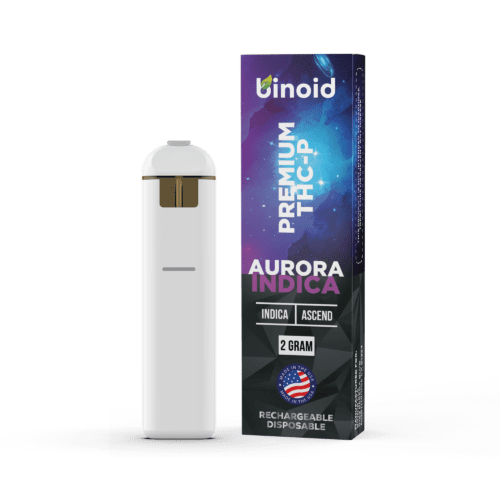
THC-P Rechargeable Disposable – 2 Gram
$31.00$59.99 -
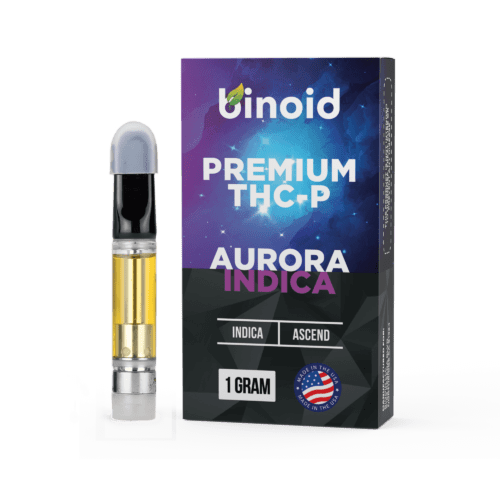
THC-P Vape Cartridge
$29.99$59.99 -
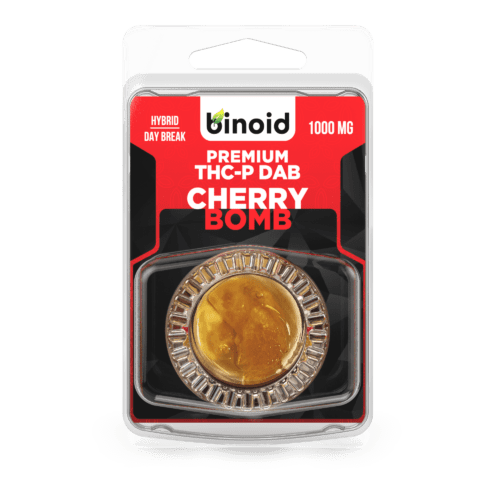
THC-P Wax Dabs
$29.99$57.99 -
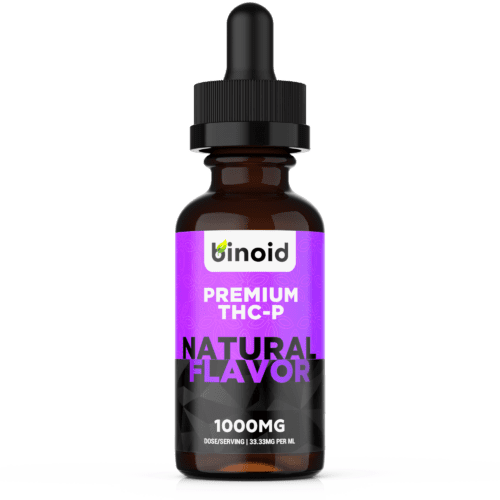
THC-P Tincture – 1000mg
$30.99$79.99
The Precision of Dosing: “Low and Slow” as a Survival Skill
Because THC-P is so potent, the margin for error is significantly smaller than with Delta 9. If you overdo it with Delta-9, you might feel a bit sleepy or “racy” for an hour. If you overdo it with THC-P, you are committed to that intensity for a much longer window. This is where the Binoid CBD commitment to precision becomes a vital safety feature.
The professional standard for THC-P is “micro-dosing.” Most high-quality THC-P gummies are formulated in the 1mg to 2mg range, while Delta-9 counterparts are often 10mg to 25mg. When trying THC-P for the first time, the “rice grain” rule applies: start with a tiny fraction of what you think you need. Wait at least two full hours (especially with edibles) before considering a second dose. In the cannabis culture evolution, the most sophisticated users are the ones who can reach the highest altitudes with the smallest amount of fuel.
The Entourage Effect: Why THC-P Blends are Winning 2026
While pure THC-P is a fascinating experience, the trend this year has shifted toward “Molecular Stacking.” Many of the most popular products at Binoid CBD aren’t just one molecule; they are “Master Blends” that pair THC-P with Delta 8, HHC, or THCA products. This is a strategic move designed to create a more balanced and manageable experience.
By using Delta 9 or Delta 8 as a “base,” formulators can provide the familiar, comfortable body-hum we all love, while using a small percentage of THC-P to “boost” the mental euphora and extend the duration. These blends are like a high-end cocktail—the THC-P is the powerful base spirit, and the other cannabinoids are the mixers that make the final result smooth, palatable, and complex. This “layered” high is often reported to be more satisfying than any single isolate, providing a “surround-sound” experience for your endocannabinoid system.
The Legal Framework: How THC-P Stays Compliant
This is often the most confusing part for the casual smoker: how is something 10 times stronger than traditional weed legal to buy online? The answer lies in the source. Under the 2018 Farm Bill, any cannabinoid derived from industrial hemp is federally legal as long as the final product contains less than 0.3% Delta 9 THC by dry weight.
Because THC-P is a distinct molecule from Delta-9, it fits into this legal window. Brands like Binoid CBD extract CBD from hemp and then utilize a controlled conversion process to create THC-P. This allows them to deliver “Super-Cannabinoid” potency to a nationwide audience while remaining strictly within federal guidelines. However, as we move through 2026, the legal landscape is constantly shifting. Some states have moved to restrict these “analog” cannabinoids, so always check your local regulations and look for third-party lab reports (COAs) to ensure your stash is clean, compliant, and correctly dosed.
Tolerance and the “Receptor Fatigue” Factor
One reality of the cannabis culture evolution is the “Tolerance Trap.” Because THC-P binds so strongly to your CB1 receptors, it can lead to “receptor fatigue” more quickly than standard Delta 9. If you use THC-P every day, your body may “downregulate” its receptors to maintain balance, making it harder to feel the effects of any cannabinoid over time.
Sophisticated enthusiasts manage this by treating THC-P as a “special event” compound. They might use Delta 8 or THCA products for their daily ritual and reserve THC-P for the weekends or a monthly deep-dive session. This rotation keeps your endocannabinoid system fresh and ensures that when you do reach for that THC-P vape from Binoid CBD, it delivers the full, stratospheric impact you’re looking for. It’s about quality over quantity—a philosophy that defines the modern connoisseur.
Safety and the “Clean” Standard: Why Your Source Matters
With a cannabinoid as powerful as THC-P, purity is not just a preference—it’s a safety requirement. Because you are consuming such small amounts to achieve such a large effect, any impurities in the extraction process (like heavy metals or residual solvents) are also potentially being concentrated. This is why you should never buy “gas station” THC-P.
Leading brands like Binoid CBD have built their reputation on transparency. Every batch of THC-P is subjected to rigorous third-party testing to verify not just the potency, but the purity of the molecule. A clean THC-P high should feel lucid, immersive, and euphoric. If a product feels “muddy,” induces an immediate headache, or has a chemical aftertaste, it’s a sign of a poor extraction. In the cannabis culture evolution, your lab report is your “Receipt of Purity.” If a brand won’t show you the COA, they don’t deserve your session.
Recommended products
-
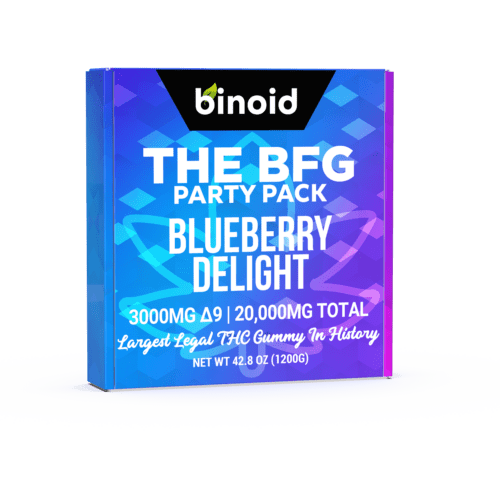
The BFG – 3000mg Delta 9 THC Gummy
$128.99$239.99 -
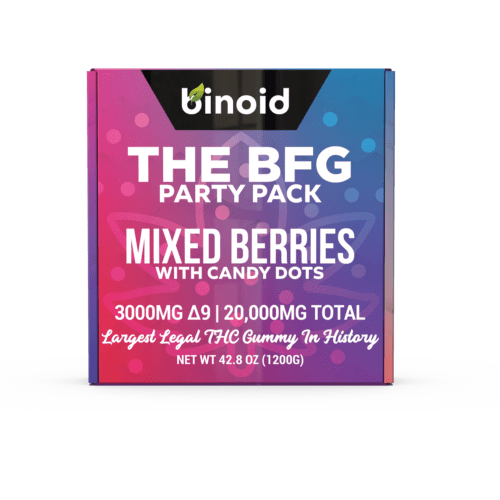
The BFG w/Candy Dots – 3000mg Largest Legal Gummy
$129.99$239.99 -
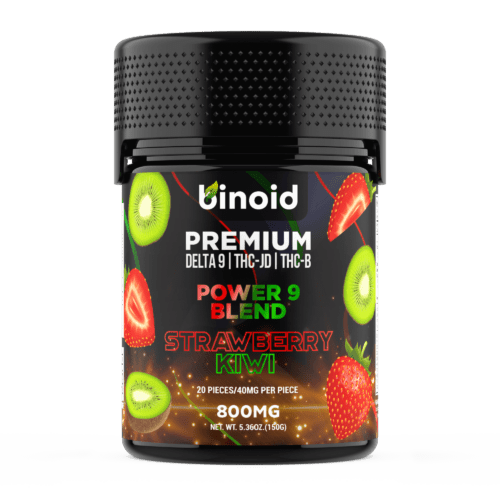
Power 9 Blend Gummies
$36.99$59.99 -
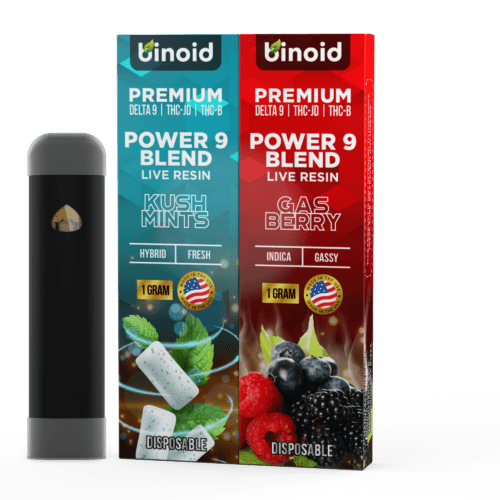
Power 9 Blend Live Resin Disposable – 2 Pack Combo (Limited Time Sale)
$44.99$89.99
Identifying the Ideal User: Is THC-P Calling Your Name?
THC-P is a specialized tool, and like any tool, it’s most effective when matched with the right intention. It is not necessarily the “better” version of THC; it is simply a different version. It is the premier choice for:
The “Tolerance Pioneer”: The individual who feels they have reached the “potency ceiling” of standard Delta 9 and is looking for a legitimate next level.
The “Chronic Navigator”: Those seeking long-lasting relief from persistent physical tension or sleep issues, where the 8-hour window of standard THC isn’t enough.
The “Deep-Dive” Creative: Artists and thinkers who want to inhabit a “flow state” for a much longer period than a standard vape allows.
The “High-Fidelity” Enthusiast: Those who appreciate the molecular science of the plant and want to experience the absolute cutting edge of the cannabis culture evolution.
Final Thoughts: Finding Your Ground in the Crystalline Era
The debate of “Delta 9 vs. THC-P” is a testament to how far we’ve come. We are no longer limited by what the raw plant gives us in high concentrations; we are now able to curate our own biology with surgical precision. Delta-9 remains the gold standard—the reliable, balanced “OG” that we all know and love. But THC-P is the “Turbocharged” future, offering a depth and duration that has fundamentally changed the game.
In the expansive universe of Binoid CBD, these molecules exist as a spectrum of choice. Whether you want the classic, well-rounded high of a Delta-9 gummy or the stratospheric, long-distance journey of a THC-P vape, the power is in your hands. The cannabis culture evolution is about agency—the ability to choose exactly how you want to feel and how long you want to stay there. So, find your frequency, respect the dose, and enjoy the view from the top of the potency ladder.
To Buy THC-P Products Click Here
Recommended products
-
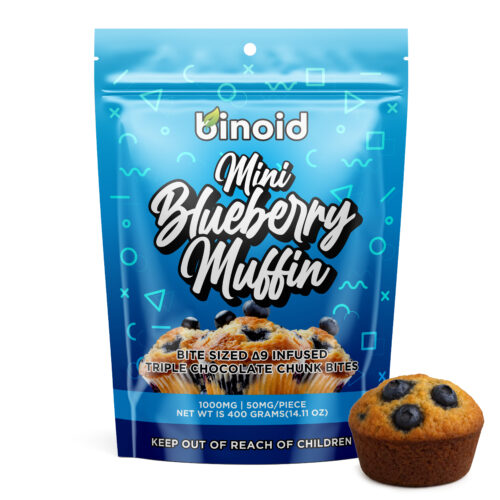
Delta 9 Mini Blueberry Muffin Bites – 1000MG (Limited Supply)
$34.99$39.99 -
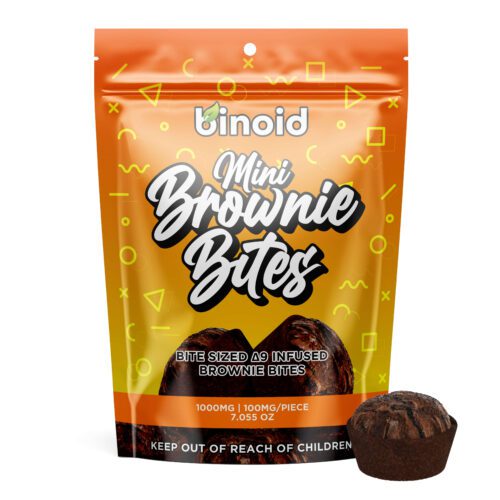
Delta 9 Mini Brownie Bites – 1000MG (Limited Supply)
$34.99$39.99 -
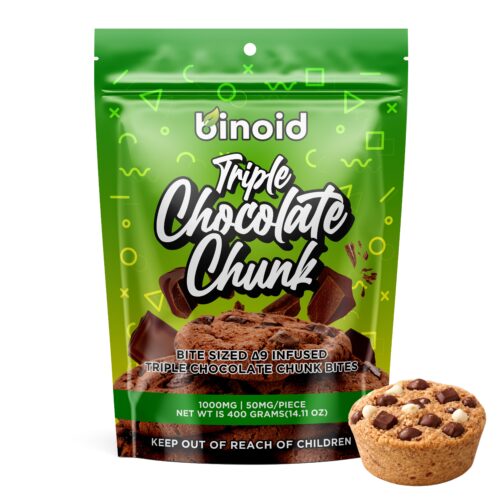
Delta 9 Mini Triple Chocolate Chunk Bites – 1000MG (Limited Supply)
$34.99$39.99 -
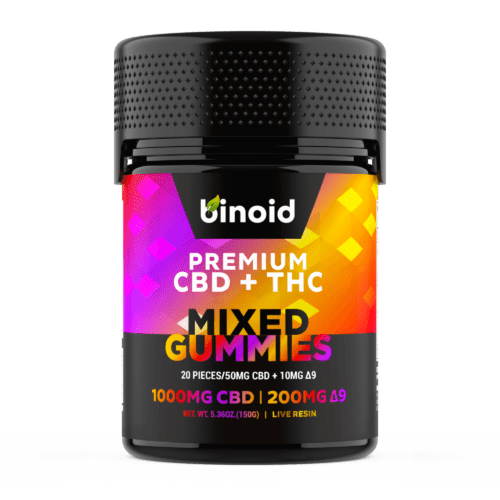
Delta 9 THC Gummies
$30.99$54.99