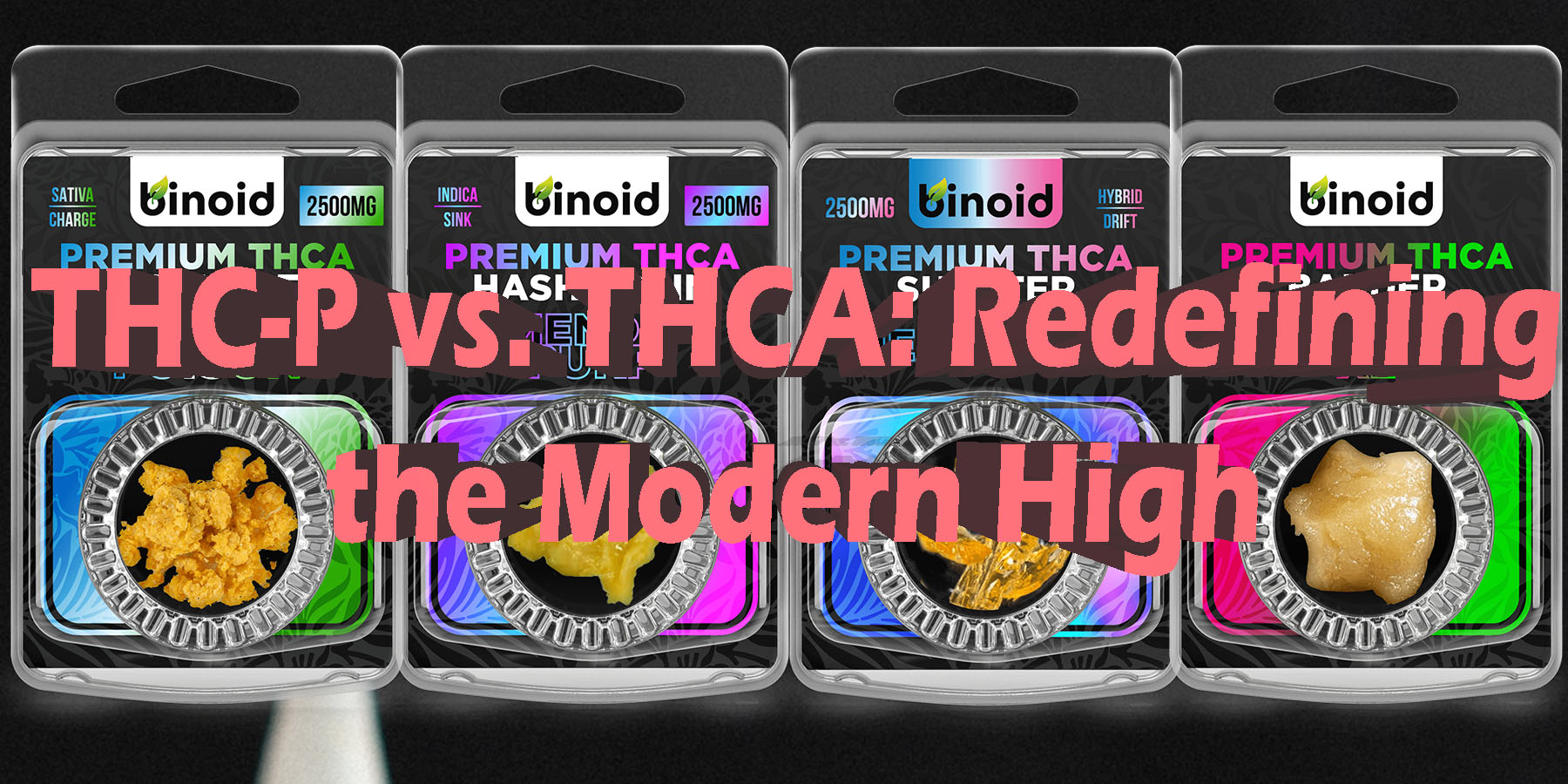
The Evolution of Cannabis Is Happening Right Now
Cannabis culture has never been static, but the speed at which it’s evolving today is something entirely different. What was once a straightforward experience—roll something up, light it, and enjoy—has transformed into a layered, highly customizable world of cannabinoids, delivery methods, and effects. The emergence of hemp derived cannabinoids has changed the rules, creating space for compounds that push far beyond traditional expectations.
Among the most intriguing of these are THC-P and THCA. These two cannabinoids are often mentioned in the same breath, yet they represent completely different philosophies within cannabis. One is rooted in the plant’s natural chemistry, preserved in its raw form until activated. The other is a product of modern cannabinoid science, engineered to deliver an experience that feels more intense, more concentrated, and in many ways, more experimental.
Brands like Binoid CBD have embraced both sides of this evolution, offering products that cater to traditional smokers and adventurous users alike. From terpene-rich THCA flower to ultra-potent THC-P disposables, tinctures, gummies, and cartridges, the modern consumer now has access to a spectrum of experiences that simply didn’t exist a decade ago.
Understanding THC-P vs. THCA is no longer optional if you want to keep up with cannabis in its current form. It’s essential. Because this isn’t just about choosing a product—it’s about choosing the kind of high you want to have.
To Buy THCA Products Click Here
Recommended products
-
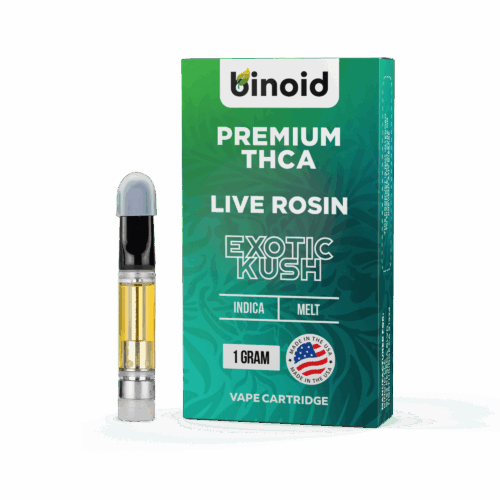
THCA Vape Cartridge – Live Rosin
$30.99$59.99 -
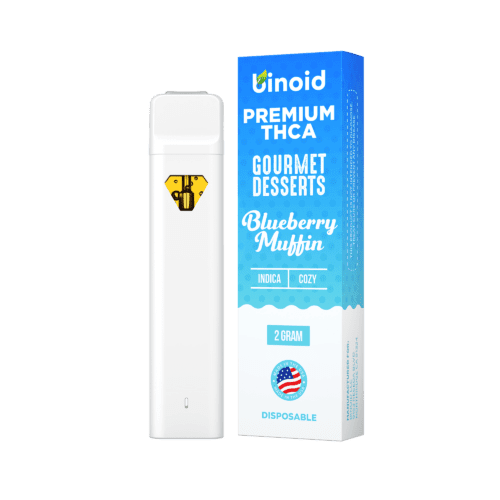
THCA Disposable 2 Gram – Gourmet Desserts
$37.99$73.00 -
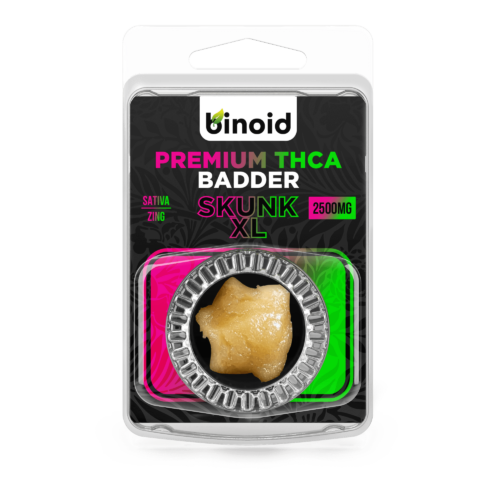
THCA Badder – 2500mg
$37.99$59.99 -
1 Gram THCA Disposable Vapes – Live Rosin
$32.99$67.99
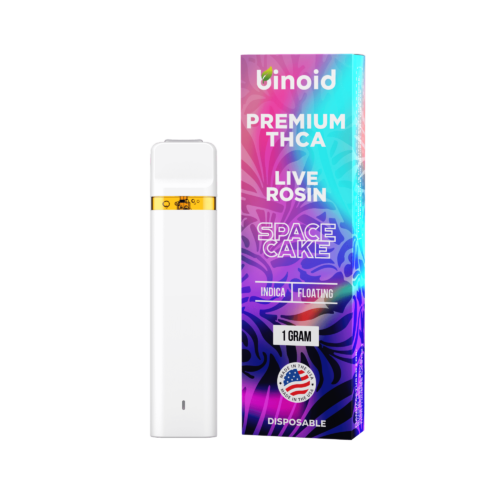
THCA: The Raw Origin of the Classic Cannabis Experience
To understand THCA is to understand cannabis at its core. Tetrahydrocannabinolic acid is the compound that exists naturally in freshly harvested cannabis. Before any flame touches the flower, before any vapor is inhaled, before any edible is infused, THCA is already there, quietly holding the potential for what comes next.
In its raw state, THCA does not produce the psychoactive effects typically associated with cannabis. This is due to its molecular structure, which prevents it from interacting with cannabinoid receptors in the same way as THC. The transformation happens when heat is introduced. Through decarboxylation, THCA sheds a component of its structure and becomes Delta-9 THC, unlocking the effects that define the traditional high.
This process is fundamental to nearly every cannabis experience, yet it has taken on new importance in the hemp market. THCA flower has surged in popularity because it exists in a legal gray area. As long as it remains unheated, it can be classified as hemp under certain regulations, even though it delivers a full THC experience when smoked.
What this means for consumers is access. High-quality THCA flower, like what’s found on Binoid CBD, offers the look, smell, and performance of dispensary-grade cannabis without the same limitations. These products are cultivated with attention to detail, emphasizing trichome development, terpene richness, and strain-specific characteristics.
Smoking THCA flower feels familiar because it is familiar. It’s the continuation of a cannabis tradition that stretches back generations, now reintroduced through a modern legal framework.
THC-P: The Rise of a New Kind of Power
If THCA represents the roots of cannabis, THC-P represents its future. Tetrahydrocannabiphorol is one of the most potent cannabinoids discovered to date, and its presence in the market signals a shift toward intensity and precision that is reshaping how people approach getting high.
Unlike THCA, THC-P is not abundant in the cannabis plant. It exists only in trace amounts, which means that the products available today rely on advanced extraction and conversion techniques. By starting with hemp-derived CBD and refining it through specialized processes, manufacturers are able to produce THC-P in usable quantities.
The defining characteristic of THC-P is its interaction with the body’s endocannabinoid system. Its binding affinity to CB1 receptors is significantly stronger than that of traditional THC, which translates into a more powerful and longer-lasting experience. This is not simply a stronger version of THC—it is a different kind of experience altogether.
Because of its potency, THC-P is rarely presented in raw or unmeasured forms. Instead, it is carefully formulated into products that allow for controlled consumption. Binoid CBD has built a strong presence in this space, offering THC-P disposables that deliver immediate effects, cartridges designed for consistent dosing, and gummies and tinctures that provide a slower, more measured onset.
The appeal of THC-P lies in its ability to push boundaries. For users who feel like they’ve plateaued with traditional cannabinoids, it offers a new level of depth and intensity.
Two Paths, Two Philosophies
At a glance, THC-P and THCA might seem like variations on the same theme, but the reality is that they embody two entirely different approaches to cannabis. THCA is about preservation. It maintains the integrity of the plant, allowing users to experience cannabis in a way that feels natural and unaltered. The emphasis is on strain diversity, terpene expression, and the ritual of consumption. THC-P is about innovation. It takes the building blocks of cannabis and refines them into something more concentrated and potent. The focus shifts from the plant itself to the experience it can create when enhanced through science. These philosophies are not in competition so much as they are complementary. Together, they illustrate the full spectrum of what cannabis has become.
Recommended products
-
THC-P Vape Cartridge
$29.99$59.99 -
13,000mg Good Luck Gummies
$47.99$79.99 -
Live Sugar THCA + THC-P Disposable Vape – Pure 50/50
$39.99$69.99 -
THC-P Rechargeable Disposable – 2 Gram
$31.00$59.99
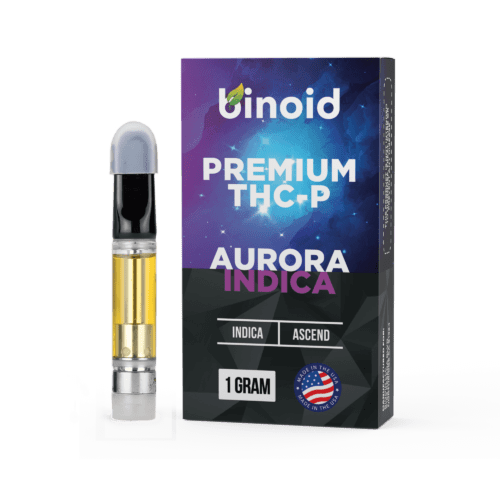

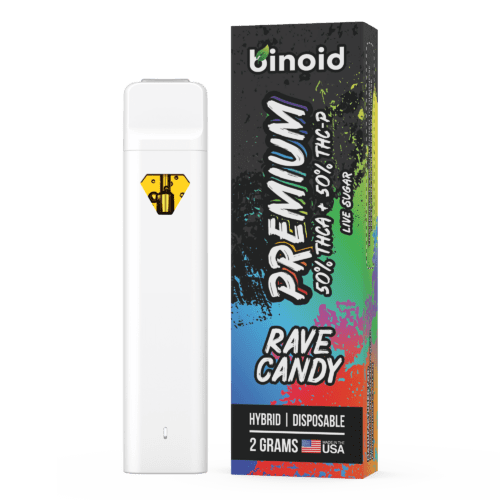
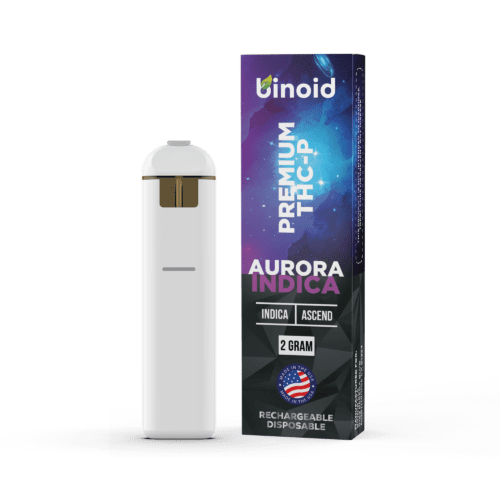
The Experience: Familiar Comfort vs. Amplified Intensity
The difference between THC-P and THCA becomes most apparent in the experience itself.
With THCA, the high that emerges after decarboxylation is one that most users recognize immediately. It can vary depending on the strain, but it generally follows a predictable rhythm. There is a sense of control, a familiarity that allows users to adjust their intake and tailor the experience to their mood.
THC-P introduces a different dynamic. The effects tend to arrive with greater force and linger for a longer period of time. The body high can feel more pronounced, while the mental effects may take on a heightened intensity. For some, this creates a more immersive and engaging experience. For others, it requires a more cautious approach.
This contrast is reflected in how products are designed. A THCA Pre-Roll from Binoid CBD invites you to sit back and enjoy the session, while a THC-P disposable encourages measured use, where even a small amount can have a noticeable impact.
Consumption Methods and Their Influence
How you consume THC-P or THCA plays a significant role in shaping your experience.
THCA Flower is most commonly smoked or vaped, triggering the decarboxylation process and delivering immediate effects. The act of smoking itself becomes part of the experience, from the preparation to the inhale. THCA concentrates, also available through Binoid CBD, offer a more potent version of this experience, allowing users to engage with the cannabinoid in a more concentrated form while still maintaining the essence of traditional consumption.
THC-P, by contrast, thrives in formats that emphasize convenience and precision. Vape cartridges and disposables provide rapid onset, making them ideal for users who want immediate results. Gummies and tinctures offer a slower, more controlled experience, allowing the effects to build gradually over time. Each method brings out different aspects of the cannabinoid, giving users the flexibility to choose how they engage with it.
Flavor, Terpenes, and Sensory Experience
Cannabis is as much about flavor as it is about effects, and this is another area where THC-P and THCA diverge. THCA flower retains the full terpene profile of the plant, delivering complex aromas and flavors that vary from strain to strain. Whether it’s the citrus notes of a sativa or the earthy richness of an indica, these characteristics add depth to the experience. Binoid CBD’s THCA offerings are crafted to highlight these qualities, ensuring that each strain delivers not just potency, but also a distinct sensory profile.
THC-P products, while not derived from raw flower in the same way, still incorporate terpenes to enhance flavor. Vape cartridges and disposables often feature carefully selected terpene blends that replicate popular strain profiles or create entirely new flavor experiences. The result is a different kind of enjoyment—one that prioritizes consistency and accessibility while still delivering a satisfying taste.
Recommended products
-
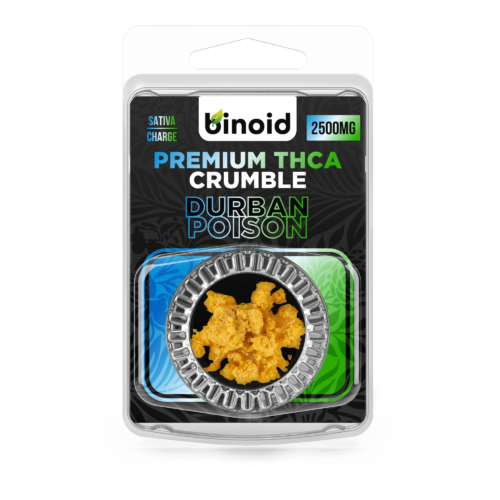
THCA Crumble – 2500mg
$37.99$59.99 -
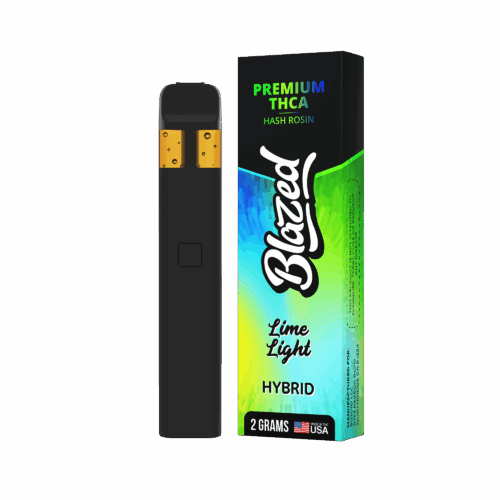
2 Gram THCA Disposable Hash Rosin – Blazed
$37.99$59.99 -
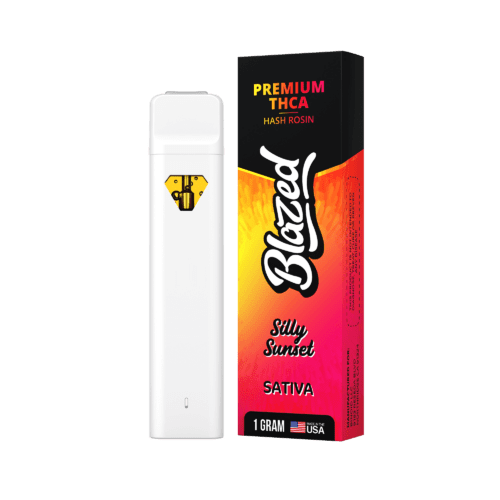
1 Gram THCA Disposable Hash Rosin – Blazed
$31.99$67.99 -
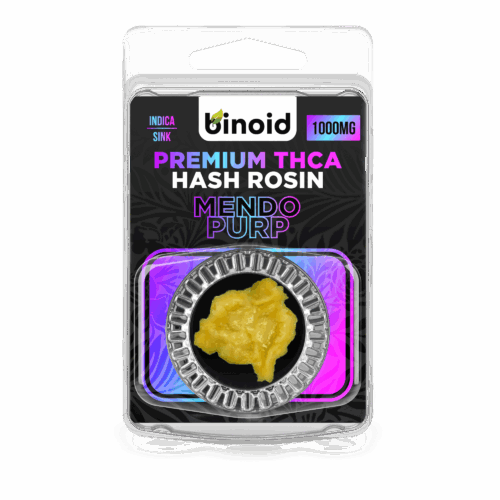
THCA Hash Rosin Dabs – 1000mg
$33.99$59.99
Tolerance, Control, and Personal Preference
Choosing between THC-P and THCA ultimately comes down to understanding your own tolerance and preferences. THCA is approachable. It offers a level of predictability that makes it suitable for a wide range of users. Whether you’re new to cannabis or a seasoned smoker, it provides a reliable experience that can be adjusted based on how much you consume. THC-P requires a more deliberate approach. Its potency means that small amounts can go a long way, making it important to start slow and pay attention to how your body responds. For experienced users, this can be part of the appeal—a chance to explore a more intense side of cannabis.
Binoid CBD’s diverse product lineup reflects this balance, offering options that cater to both ends of the spectrum. From classic THCA flower to high-powered THC-P cartridges and gummies, there is something for every type of user.
The Legal Landscape and Market Expansion
The rise of THC-P and THCA is closely tied to the legal framework surrounding hemp-derived cannabinoids. By working within these guidelines, companies have been able to introduce products that expand the definition of what cannabis can be. THCA’s non-psychoactive status in its raw form allows it to be sold as hemp, even though it becomes THC when heated. THC-P, as a derived cannabinoid, fits into a broader category of compounds that are reshaping the market.This evolving landscape has created opportunities for brands like Binoid CBD to innovate and reach consumers in new ways, offering products that blend legality with high-performance experiences.
Recommended products
-
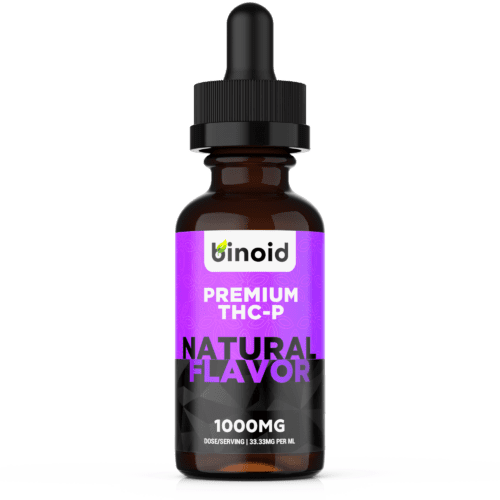
THC-P Tincture – 1000mg
$30.99$79.99 -
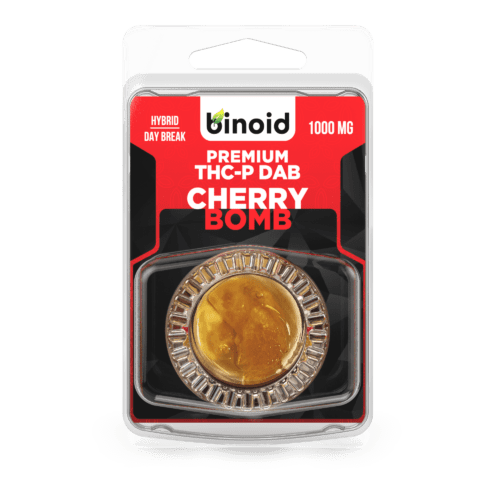
THC-P Wax Dabs
$29.99$57.99 -
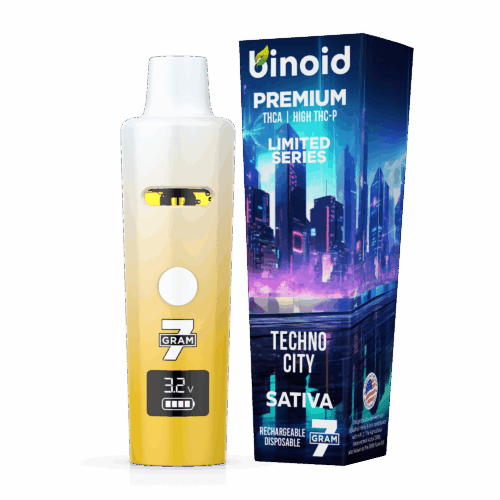
7 Gram THCA + High THC-P Disposable Vape – Limited Series
$67.99$109.99 -
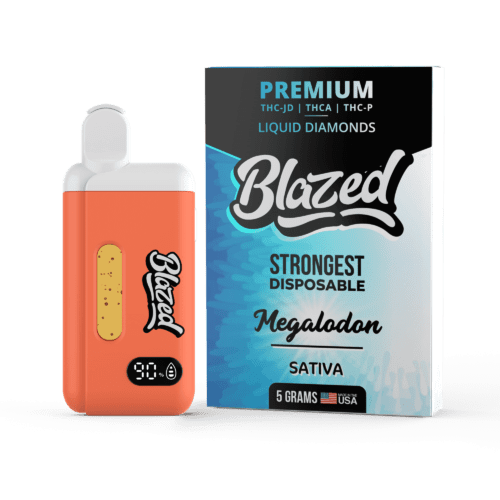
5 Gram Disposable – Blazed
$51.99$79.99
A Culture in Transition
The conversation around THC-P vs. THCA is ultimately a reflection of a larger cultural shift. Cannabis is no longer defined by a single experience or a single compound. It is a diverse, evolving space where tradition and innovation coexist. THCA represents the past and present, grounding users in the familiar rhythms of cannabis culture. THC-P points toward the future, where the boundaries of what is possible continue to expand. This duality is what makes the current moment so compelling. It’s not about choosing one over the other—it’s about understanding how each fits into the broader picture.
Final Thoughts: Choosing Your Place in the Spectrum
THC-P and THCA are not just cannabinoids—they are expressions of two different approaches to cannabis. One preserves the essence of the plant, while the other reimagines it through the lens of modern science.
Your choice between them depends on what you value. If you’re drawn to authenticity, flavor, and the ritual of smoking, THCA offers a connection to the roots of cannabis. If you’re curious about intensity, innovation, and the cutting edge of cannabinoid development, THC-P provides a glimpse into what’s next.
With brands like Binoid CBD continuing to expand their offerings, the options are only going to grow. Disposables, tinctures, gummies, cartridges, and premium flower are all part of a landscape that is richer and more varied than ever before.
The real takeaway is simple. Cannabis is no longer one thing. It’s a spectrum. And whether you find yourself leaning toward the natural appeal of THCA or the amplified power of THC-P, you’re participating in a culture that is constantly redefining itself.That’s what makes this moment exciting. And it’s only just getting started.
To Buy THC-P Products Click Here
Recommended products
-
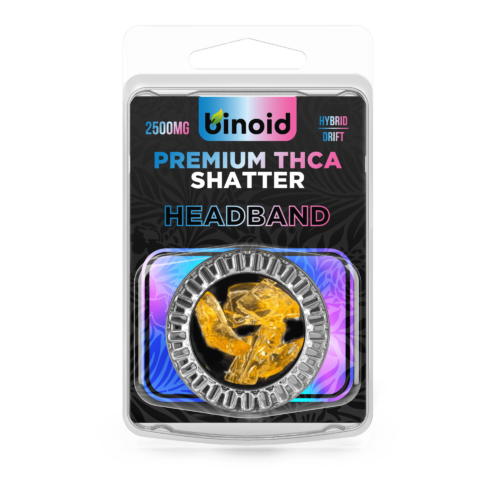
THCA Shatter – 2500mg
$37.99$59.99 -
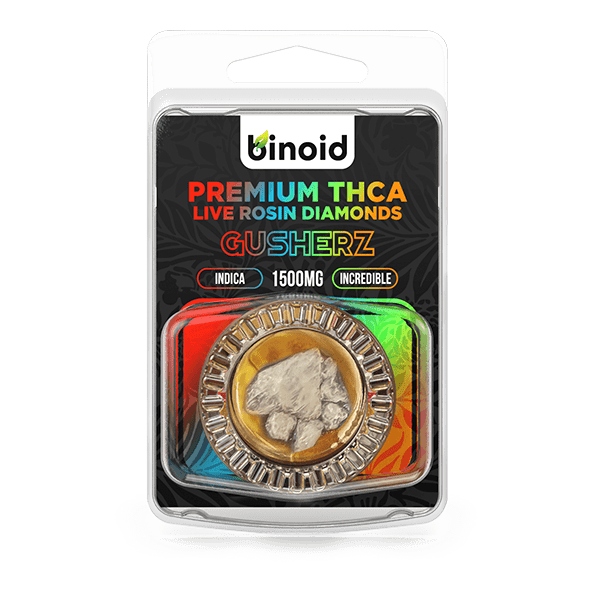
THCA Diamonds 1500mg – Live Rosin
$30.99$59.99 -
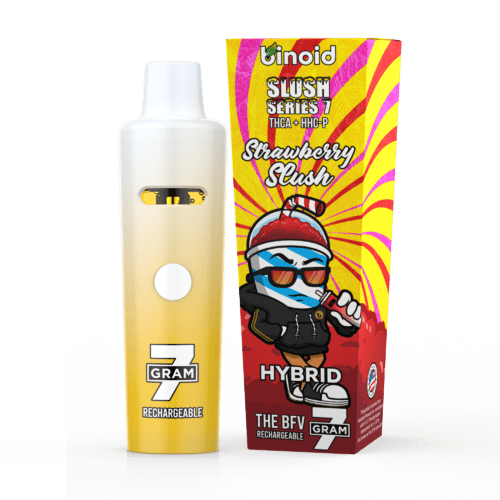
Slush Series 7 Gram THCA Disposable Vape – Strawberry Slush
$59.99$109.99 -
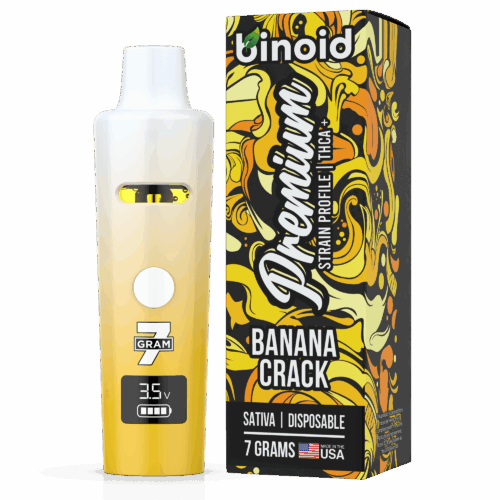
Strain Series 7 Gram Disposable Vape
$63.99$109.99