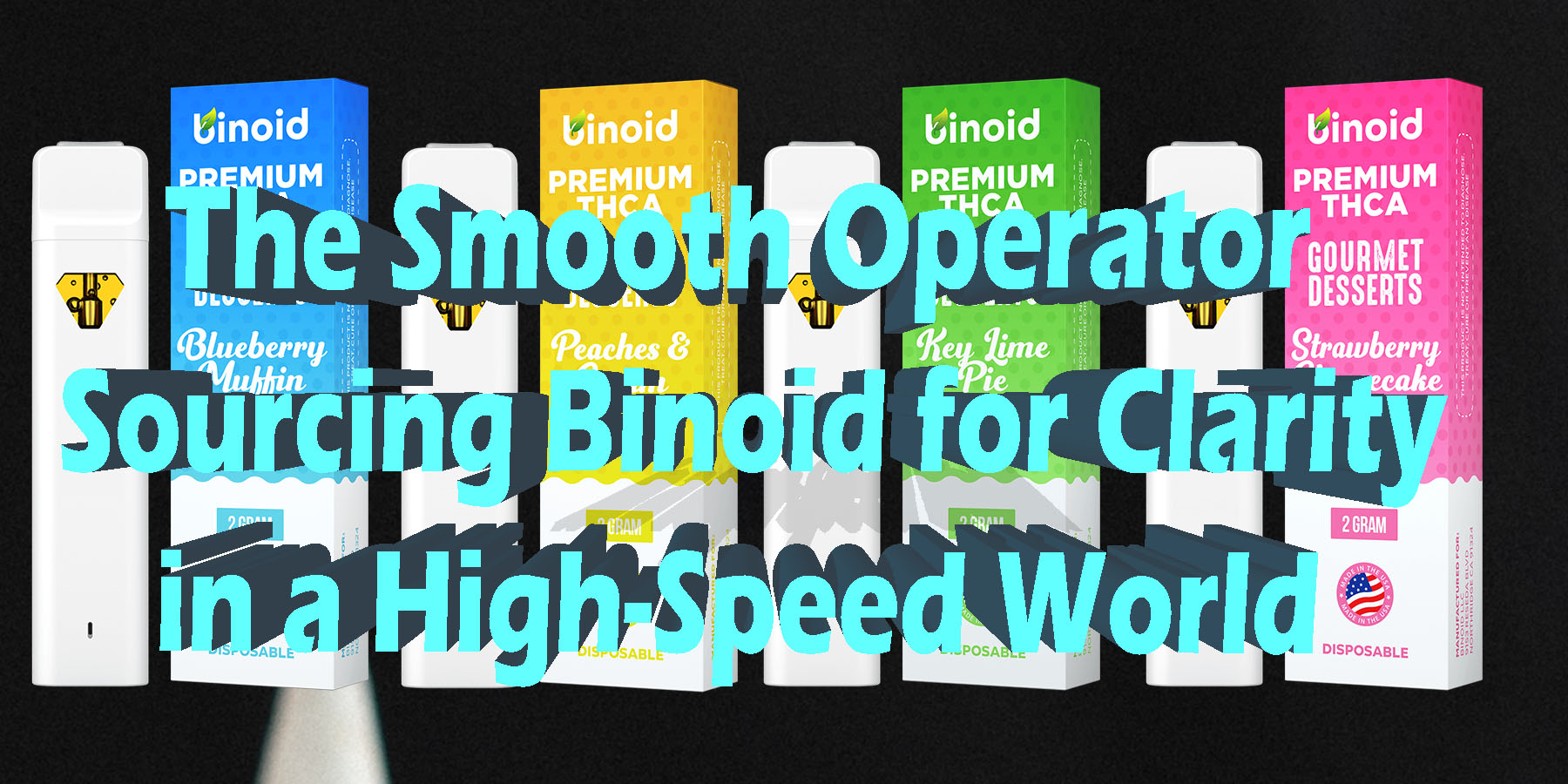
When the Noise Gets Loud, the Discerning Get Precise
There is a particular kind of exhaustion that has nothing to do with sleep deprivation. It lives in the shoulders, behind the eyes, in the low hum of a mind that never quite powers down. The modern professional perpetually connected, chronically overscheduled, caffeinated to the point of diminishing returns has developed an almost perverse relationship with their own nervous system. They optimize their calendars, their macros, their morning routines, and yet the signal-to-noise ratio in their daily experience remains, stubbornly, tilted toward noise. It was perhaps inevitable, then, that a generation raised on biohacking and wellness optimization would eventually turn its analytical eye toward the hemp plant not with the bleary desperation of a counterculture reaching for escape, but with the cool precision of a consumer who reads ingredient panels and demands transparency from their supply chain.
This is the cultural context in which Binoid CBD has emerged not merely as a brand, but as a vocabulary. A way of speaking about intentional consumption, about the studied application of hemp derived cannabinoids to the architecture of a demanding life. The conversation happening around Binoid is less about recreation and far more about refinement the kind of refinement that comes from understanding what you are putting into your body, where it was made, and why the molecular science behind it actually matters.
If you have spent any time navigating the crowded, often chaotic landscape of the hemp market, you already know that the distance between a mediocre product and an exceptional one is not measured in marketing copy. It is measured in extraction methodology, in cannabinoid ratios, in the integrity of a Certificate of Analysis. Binoid, sourced through Binoidcbd.com, has built its reputation on making that distance visible and then consistently landing on the right side of it.
To Buy Cannabinoid Products Click Here
Recommended products
-
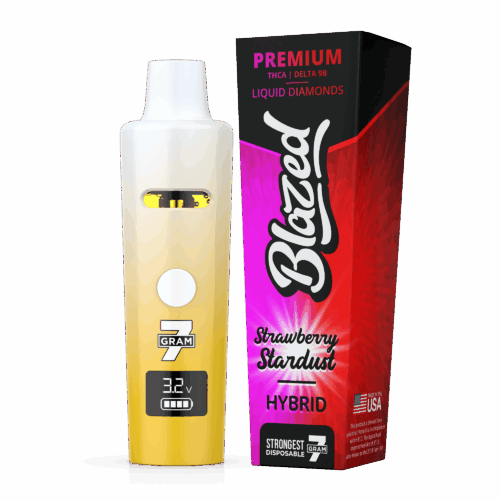
Blazed 7 Gram THCA + Delta 9P Disposable Vape
$65.99$109.99 -
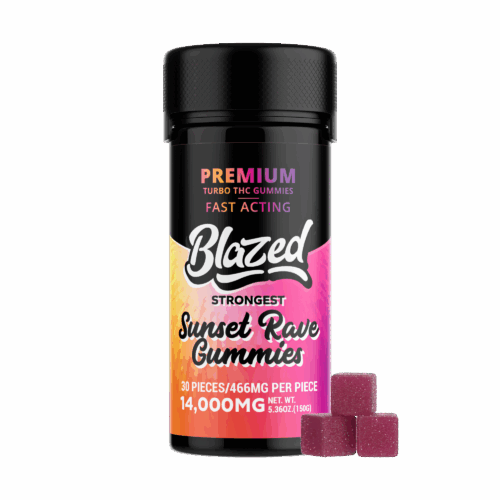
14,000MG Turbo THC Gummies – Blazed
$49.99$84.99 -
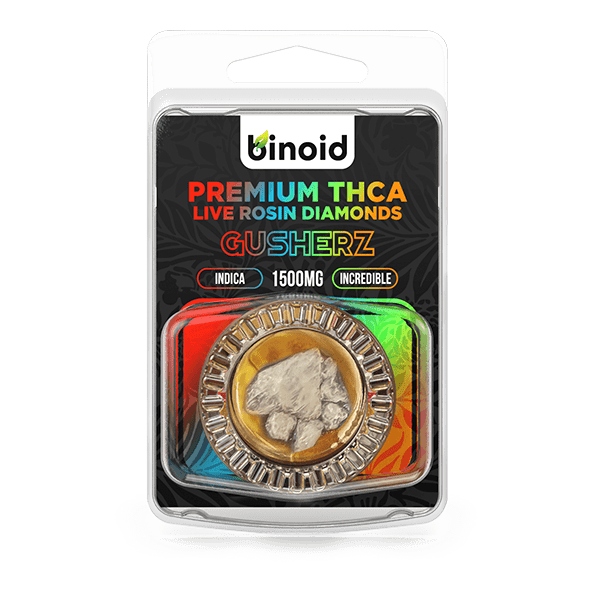
THCA Diamonds 1500mg – Live Rosin
$30.99$59.99 -
Delta 8 THC Tincture (1000mg, 2500mg, 5000mg)
$25.99$44.99
The Endocannabinoid System: A Brief Portrait of a Sophisticated Machine
Before any intelligent conversation about hemp derived cannabinoids can happen, there must be at least a working familiarity with what the body is actually doing when these compounds arrive. The endocannabinoid system, or ECS, is not a fringe concept cooked up by wellness influencers it is a legitimate, extensively studied physiological network, identified by researchers in the early 1990s, that operates as one of the body’s primary regulatory frameworks.
Comprising a distributed architecture of receptors, endogenous ligands, and metabolic enzymes, the ECS functions as a kind of biological thermostat, constantly working to maintain equilibrium across systems as varied as mood modulation, appetite signaling, inflammatory response, and sleep architecture. CB1 receptors cluster heavily in the central nervous system, while CB2 receptors are distributed more broadly across immune tissues and peripheral organs, and the interplay between these receptor populations and the compounds that engage them is where the genuinely interesting science lives.
What makes hemp derived cannabinoids so compelling from a molecular standpoint is the sheer diversity of the compounds involved and the nuance with which they interact with this system. CBD cannabidiol does not bind to CB1 or CB2 receptors with the same direct affinity as THC; instead, it operates as a modulator, influencing receptor behavior indirectly and interacting with a constellation of non-cannabinoid receptor pathways, including serotonin receptors and TRPV1 channels. The more recently prominent minor cannabinoids Delta 8 THC, Delta 10, HHC, CBN, CBG each carry their own receptor affinities and their own subjective experiential profiles.
Delta 8, for instance, binds CB1 receptors with a notably lower affinity than Delta-9 THC, producing what many experienced users describe as a cleaner, more lucid effect state present and grounding rather than disorienting. CBN has attracted significant attention for its potential relationship with restfulness, while CBG is increasingly studied for its interactions with alpha-2 adrenergic receptors and its potential role in focus and clarity. The sophisticated consumer does not simply ask “does this contain CBD?” they ask which cannabinoids are present, in what concentrations, and toward what experiential end the formulation has been designed. That is precisely the kind of question that Binoid CBD is structured to answer.
The Regulatory Landscape: Navigating a Framework in Motion
Understanding why sourcing matters in this space requires a frank engagement with the regulatory environment which, to put it charitably, has been a work in progress since the passage of the 2018 Farm Bill federally legalized hemp and its derivatives under a delta-9 THC threshold of 0.3% by dry weight. That legislation opened an extraordinary door. It created the legal scaffolding for a legitimate hemp industry and established a framework within which cannabinoids derived from compliant hemp could move through commerce. It also, inevitably, attracted a wave of operators whose primary competency was marketing rather than manufacturing brands that understood the opportunity without particularly understanding the chemistry, the compliance requirements, or the ethical obligations that come with producing consumable products.
The years since have brought both exciting innovation and genuine consumer risk, which is why the current landscape rewards diligence so heavily. The FDA has been deliberate, sometimes frustratingly so, in articulating clear federal frameworks for hemp-derived cannabinoids beyond CBD, and state-level regulations vary with the kind of complexity that makes a compliance officer’s head spin. Some states have moved to restrict or schedule Delta 8 and related compounds; others have embraced the broader hemp cannabinoid market with minimal restriction.
For the consumer, this regulatory complexity has a practical implication: the burden of vetting a brand falls significantly on the individual, because the guardrails that exist in more mature markets pharmaceutical oversight, standardized labeling requirements, mandatory third-party testing are inconsistently applied in the hemp space. This is not a reason for alarm. It is a reason for discernment. And discernment, in this context, means gravitating toward brands like Binoid CBD that have made transparency and third-party verification structural commitments rather than afterthoughts, accessible through Binoidcbd.com with the kind of traceability that serious consumers now expect as a baseline.
Recommended products
-
Live Sugar THCA + THC-P Disposable Vape – Pure 50/50
$39.99$69.99 -
Super 7 Gummies – 7000MG
$39.97$59.99 -
THCA Crumble – 2500mg
$37.99$59.99 -
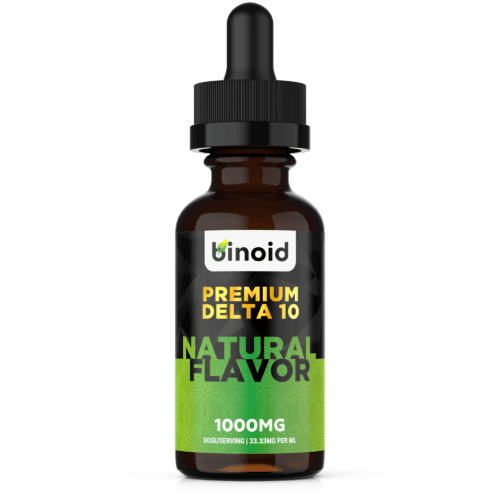
Delta 10 THC Tincture (1000mg, 2500mg, 5000mg)
$27.99$79.99
The Hardware Evolution: How Delivery Technology Became Part of the Experience
There was a time, not so long ago, when the delivery mechanism for hemp cannabinoids was almost uniformly crude tinctures in unlabeled dropper bottles, capsules with no information about bioavailability, brownies at a farmer’s market. The sophistication of the delivery technology has advanced at a remarkable pace, and that advancement is not incidental to the experience; it is constitutive of it. How a cannabinoid enters the body determines how quickly it becomes bioavailable, how efficiently it reaches target tissues, and how the subjective experience arc unfolds over time. Inhalation produces rapid onset typically within minutes as compounds cross the lung’s thin alveolar membrane directly into the bloodstream.
Sublingual administration via tinctures bypasses first-pass hepatic metabolism to a meaningful degree, producing onset in the fifteen-to-forty-five-minute range with a bioavailability advantage over oral ingestion alone. Edible formats like gummies engage the full digestive process, resulting in slower onset but a longer, more sustained effect profile the preferred format for those seeking extended and consistent engagement over several hours.
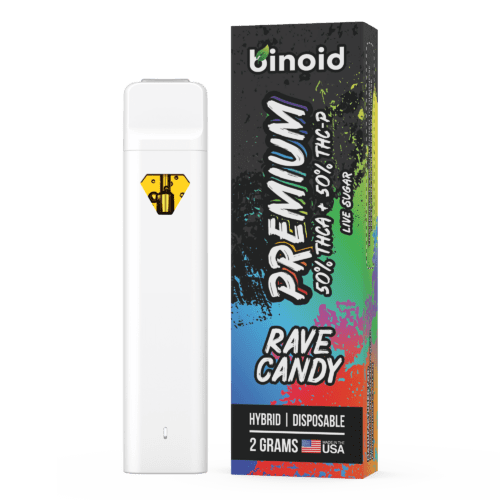
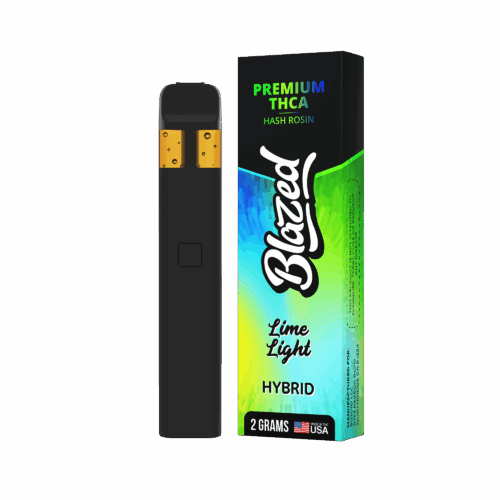
Within the inhalation category specifically, the evolution of hardware has been particularly striking, and Binoid CBD has been a notable participant in driving that evolution. The distinction between a well-engineered vaporizer and a poorly made one is not merely aesthetic it is chemical. Low-quality heating elements can degrade cannabinoids and terpenes before they ever reach the user, producing a harsh, inefficient, and potentially contaminated vapor. Ceramic heating technology, now a standard in Binoid’s premium lineup, addresses this problem directly: ceramic elements heat more evenly, at more stable temperatures, and without the off-gassing concerns associated with cheaper metallic coil systems.
Disposable from Binoid are designed with this hardware integrity as a non-negotiable starting point compact, draw-activated, and calibrated to deliver a consistent experience across the full life of the cartridge rather than degrading as the reservoir depletes, a common failure mode in budget hardware. The cartridges in Binoid’s ecosystem are likewise engineered around material standards that match the quality of the oil they carry: no heavy metal leaching, no plasticizers migrating into the extract under heat, no mystery materials between the consumer and the hemp derived compounds they sought out in the first place.
The Oil Itself: Why Extraction Is the Whole Game
If the hardware is the instrument, the extract is the music and the extraction methodology employed to produce that extract determines whether what arrives in a cartridge or disposable is a symphony or a noise complaint. The dominant premium extraction method in the hemp industry is supercritical CO2 extraction, a process that uses carbon dioxide under precisely controlled temperature and pressure conditions to selectively isolate target compounds without the solvent residue concerns associated with hydrocarbon-based extraction methods. The output of a well-run CO2 extraction is a clean, potent, and compositionally rich concentrate that preserves not just the major cannabinoids but the broader terpene profile those aromatic volatile compounds that contribute not only to flavor but to the nuanced behavioral dynamics of the final product, the phenomenon researchers have termed the “entourage effect.”
Binoid’s formulation philosophy engages directly with this complexity. Rather than producing a single undifferentiated oil and packaging it across a range of products, the brand engineers specific cannabinoid and terpene combinations toward specific experiential profiles a restful evening formula lands in a very different compositional space than a clarity-forward daytime blend. This is not marketing language dressed up as science; it reflects a genuine understanding that the ECS is not a simple lock-and-key system but a dynamic, context-sensitive network that responds differently to different molecular inputs.
The sourcing of hemp itself feeds into this precision: Binoidcbd.com sources from farms operating under rigorous cultivation standards, with soil quality, growth cycle, and harvest timing all influencing the final cannabinoid and terpene expression in the plant. The chain of quality, in other words, does not begin at extraction it begins in the ground, and it runs unbroken to the finished product in the consumer’s hand.
Recommended products
-
2 Gram THCA Disposable Hash Rosin – Blazed
$37.99$59.99 -
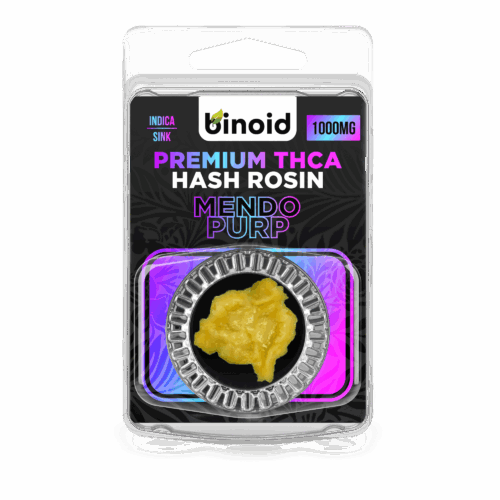
THCA Hash Rosin Dabs – 1000mg
$33.99$59.99 -
Blazed Gummies – 5000MG
$29.99$69.99 -
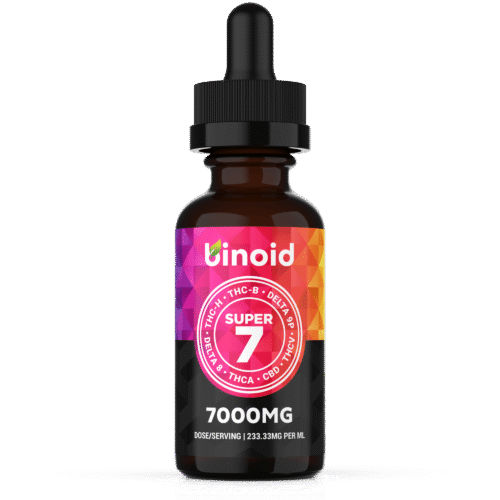
Super 7 Tincture – 7000mg
$39.99$59.99
The Format Question: Matching the Mechanism to the Moment
One of the more quietly radical shifts in how sophisticated consumers approach hemp derived cannabinoids is the move away from a one-format philosophy. The idea that a single product type could serve every context in a modern, high-variability life is the kind of blunt-instrument thinking that belongs to an earlier era of wellness consumption the same era that prescribed a single multivitamin and called it optimization. The contemporary approach is more granular, more situationally aware, and considerably more interesting. It begins with an honest assessment of what the moment actually requires: rapid onset or sustained duration, discretion or ritual, precision microdosing or a broader experiential envelope. Each of these considerations maps directly onto a specific format, and Binoid CBD has constructed a product ecosystem sophisticated enough to serve all of them without forcing the consumer to compromise on quality at any point in the range.
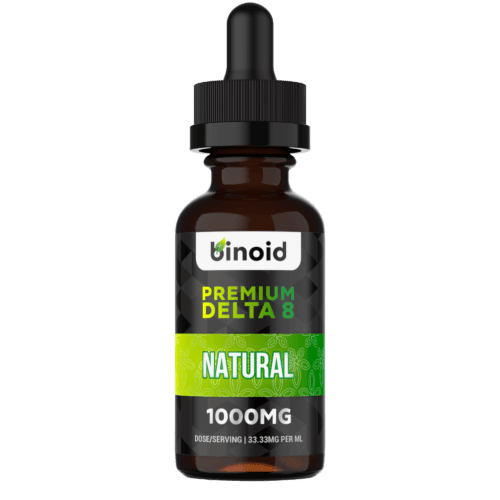
The tincture occupies a particular position in this ecosystem one that rewards patience and attentiveness in equal measure. Administered sublingually, held beneath the tongue for sixty to ninety seconds before swallowing, a well-formulated tincture delivers hemp derived cannabinoids into the bloodstream through the rich mucosal tissue of the mouth’s floor, bypassing the digestive system’s metabolic processing and arriving in circulation with meaningful efficiency. Binoid’s tincture line reflects a formulation philosophy that takes this pharmacokinetic reality seriously: the carrier oils are selected not merely for palatability but for their documented influence on cannabinoid absorption, with MCT oil medium-chain triglyceride oil derived from coconut serving as the preferred vehicle for its ability to enhance lipid-soluble compound uptake.
The cannabinoid concentrations are clearly labeled, the dropper graduated for precision, and the flavoring, where present, drawn from natural sources rather than synthetic flavor compounds that contribute nothing to the experience and potentially complicate the body’s processing of the primary active ingredients. For the person who has built a morning ritual around intentional supplementation who already tracks their adaptogens and their omega-3s with the care of a portfolio manager a Binoid tincture integrates into that practice with the ease of something that was always meant to be there.
Gummies: The Long Game in a Precise Package
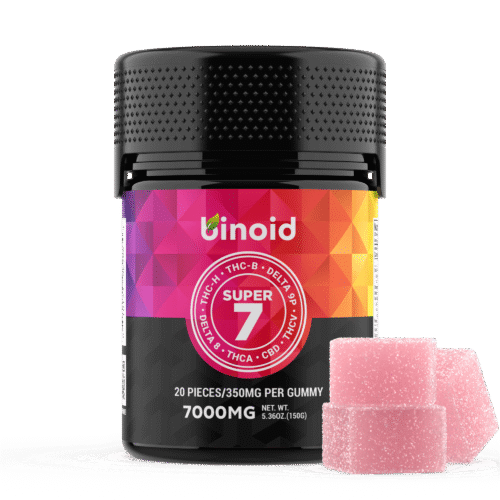
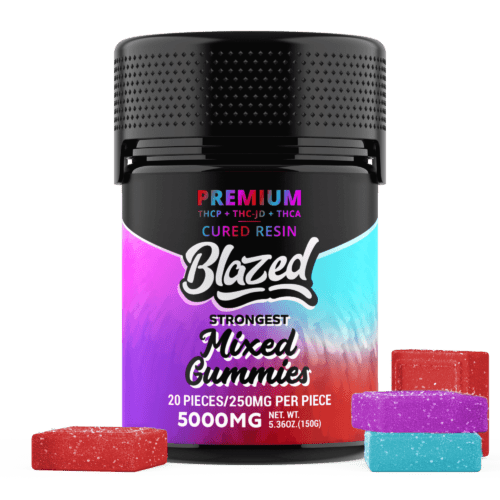
If the tincture is for the deliberate ritualist, the gummy is for the strategist the person who is thinking not about the next thirty minutes but about the next four to six hours, and who wants their hemp cannabinoid experience to track alongside a long meeting, a cross-country flight, or an evening that begins at a dinner table and ends somewhere considerably more relaxed. The oral bioavailability of cannabinoids consumed in edible form is lower than inhalation or sublingual routes, but the trade-off is duration and consistency: as the digestive system processes the gummy and releases cannabinoids into hepatic circulation, the onset is gradual and the plateau sustained in a way that inhalation simply cannot replicate. For many experienced consumers, this slow build is not a limitation it is the entire point.
What separates an exceptional gummy from the mediocre products that crowd the lower shelves of the hemp market is a matter of formulation discipline that most brands neither understand nor bother with. Cannabinoids are lipophilic fat-soluble which means their behavior in an aqueous digestive environment is inherently complicated. Without proper emulsification, oil-based cannabinoid extracts will aggregate in the stomach rather than disperse for absorption, resulting in wildly inconsistent effects from one dose to the next. Binoid addresses this through nano-emulsification technology in select formulations, reducing cannabinoid particle size to improve dispersibility and, by extension, consistency.
Beyond the science, the gummies available through Binoidcbd.com are formulated with a specificity of purpose that reflects the brand’s broader philosophy: there are products calibrated for daytime clarity, others oriented toward evening unwinding, and formulations built around specific minor cannabinoid combinations CBN for restfulness, Delta-8 for a grounded experiential quality, HHC for something that sits in its own distinctive register. The flavoring profiles are crafted to actually taste like something worth eating, which sounds like a low bar until you have encountered the chalky, chemical-adjacent offerings that populate too much of this market.
Recommended products
-
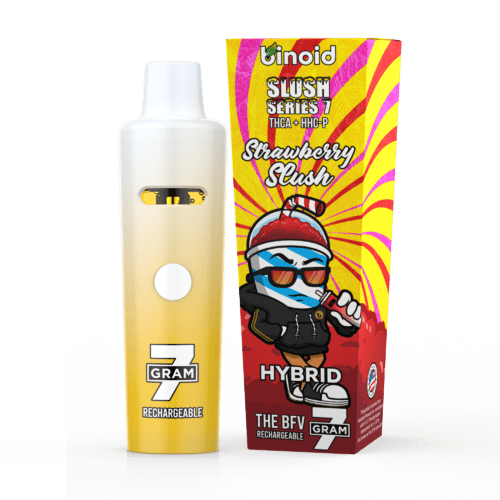
Slush Series 7 Gram THCA Disposable Vape – Strawberry Slush
$59.99$109.99 -
13,000mg Good Luck Gummies
$47.99$79.99 -
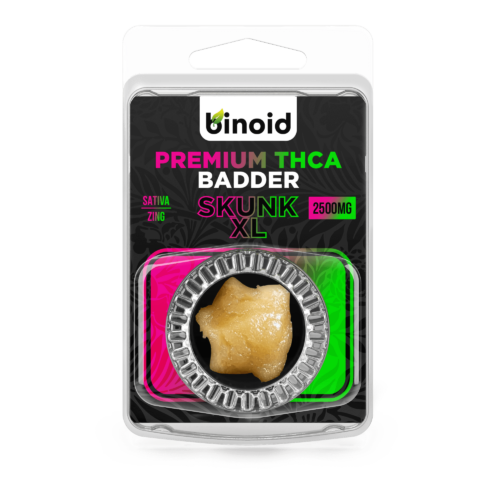
THCA Badder – 2500mg
$37.99$59.99 -
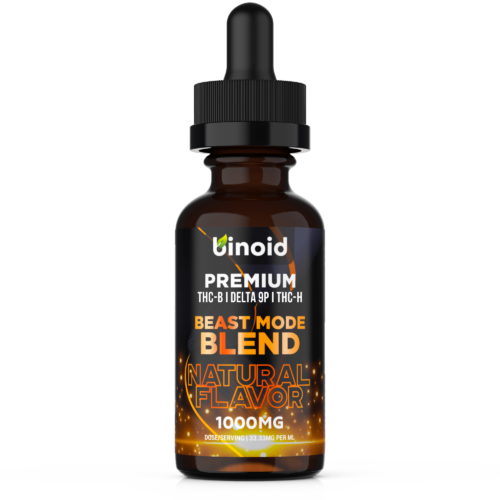
Beast Mode Blend Tincture – 1000mg
$34.99$59.99

Disposables and Cartridges: The Precision Instruments of Immediate Experience
For the moments when the situation demands immediacy the fifteen minutes before a high-stakes presentation, the transition between a brutal afternoon and an evening that deserves better, the creative block that has been sitting on a project like a paperweight inhalation formats are where hemp derived cannabinoids reveal their most responsive character. And within the inhalation category, the distinction between disposables and cartridges is one worth understanding rather than glossing over, because the choice between them reflects not just convenience preferences but a statement about how the consumer relates to their practice.
Disposables from Binoid CBD are the format of pure accessibility self-contained, draw-activated, requiring no prior investment in hardware and no maintenance between sessions. They are the format that travels well, that does not require explanation or assembly in unfamiliar settings, that delivers the full quality of Binoid’s extract without friction. The engineering behind a Binoid disposable is more substantial than the format’s casual approachability might suggest: the battery is calibrated to maintain consistent voltage across the draw lifetime of the device, the ceramic heating element ensures the full terpene and cannabinoid profile reaches the user intact rather than being degraded by thermal inconsistency, and the oil reservoir is sealed against oxidation in a way that preserves potency from the first draw to the last. These are not incidental design choices they are the difference between a product that delivers on its promise and one that front-loads a compelling first experience and degrades quietly from there.
Cartridges, by contrast, are for the consumer who has graduated to a considered hardware relationship — who owns a quality 510-thread battery, who has preferences about voltage settings and preheat functions, and who views the cartridge itself as the consumable component of a more permanent setup. Binoid’s cartridge line meets this consumer at their level of sophistication, offering the same premium extract quality in a format that pairs with variable voltage batteries to allow for genuine personalization of the experience.
Lower voltage draws preserve more of the delicate terpene compounds that define a strain’s character; higher temperatures produce denser, more immediately potent vapor. The ability to move between these registers gives the informed consumer a degree of experiential control that no other format in the hemp cannabinoid space can match. Sourced through Binoidcbd.com, Binoid’s cartridges span a range of cannabinoid formulations from broad-spectrum CBD to Delta-8, HHC, and beyond each carrying its own terpene architecture and its own distinctive effect signature.
Sourcing Integrity: The Transparency Standard That Changes Everything
The hemp cannabinoid market’s most persistent problem is not a lack of products. It is a lack of accountability. Brands proliferate with speed that outpaces any reasonable consumer’s ability to vet them, and the marketing language across the category has become so uniformly superlative “premium,” “pure,” “lab-tested,” “craft” that the words have been substantially drained of meaning. In this environment, genuine transparency is not merely a virtue. It is a competitive differentiator of the highest order, and it is one that Binoid CBD has made central to the experience of shopping through Binoidcbd.com in a way that rewards the consumer who knows what to look for.
The Certificates of Analysis COA is the document that separates the serious operators from the performative ones, and the standards applied to that document matter as much as its mere existence. A COA issued by a laboratory with a financial relationship to the brand it is testing is a document of limited value. A COA from an ISO-accredited, independent third-party laboratory, testing not just for cannabinoid potency but for residual solvents, heavy metals, pesticide residues, and microbial contamination, is something qualitatively different.
Binoid makes its COAs accessible on Binoidcbd.com with the confidence of a brand that has nothing to hide in those columns potency figures that match label claims, contaminant panels that return clean results, and batch-specific documentation that allows the consumer to verify that the specific product in their hand corresponds to the specific test that was run. This is not a small thing in a market where batch-testing is often the exception rather than the rule and where label accuracy has been repeatedly shown, in independent market surveys, to be inconsistently maintained across a significant portion of available products.
The hemp cultivation sourcing that feeds Binoid’s extraction pipeline reflects the same commitment to integrity at the agricultural level. Domestically grown hemp cultivated under the regulatory oversight of state-level agricultural programs established by the 2018 Farm Bill framework carries meaningful traceability advantages over imported biomass, where supply chain transparency becomes exponentially more difficult to verify. The soil conditions, cultivation practices, and harvest methodologies that shape the final cannabinoid and terpene expression in a hemp plant are not abstract quality signals they are the upstream determinants of every subjective experience that a consumer eventually has with a finished product. Binoid’s sourcing philosophy treats this upstream integrity as non-negotiable, which is why the quality consistency across Binoidcbd.com’s catalog holds in a way that more opportunistically sourced brands simply cannot sustain.
Recommended products
-
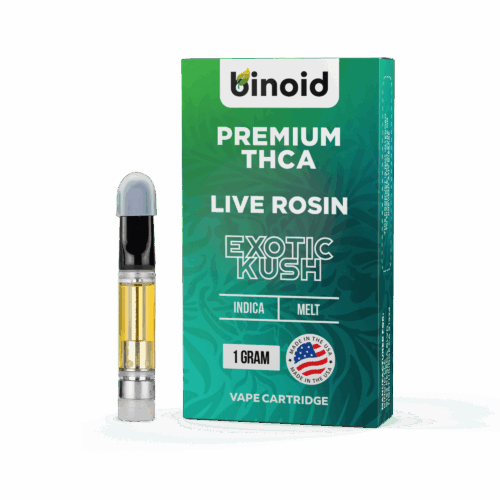
THCA Vape Cartridge – Live Rosin
$30.99$59.99 -
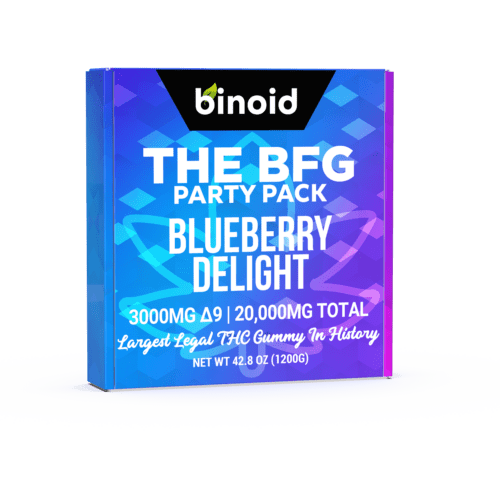
The BFG – 3000mg Delta 9 THC Gummy
$128.99$239.99 -
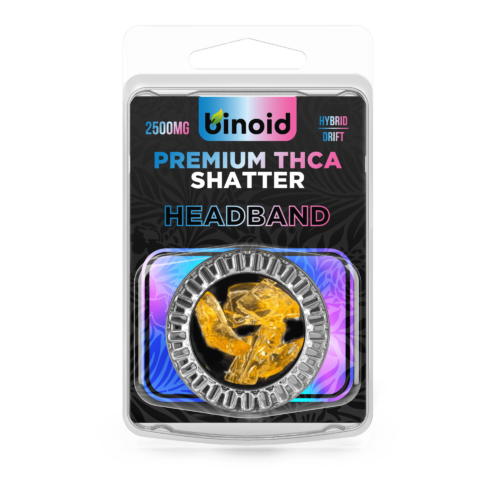
THCA Shatter – 2500mg
$37.99$59.99 -
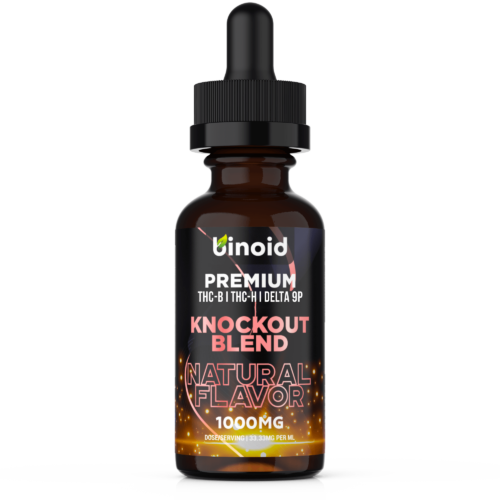
Knockout Blend Tincture – 1000mg
$34.99$59.99
The Lifestyle Proposition: What Binoid Actually Offers the Modern Consumer
Step back from the molecular science and the hardware engineering and the regulatory complexity for a moment, and what Binoid CBD is ultimately selling becomes clearer and more compelling. It is not just a cannabinoid. It is a proposition about how a certain kind of person chooses to move through the world. The consumer drawn to Binoidcbd.com is not chasing oblivion or escapism; they are pursuing the same thing they pursue in every other domain of their optimized life signal clarity, intentional experience, and the confidence that comes from knowing exactly what they are engaging with and why. They have the same relationship to a well-formulated Binoid tincture that they have to a single-origin pour-over: it is not simply the thing itself, but the knowledge, the sourcing, the craft behind it that constitutes the full experience.
This is also why the breadth of the Binoid CBD catalog is a feature rather than an exercise in market saturation. The consumer who starts with a gummy for evening wind-down and discovers that the consistent quality leads them to explore a Delta-8 cartridge for creative sessions, or a CBN-forward tincture for sleep architecture support, is not being upsold they are being served by a brand that has built enough range to meet them at every point in their day where a hemp derived cannabinoid might meaningfully contribute. That is a different model than the brands that produce one hero product and engineer everything else around it. It requires genuine formulation capability, genuine sourcing relationships, and the operational discipline to maintain quality standards across a diverse product line rather than concentrating excellence in a single SKU while the catalog’s edges fray.
The Final Verdict: Choosing Well in a Loud Market
The hemp cannabinoid space is not going to get simpler. The regulatory landscape will continue to evolve, the product innovations will continue to accelerate, and the marketing noise will, if anything, intensify as the market matures and the brands fighting for shelf space literal and digital multiply. In that environment, the most valuable thing a consumer can develop is not a loyalty to any particular cannabinoid or format, but a loyalty to standards: the habit of asking hard questions about sourcing, extraction, testing, and formulation before committing to a product that will, after all, eventually interact with their own biochemistry.
Binoid CBD, accessed through Binoidcbd.com, represents what it looks like when a brand answers those hard questions before they are even asked when transparency is structural rather than performative, when formulation sophistication is demonstrated rather than claimed, and when the full range of hemp derived cannabinoids available in disposables, cartridges, tinctures, and gummies is approached with the seriousness that the science and the consumer both deserve. In a high-speed world that rewards the discerning and punishes the credulous, sourcing Binoid is less a purchase decision than a statement of intent. It is the choice of the Smooth Operator measured, informed, and entirely at ease with the complexity of the landscape, because they have already done the work of understanding it.
To Buy Cannabinoid Products Click Here
Recommended products
-
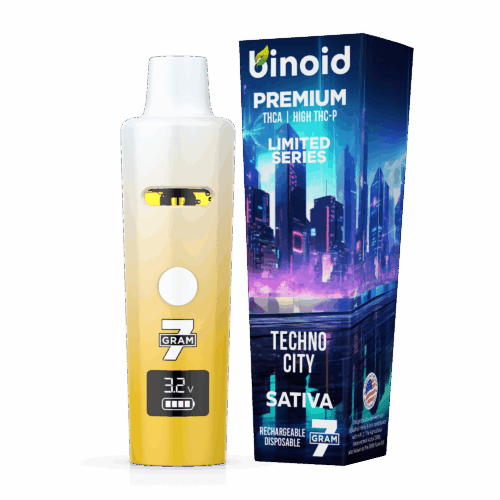
7 Gram THCA + High THC-P Disposable Vape – Limited Series
$67.99$109.99 -
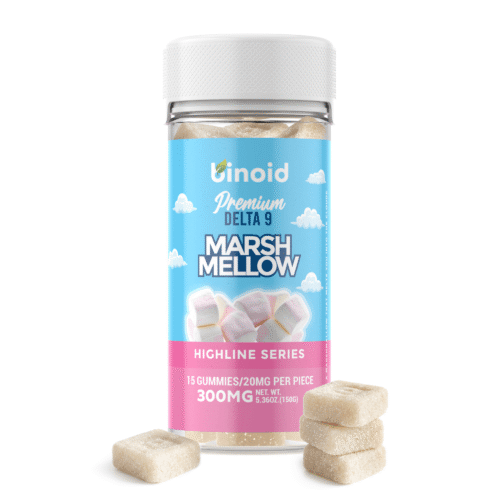
Delta 9 THC Marshmellow
$39.99$49.99 -
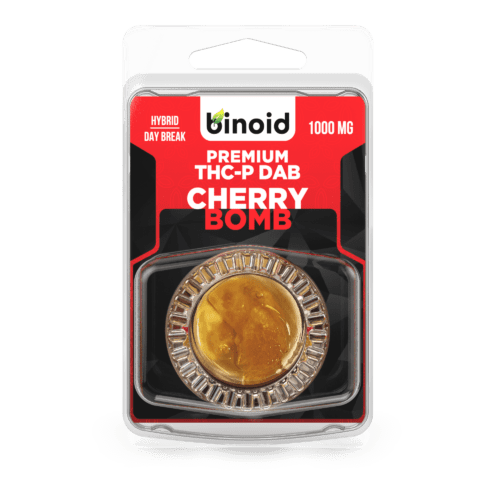
THC-P Wax Dabs
$29.99$57.99 -
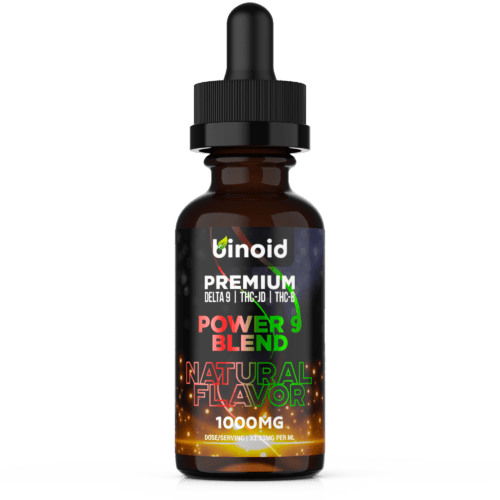
Power 9 Blend Tincture – 1000mg
$34.99$59.99