
There is a moment that every serious cannabis consumer knows intimately the moment the jar opens. Before the first draw, before any heat is applied, before the endocannabinoid system has registered so much as a whisper of input, the nose knows. A sharp diesel brightness, or a deep resinous earthiness, or something almost shockingly tropical, like a fruit that doesn’t exist but absolutely should. That olfactory greeting is not incidental to the cannabis experience.
It is not packaging. It is, in a very literal and chemically precise sense, a preview of the experience itself a volatile announcement from the compounds that give each cultivar its character, its arc, its personality. Those compounds are terpenes, and understanding them is the difference between consuming cannabis and actually knowing what you’re consuming.
The conversation around terpenes in THC products has matured considerably over the past decade, moving from the margins of enthusiast forums into the mainstream of how serious retailers, cultivators, and consumers talk about quality. And yet, for all the ink that has been spilled on the subject, the deeper biochemistry of terpenes what they are, where they come from, how they interact with cannabinoids at the receptor level, and why their presence or absence in a finished product is one of the most reliable indicators of that product’s overall integrity remains underexplored in the popular conversation.
This is an attempt to correct that. Consider it a field guide to the molecules that make cannabis more than a delivery mechanism for THC, and a case for why the best Binoid best sellers are built around terpene preservation as a non-negotiable design principle.
TO BUY THC PRODUCTS CLICK HERE
Recommended products
-
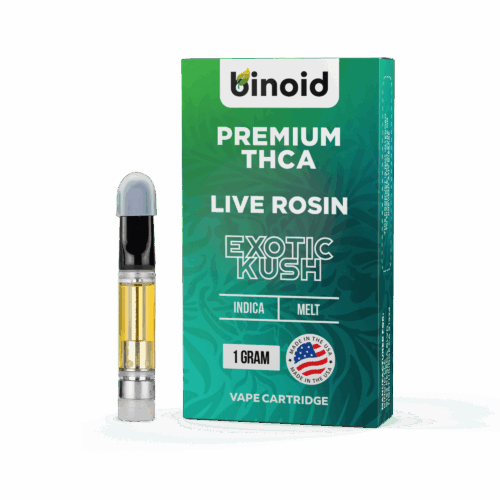
THCA Vape Cartridge – Live Rosin
$30.99$59.99 -
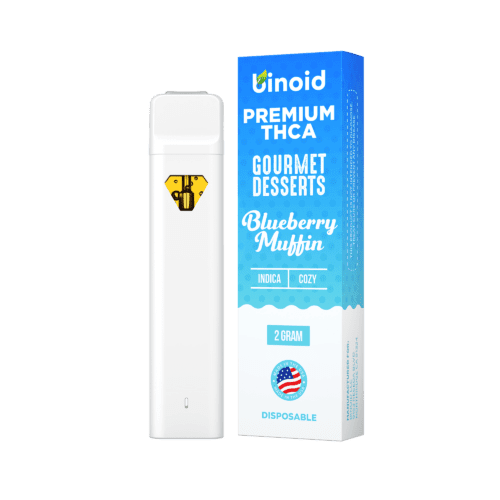
THCA Disposable 2 Gram – Gourmet Desserts
$37.99$73.00 -
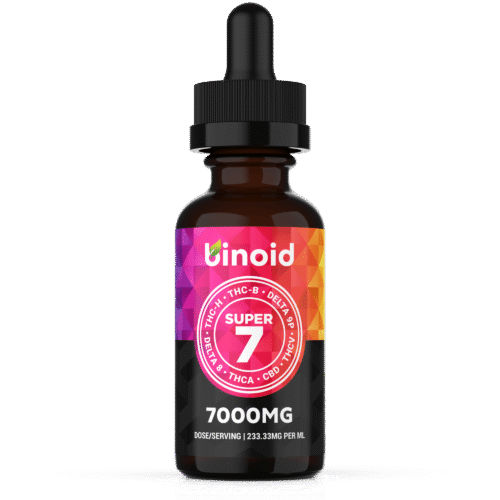
Super 7 Tincture – 7000mg
$39.99$59.99 -
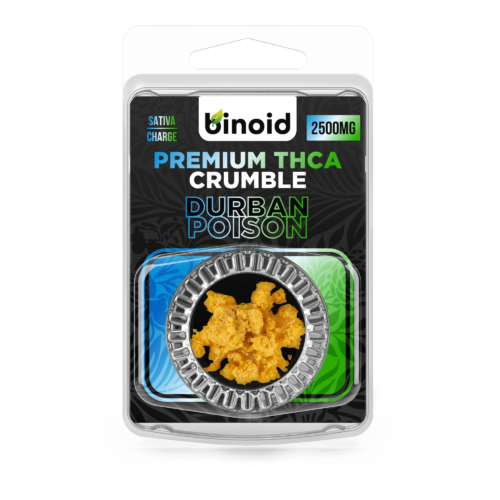
THCA Crumble – 2500mg
$37.99$59.99
The Chemistry of Character: Where Terpenes Come From
Terpenes are a vast and structurally diverse class of organic compounds produced by an extraordinary range of living organisms conifers, citrus trees, lavender, black pepper, hops, and yes, cannabis among them. They are synthesized in the plant primarily as secondary metabolites, meaning they are not directly involved in the core machinery of growth and reproduction but serve a suite of ecological functions that plants have refined over hundreds of millions of years of evolution. They repel herbivores.
They attract pollinators. They defend against pathogens. They communicate chemically with neighboring plants in ways that science is only beginning to decode with any real sophistication. In cannabis specifically, terpenes are produced in the trichomes the same resinous glandular structures responsible for cannabinoid synthesis which means that the conditions that optimize THC and THCA production tend also to be the conditions that produce the richest and most complex terpene profiles.
At the molecular level, terpenes are built from a five-carbon building block called isoprene, and they are classified by how many of these units they contain. Monoterpenes, composed of two isoprene units, are the lightest and most volatile these are the compounds responsible for the fresh, bright, immediately perceptible aromatics that hit the nose when a bag is opened. Myrcene, probably the most abundant terpene in commercial cannabis cultivars, is a monoterpene with an earthy, musky, slightly herbal quality that has become almost synonymous with the aromatic profile of indica-leaning flower.
Limonene, another monoterpene, carries the unmistakable brightness of citrus peel and is associated with cultivars that consumers describe as uplifting or energetically oriented. Sesquiterpenes, built from three isoprene units and correspondingly heavier and less volatile, contribute the deeper, woodier, and more complex aromatic notes that emerge as a bowl cools or as a vape session progresses beta-caryophyllene, the only terpene known to directly interact with the CB2 receptor, is the most scientifically significant member of this family, a compound that blurs the line between terpene and cannabinoid in ways that continue to fascinate researchers.
The volatility gradient of terpenes is not merely an academic detail it has profound practical implications for how cannabis products should be processed, stored, and consumed. Monoterpenes begin to degrade and evaporate at relatively low temperatures, which means that improper drying and curing of flower, excessive heat during extraction, or poor packaging choices can strip a product of precisely the compounds that give it its character before it ever reaches the consumer. This is why the gap between a commodity hemp product and a genuinely premium THCA flower or vape cartridge is so often a terpene story. The cannabinoids may survive processing intact. The terpenes, handled carelessly, will not.
The Entourage Effect: When the Whole Becomes More Than Its Parts
No discussion of terpenes in THC products can proceed very far without engaging with the concept that has done more to reshape how the industry thinks about whole-plant cannabis than perhaps any other idea in modern cannabinoid science: the entourage effect. First articulated in the late 1990s by Israeli researchers Raphael Mechoulam and Shimon Ben-Shabat, and later expanded by Ethan Russo in a landmark 2011 paper in the British Journal of Pharmacology, the entourage effect hypothesis proposes that the compounds in cannabis cannabinoids, terpenes, flavonoids, and other minor constituents do not act in isolation but in concert, modulating and shaping each other’s activity in ways that produce an experiential and physiological outcome meaningfully different from any single isolated compound acting alone.
The evidence base for the entourage effect spans in vitro studies, preclinical animal research, and a growing body of observational and clinical data, and while the scientific community continues to debate the precise mechanisms and the magnitude of the effect, the directional conclusion is broadly accepted: whole-plant or full-spectrum cannabis extracts, which preserve the natural ratio of cannabinoids and terpenes present in the original plant material, tend to deliver a more nuanced, better-tolerated, and often more satisfying experience than isolate-based products built around THC or CBD alone.
For the consumer, this translates into a practical imperative: the terpene profile on a lab report is not decorative data. It is a functional specification. A THCA vape cartridge testing at 85% THCA with 8% total terpenes and a rich, diverse monoterpene and sesquiterpene profile is a fundamentally different product in experience, in character, and in everything that makes cannabis interesting from a distillate cart cut with synthetic botanical terpenes to hit a flavor note that bears only cosmetic resemblance to the plant it claims to represent.
This distinction is exactly where Binoid CBD has carved out its reputation as one of the most trusted names in the premium hemp-derived cannabinoid space. The formulation philosophy behind Binoid best sellers treats terpene integrity not as a value-add but as a baseline the thing that separates a product worth recommending from a product worth forgetting.
The Format Factor: How Consumption Method Shapes the Terpene Experience
Understanding terpenes at the molecular level is one thing. Understanding how they survive or fail to survive the journey from plant to palate across different consumption formats is where that knowledge becomes genuinely actionable. The format in which you consume cannabis is not merely a matter of convenience or preference. It is a set of thermal, chemical, and mechanical decisions that determines how much of the terpene architecture the cultivator and processor worked to preserve actually reaches your endocannabinoid system intact. And across the primary formats available in the terpenes in THC products market today vape hardware, THCA flower, and concentrate-based formats the variables at play are distinct enough to warrant serious consideration from anyone who has decided that the terpene profile on their lab report matters as much as the cannabinoid percentages.
THCA flower is, in many respects, the most terpene-honest format available. When cultivated properly in a controlled indoor environment with dialed light spectra, humidity management, and a nutrient program calibrated to the specific genetic demands of the cultivar and then dried and cured with the patience the process actually requires, high-quality THCA flower preserves a terpene profile that is as close to the living plant’s expression as the consumer is likely to encounter outside of pressing fresh-frozen material.
The consumption method matters here too: a well-calibrated dry herb vaporizer operating in the 170°C–185°C range will volatilize the lighter monoterpenes beautifully while leaving the heavier sesquiterpenes to express themselves progressively as the session continues, producing a flavor and experiential arc that combustion simply cannot replicate. Combustion a lighter to a bowl introduces pyrolytic chemistry that destroys a meaningful fraction of the terpene content before it ever reaches the airway, trading aromatic complexity for the familiarity of smoke. Neither approach is categorically wrong, but the consumer who is genuinely chasing the full terpene experience that premium Binoid CBD flower is capable of delivering would be well served by the vaporizer route.
Live Resin and the Cold Chain: Why Extraction Temperature Is Everything
The vape cartridge and disposable category is where the terpene conversation becomes most commercially consequential, because it is where the gap between exceptional and mediocre product is widest, most common, and most frequently obscured by attractive packaging and aggressive marketing. The standard production pathway for a distillate-based vape cartridge involves taking crude cannabis or hemp extract, refining it through repeated distillation into a highly potent but essentially terpeneless THC or THCA oil, and then reintroducing flavor through the addition of terpenes sometimes cannabis-derived, sometimes botanical, occasionally synthetic after the fact. The result can taste pleasant. It can even taste recognizably cannabis-like. But it is, from a whole-plant integrity standpoint, a reconstruction rather than a preservation a painting of a landscape rather than a window onto one.
Live resin extraction represents a philosophically and technically opposite approach. The process begins at harvest, where freshly cut cannabis plants are immediately flash-frozen often with liquid nitrogen or in blast freezers operating well below -40°F rather than dried and cured in the conventional manner. This cryogenic intervention arrests enzymatic and oxidative processes that would otherwise begin degrading the terpene content within hours of harvest, preserving the plant’s volatile profile in a state that is as close to the living, breathing cultivar as post-harvest chemistry allows.
Extraction then proceeds at low temperatures using hydrocarbon solvents or, in the solventless live rosin pathway, through ice water and mechanical agitation, with every step of the process designed to maintain the cold chain that keeps those precious monoterpenes from escaping into the atmosphere. The resulting extract carries a terpene concentration and complexity that distillate-based products structurally cannot match and it carries them in the natural ratios the plant produced them, which is precisely the condition the entourage effect framework suggests is most experientially meaningful.
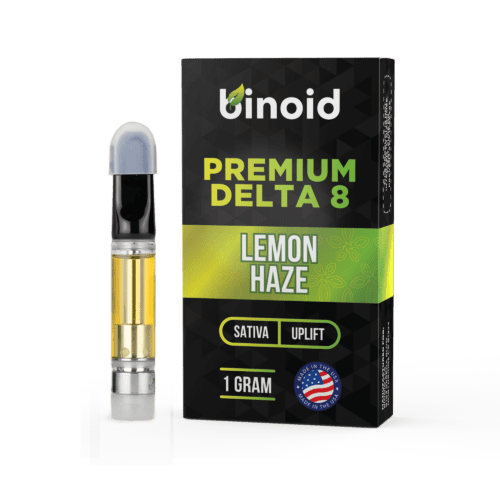
The Binoid CBD vape lineup, and specifically the live resin-infused options among its Binoid best sellers, is built on this extraction philosophy. The difference is perceptible from the first draw a brightness, a layered aromatic complexity, and an experiential quality that consumers who have made the transition from distillate carts consistently describe as feeling more complete, more interesting, and more aligned with the character of the cultivar the product claims to represent. This is not a subtle distinction dressed up in technical language. It is a tangible, repeatable sensory difference that reflects a genuine investment in process integrity at every stage of production.

Reading the Room: How to Interpret a Terpene Lab Report
The certificate of analysis has become a baseline expectation in the premium hemp market, but most consumers engage with the cannabinoid potency section and stop there treating the terpene data, when it is present at all, as supplementary color rather than functional specification. Developing fluency in terpene lab data is one of the highest-leverage skills a serious cannabis consumer can acquire, and it is more accessible than it might initially appear. A terpene panel on a quality COA will typically report each identified terpene as a percentage of total sample weight, with the compounds listed in descending order of concentration. The aggregate terpene percentage is a useful first-pass quality signal: premium indoor THCA flower and well-made live resin extracts will commonly test at 2% to 4% total terpenes or higher, while lower-quality material or over-processed extract may fall below 1% a range at which the entourage effect contribution becomes genuinely marginal.
Beyond the aggregate number, the specific terpene composition tells a cultivar’s experiential story with reasonable fidelity. A profile dominated by myrcene at the top, followed by beta-caryophyllene and limonene, describes a flower that most experienced consumers would anticipate as grounding and full-bodied, with a citrus brightness that keeps the experience from becoming one-dimensional. A profile leading with terpinolene and ocimene less common dominants, associated with cultivars like Dutch Treat and certain Haze genetics tends to describe something more cerebral, almost floral, with an energetic quality that sets it apart from the myrcene-heavy mainstream.
Linalool, best known as the primary aromatic compound in lavender, appears in meaningful concentrations in certain cultivars and contributes a soft, slightly floral character that many consumers associate with a more relaxed experiential tone. None of these associations constitute medical claims, and individual biochemistry will always introduce variance but they represent the accumulated observational wisdom of a community that has been paying close attention, and they align well enough with the underlying receptor pharmacology to be useful navigational tools.
BinoidCBD.com makes this navigation genuinely easy. The product pages for THCA flower and vape formats include detailed terpene data alongside the cannabinoid potency information, which means the consumer arrives at a purchasing decision equipped with the information they actually need rather than being asked to choose on the basis of a strain name and a photograph. In a market where opacity remains far too common, this transparency is a competitive differentiator and a signal about how the brand thinks about its relationship with its audience.
The Sourcing Standard: What Separates Binoid From the Noise
The premium hemp-derived cannabinoid market has expanded at a pace that has outrun the quality infrastructure necessary to support it responsibly. For every brand operating with genuine rigor investing in elite cultivation partnerships, cold-chain extraction, independent laboratory verification, and honest product representation there are several others who have discovered that the consumer’s ability to verify claims prior to purchase is limited, and that attractive packaging and confident marketing copy can carry a product further than its actual quality warrants. The corrective for this dynamic is not pessimism. It is sourcing discipline, and it begins with understanding what genuine quality infrastructure actually looks like.
Binoid CBD has built its position in the market on a set of operational commitments that are worth enumerating not as flattery but as a framework for what serious consumers should be demanding from any brand they consider. Every product in the Binoid catalog is tested by accredited, third-party laboratories with full-panel COAs that cover cannabinoid potency, terpene profiling, residual solvent screening, heavy metal analysis, and microbial contamination the complete analytical picture, not a selective disclosure designed to highlight strengths while burying gaps. The cultivation and extraction partners behind Binoid best sellers are vetted for indoor growing practices, genetic consistency, and the kind of harvest-to-processing continuity that live resin quality demands. And the product formulation philosophy whether applied to THCA flower, vape cartridges, or concentrate formats treats terpene preservation as a design constraint rather than a finishing touch.
This matters because the terpene story, ultimately, is a quality story. It is the story of a brand deciding, at every point in the production chain where a shortcut was available, to take the longer road instead. Flash-freezing at harvest costs more than drying. Low-temperature extraction is slower and more technically demanding than hot distillation. Publishing a complete terpene panel requires paying for the more comprehensive laboratory analysis. None of these decisions are made accidentally. They are made by operations that understand their consumer well enough to know that the experience delivered by a genuinely terpene-rich product creates the kind of loyalty that no marketing budget can substitute for.
The Final Verdict: Terpenes Are Not a Feature. They Are the Point.
The cultural moment the cannabis industry finds itself in post-Farm Bill, post-dispensary proliferation, increasingly sophisticated in its consumer base and its product vocabulary is one in which the early premium of simply having access to legal, potent cannabis has given way to a more demanding and more interesting question: what does exceptional actually look like, and how do you find it? The answer, with a consistency that the science supports and that experienced consumers corroborate, keeps coming back to terpenes. Not because cannabinoid potency is irrelevant it is not but because terpenes in THC products are the variable that most reliably separates a memorable experience from a merely adequate one, a cultivar with genuine character from a commodity product dressed in an evocative name.
The practical implication is straightforward. When you shop for THCA flower or a live resin vape at BinoidCBD.com, you are not simply shopping for a THC delivery mechanism. You are shopping for a terpene profile a chemical fingerprint that will shape the arc, the character, and the quality of what follows. The myrcene-forward earthiness of a well-grown indica-leaning cultivar, the bright terpinolene lift of a sativa-dominant expression, the complex middle ground of a hybrid with genuine genetic identity these are not marketing categories. They are terpene stories, told in parts per hundred on a laboratory report, and experienced in full the moment heat meets flower or vapor reaches lung.
Binoid CBD has built its best sellers on the premise that its consumers are sophisticated enough to care about that story, and exacting enough to notice when it is told well. In a market that still contains far too much noise, that premise and the product quality it produces remains one of the clearest signals worth following.
TO BUY THC PRODUCTS CLICK HERE
Recommended products
-
14,000MG Turbo THC Gummies – Blazed
$49.99$84.99 -
13,000mg Good Luck Gummies
$47.99$79.99 -
Super 7 Gummies – Summer Slush Series
$37.99$49.99 -
7 Gram THCA + High THC-P Disposable Vape – Limited Series
$67.99$109.99