There is something almost ceremonial about the first time you pick up a vape cartridge that small, elegant cylinder of concentrated cannabis extract, suspended in glass and metal, promising an experience that has quietly replaced the rolled joint as the consumption method of choice for a generation of cannabis enthusiasts who value precision, discretion, and the kind of clean, terpene-forward flavor profile that combustion simply cannot deliver. If you have arrived here without prior experience, that is not a disadvantage. It is, in many ways, an opportunity a chance to begin with the right information, the right equipment, and the right expectations, which is precisely what separates a genuinely memorable first experience from the kind of fumbling, uncertain encounter that leaves people convinced that vaping “just isn’t for them.” It almost always is. They just needed a better introduction.
The vape cartridge has become the defining delivery format of the modern hemp-derived cannabinoid market for reasons that have very little to do with trend and everything to do with performance. When you compare it against flower, edibles, and tinctures on the axes that matter most to contemporary consumers onset speed, dose controllability, portability, and the quality of the sensory experience the cartridge wins on nearly every measure. But like any precision instrument, it rewards understanding. What follows is that understanding, built from the molecular science up.
To Buy THC Vape Click Here
Recommended products
-
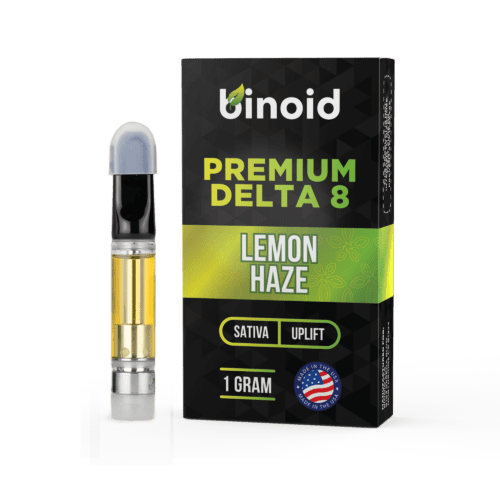
Delta 8 THC Vape Cartridge
$26.99$39.99 -
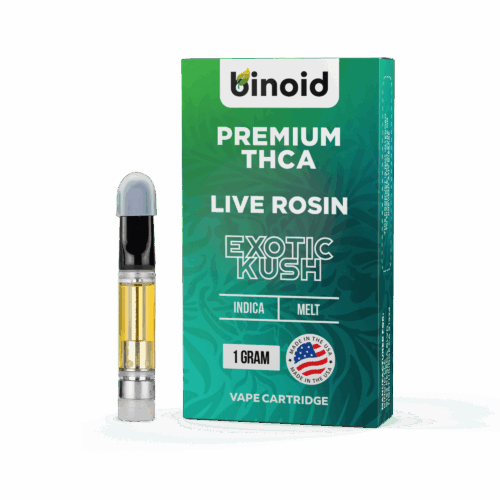
THCA Vape Cartridge – Live Rosin
$30.99$59.99 -
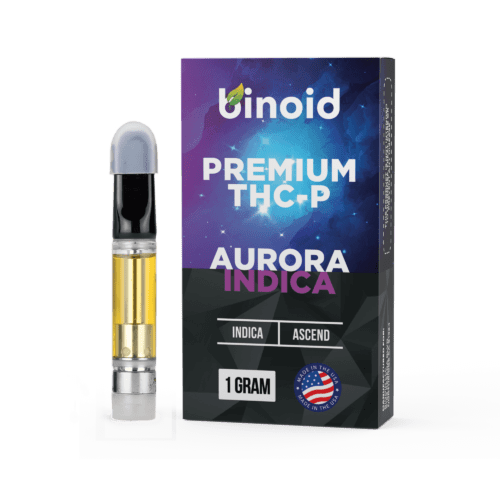
THC-P Vape Cartridge
$29.99$59.99
The Anatomy of a THC Vape Cartridge: What You’re Actually Holding
Before you take your first pull, it is worth spending a moment with the object itself, because understanding what a vape cartridge is and how it works will make everything that follows more intuitive. A cartridge is, at its most essential, a sealed reservoir of concentrated cannabis extract typically a distillate, live resin, or a blended formulation housed in a glass or PTFE-lined chamber with a ceramic or quartz heating element at its base. That heating element is called the coil or atomizer, and it is the site of the thermal reaction that transforms liquid extract into inhalable vapor. The coil is connected to a threaded metal post at the bottom of the cartridge, which is where it attaches to the battery component that powers the device. Most standard cartridges use what is called a 510-thread connection an industry-standard specification that makes the vast majority of cartridges compatible with the vast majority of batteries.
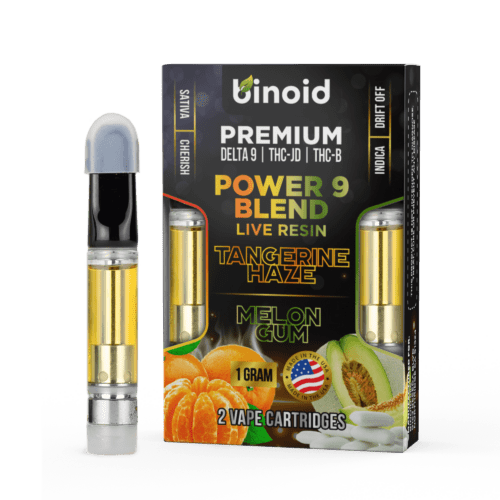
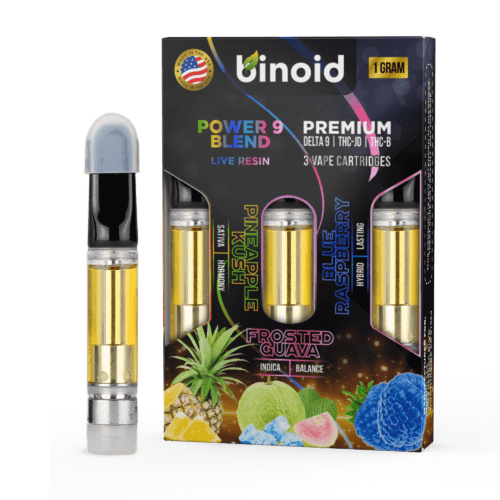
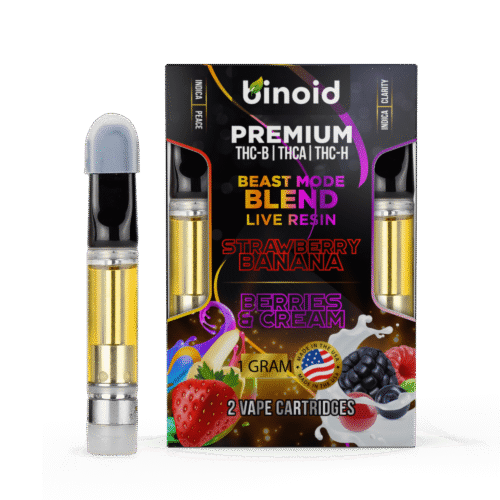
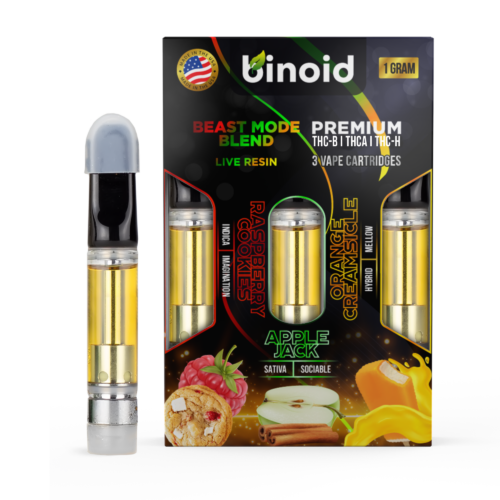
The extract inside the cartridge is what demands your real attention, because not all distillates are created equal and the quality of the oil determines the ceiling of the experience. Delta-8 THC, Delta-9 THC, THC-P, THC-H, THC-B, live resin formulations, and sophisticated multi-cannabinoid blends like Binoid’s Power 9 and Beast Mode collections each occupy a distinct position in the experiential spectrum, and the cannabinoid profile printed on the label is your primary navigation tool. Premium cartridges from BinoidCBD.com go further, providing batch-specific certificates of analysis from ISO 17025-accredited third-party laboratories that verify not just cannabinoid potency but terpene composition, residual solvent levels, and the full panel of safety analytes that separate accountable brands from the unverified noise that clutters the lower tiers of the market.
The terpene profile is the second dimension of cartridge quality that first-time users most often overlook. Terpenes are the aromatic volatile compounds responsible for the distinctive flavor and aroma characteristics of different cannabis cultivars, and they contribute meaningfully to the qualitative character of the experience through what researchers describe as the entourage effect the phenomenon by which cannabinoids and terpenes appear to modulate each other’s pharmacological behavior when present together. A cartridge formulated with a thoughtfully preserved terpene profile will deliver a layered, complex experience that a stripped, flavorless isolate distillate cannot replicate. This is why Binoid’s live resin cartridge line which captures the full volatile compound profile of the plant at harvest rather than working from dried and processed material represents such a meaningful step up from entry-level options.
Choosing Your Battery: The Hardware Foundation of Every Good Pull
The cartridge is only half of the equation. The battery the device that powers the coil and converts the extract into vapor is the variable that most first-time users underestimate and that most guides gloss over in their haste to get to the part where you actually inhale. The core specification to understand is voltage: the electrical potential delivered to the coil, which directly determines how hot the coil gets, how quickly the extract vaporizes, and consequently both the intensity of the hit and the degree to which delicate terpene compounds survive the heating process.
Most quality 510-thread batteries offer adjustable voltage settings, typically ranging from around 2.2 volts to 4.0 volts, and this range is not incidental. Lower voltage settings — in the 2.2 to 2.8 volt range produce gentler, cooler vapor that preserves terpene integrity, delivers a lighter hit, and is generally ideal for first-time users who are calibrating their tolerance and learning how their body responds to a specific cannabinoid profile. Higher voltage settings, in the 3.3 to 4.0 volt range, produce thicker, warmer vapor with more immediate intensity and a slightly more pronounced flavor the preference of experienced consumers who have established their tolerance and want a more assertive experience. For a first pull with a premium Binoid cartridge, starting at the lower end of the voltage spectrum is not timidity. It is strategy.
A common and costly mistake among first-time users is reaching for the cheapest available battery, reasoning that the cartridge does the real work. The battery absolutely matters. Inconsistent voltage delivery, poor contact at the 510-thread connection, and the absence of preheat functionality a feature that gently warms the oil before the first draw to ensure smooth, even vaporization are all problems more common in low-quality hardware that will compromise the experience regardless of how exceptional the cartridge itself is. Binoid’s own line of compatible batteries is engineered with their cartridge formulations specifically in mind, a detail that removes the guesswork from hardware pairing and ensures that the extract you’ve invested in performs as its formulator intended.
The First Pull: Technique, Timing, and What to Expect
Here is where most beginner guides either overcomplicate things or dramatically underprepare you, so let us approach this with the specificity it deserves. Attach your cartridge to the charged battery by threading it in clockwise until it is snug firm contact, but not overtightened, which can damage the coil connection. If your battery has a preheat function, engage it now: two quick button presses typically activates a fifteen to thirty second gentle warming cycle that liquefies any thickened oil near the coil and ensures a clean, consistent first draw. You will feel the cartridge become slightly warm in your hand. That is the process working correctly.
When you are ready to inhale, place the mouthpiece gently between your lips the cartridge is designed for mouth-to-lung or direct lung draws depending on the format, but for a first pull, a slow, controlled mouth-to-lung draw is the most approachable technique. Press the button if your battery is button-activated, or simply inhale if it’s draw-activated, and pull slowly and steadily for approximately two to three seconds. The goal is not the most voluminous hit possible it is a measured, intentional draw that allows the vapor to collect in your mouth before you bring it gently into your lungs. Hold it there briefly, exhale smoothly, and then stop. That is your first dose. You are done for now.
The instruction to wait is the most important instruction in this entire guide, and it is the one most frequently ignored with regrettable results. Vaping a cannabinoid like Delta-8 or Delta-9 THC produces effects that typically manifest within five to fifteen minutes meaningfully faster than edibles, which travel through the digestive system and undergo hepatic first-pass metabolism before entering circulation, but not instantaneous. The experienced consumer has internalized this timeline. The first-time user, feeling nothing immediately after that initial pull, takes another, and another, and arrives at an experience that is substantially more intense than they intended. The technique is straightforward: one pull, then fifteen minutes of patient, intentional waiting before you decide whether and how to proceed.
Dosing Philosophy: Starting Low and Finding Your Baseline
The concept of microdosing consuming the smallest quantity of a substance necessary to produce the desired effect has moved from the fringes of psychedelic research into the mainstream of sophisticated cannabinoid consumption culture, and it applies directly to how you should approach your first several sessions with a vape cartridge. Your baseline tolerance at the start is unknown, your CB1 receptor sensitivity is an individual variable that no label can account for, and the specific cannabinoid blend in your cartridge introduces additional complexity if you are working with something beyond a simple Delta-8 or Delta-9 distillate.
Binoid’s product catalog spans an enormous range of potency and complexity, from approachable single-cannabinoid Delta-8 cartridges that provide a gentle, clear-headed experience well-suited to functional daytime use, to the Power-9 and Beast Mode formulations that stack multiple cannabinoids including THC-P, one of the most potently CB1-active compounds in the hemp-derived market to create layered, full-bodied experiences designed for consumers with established tolerances and specific experiential goals. For a first-time user, the former is the correct starting point. Not because the latter isn’t exceptional it is but because understanding your own response to a baseline cannabinoid experience is the prerequisite to intelligently exploring more complex formulations. You calibrate before you escalate. This is not a rule. It is just sense.
The set and setting principle, borrowed from decades of serious psychedelic research and adapted naturally into cannabinoid culture, deserves a mention here. Your environment, your mental state, and your expectations at the time of consumption all meaningfully influence the character of the experience. A first session is best conducted in a comfortable, familiar setting, with people you trust if you prefer company, or in your own space if you prefer solitude. Have water nearby. Have something light to eat available, not because it changes the pharmacokinetics dramatically, but because physical comfort supports experiential comfort. Remove as many variables as you can, so that the one variable you are introducing the cartridge can be assessed clearly.
Maintenance and Storage: Protecting Your Investment Between Sessions
A THC vape cartridge is a precision instrument, and treating it as one extends both its functional lifespan and the quality of every pull it delivers. The most common performance issue first-time users encounter a gurgling, flooded pull that produces liquid in the mouthpiece rather than clean vapor is almost always a storage problem rather than a product defect. Cartridges should be stored upright, mouthpiece up, at consistent room temperature, away from heat sources and cold drafts. Cannabis distillate is a viscous liquid that responds to gravity; horizontal or inverted storage allows oil to migrate toward the mouthpiece and flood the coil, creating exactly the performance issues that vertical storage entirely prevents.
Temperature management matters beyond just avoiding the horizontal position. A cartridge left in a hot car for thirty minutes can lose a measurable portion of its terpene load those volatile aromatic compounds evaporate under heat exposure, leaving behind a distillate that is blunter, less flavorful, and stripped of the molecular complexity that made it worth purchasing in the first place. Cold exposure creates the opposite problem: certain cannabinoid-rich distillates, particularly those with high concentrations of specific compounds like THC-P or THC-B, can develop clouding or crystallization at low temperatures. This is typically reversible warming the cartridge gently between your palms for thirty seconds usually restores clarity but it signals that the storage environment is working against you rather than with you.
When a cartridge develops airflow resistance that cleaning doesn’t resolve, or when the oil has fully depleted to the point where the coil is heating without adequate material to vaporize, the correct response is to stop using it rather than to push for the last fraction of a pull. A dry hit a draw taken when the coil is inadequately coated with oil produces a distinctively harsh, acrid vapor that is the result of the coil material itself overheating rather than extract vaporizing cleanly. It is unpleasant, it provides no cannabinoid benefit worth the experience, and it signals definitively that the cartridge has completed its useful life.
Reading the Catalog: Navigating Binoid’s Vape Lineup as You Develop Your Palate
Once you have established your baseline response and developed confidence with your equipment, the real exploration begins and the BinoidCBD.com vape catalog is one of the more intelligently organized expressions of what the premium hemp-derived cartridge market can offer a consumer who knows what they are looking for. The single-cannabinoid lines provide clarity and reproducibility ideal for consumers building their reference framework. The blended lines Beast Mode and Power 9 represent increasingly sophisticated cannabinoid architectures designed to leverage the entourage effect and deliver experiences that transcend what any single molecule can accomplish alone.
Live resin cartridges represent the category’s highest expression of terpene fidelity, capturing the volatile compound profile of the living plant at the moment of harvest before curing and drying have begun to degrade the most fragile aromatic molecules. The experiential difference between a live resin cartridge and a standard distillate-plus-added-terpenes product is real and perceptible a fullness of flavor, a greater sense of cultivar identity, and a qualitative complexity that experienced consumers reliably recognize and prefer. Binoid’s live resin offerings bring this standard to the hemp-derived market with the same ISO 17025-backed testing rigor and supply chain accountability that applies across every product in the catalog. For the consumer who began with a carefully calibrated first pull and is now ready to explore what the format’s upper tier looks and tastes like, that is the natural destination.
The journey from first pull to confident connoisseur is shorter than most people expect, and it is made considerably more rewarding when the products anchoring the experience are built with the transparency, scientific integrity, and genuine formulation craft that define the best of what BinoidCBD.com has assembled. Start slow, stay attentive, and let the molecule tell you what you need to know. It has always been extraordinarily good at that.
To Buy THC Vape Click Here
Recommended products
-
Power 9 Blend Live Resin Cartridge – 2 Pack Combo (Limited Time Sale)
$40.99$89.99 -
Power 9 Blend Live Resin Vape Cartridges – 3 Pack Combo
$54.99$89.99 -
Beast Mode Blend Live Resin Cartridge – 2 Pack Combo (Limited Time Sale)
$40.99$89.99 -
Beast Mode Blend Live Resin Cartridge – 3 Pack Combo
$54.99$89.99