The Invisible Choice That Determines Everything Downstream
Every hemp-derived product on the market today every tincture, every vape cartridge, every jar of THCA diamonds began its life as raw plant material subjected to a decision most consumers never see and rarely think to ask about: how, exactly, was the cannabinoid content separated from the rest of the plant. This single choice, made in a manufacturing facility long before a product ever reaches a shopping cart, does more to determine the final quality, purity, and character of that product than almost any other variable in the supply chain.
Extraction methodology is the quiet architecture behind every finished good in this category, and among the handful of techniques available to processors, one has emerged as the clear standard-bearer for brands serious about quality: supercritical CO2 extraction. Understanding why this method has become the benchmark and why it matters so directly to the consumer holding the finished product requires stepping into a bit of physical chemistry that is, once explained, genuinely elegant.
Supercritical CO2 extraction hemp processing did not become dominant by accident or marketing convenience. It rose to prominence because it solves a problem that plagued earlier extraction generations: how do you pull the valuable cannabinoids and terpenes out of raw plant matter without dragging along the solvent residues, chlorophyll, and degraded compounds that compromise both safety and flavor. The answer lies in a peculiar property of carbon dioxide itself, a molecule so common and so thoroughly non-threatening in its everyday gaseous form that its potential as an industrial solvent is almost counterintuitive. But under the right conditions of pressure and temperature, CO2 stops behaving like a simple gas or liquid and becomes something else entirely and that transformation is where the real story begins.
TO BUY THC PRODUCTS CLICK HERE
Recommended products
-
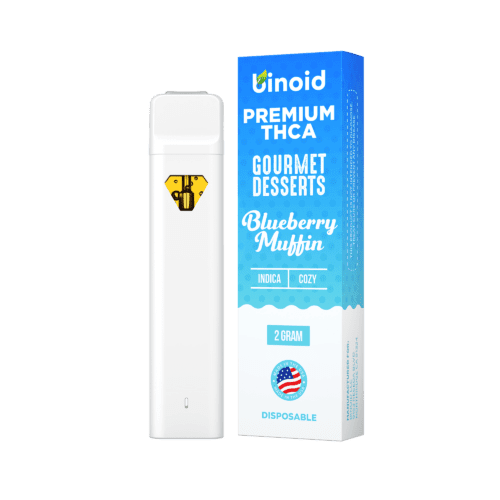
THCA Disposable 2 Gram – Gourmet Desserts
$37.99$73.00 -
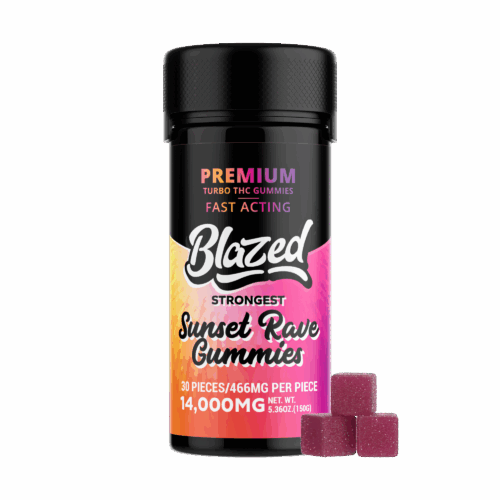
14,000MG Turbo THC Gummies – Blazed
$49.99$84.99 -
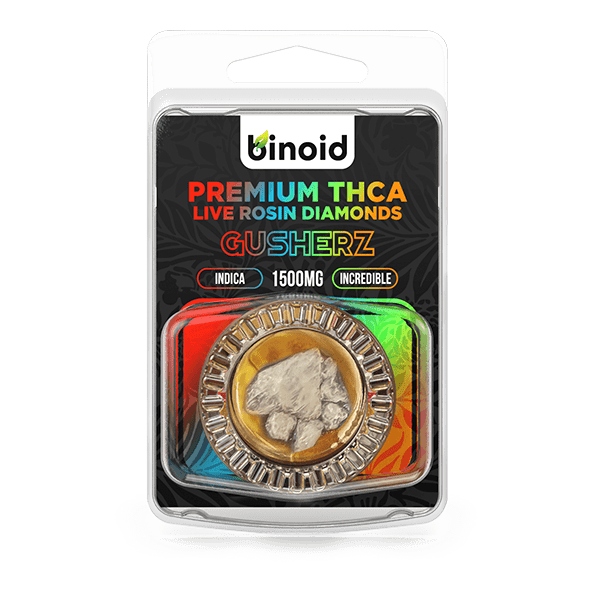
THCA Diamonds 1500mg – Live Rosin
$30.99$59.99 -
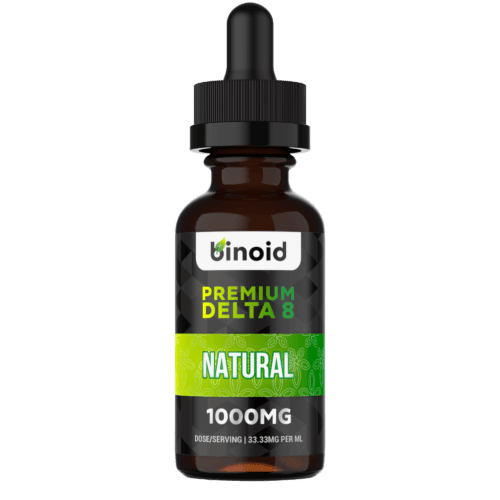
Delta 8 THC Tincture (1000mg, 2500mg, 5000mg)
$25.99$44.99
What “Supercritical” Actually Means
To call something supercritical is to describe a very specific physical state, and the term is not marketing flourish it is precise scientific language borrowed directly from thermodynamics. When carbon dioxide is subjected to both elevated pressure, typically above 1,071 pounds per square inch, and elevated temperature, around 87.8°F, it crosses what chemists call the critical point. Beyond this threshold, CO2 no longer exists as a distinct liquid or a distinct gas. It becomes a supercritical fluid, a state of matter that exhibits the diffusive, penetrating qualities of a gas while simultaneously carrying the density and solvating power of a liquid.
This dual nature is precisely what makes it such a remarkable extraction medium, because it can flow through tightly packed plant material the way a gas would, slipping into cellular structures that a purely liquid solvent might struggle to penetrate efficiently, while still dissolving and carrying away cannabinoids and terpenes the way a liquid solvent does.
The practical consequence of this molecular behavior is an extraction process capable of remarkable selectivity. By fine-tuning the pressure and temperature within the supercritical range, engineers running these systems can essentially dial in exactly which compounds get pulled from the plant material and which get left behind. Lower pressure ranges within the supercritical zone tend to favor the extraction of terpenes and lighter cannabinoids, while higher pressures pull more of the heavier lipids and waxes along with the cannabinoid content. This tunability is a level of process control that older extraction methods simply cannot replicate, and it is a large part of why supercritical CO2 extraction hemp processing has become the gold standard among manufacturers who care about producing a clean, consistent, full-spectrum end product rather than a crude approximation of one.
The Alternatives, and Why They Fall Short
To appreciate what supercritical CO2 extraction accomplishes, it helps to understand what it replaced, and what cheaper alternatives continue to circulate in less scrupulous corners of the hemp industry. Hydrocarbon extraction, using solvents like butane or propane, has a long history in cannabis processing and can produce excellent results in the hands of a meticulous, well-equipped operator but it also carries a genuine risk profile if residual solvents are not fully purged from the final product, and the equipment and expertise required to do this reliably at scale represent a real barrier that not every manufacturer clears.
Ethanol extraction, another common method, is generally regarded as safer from a residual-solvent standpoint but tends to be far less selective, frequently pulling chlorophyll and plant waxes along with the cannabinoids, which then requires additional winterization and filtration steps that add time, cost, and opportunities for quality loss at every additional stage of processing.
Supercritical CO2 sidesteps both of these problems in a way that is almost architecturally satisfying. Because carbon dioxide is not flammable, the safety profile of the extraction facility itself is meaningfully improved compared to hydrocarbon-based operations. Because the process leaves behind essentially no residual solvent CO2 simply returns to its gaseous state and evaporates completely once pressure is released, a process extraction engineers call the “flash off” there is no purging step analogous to what hydrocarbon processors must perform, and no lingering chemical footprint in the finished distillate. This is not a minor technical footnote; it is the reason a consumer examining a certificate of analysis for a product extracted this way will typically find residual solvent panels reporting values at or near the lower limit of detection, which is precisely the reassurance a discerning buyer wants to see before committing to a product they intend to consume.
Recommended products
-
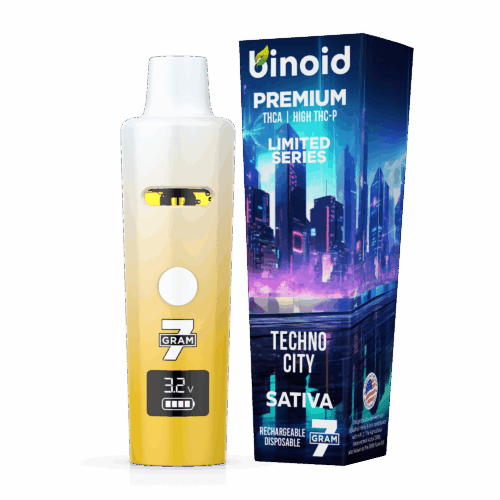
7 Gram THCA + High THC-P Disposable Vape – Limited Series
$67.99$109.99 -
13,000mg Good Luck Gummies
$47.99$79.99 -
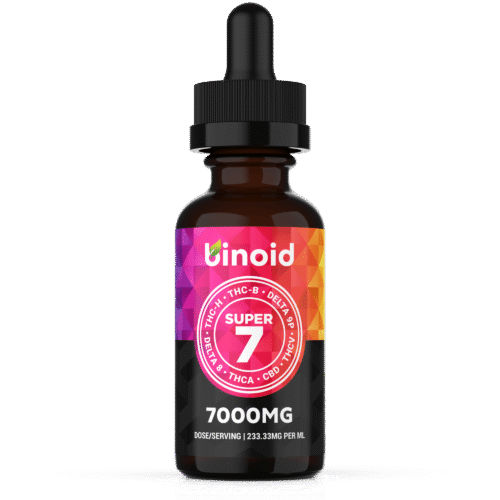
Super 7 Tincture – 7000mg
$39.99$59.99 -
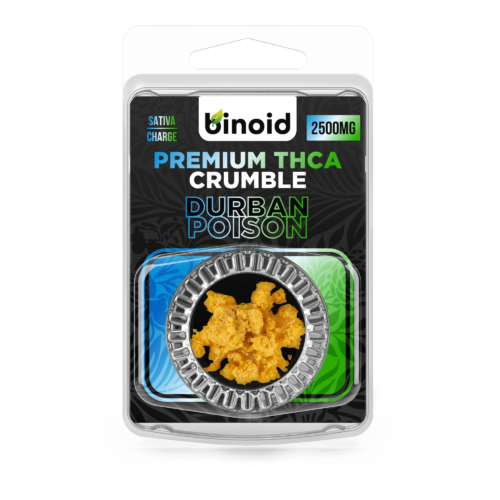
THCA Crumble – 2500mg
$37.99$59.99

From Crude Oil to Refined Distillate: The Journey After Extraction
The output of a supercritical CO2 extraction run is typically referred to as crude oil, and despite the unglamorous name, this substance already represents a significant refinement over raw plant material a concentrated, viscous liquid carrying the cannabinoid and terpene profile of the source hemp, still bundled with a range of secondary plant compounds including waxes, chlorophyll fragments, and lipids that were pulled along during the process. From here, the crude oil typically proceeds through a winterization step, in which the extract is dissolved in ethanol, chilled to sub-zero temperatures, and filtered to precipitate out the waxes and lipids that would otherwise cloud the final product and interfere with subsequent processing. This step is not glamorous, but it is essential, and the rigor with which a manufacturer performs it says a great deal about their overall commitment to producing a clean finished good.
Following winterization, the extract typically moves into short-path or wiped-film distillation, a process that uses precise temperature and vacuum control to separate individual cannabinoid fractions from one another and from residual plant compounds based on their differing boiling points. This is the stage at which a manufacturer can isolate specific cannabinoids with a high degree of purity, or alternatively preserve a broader spectrum of compounds if the goal is a full-spectrum or broad-spectrum finished product.
For hemp-derived THC products that rely on isomerization the chemical conversion of CBD into compounds like Delta 8, Delta 10, or THC-P the purity of the distillate entering that conversion process is enormously consequential, because impurities present in a poorly refined starting material propagate forward through the reaction and are exceptionally difficult to remove afterward. A manufacturer that begins with a clean, well-extracted, properly winterized and distilled base material is setting every downstream product in its catalog up for success, while a manufacturer that cuts corners at this early stage is building its entire product line on a compromised foundation, no matter how sophisticated its later processing steps might appear.
Why This Matters to the Person Holding the Product
It would be reasonable for a consumer to ask why any of this technical detail should matter to them personally, given that they are purchasing a finished tincture or vape cartridge rather than a batch of crude extract. The answer is that extraction methodology shows up in the finished product in ways that are directly perceptible, even to someone with no chemistry background whatsoever. A product built on cleanly extracted, properly refined distillate tends to deliver a smoother, more transparent flavor profile, because the terpene and cannabinoid content has not been diluted or contaminated by degraded chlorophyll, residual solvent notes, or the slightly acrid quality that poorly processed extracts can carry. The experiential clarity of a well-made product the sense that what you are tasting and feeling is the plant’s genuine chemical signature rather than a muddled approximation of it traces directly back to decisions made in the extraction facility, often months before the consumer ever encounters the finished good.
This is precisely the standard that BinoidCBD.com has built its manufacturing philosophy around, treating supercritical CO2 extraction not as a premium upcharge reserved for a handful of flagship items but as the baseline expectation across its entire hemp-derived catalog. Whether a shopper is exploring Binoid’s tincture lineup, its live resin vape cartridges, or its more novel cannabinoid offerings like THC-P and THC-H formulations, the underlying extraction and refinement standard remains consistent, which is precisely the kind of cross-category reliability that builds genuine trust rather than product-by-product guesswork. The certificates of analysis published for each batch on Binoidcbd.com reflect this commitment directly, with residual solvent panels that consistently demonstrate the clean profile that proper supercritical CO2 processing is capable of producing.
The Environmental and Economic Dimension
There is also a resource dimension to this conversation that deserves acknowledgment, because supercritical CO2 extraction carries advantages that extend beyond the finished product’s purity profile. The carbon dioxide used in these closed-loop systems is typically recaptured and reused across multiple extraction cycles rather than consumed and discarded, which represents a meaningfully lower environmental footprint compared to hydrocarbon-based processes that require constant replenishment of flammable solvents subject to their own supply chain and disposal considerations.
The equipment required to run supercritical CO2 systems at commercial scale is genuinely expensive, involving industrial-grade pressure vessels, precise temperature control systems, and the trained technical staff necessary to operate them safely and consistently which is precisely why the manufacturers who have made this investment tend to be the same manufacturers who have made parallel investments in third-party lab testing, ISO 17025 accredited certificate documentation, and the broader infrastructure of accountability that separates serious operators from those simply chasing the lowest possible production cost.
This economic reality functions as a kind of natural filtering mechanism within the hemp-derived cannabinoid industry. A brand willing to absorb the capital cost of proper supercritical CO2 infrastructure has generally demonstrated, through that investment alone, a baseline commitment to quality that correlates with other markers a careful consumer should be looking for batch-specific COA documentation, domestic hemp sourcing, and a level of process transparency that brands cutting corners on extraction methodology rarely bother to extend into their marketing and consumer communication as well.
Reading the Signals: What a Discerning Consumer Should Look For
For the cannabinoid consumer who has absorbed this much molecular and procedural detail, the practical takeaway is refreshingly actionable. When evaluating a hemp-derived product, look for explicit mention of the extraction method used, and treat vague language phrases like “premium extraction” or “advanced technology” that stop short of naming an actual process with appropriate skepticism. A brand confident in its supercritical CO2 extraction hemp processing will typically say so directly, because it is a genuine differentiator worth stating plainly rather than obscuring behind marketing abstraction. Cross-reference that claim against the certificate of analysis for the specific batch you are considering, paying particular attention to the residual solvent panel, which should report values at or below the limit of quantification if the extraction and any associated winterization steps were performed correctly.
The broader lesson embedded in all of this is that hemp-derived cannabinoid quality is not a single decision made at the point of formulation it is a cumulative outcome built from a chain of choices stretching back to the extraction facility, and in many cases back further still to the farm where the raw hemp was grown. A consumer who understands what supercritical CO2 extraction accomplishes, and why it represents a meaningfully different manufacturing philosophy than cheaper alternatives, is equipped to ask better questions and make more informed purchasing decisions across the entire hemp-derived product category.
BinoidCBD.com has positioned its entire catalog around exactly this kind of transparency, publishing the extraction methodology and batch-specific testing data that allows exactly this sort of informed evaluation, which is precisely the relationship between brand and consumer that a maturing, increasingly sophisticated market ought to be building toward as a matter of course.
TO BUY THC PRODUCTS CLICK HERE
Recommended products
-
5 Gram Disposable – Blazed
$51.99$79.99 -
Delta 9 THC Marshmellow
$39.99$49.99 -
THCA Hash Rosin Dabs – 1000mg
$33.99$59.99 -
Power 9 Blend Tincture – 1000mg
$34.99$59.99