Two Formats, One Underlying Question
Walk into the vape section of any premium hemp retailer’s catalog and you’ll encounter a choice that seems simple on its surface but actually sits atop a genuinely interesting set of engineering, chemistry, and lifestyle trade-offs: disposable vape, or cartridge and battery system? The two formats deliver a functionally similar payload vaporized, cannabinoid-rich distillate inhaled through a mouthpiece but the experience of owning, using, and living with each one diverges in ways that matter enormously depending on who you are as a consumer. This is not a question with a universally correct answer. It’s a question of matching hardware philosophy to consumption pattern, and understanding the actual mechanical and chemical differences between the two formats is the only way to make that match intelligently.
To Buy THC Vape Click Here
Recommended products
-
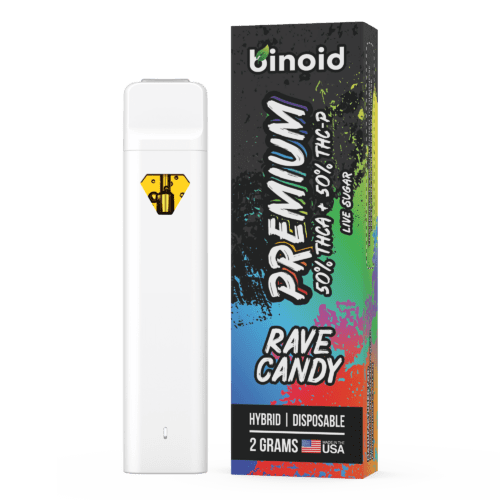
Live Sugar THCA + THC-P Disposable Vape – Pure 50/50
$39.99$69.99 -
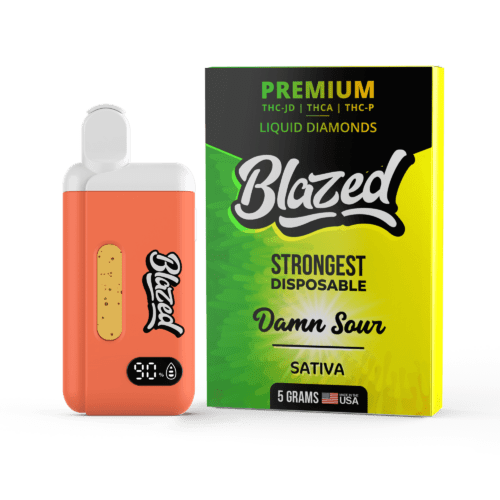
THCA + Delta 9P 5 Gram Disposable – Blazed
$51.99$79.99 -
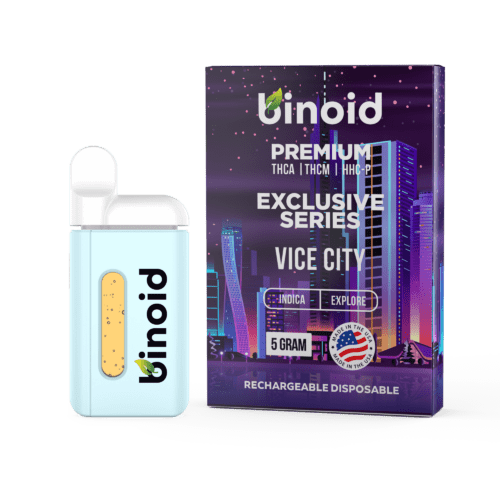
5 Gram Disposable – Exclusive Series
$59.99$89.99 -
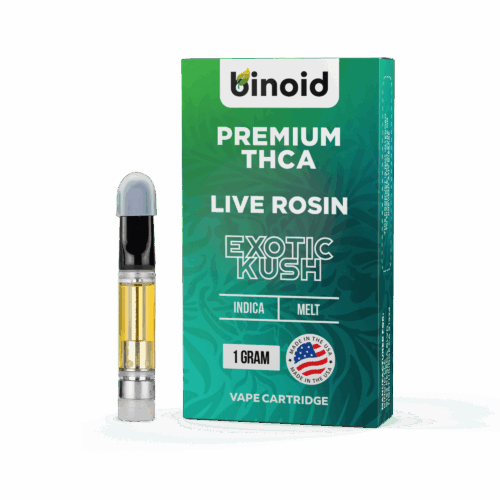
THCA Vape Cartridge – Live Rosin
$30.99$59.99
The Disposable Vape: Engineering for Simplicity
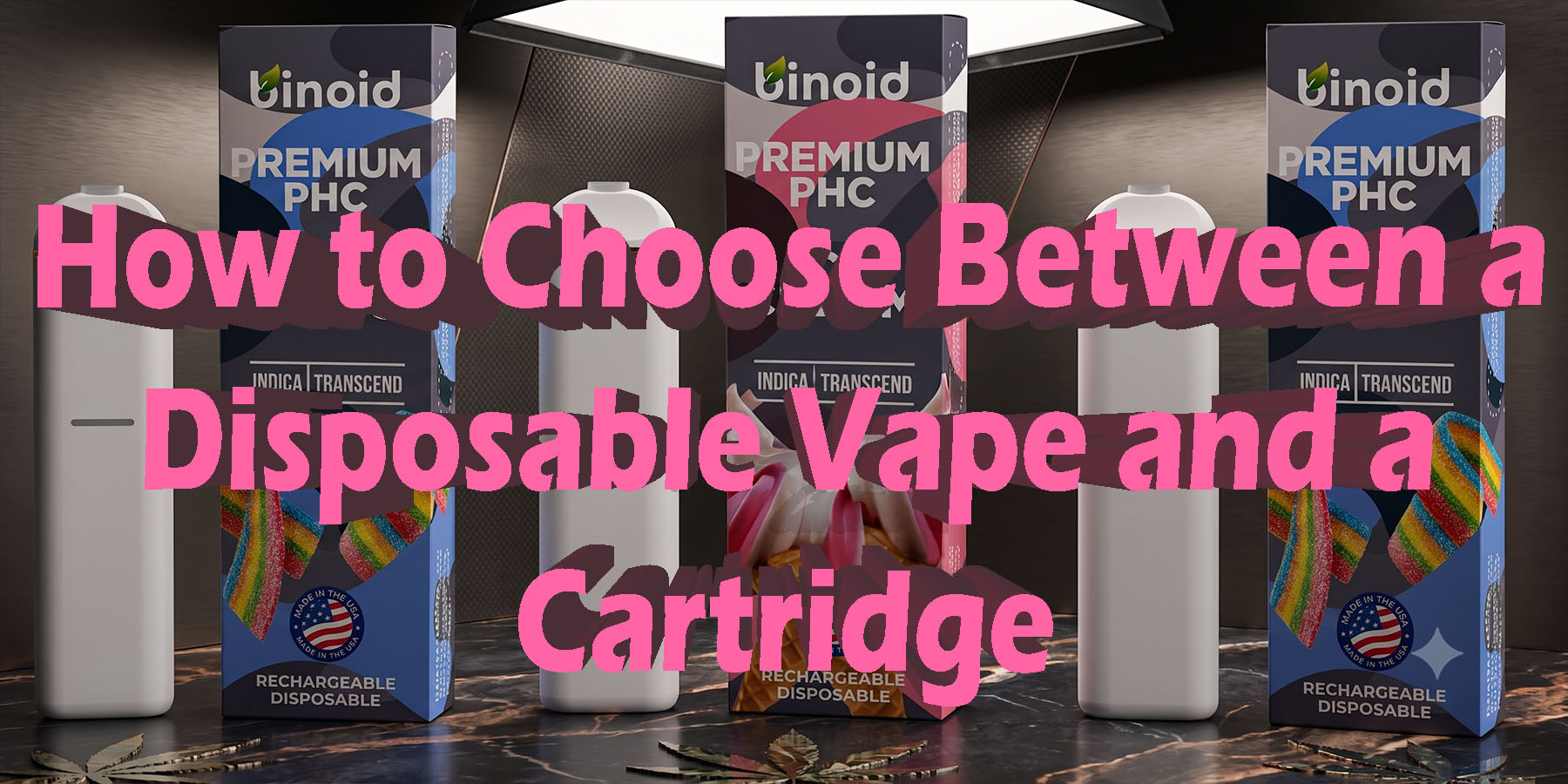
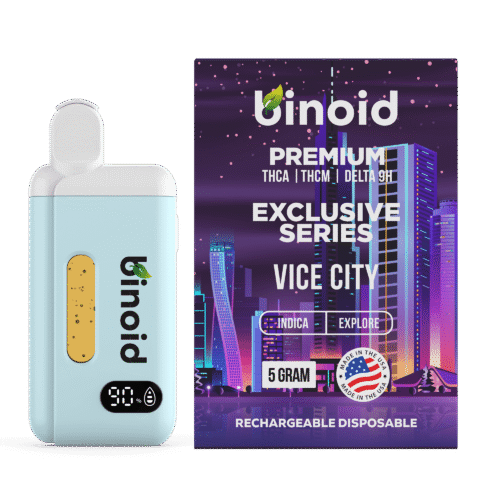
A disposable vape is, at its core, a complete and self-contained system battery, heating element, and pre-filled distillate reservoir integrated into a single unit designed to be used until empty and then discarded. The appeal here is almost entirely about friction removal. There is no charging, no battery management, no separate cartridge to thread onto a separate device, no risk of a battery dying while a perfectly good cartridge sits unused. For the consumer who wants the experience without the hobbyist infrastructure someone who might use a vape occasionally, socially, or while traveling the disposable format removes every point of potential complication.
This simplicity comes with real engineering behind it, even if that engineering is invisible to the end user. The heating coil in a well-made disposable is calibrated specifically to the viscosity of the distillate it’s paired with, since the manufacturer controls both variables simultaneously rather than leaving that pairing to chance the way a modular cartridge-and-battery system inherently does. Binoid’s disposable vape lineup, available through BinoidCBD.com, reflects this integrated approach, with hardware and distillate formulation developed in tandem so that the draw, the heat curve, and the vapor density are all calibrated to a specific, tested standard rather than assembled from mismatched components. The trade-off is that once the reservoir is empty, the entire device battery included is discarded, regardless of how much functional battery life technically remains.
The Cartridge System: Engineering for Longevity and Control
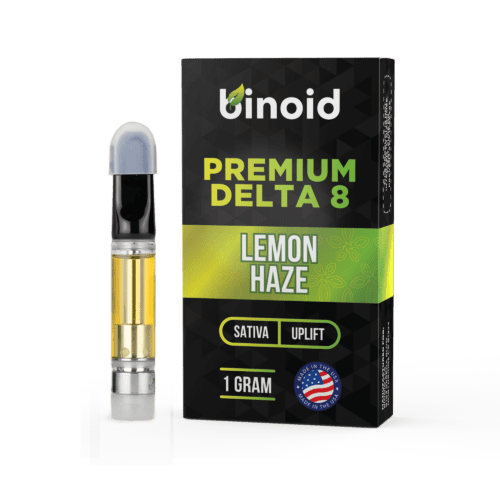
A cartridge and battery system separates the two core components: a rechargeable, reusable battery that the consumer owns indefinitely, and a replaceable cartridge containing the actual distillate and heating element that gets swapped out once emptied. This modularity is the entire value proposition. Rather than discarding a full device every time the oil runs out, the consumer discards only the comparatively small cartridge, while the battery the more resource-intensive and durable component continues in service across dozens or hundreds of cartridge changes.
The other major advantage of the cartridge format is variable voltage control, a feature increasingly standard on quality batteries in this category. Because different distillate viscosities and different cannabinoid formulations vaporize optimally at different temperatures, the ability to adjust voltage lets the consumer fine-tune the draw to their own preference and to the specific characteristics of whichever cartridge is currently loaded.
A thicker, live resin-infused distillate might perform best at a higher voltage that ensures complete vaporization without scorching, while a lighter, more terpene-forward formulation might shine at a lower setting that preserves aromatic delicacy rather than driving off volatile compounds too aggressively. Binoid’s cartridge lineup on BinoidCBD.com is formulated with this flexibility in mind, with distillate viscosities engineered to perform well across a reasonable voltage range rather than demanding a single narrow setting to function properly.
The Chemistry Underneath: Why Hardware and Formulation Are Inseparable
It’s worth pausing on a point that often gets lost in format comparisons: the hardware and the distillate inside it are not independent variables. A heating element that runs too hot for a given formulation will degrade the more delicate terpene compounds before they ever reach the consumer, producing vapor that tastes burnt or harsh regardless of how good the underlying distillate actually was. Conversely, a heating element that runs too cool for a thicker or more viscous formulation will produce weak, underwhelming draws and can contribute to the kind of coil flooding that leaves oil pooling unevenly around the wick. This is precisely why the disposable format’s integrated engineering has genuine advantages for consumers who don’t want to think about any of this the manufacturer has already solved the temperature-viscosity equation before the product ever reaches the shelf.
Cartridge systems ask a little more of the consumer in this regard, but reward that engagement with a level of control that disposables simply cannot offer. A consumer who understands their own preferences who knows they favor a slightly cooler draw that preserves terpene nuance, or a hotter, more aggressive vaporization that maximizes vapor density can actually act on that knowledge with a cartridge system in a way that’s structurally unavailable with a sealed disposable unit.
Recommended products
-
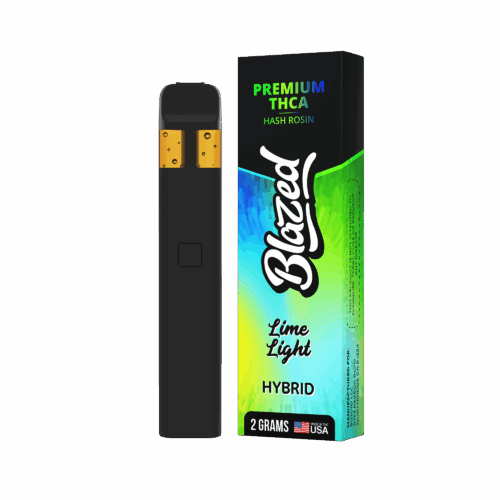
2 Gram THCA Disposable Hash Rosin – Blazed
$37.99$59.99 -
5 Gram THCA + THCM Disposable Vape – Exclusive Series
$55.99$89.99 -
Delta 8 THC Vape Cartridge
$26.99$39.99
Cost, Waste, and the Long-Term Calculation
The economics of these two formats diverge meaningfully once you look past the sticker price of a single unit. A disposable vape typically carries a lower upfront cost, which makes it an attractive entry point or an easy occasional purchase. But because the entire device battery included is discarded with each unit, the ongoing cost of a disposable-based habit tends to be higher than an equivalent cartridge-based routine over any meaningful time horizon, since the reusable battery in a cartridge system represents a one-time investment that pays dividends across every subsequent cartridge purchase. There is also a genuine environmental dimension here worth naming honestly: a cartridge system generates meaningfully less electronic waste over time than a comparable volume of disposables, since only the smaller cartridge component is discarded with each cycle rather than an entire battery and heating assembly.
This isn’t a moral argument so much as a practical one for anyone who vapes regularly enough that the format choice compounds meaningfully over months of use. The consumer who vapes occasionally, a few times a month, may never accumulate enough disposable units for the cost differential to matter. The consumer who vapes daily is looking at a very different long-term calculation, one where the cartridge system’s higher initial investment in a quality battery pays for itself many times over.
Discretion, Durability, and Real-World Use Cases
Beyond the chemistry and the economics, there’s a practical, lifestyle-level dimension to this choice that deserves equal weight. Disposable vapes are, almost by design, more discreet and more travel-friendly there’s no separate battery to keep charged, no cartridge to accidentally leave behind, and no visible modular hardware that might draw unwanted attention in a social setting where a consumer prefers to keep things low-key. This makes disposables a natural fit for travel, for social occasions where a single evening’s use doesn’t justify carrying a full cartridge-and-battery kit, or simply for consumers who want something they can toss in a bag and forget about until they need it.
Cartridge systems, by contrast, reward the consumer who has established vaping as a regular part of their routine and who values having a dedicated, familiar piece of hardware on hand at all times something that lives on a nightstand or in a specific drawer, charged and ready, with a rotating supply of cartridges reflecting whatever cannabinoid profile or flavor is currently in favor. The batteries themselves have also become considerably more durable and better-engineered in recent years, with improved charge retention and sturdier construction that holds up well to the kind of daily handling a regular cartridge user puts their hardware through.
Quality Signals to Look for in Either Format
Regardless of which format ultimately fits your consumption pattern, the same quality-verification principles apply to both. Every reputable vape product disposable or cartridge should be accompanied by a current, ISO 17025-accredited third-party certificate of analysis, confirming cannabinoid concentration, terpene content where applicable, and a full safety panel screening for residual solvents and heavy metals. This is non-negotiable in a hardware category where the consumer is directly inhaling whatever the device delivers, and it’s a standard that shouldn’t be treated as optional regardless of format or price point. BinoidCBD.com maintains batch-specific COA documentation across its entire vape catalog, disposables and cartridges alike, giving the consumer the same transparency and verification regardless of which hardware philosophy they ultimately choose.
Terpene sourcing is another signal worth scrutinizing in either format. Distillate infused with genuine, strain-specific terpene profiles rather than generic, flavor-only additives delivers a more complex and more honest experience, and it’s a distinction that becomes obvious within the first few draws to anyone who has spent time with both categories of product side by side.
The Decision Framework: Matching Format to Lifestyle
In the end, the choice between a disposable vape and a cartridge system comes down to an honest assessment of your own consumption habits rather than any objective superiority of one format over the other. The occasional consumer, the traveler, or the social user who values zero-maintenance simplicity above all else is generally best served by a well-formulated disposable, where the integrated engineering has already solved every variable before the product reaches their hands. The regular consumer who vapes often enough to justify the modest upfront investment in a quality battery, and who values the ability to fine-tune voltage to match specific distillate formulations, will typically find a cartridge system more satisfying and more economical over time.
Both paths lead to the same destination if the sourcing is right: a clean, consistent, well-formulated vapor experience backed by transparent lab documentation. BinoidCBD.com‘s parallel commitment to quality across both hardware philosophies means the decision genuinely comes down to lifestyle fit rather than any compromise in the underlying product standard which is, ultimately, exactly the kind of choice a sophisticated consumer should be able to make with confidence.
To Buy THC Vape Click Here
Recommended products
-
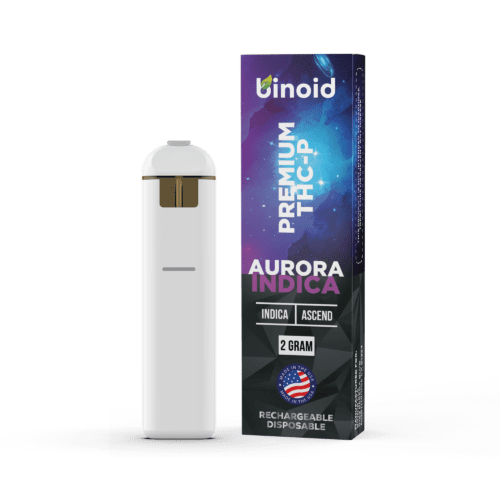
THC-P Rechargeable Disposable – 2 Gram
$31.00$59.99 -
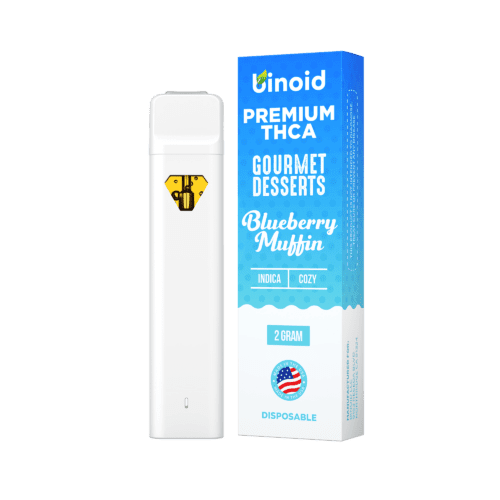
THCA Disposable 2 Gram – Gourmet Desserts
$37.99$73.00