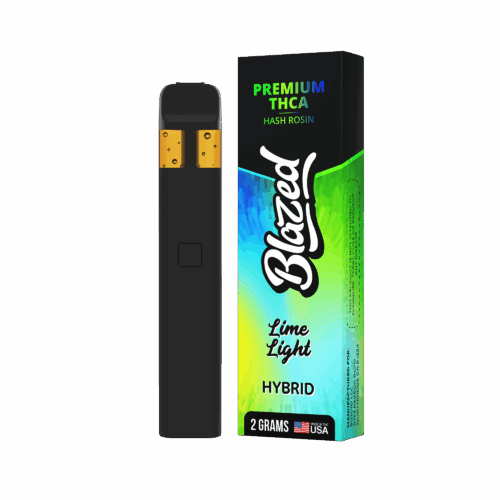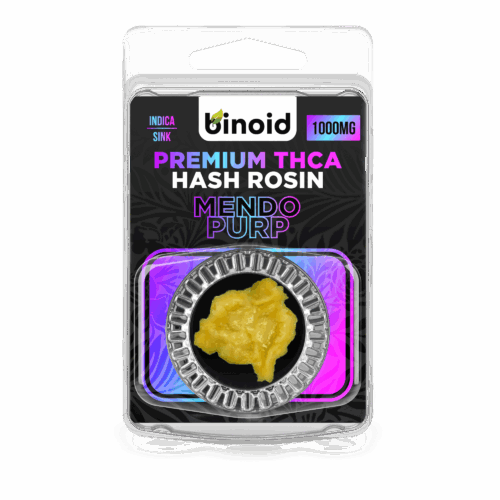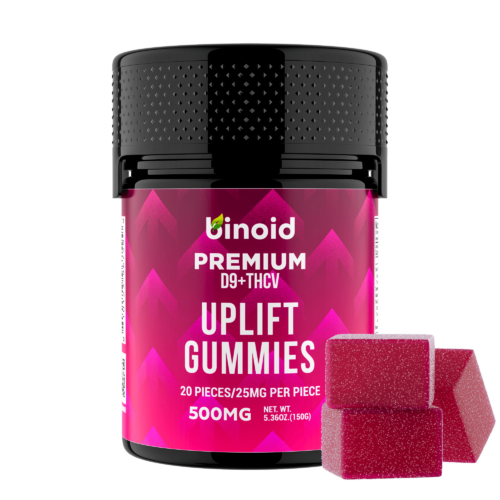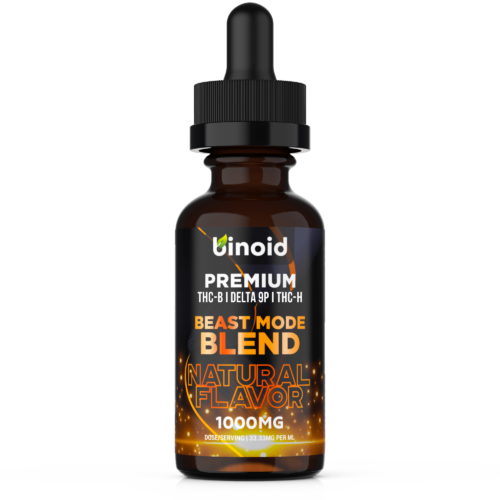
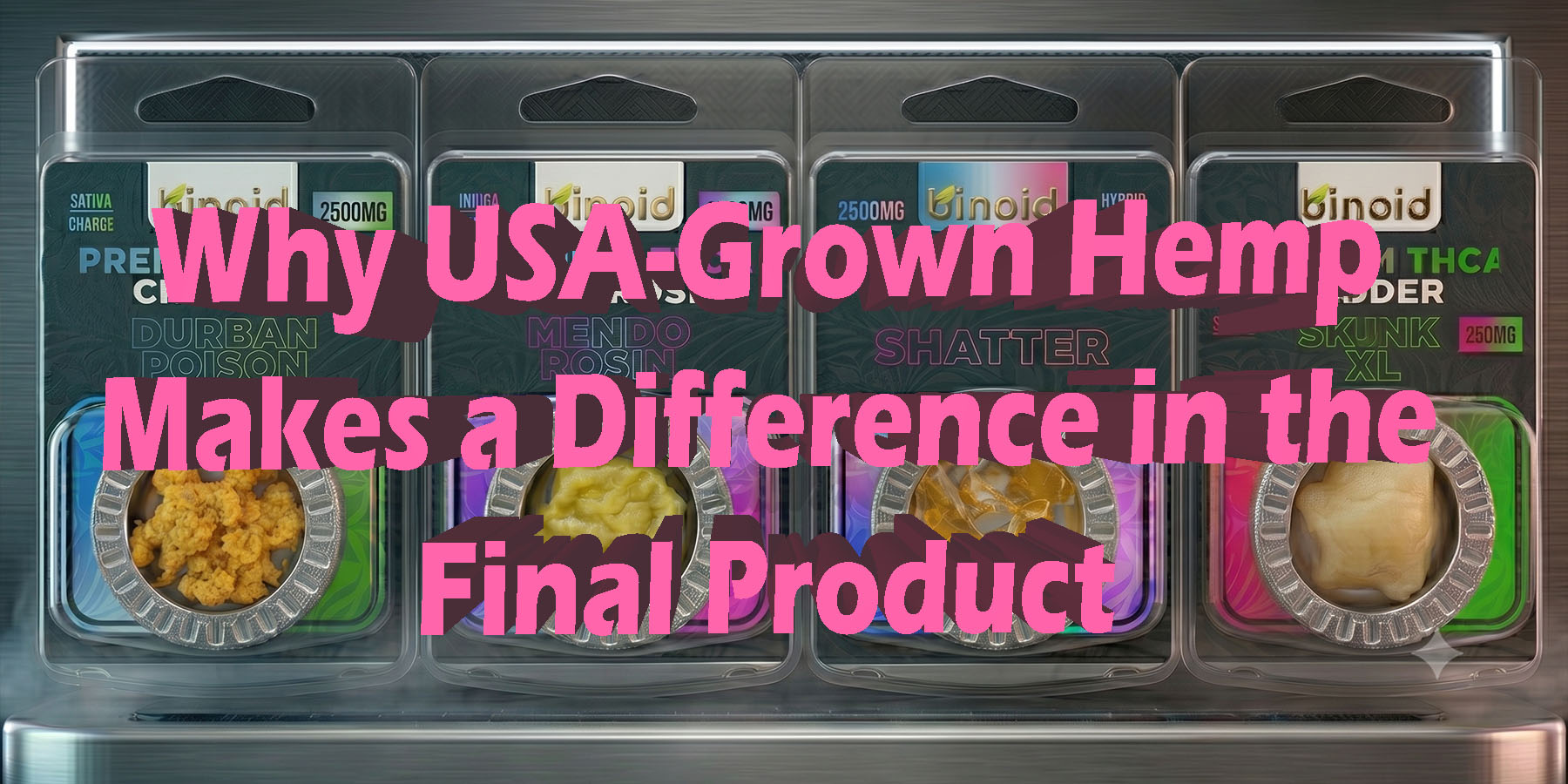
There is a temptation, when evaluating a hemp-derived cannabinoid product, to begin the analysis at the finished item the gummy in its package, the vape cartridge with its polished branding, the tincture bottle with its precise dosing dropper. This is a natural instinct, but it is also a fundamentally incomplete one, because by the time a product reaches that stage, the single most consequential decision affecting its quality has already been made, often months earlier, in a field that the consumer will never see. That decision is where the hemp was grown. The question of USA-grown hemp quality versus its international alternatives is not a matter of patriotic preference or marketing convenience. It is an agricultural and regulatory reality with molecular consequences that follow a plant from seed to shelf, and understanding it is essential for anyone who wants to make genuinely informed choices in this category.
TO BUY CANNABINOID PRODUCTS CLICK HERE
Recommended products
-
14,000MG Turbo THC Gummies – Blazed
$49.99$84.99 -
Live Sugar THCA + THC-P Disposable Vape – Pure 50/50
$39.99$69.99 -
Delta 8 THC Tincture (1000mg, 2500mg, 5000mg)
$25.99$44.99 -
THCA Diamonds 1500mg – Live Rosin
$30.99$59.99
Hemp as a Bioaccumulator: Why Growing Conditions Matter So Much
To understand why sourcing origin matters this much, you first have to understand something specific about how hemp interacts with its environment. Hemp is what botanists classify as a bioaccumulator a plant with an unusually efficient capacity to draw compounds up from the soil and water surrounding it, well beyond the nutrients it strictly needs for growth. This property is precisely why hemp has been used historically in phytoremediation projects, deliberately planted in contaminated industrial sites to help pull heavy metals and pollutants out of degraded soil. That same absorptive efficiency, so useful for environmental remediation, becomes a serious liability when the plant in question is destined for human consumption products rather than industrial cleanup.
Every heavy metal, pesticide residue, and industrial contaminant present in a hemp plant’s growing environment has a real chance of ending up concentrated within its tissue, and by extension, within any extract, distillate, or isolate later derived from that biomass. This means the soil quality, water purity, and agricultural inputs used during cultivation are not peripheral concerns they are foundational determinants of what a finished cannabinoid product can and cannot be, regardless of how sophisticated the downstream extraction and manufacturing process might be. A contaminated starting material cannot be fully purified into a clean final product through processing alone, which is exactly why the agricultural origin of hemp deserves far more consumer attention than it typically receives.
The Regulatory Infrastructure Behind Domestic Cultivation
The United States has built, since the passage of the 2018 Farm Bill, a genuinely substantive regulatory framework governing domestic hemp cultivation, even as the space continues to evolve. Licensed American hemp farmers operate under state agricultural department oversight and USDA guidelines that establish requirements around pesticide application, mandatory crop testing for THC compliance, and detailed record-keeping obligations. This does not mean every domestic farm operates flawlessly, but it does mean there is an accountability structure in place, one with enforcement mechanisms that international growing regions frequently lack entirely. When a hemp crop is cultivated within this framework, a documented chain of agricultural oversight exists that a brand can point to and a consumer can, at least in principle, trace.
Contrast this with hemp biomass sourced from regions where agricultural regulation is thin, testing infrastructure is underdeveloped, or economic pressure to maximize yield routinely overrides quality and safety considerations. A consumer purchasing a finished product made from imported biomass has essentially no reliable way of verifying what pesticides were applied during cultivation, what the soil and water conditions actually were, or whether any testing occurred at any point before the material entered a manufacturing facility. These are not abstract, hypothetical risks conjured to make a sourcing argument sound more urgent than it is they are documented realities, with multiple instances on record of imported hemp extract testing positive for elevated heavy metal concentrations and undisclosed pesticide residues that would never have passed muster under domestic agricultural standards.
Recommended products
-
13,000mg Good Luck Gummies
$47.99$79.99 -
THCA Crumble – 2500mg
$37.99$59.99 -
Super 7 Tincture – 7000mg
$39.99$59.99

From Field to Extraction: How Domestic Advantage Compounds
The advantages of domestic sourcing do not end at the farm gate. They continue to compound through every subsequent stage of processing, because the quality of an extraction is fundamentally bound by the quality of what enters the extractor. Supercritical CO2 extraction, the gold-standard methodology used by serious manufacturers, is capable of producing an extraordinarily clean and precise cannabinoid profile, but only when the biomass feeding that process is itself clean and consistent. Feed a CO2 extraction system contaminated or agriculturally inconsistent biomass, and the resulting extract will carry forward whatever deficiencies existed at the starting point, regardless of how sophisticated the extraction equipment happens to be.
This dynamic becomes even more pronounced in the isomerization processes used to convert CBD into novel cannabinoids like Delta 8, Delta 10, THC-P, and PHC chemistry that depends on high-purity starting isolate to produce a clean final distillate free of reaction byproducts and residual catalysts. Impurities present in the original biomass propagate through this conversion process, and no amount of post-reaction purification can fully recover molecular integrity that was compromised from the outset.
Domestic manufacturing facilities, operating under state and federal oversight with real professional and reputational accountability attached, have structural incentives toward process integrity that unregulated offshore operations frequently lack. This is precisely the manufacturing philosophy BinoidCBD.com has built its production standards around treating agricultural origin and extraction integrity as a single continuous quality chain rather than separate, independently verifiable checkpoints.
The Terroir Argument: Why Domestic Hemp Tastes and Performs Differently
Beyond the safety and compliance dimensions, there is a genuine agronomic case to be made for domestically grown hemp on pure quality grounds, one that echoes the concept of terroir familiar to anyone who has spent time thinking seriously about wine or coffee. American hemp cultivation, particularly the indoor and carefully managed outdoor operations that supply premium brands, benefits from precise control over light spectra, humidity, nutrient delivery, and harvest timing that directly influences trichome density, cannabinoid concentration, and terpene preservation. These are not abstract agricultural virtues. They translate directly into a finished product’s aroma, flavor complexity, and overall sensory quality, in ways that a discerning consumer can genuinely taste and feel.
Cultivars grown under inconsistent or poorly monitored international conditions frequently show the opposite pattern: uneven cannabinoid distribution across a harvest, degraded terpene profiles from suboptimal curing infrastructure, and a general inconsistency from batch to batch that makes it difficult for any brand sourcing that material to guarantee a reliable consumer experience. The domestic hemp ecosystem that supplies brands like Binoid has invested heavily in agricultural practices that treat consistency as a baseline expectation rather than a premium upcharge, which is precisely why products built on that foundation can deliver the kind of batch-to-batch reliability that experienced cannabinoid consumers learn to recognize and specifically seek out.
Recommended products
-
Super 7 Gummies – Summer Slush Series
$37.99$49.99 -
THCA Shatter – 2500mg
$37.99$59.99 -
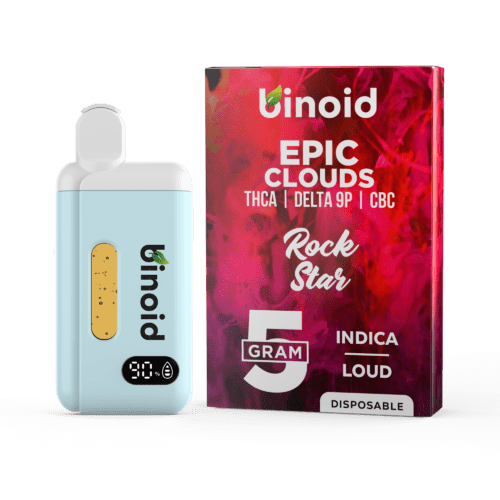
5 Gram THCA + CBC Disposable Vape – Epic Clouds
$53.99$87.99 -
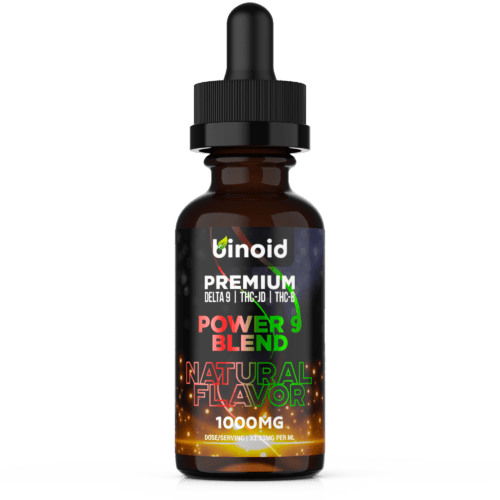
Power 9 Blend Tincture – 1000mg
$34.99$59.99

Reading the Proof: COAs as the Verification Layer
None of this agricultural argument matters if it cannot be verified, which is why the certificate of analysis remains the single most important document connecting sourcing claims to demonstrable reality. A COA from an ISO 17025-accredited, independent laboratory provides a detailed molecular accounting of a specific product batch, covering cannabinoid concentrations, heavy metal screening, pesticide and residual solvent analysis, and microbial safety testing. This document is the mechanism by which a brand’s sourcing claims become falsifiable rather than merely asserted, and it is the tool a consumer needs to move from trusting a brand’s marketing language to verifying its actual practices.
BinoidCBD.com makes batch-specific COA documentation accessible across its entire catalog, reflecting a straightforward proposition: that domestic sourcing claims are only meaningful when paired with the testing infrastructure to substantiate them. A consumer who takes the time to review a COA before purchasing walks away with specific, verifiable knowledge about the product’s composition rather than a vague sense of reassurance, and that verification habit is exactly the kind of informed consumer behavior that a maturing hemp market should be actively encouraging rather than treating as optional diligence reserved for skeptics.
Making the Sourcing-Conscious Choice
The question of where hemp comes from is not a secondary consideration to weigh after flavor profiles and price points have already narrowed the field. It is the foundational variable from which every other quality claim descends, because it determines the molecular integrity of the raw material long before extraction, isomerization, or formulation ever enter the picture. A consumer evaluating a THCA flower, a Delta 8 tincture, or a THC-P vape cartridge is, whether they realize it or not, also evaluating a specific piece of American farmland, a specific set of agricultural practices, and a specific regulatory framework that either supports or undermines everything that follows.
USA-grown hemp, processed through domestic manufacturing infrastructure subject to genuine oversight and verified through accessible, batch-specific COA documentation, represents the defensible quality floor that a serious cannabinoid consumer should insist upon. BinoidCBD.com has built its entire product architecture on precisely this foundation, from the domestic farms supplying its raw material to the accredited laboratories verifying its finished catalog, creating a chain of accountability that a consumer can actually trace rather than simply hope exists. In a market still catching up to the sophistication of its own consumer base, that traceability is not a minor differentiator. It is the entire argument.
TO BUY CANNABINOID PRODUCTS CLICK HERE
Recommended products
-
2 Gram THCA Disposable Hash Rosin – Blazed
$37.99$59.99 -
THCA Hash Rosin Dabs – 1000mg
$33.99$59.99 -
Delta 9 +THCV Gummies- Uplift/Unwind
$29.99$49.99 -
Beast Mode Blend Tincture – 1000mg
$34.99$59.99