There is a particular kind of hemp shopper who has done all the obvious homework. They know their milligrams. They know the difference between Delta 8 and Delta 9. They’ve even learned to squint at a certificate of analysis without feeling like they’re reading hieroglyphics. And then they hit the terpene profile section of a product label — a dense little constellation of names like myrcene, limonene, and beta-caryophyllene, usually accompanied by percentages that seem to mean everything and nothing simultaneously — and the confidence evaporates.
This is one of the last remaining literacy gaps in cannabinoid consumption, and it is, frankly, one of the most consequential. A terpene profile is not decorative chemistry. It is a functional map of what a product will actually feel like, smell like, and taste like, and learning to read one properly changes the entire way a person shops for hemp-derived cannabinoids.
TO BUY THC PRODUCTS CLICK HERE
Recommended products
-
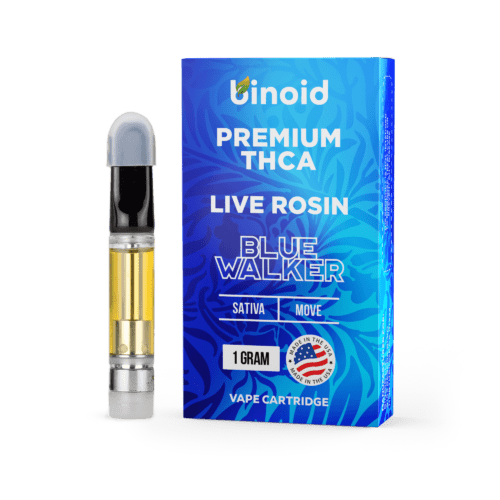
THCA Vape Cartridge Blue Walker – Live Rosin
$30.99$59.99 -
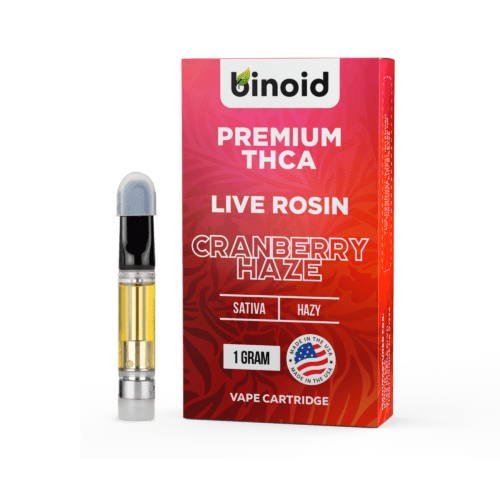
THCA Vape Cartridge Cranberry Haze – Live Rosin
$30.99$59.99 -
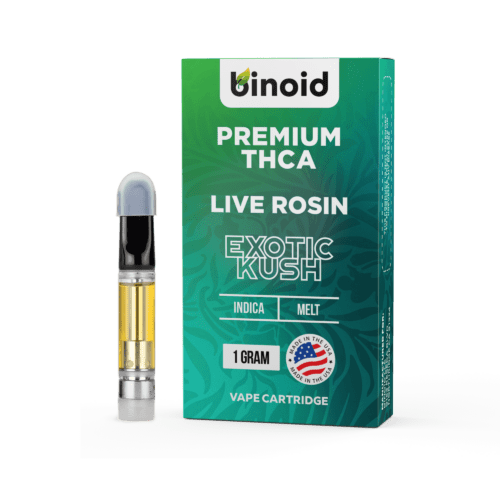
THCA Vape Cartridge Exotic Kush – Live Rosin
$30.99$59.99 -
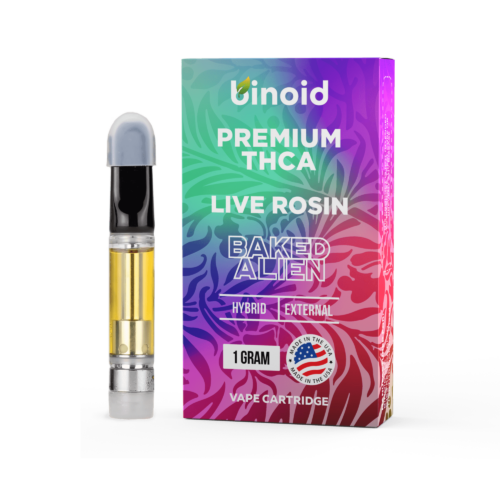
THCA Vape Cartridge Baked Alien – Live Rosin
$30.99$59.99
What a Terpene Actually Is, and Why the Plant Bothers Making Them
Terpenes are aromatic hydrocarbon compounds produced in the same trichomes that manufacture cannabinoids, and they exist in the plant for reasons that have nothing to do with human enjoyment. They evolved as a defense mechanism — repelling herbivorous insects, attracting pollinators, and in some cases protecting the plant from environmental stress like UV exposure or fungal infection. Cannabis produces well over a hundred distinct terpenes, though only a couple dozen tend to show up in concentrations high enough to matter on a consumer label, and each one carries its own aromatic signature and, increasingly, its own body of research into how it might interact with the broader effects of a cannabinoid product.
Myrcene, one of the most abundant terpenes across most cultivars, presents with an earthy, musky, almost clove-like profile and is frequently associated by consumers with a heavier, more sedating character. Limonene, by contrast, smells unmistakably of citrus peel and is commonly linked to a brighter, more mood-elevating quality. Beta-caryophyllene stands apart from the rest of the terpene family in a genuinely interesting way: it is the only terpene known to bind directly with the CB2 receptor of the endocannabinoid system, functioning almost like a cannabinoid in its own right despite its aromatic classification, and it carries a peppery, slightly woody note that shows up prominently in profiles associated with a calmer, more grounded experience.
The reason terpenes matter so much to the actual felt experience of a hemp product comes down to a concept the industry calls the entourage effect the theory, increasingly supported by emerging research, that cannabinoids and terpenes work synergistically rather than in isolation, modulating each other’s effects in ways that a single isolated compound cannot replicate on its own. This is why two products with identical THC or Delta 8 concentrations can produce noticeably different subjective experiences. The cannabinoid sets the general category of effect; the terpene profile shapes its texture, its tone, its emotional register. A product high in myrcene and low in limonene will simply feel different in the body than one with the inverse ratio, even if the milligram count on the label is identical down to the decimal.
Anatomy of a Label: What You’re Actually Looking At
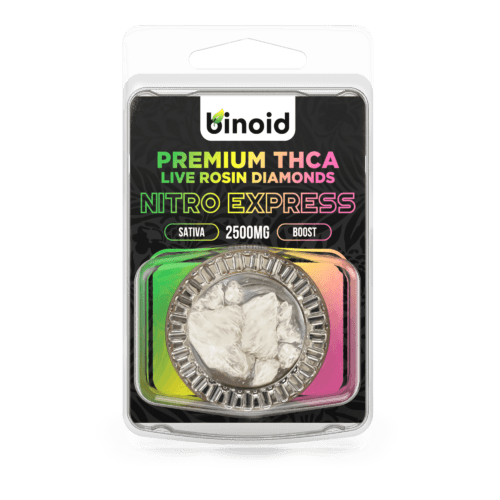
A properly disclosed terpene profile on a hemp product label — or, more reliably, on the accompanying certificate of analysis — typically presents as a list of individual terpene names paired with a percentage or milligram-per-gram figure representing their concentration within the tested batch. The first thing worth understanding is that these numbers are batch-specific, not universal claims about the product line as a whole.
Terpene content is notoriously variable from harvest to harvest and even from batch to batch within the same cultivar, because terpene expression is exquisitely sensitive to growing conditions, curing methodology, and the time elapsed between harvest and testing. This is precisely why a trustworthy brand publishes batch-specific COAs searchable by lot number rather than a single generic terpene chart applied indiscriminately across an entire product catalog — a distinction that matters enormously once a consumer starts comparing brands seriously.
The second thing to understand is that total terpene percentage, while a useful headline figure, tells you considerably less than the ratio of individual terpenes to one another. A flower or vape testing at two percent total terpenes with a myrcene-dominant profile will read as heavier and more relaxing than a product testing at the same two percent with limonene as the dominant compound. Sophisticated consumers learn to scan past the aggregate number and go straight to the top three or four terpenes listed, because that ordering is where the actual experiential information lives.
It is also worth noting that live resin extraction — a process that preserves the plant’s volatile terpene content by working from fresh-frozen rather than dried and cured biomass — will almost always show a richer and more complex terpene profile than distillate-based products, which lose much of their native terpene expression during the extraction and refinement process and often require terpenes to be reintroduced afterward.
Reading Between the Lines: What a Weak Profile Reveals
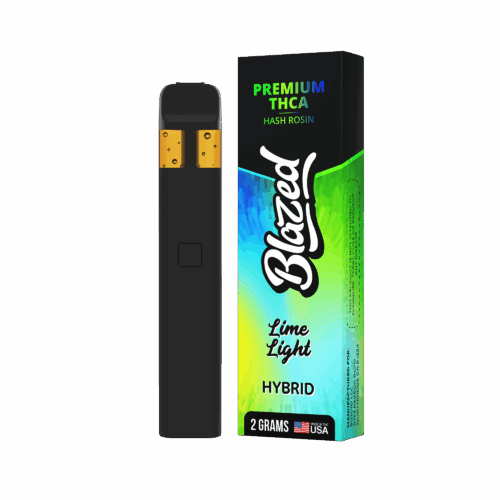
A terpene profile can also function as an unintentional confession about a product’s overall quality, and learning to read it this way is one of the more valuable skills a hemp consumer can develop. A vape cartridge or flower product that lists a total terpene content below roughly half a percent, or one that discloses only two or three terpenes when the cultivar in question is known to typically express a dozen or more, is very likely describing biomass that was harvested past optimal maturity, cured improperly, or stored under conditions — heat, light, prolonged air exposure — that allowed volatile compounds to degrade before testing ever occurred.
This is not a minor cosmetic issue. Degraded terpene content correlates directly with a harsher smoking or vaping experience, a flatter and less dimensional flavor profile, and, by extension of the entourage effect, a less complete and less satisfying overall experience regardless of how strong the cannabinoid concentration reads on paper.
This is where sourcing discipline becomes visible in a way that marketing language cannot fake. Binoid CBD publishes batch-specific terpene data alongside cannabinoid potency across its live resin vape and THCA flower lines specifically because that transparency lets an informed consumer verify, rather than simply trust, that a product’s terpene expression matches its category and cultivar expectations. A brand with nothing to hide in this department tends to show it, and a brand that omits terpene data entirely — or buries it behind vague marketing language like “full-spectrum aromatic profile” without a single specific compound named — is, more often than not, making that omission for a reason.
Building Terpene Literacy Into Your Buying Habits
Developing real fluency with terpene profiles is less about memorizing a periodic table of aromatic compounds and more about building a personal reference library through direct experience. The most effective approach is to track, over a handful of purchases, which dominant terpenes correspond to the experiences a person actually enjoys — noting whether the myrcene-heavy, earthy-profile products consistently deliver the wind-down evening effect being sought, or whether the limonene-forward, citrus-bright options are the ones that actually match a desired daytime mood. Over time, this turns terpene profile literacy from an abstract chemistry lesson into a genuinely practical shopping tool, one that allows a consumer to predict, with real confidence, how an unfamiliar product will likely feel before ever opening the package.
Alpha-pinene, worth a specific mention because it appears with some frequency and carries a distinctly different signature from the more commonly discussed terpenes, presents with a sharp, forest-like, almost coniferous aroma and is frequently associated by consumers with a clearer-headed, more alert quality relative to some of the heavier profiles in the terpene family. Linalool, by contrast, carries a floral, lavender-adjacent note and shows up often in profiles associated with a gentler, more soothing character. Learning to recognize these signatures by name, rather than simply by the vague marketing descriptors slapped onto product packaging, is what separates a casual buyer from someone who is actually making informed, intentional purchasing decisions batch after batch.
The Decision Framework: Shopping With Terpene Fluency
The consumer who has internalized how to read a terpene profile arrives at every future purchase with a genuinely different toolkit than the one they started with. Milligram count and cannabinoid type answer the question of intensity and general category of effect. Terpene profile answers the far more nuanced question of character — whether a product will feel bright or heavy, energizing or grounding, complex or flat. Getting real answers to that second question requires a brand willing to publish specific, batch-verified terpene data rather than hiding behind generic aromatic language, and it requires a consumer willing to actually read past the cannabinoid headline number to the terpene table sitting just beneath it.
This is, in the end, a literacy that rewards itself immediately and compounds over time. The next THCA flower purchase, the next live resin cartridge, the next tincture chosen for an evening wind-down rather than a daytime lift — each of these decisions becomes measurably better once terpene profile has entered the evaluation alongside potency and price. Binoid CBD‘s approach to publishing detailed, batch-specific terpene documentation across its THCA and live resin product lines exists precisely to serve this kind of consumer: the one who has stopped shopping by milligram count alone and started shopping by the full molecular picture a proper label — and a proper COA — actually provides.
TO BUY THC PRODUCTS CLICK HERE
Recommended products
-
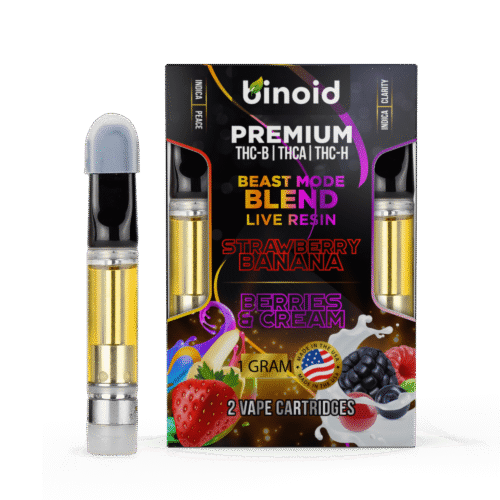
Beast Mode Blend Live Resin Cartridge – 2 Pack Combo (Limited Time Sale)
$40.99$89.99 -
Live Resin Rechargeable Disposable – 2 Gram
$34.99$59.99 -
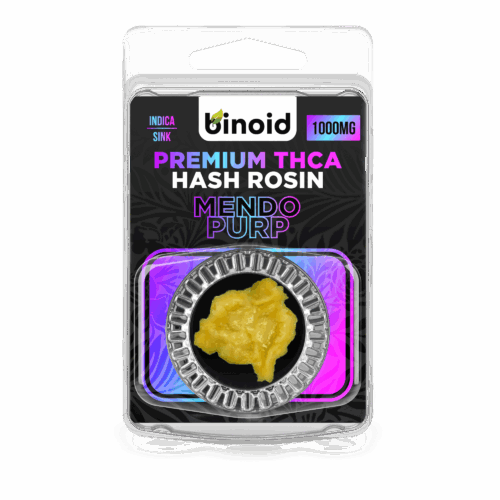
THCA Hash Rosin Dabs – 1000mg
$33.99$59.99 -
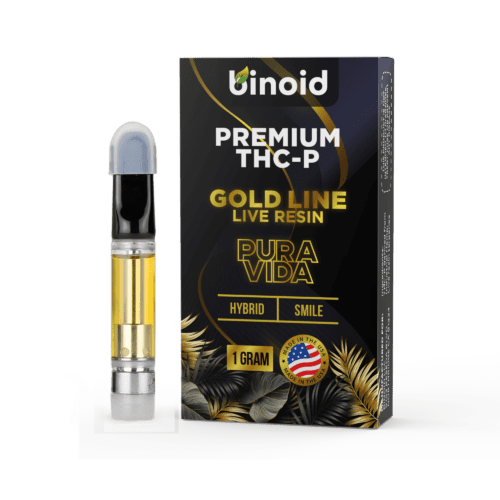
THC-P Live Resin Vape Cartridge – Pura Vida
$31.99$69.99