The Threshold Most Consumers Never Cross
There is a version of the cannabis consumer who has grown entirely comfortable with flower, has perhaps dabbled in gummies or a vape cartridge or two, and yet still regards the world of THCA concentrates — the wax, the THCA badder, the THCA crumble, the dab rig sitting in the corner of a friend’s apartment like some kind of alchemical instrument — with a mixture of curiosity and mild intimidation. This hesitation is understandable.
Concentrates look different, behave differently, and demand a slightly different vocabulary than the rest of the hemp-derived product world. But the gap between “flower person” and “dab person” is far narrower than it appears from the outside, and for the consumer willing to cross it, the reward is a category of experience that flower simply cannot replicate. Understanding what THCA wax actually is, how it is made, and how to use it safely and confidently is the entire purpose of this guide.
To Buy THCA Products Click Here
What THCA Wax Actually Is, Chemically Speaking
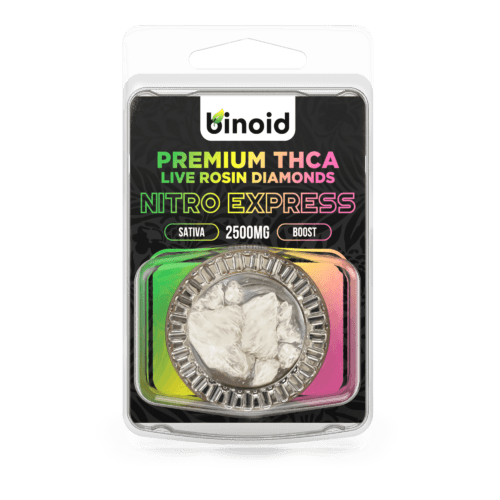
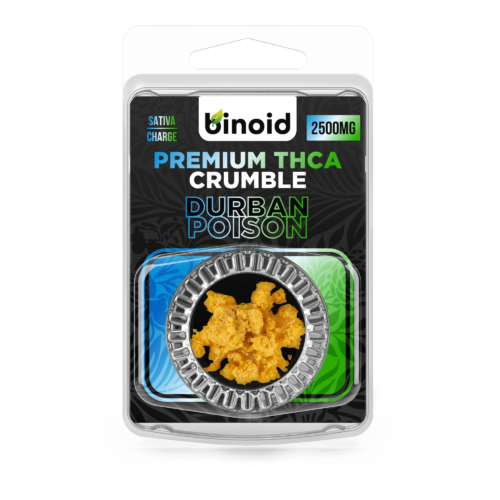
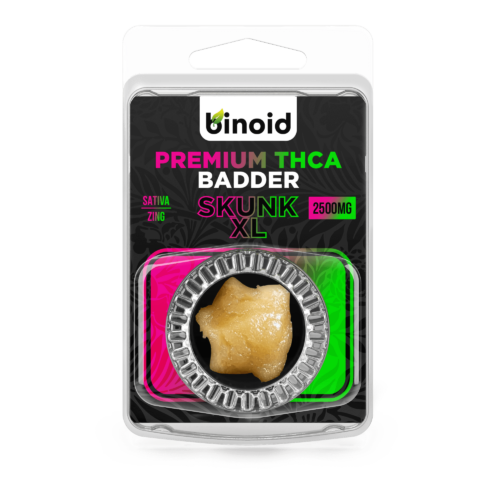
THCA wax belongs to a broader family of cannabis concentrates, all of which share a common starting point: cannabis biomass that has been processed to isolate and concentrate its cannabinoid and terpene content, stripping away the plant material that dilutes potency in raw flower. The process typically begins with either a hydrocarbon solvent — butane or propane, in what’s known as BHO extraction — or a solventless mechanical method involving heat and pressure. What determines whether the final product becomes wax, badder, crumble, or diamonds is largely a matter of purging temperature, agitation, and the specific ratio of THCA to residual terpenes and lipids left in the extract.
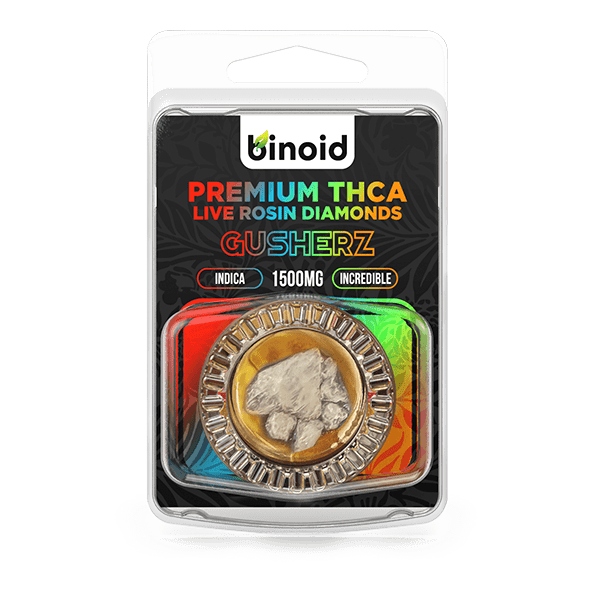
Wax, specifically, has a soft, opaque, almost frosting-like consistency, sitting somewhere between the brittle shatter of older concentrate styles and the fully crystalline structure of THCA diamonds. It is, in a sense, the most approachable texture in the concentrate world — pliable enough to work with a standard dab tool, potent enough to deliver a serious experience, and consistent enough that a first-timer isn’t left guessing at how much they’re actually handling.
The reason concentrates test so much higher than flower comes down to simple math: flower typically contains cannabinoid concentrations somewhere between fifteen and thirty percent, while a well-made THCA wax can easily test above seventy or eighty percent THCA. Because THCA itself is non-intoxicating in its raw acidic form, that entire figure only becomes psychoactively relevant once decarboxylation occurs — the same thermal process that converts THCA into delta 9 THC in flower, just happening far more rapidly and intensely in a concentrate that’s been heated on a nail or banger.
This is worth sitting with for a moment, because it’s the single most important fact a beginner needs to internalize: a gram of THCA wax is not a stronger gram of flower. It’s a fundamentally different potency category, and it should be approached with the same caution you’d apply to any unfamiliar, high-strength substance.
Dabs vs. Flower: Why the Delivery Method Changes Everything
The experiential difference between smoking flower and dabbing concentrate isn’t just a matter of intensity — it’s a matter of onset speed, flavor clarity, and the physical mechanics of consumption. A dab rig, at its simplest, consists of a water pipe fitted with a “nail” or “banger” — typically quartz or titanium — that is heated externally, usually with a butane torch, to a temperature well above what a lighter produces for flower. A small amount of concentrate is placed on the heated surface, instantly vaporizes, and is inhaled through the rig’s water chamber, which cools and filters the vapor before it reaches the lungs. This near-instantaneous vaporization means dabbing delivers cannabinoids to the bloodstream with remarkable efficiency and speed, producing an onset that many experienced users describe as noticeably faster and more concentrated than a comparable amount of smoked flower.
For newcomers, the flavor difference is often the first thing that registers. Because concentrates preserve terpenes in a much more concentrated form, and because the low-temperature dabbing technique known as “low-temp dabbing” avoids the combustion byproducts that muddy flower’s flavor profile, a well-made THCA wax can deliver a startlingly clean, terpene-forward taste. This is part of why the concentrate category has become the domain of the connoisseur — it rewards attention to sourcing and craftsmanship in a way that’s immediately perceptible on the palate, rather than something you have to take on faith. The THCA wax and concentrate selections available through BinoidCBD.com are built specifically around this idea, with an emphasis on preserving the terpene integrity of the source material rather than producing a maximally potent but flavorless product.
Reading the Room: Temperature, Tools, and Technique
The single most common mistake first-timers make with dabs is running their nail too hot. A banger heated to a glowing red — the kind of temperature that feels intuitively “thorough” to someone used to torching things actually combusts the concentrate rather than vaporizing it cleanly, producing a harsh, acrid hit that tastes nothing like the terpene profile the product was designed to deliver and can genuinely turn a first-timer off the entire category. The better approach, and the one increasingly favored by experienced dabbers, is to heat the nail and then let it cool for a controlled interval — typically thirty to forty-five seconds for quartz before applying the concentrate. This produces what’s called a low-temperature dab: cooler, smoother, more flavorful, and considerably gentler on the throat and lungs. Electronic nails, or “e-nails,” solve this problem entirely by allowing precise, repeatable temperature control, and they’re a worthwhile investment for anyone who finds themselves reaching for concentrates regularly rather than occasionally.
Handling the wax itself requires its own small learning curve. THCA wax is stickier and more temperature-sensitive than flower, softening noticeably at room temperature and becoming genuinely difficult to portion if it warms up too much. A dab tool a small metal or ceramic pick, sometimes called a “dabber” is the standard instrument for portioning, and most experienced users keep their concentrate refrigerated or at least stored somewhere cool until the moment of use specifically to keep it firm enough to work with cleanly. Portioning matters enormously for a beginner, because unlike a bowl of flower, where an extra pinch barely changes the experience, the difference between a rice-grain-sized dab and a double portion of THCA wax is the difference between a pleasant, manageable session and an overwhelming one.
Dosing Wisdom for the Concentrate-Curious
If there is one piece of advice that separates a good first dab experience from a regrettable one, it’s this: start absurdly small. Experienced concentrate users often talk about dabbing in terms that would sound almost comically modest to a beginner — a dab “the size of a grain of rice” or even smaller for a first attempt — and this isn’t false modesty. Given that a gram of high-quality THCA wax might contain the equivalent concentrated potency of several grams of premium flower, a first-timer who ports over their flower-based intuitions about “how much is normal” is setting themselves up for an experience that outpaces their tolerance considerably. The wise approach is to take a small dab, wait a full fifteen to twenty minutes to gauge the onset and intensity — since inhaled cannabinoids act quickly but the full arc of the experience still takes time to develop — and only then decide whether a second, similarly modest dab is warranted.
This patience-first approach also applies to product selection. Not all THCA wax is created equal, and the variance in quality across the unregulated corners of the concentrate market can be considerable. A concentrate produced from poorly cured or contaminated starting material can carry through residual solvents, pesticide traces, or degraded terpene profiles that not only diminish the experience but raise genuine safety questions. This is precisely the reason that certificate of analysis documentation matters so much more in the concentrate category than almost anywhere else in the hemp-derived product world — a dab is, by its nature, a more concentrated exposure to whatever is or isn’t present in the extract, residual solvents included.
Binoid CBD’s approach to its concentrate lineup reflects this reality directly, with batch-specific COA documentation from ISO 17025-accredited laboratories covering residual solvent screening, heavy metals, and full cannabinoid potency for every product in the category, available directly through Binoidcbd.com.
Storage, Shelf Life, and the Small Rituals That Preserve Quality
Once you’ve acquired a THCA wax product you’re excited about, the question of preserving its quality becomes surprisingly important. Concentrates are more environmentally sensitive than flower in several specific ways: heat causes them to soften and eventually degrade terpene content, light accelerates cannabinoid breakdown in the same way it does with any cannabis product, and repeated exposure to air gradually oxidizes the compound and dulls both flavor and potency. The best practice is storing concentrate in an airtight, opaque container — typically the small silicone or glass jar it likely arrived in — someplace cool, dark, and stable, away from the temperature swings of a car or a sunny windowsill. Refrigeration is a reasonable option for longer-term storage, though it’s worth letting the concentrate return to room temperature before attempting to portion it, since cold wax becomes considerably harder to work with a dab tool.
Making the Decision: Is Dabbing Right for You?
The question a first-timer ultimately has to answer isn’t “is dabbing better than flower” it’s a categorically different experience, not a strictly superior one, and plenty of experienced consumers happily maintain both in rotation depending on mood and occasion. The real question is whether the specific things concentrates offer faster onset, cleaner and more concentrated flavor, and a potency ceiling that flower simply can’t reach align with what you’re actually looking for.
If you’re someone who values precision, who wants the ability to calibrate exactly how much cannabinoid content you’re consuming in a given session, and who’s willing to invest in the modest hardware and the patience required to do it properly, THCA wax and dabs represent one of the most rewarding categories in the current hemp market. Sourcing thoughtfully, starting small, keeping your equipment at a sane temperature, and treating the certificate of analysis as essential reading rather than fine print will make the difference between a first dab you remember fondly and one you’d rather forget and premium, lab-verified options from a source like BinoidCBD make it considerably easier to land on the right side of that outcome.
To Buy THCA Products Click Here