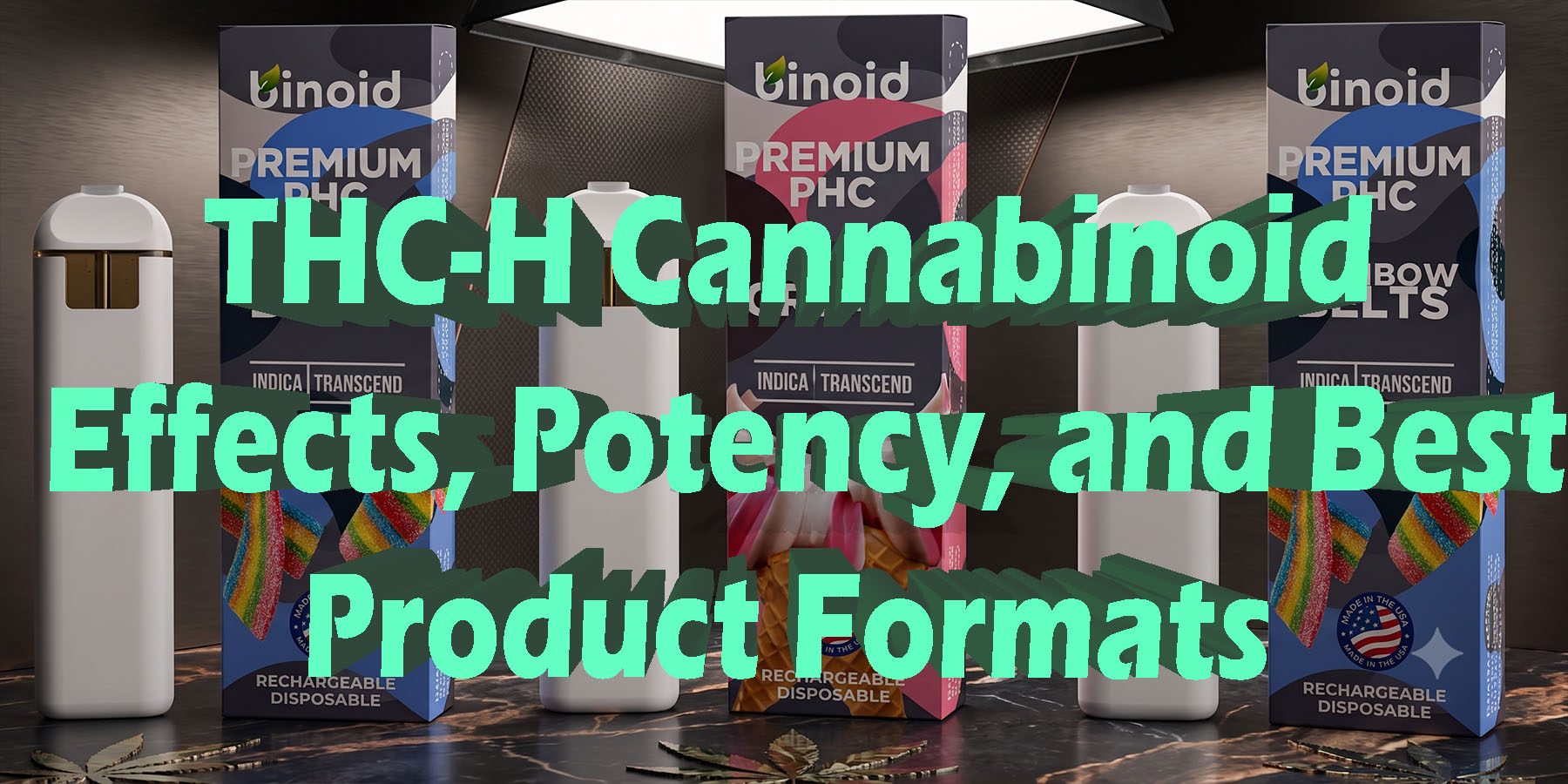
There is a particular thrill that runs through the hemp-derived cannabinoid market whenever a new molecule graduates from academic curiosity to commercially available product, and few recent arrivals have generated the kind of quiet, connoisseur-grade excitement currently surrounding THC-H. Short for tetrahydrocannabihexol, THC-H occupies a strange and compelling position in the current cannabinoid landscape: potent enough to command serious respect, novel enough to still feel like an insider’s discovery, and scientifically distinctive enough that understanding it requires setting aside almost everything the average consumer thinks they know about how cannabinoid potency actually works.
This is not a molecule for the casual browser scrolling through gummy flavors. It is a molecule for the consumer who has already developed a working vocabulary around delta 9 THC, THCA, and the broader isomerization chemistry that has made the modern hemp market possible, and who is now ready to go one level deeper.
TO BUY THC-H PRODUCTS CLICK HERE
Recommended products
-
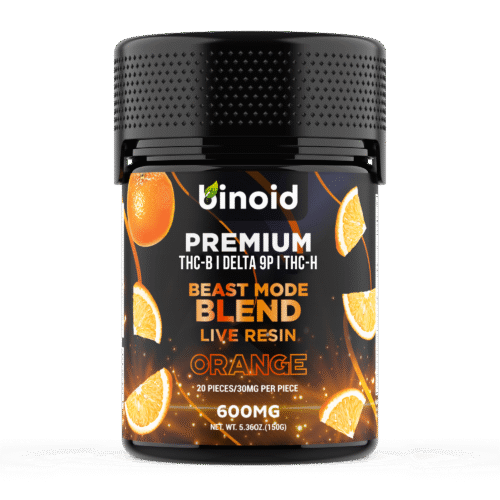
Beast Mode Blend Gummies
$32.99$59.99 -
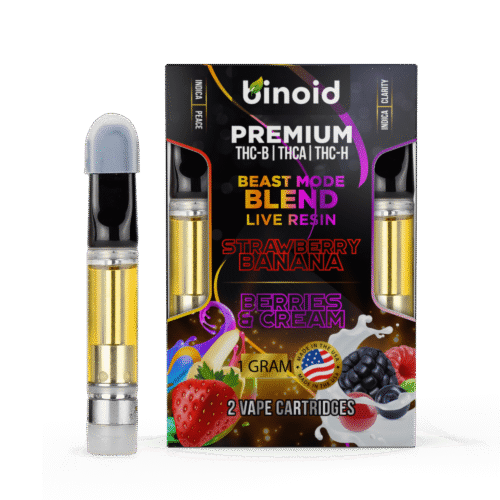
Beast Mode Blend Live Resin Cartridge – 2 Pack Combo (Limited Time Sale)
$40.99$89.99 -
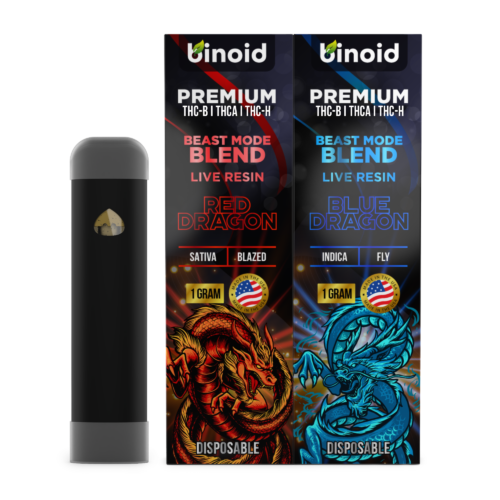
Beast Mode Blend Live Resin Disposable – 2 Pack Combo (Limited Time Sale)
$43.99$89.99 -
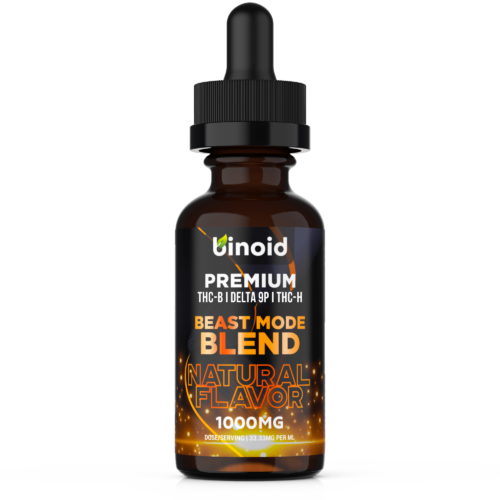
Beast Mode Blend Tincture – 1000mg
$34.99$59.99
The Molecular Extension: What Makes THC-H Different
To understand THC-H, you first have to understand what a homolog is, because that concept is the entire key to this compound’s identity. In organic chemistry, a homolog is a molecule that shares the same core structural family as a parent compound but differs by the length of a specific structural feature — in this case, the alkyl side chain attached to the molecule’s aromatic ring. Delta 9 THC carries a five-carbon pentyl side chain. THC-H extends that chain to seven carbons, a modification that seems almost trivial on paper but produces meaningful downstream consequences in how the molecule interacts with the human endocannabinoid system.
The CB1 receptor, the primary docking site in the central nervous system responsible for cannabinoid psychoactivity, appears to bind THC-H with notably high affinity, a structural relationship that early research and consistent anecdotal reporting both point toward as the mechanism behind the compound’s reputation for elevated potency relative to standard delta 9 THC.
This side-chain extension places THC-H within a broader family of cannabinoid homologs that has become one of the most scientifically interesting frontiers in hemp chemistry, sitting alongside compounds like THCP, which shares the same seven-carbon architecture but differs in ring structure. The relationship between chain length and receptor binding affinity is not yet fully mapped by peer-reviewed research — this remains an actively developing area of cannabinoid science — but the consistency of consumer-reported experience across THC-H products has been striking enough that formulators and product developers have taken the pattern seriously. What can be said with confidence is that THC-H represents a genuinely different molecular entity from delta 9 THC, not simply a rebranded or diluted version of a compound consumers already know, and that distinction matters enormously when it comes to dosing philosophy and product selection.
The Production Question: How THC-H Reaches the Legal Market
THC-H does not occur in cannabis or hemp in meaningful natural quantities, which means that every commercially available THC-H product on the market today is the result of a laboratory conversion process rather than direct plant extraction. This process typically begins with hemp-derived CBD isolate, which is chemically stable, federally compliant, and available at the kind of scale and purity that industrial-grade conversion chemistry requires. Through a carefully controlled isomerization process — the same broad category of chemistry that has enabled the production of Delta 8, Delta 10, and THC-P — that CBD starting material is restructured at the molecular level to produce THC-H, along with a range of process byproducts that responsible manufacturers must identify and remove before the finished distillate is fit for consumer products.
This is precisely where sourcing integrity separates the legitimate operators from the opportunists flooding the market with inconsistent, poorly refined material. Isomerization chemistry is demanding, and it does not forgive shortcuts. Impure starting material, imprecise temperature control, insufficient reaction time, or inadequate post-conversion purification can all leave behind residual catalysts, unreacted precursor compounds, and unintended isomers that have no business being in a product intended for human consumption.
Binoid CBD has built its THC-H program around laboratories and manufacturing partners who treat this chemistry with the rigor it demands, backing every batch with third-party certificate of analysis documentation from ISO 17025 accredited facilities that verifies not just THC-H concentration but the full panel of residual solvents, heavy metals, and process contaminants a discerning consumer has every right to ask about before making a purchase.
Recommended products
-
Super 7 Gummies – Summer Slush Series
$37.99$49.99 -
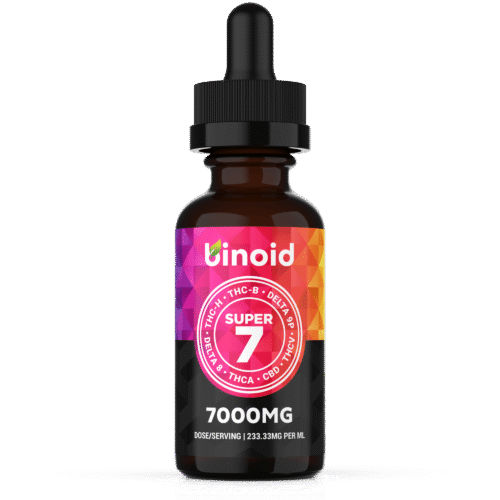
Super 7 Tincture – 7000mg
$39.99$59.99 -
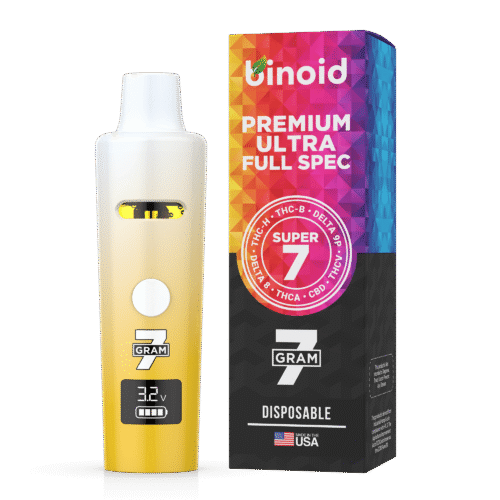
Super 7 UFS Disposable Vape – 7 Gram
$63.99$89.99

The Legal Framework: THC-H and the 2018 Farm Bill
The federal legality of THC-H rests on the same statutory foundation that supports the broader hemp-derived cannabinoid industry: the 2018 Farm Bill, which defined hemp as cannabis containing no more than 0.3% delta 9 THC by dry weight and, in doing so, left the door open for an entire ecosystem of hemp-derived cannabinoids that fall outside that specific delta 9 threshold. Because THC-H is derived from compliant hemp biomass and does not itself register as delta 9 THC under the statute’s language, products formulated within these parameters have found a legally navigable path to market, provided they are manufactured and tested with the compliance rigor the framework implicitly demands.
This regulatory picture is not static, and intellectual honesty requires acknowledging that state-level treatment of novel cannabinoids varies considerably and continues to evolve. Some states have moved to restrict or explicitly regulate specific hemp-derived isomers regardless of their federal compliance status, and a responsible consumer — or a responsible retailer — treats this as an ongoing area to monitor rather than a settled question. Binoid CBD‘s approach has been to maintain dynamic compliance awareness across its shipping footprint, adjusting availability by jurisdiction as state laws shift, which is the kind of unglamorous operational discipline that separates brands built for the long term from those chasing short-term sales in legally ambiguous territory.
What THC-H Actually Feels Like: Consumer-Reported Experience
Because THC-H is a relatively young addition to the commercial cannabinoid landscape, the experiential data available comes primarily from consistent, aggregated consumer reporting rather than a deep body of controlled clinical research — an important distinction to hold onto as you evaluate any claims about this compound, including the ones in this article. That said, the pattern in consumer-reported experience is remarkably consistent: users routinely describe THC-H as delivering a more intense, more immediately noticeable effect than standard delta 9 THC at comparable milligram doses, with an onset that many describe as swift and a peak that arrives with more perceptible force than they anticipated on a first try.
This reported potency is precisely why dosing philosophy matters so much more with THC-H than with more familiar cannabinoids. Experienced consumers who are accustomed to their personal delta 9 tolerance frequently report that their usual dosing instincts do not translate cleanly to THC-H, and the sensible approach — the one that any credible retailer should be actively encouraging rather than downplaying for the sake of a sale — is to start with a fraction of your typical dose and allow adequate time to assess onset before considering more. The character of the experience itself is frequently described in terms of a heavier body presence layered beneath the cerebral effects familiar from delta 9 THC, though individual biochemistry, tolerance, consumption method, and the surrounding terpene profile all shape the specifics considerably, consistent with the broader entourage effect framework that governs how cannabinoids express themselves in combination rather than isolation.
THC-H Across Formats: Flower, Vapes, and Concentrates
The format in which THC-H reaches the consumer meaningfully shapes the resulting experience, and the maturing market has responded with a genuinely useful range of options. THC-H infused flower — hemp flower sprayed or coated with THC-H distillate, typically alongside other complementary cannabinoids — offers a combustion-based experience that pairs the compound’s elevated potency with the ritual and terpene expression that flower enthusiasts specifically seek out. This format rewards careful sourcing scrutiny, because the quality of the underlying flower substrate and the evenness of the distillate application both materially affect the smoking experience, from burn consistency to flavor integrity.
THC-H vape cartridges and disposables have emerged as the format most consumers gravitate toward first, largely because vaping offers the kind of controlled, incremental dosing that a genuinely potent cannabinoid like THC-H practically demands. Binoid CBD’s THC-H vape formulations are built around distillate blends that pair the compound with complementary terpene profiles designed to round out the experience rather than deliver an undifferentiated intensity spike, reflecting a formulation philosophy that treats potency and experiential quality as goals to be balanced rather than a single metric to be maximized. Concentrate formats — THC-H diamonds and sauce for those with dab rigs or compatible vaporizers — represent the category’s most potency-forward expression, appropriate exclusively for consumers with an established tolerance and a clear-eyed understanding of what they’re engaging with.
Recommended products
-
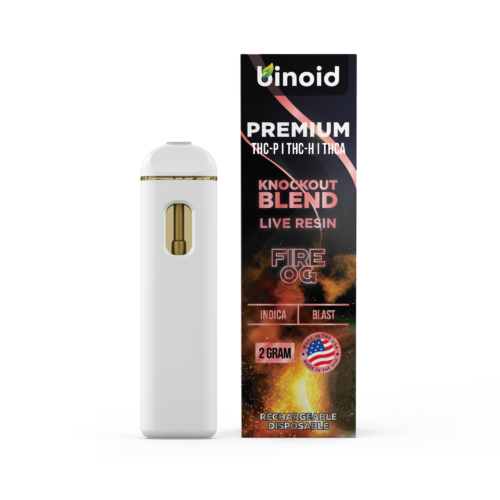
Fire OG Knockout Blend Live Resin Disposable – 2 Gram
$33.99$59.99 -
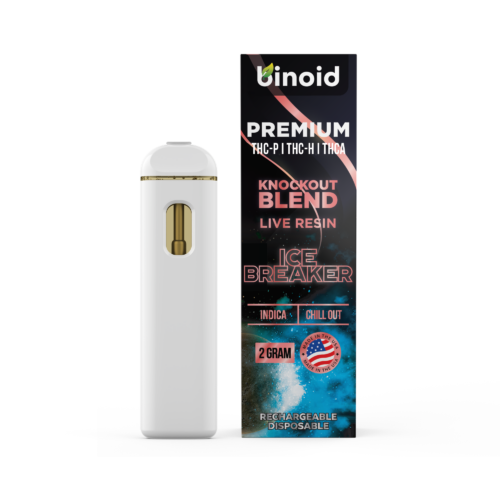
Ice Breaker Knockout Blend Live Resin Disposable – 2 Gram
$33.99$59.99 -
Knockout Blend Gummies
$34.99$59.99 -
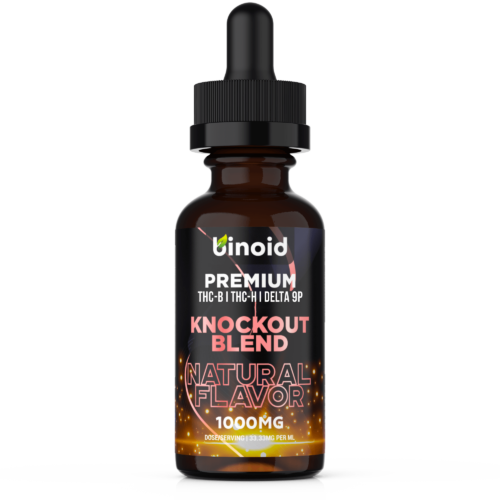
Knockout Blend Tincture – 1000mg
$34.99$59.99

Reading the Label: What a Trustworthy THC-H Product Discloses
Given both the compound’s elevated potency profile and the technical demands of the conversion chemistry that produces it, the certificate of analysis takes on outsized importance when shopping for THC-H products. A trustworthy COA should disclose the precise THC-H concentration per unit, confirm the absence of residual isomerization catalysts and solvents, and verify that the product has been screened for the broader panel of safety analytes that any hemp-derived cannabinoid product should carry regardless of novelty. Binoid CBD publishes this documentation openly and makes it searchable by batch on Binoidcbd.com, treating lab transparency as a baseline expectation across its THC-H catalog rather than a premium feature reserved for flagship products.
Consumers evaluating THC-H products elsewhere in the market should treat the absence of current, batch-specific, accredited-lab documentation as a serious red flag rather than a minor omission. The isomerization chemistry underlying THC-H production is sophisticated enough, and the consequences of impure conversion serious enough, that a brand unwilling to make this information readily accessible has essentially disqualified itself from serious consideration, regardless of how compelling the packaging or the marketing copy might be.
The Verdict: Who THC-H Is For
THC-H is not, and should not be marketed as, an entry point for someone new to hemp-derived cannabinoids. It is a compound for the consumer who has already built genuine familiarity with delta 9 THC’s effects, understands their own tolerance with some precision, and is specifically seeking a more intense experiential ceiling than standard THC formats typically deliver. For that consumer, approached with the appropriate dosing caution and sourced from a manufacturer with the process control and lab transparency to back up its potency claims, THC-H represents one of the more genuinely interesting frontiers in contemporary cannabinoid chemistry — a molecule whose seven-carbon side chain rewrites the potency conversation in a way that few other hemp-derived compounds have managed.
The decision that matters most is not whether to try THC-H, but where to source it from, and the consumer who prioritizes documented lab verification, disclosed manufacturing process, and a brand with an established reputation for compliance rigor is the consumer who will have the experience the chemistry actually promises — which is precisely the standard Binoid CBD has built its THC-H catalog to meet.
TO BUY THC-H PRODUCTS CLICK HERE
Recommended products
-
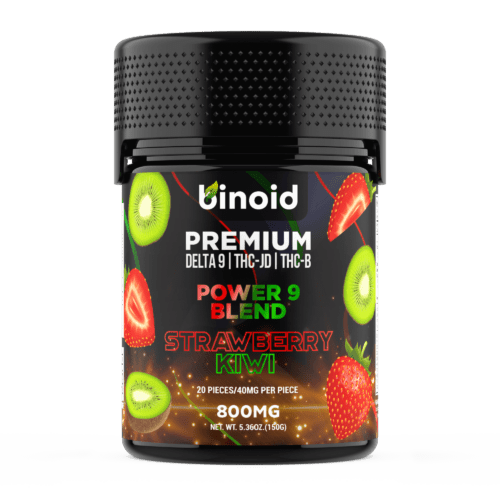
Power 9 Blend Gummies
$36.99$59.99 -
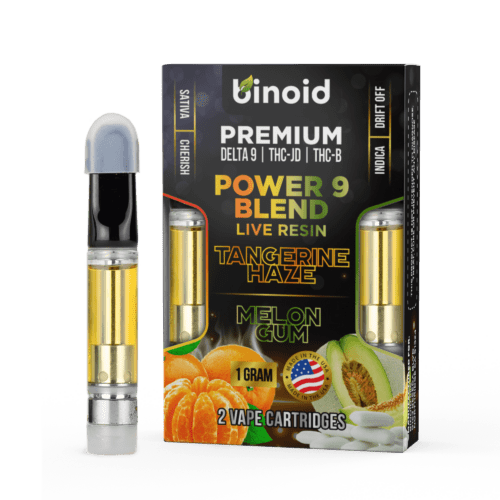
Power 9 Blend Live Resin Cartridge – 2 Pack Combo (Limited Time Sale)
$40.99$89.99 -
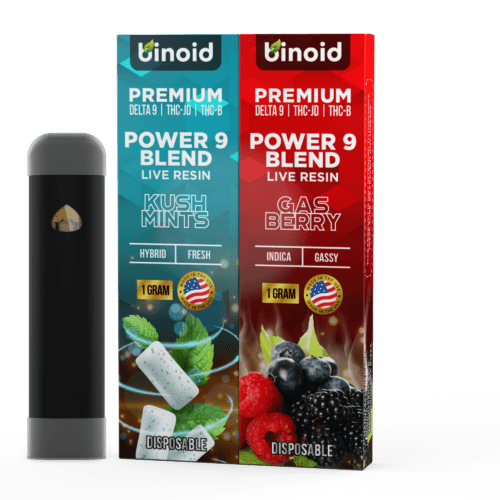
Power 9 Blend Live Resin Disposable – 2 Pack Combo (Limited Time Sale)
$44.99$89.99 -
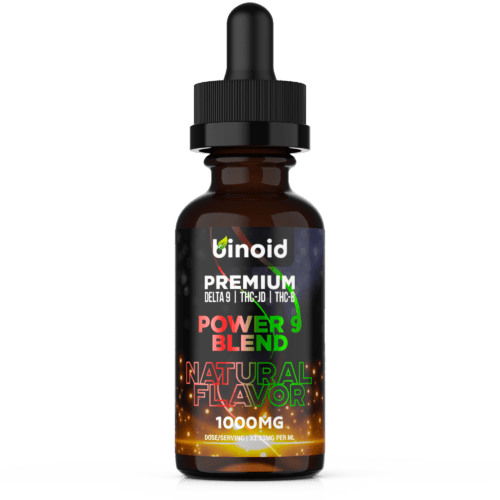
Power 9 Blend Tincture – 1000mg
$34.99$59.99