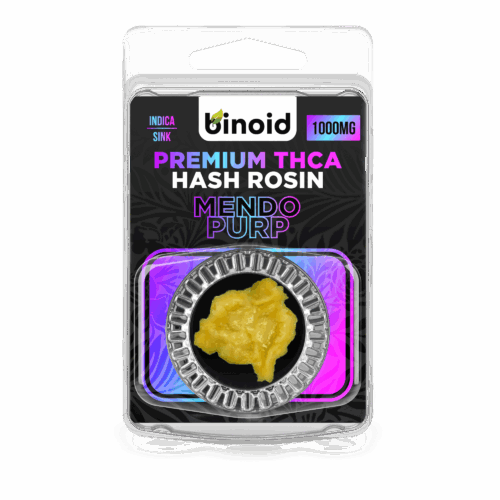
There is a specific moment in every serious cannabis consumer’s evolution when flower stops being enough. Not because flower is inferior — the best cultivars still offer a complexity that no concentrate can fully replicate — but because the palate matures, the tolerance builds, and the curiosity that drew you to cannabis in the first place starts asking harder questions. What does the plant look like with the fiber stripped away, leaving only the resinous, cannabinoid-dense material that made the flower worth harvesting in the first place? What does potency feel like when it is measured not in percentages that top out in the twenties, but in numbers that routinely clear ninety? This is the terrain of THC concentrates, and it is not a place for beginners. It is a place for consumers who have already done the foundational work — who understand their tolerance, respect the compounding effects of high-potency material, and are ready to engage with cannabis at its most architecturally pure.
The concentrate category in 2026 is more sophisticated, more diverse, and more technically impressive than at any point in its history. What was once a fringe pursuit for extraction hobbyists and dispensary connoisseurs has become a fully legitimate, hemp-compliant product category, thanks in large part to the same 2018 Farm Bill framework that gave rise to THCA flower and the broader hemp-derived cannabinoid market. For the experienced consumer trying to navigate this landscape intelligently, the question is rarely whether concentrates are worth exploring. It is which format, which extraction method, and which brand actually deserve the investment of an experienced palate and a discerning eye.
To Buy THC Concentrates Click Here
The Anatomy of a Concentrate: What “Concentrated” Actually Means
To understand why concentrates command the respect — and caution — that they do, it helps to understand what separates them from flower at a structural level. Cannabis flower, even exceptional flower, is a complex botanical matrix. The cannabinoids and terpenes that produce psychoactive and aromatic effects exist alongside plant fiber, chlorophyll, waxes, and a range of other compounds that dilute the overall potency and, in some cases, contribute to a harsher consumption experience. Extraction is the process of isolating the desirable compounds — the cannabinoids and terpenes — from that surrounding plant matter, and the sophistication of that extraction process is the single biggest determinant of a concentrate’s final quality.
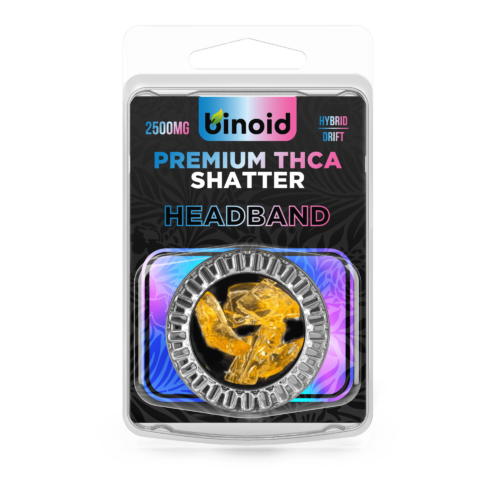
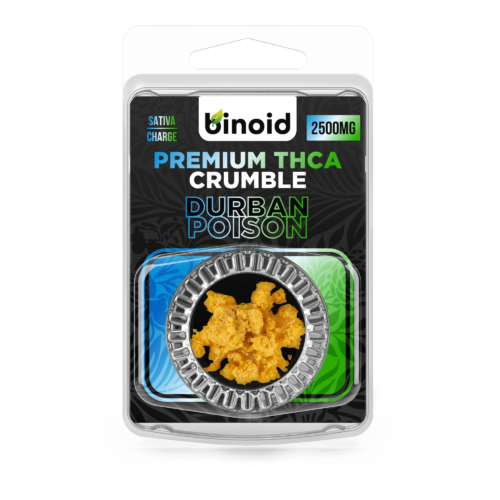
Supercritical CO2 extraction remains the gold standard for a reason. By pressurizing carbon dioxide into a state that exhibits properties of both a liquid and a gas, extractors can pull cannabinoids and terpenes from plant material with remarkable precision, avoiding the residual solvent concerns that plague lower-quality extraction methods while preserving the delicate volatile compounds that give a concentrate its aromatic identity. Hydrocarbon extraction, using butane or propane under controlled conditions, offers a different but equally valid path, particularly for solventless-adjacent products like live resin, where the goal is capturing the plant’s terpene profile at the moment of peak freshness rather than after the material has been dried and cured. Binoid CBD’s concentrate formulations lean heavily on these advanced extraction methodologies, and the difference shows up immediately in the finished product — in the clarity of a diamond, the pull of a badder, the aromatic punch of a live resin cart.
THCA Diamonds: The Purest Expression on the Legal Market
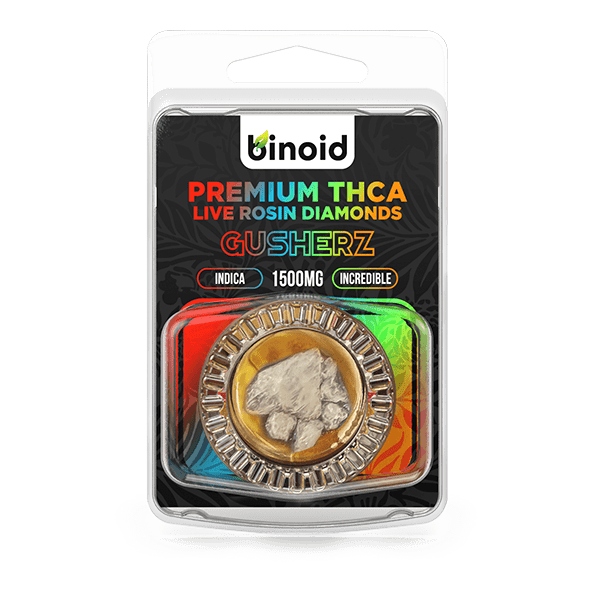
If there is a single product category that best represents where THC concentrates have arrived in 2026, it is THCA diamonds. These crystalline structures form through a controlled nucleation process, typically within a hydrocarbon or solventless extraction environment, and they represent tetrahydrocannabinolic acid in its most structurally pure form. A gram of premium THCA diamonds can test above 95% purity, which means that upon decarboxylation — the thermal process that converts THCA into the psychoactive delta 9 THC — the consumer is engaging with a product whose potency approaches the theoretical ceiling of what the plant can offer.
This is not a category for the uninitiated, and any experienced consumer approaching diamonds for the first time should treat that first session with the same deliberate caution they’d bring to any new high-potency format. The experience is not qualitatively different from delta 9 THC — there is no separate “diamond high” distinct from the cannabinoid pharmacology already well understood by anyone who has spent time with cannabis. What is different is the intensity and the speed with which that intensity arrives, particularly when diamonds are dabbed at appropriate temperatures using a rig or e-nail rather than combusted directly. Binoid CBD has built a reputation in this category specifically because their diamonds are lab-verified batch by batch, giving experienced buyers the confidence to know precisely what potency they are working with before the first dab ever touches the nail.
Live Resin and the Terpene Preservation Argument
For consumers whose priority skews toward flavor and aromatic complexity rather than sheer potency, live resin represents the concentrate category’s most compelling argument. Unlike concentrates made from dried and cured flower, live resin is extracted from plant material that has been flash-frozen immediately after harvest, a process that locks in the volatile terpene compounds before they have a chance to degrade through the drying and curing process. The result is a concentrate that smells and tastes remarkably close to the living plant — a sensory fidelity that cured-material concentrates simply cannot match, no matter how skilled the extraction.
This matters more than casual observers might assume. Terpenes are not merely flavor compounds; they contribute meaningfully to the overall character of the experience through what the industry refers to, with appropriate scientific humility, as the entourage effect — the phenomenon by which cannabinoids and terpenes appear to modulate one another when consumed together rather than in isolation. A live resin concentrate with a rich, intact terpene profile delivers a rounder, more nuanced experience than an isolate or distillate stripped of its aromatic complexity. Binoid CBD‘s live resin vape cartridges and concentrate formats are built specifically around this preservation principle, sourcing flash-frozen biomass and processing it through low-temperature extraction methods designed to protect exactly the volatile compounds that lesser products sacrifice for convenience or cost savings.
Badder, Budder, and Sauce: The Textural Spectrum
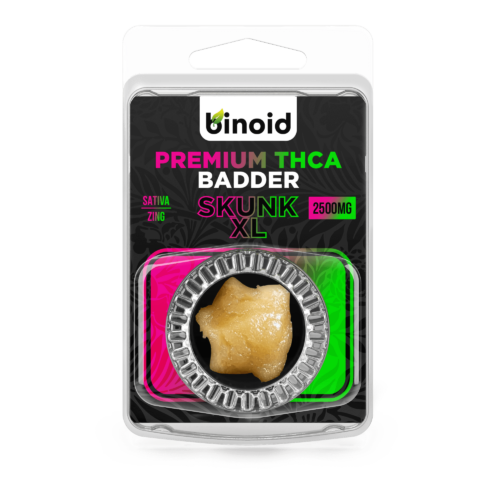
Beyond diamonds and live resin lies a textural spectrum that experienced consumers often explore specifically for the differences in consumption experience each format provides. Badder, sometimes called budder, refers to a whipped, cake-batter-like consistency achieved through a specific agitation process during purging that incorporates air into the concentrate, producing a texture that is easy to handle, easy to dab, and visually distinct from harder, more brittle concentrate formats. Sauce, by contrast, describes a concentrate where crystallized THCA sits suspended in a viscous, terpene-rich liquid — a format that essentially separates the potency-driving component from the flavor-driving component within the same product, allowing each dab to deliver both elements in a single application.
The textural differences are not merely aesthetic. They affect handling, they affect the temperature at which the concentrate should be consumed for optimal experience, and they affect shelf stability over time. Sauce, with its higher liquid terpene content, tends to be more temperature-sensitive and benefits from cooler storage conditions, while badder’s more stable, whipped consistency tolerates a slightly wider range of storage environments without significant degradation. Experienced consumers building out a concentrate rotation often find themselves drawn to different formats for different contexts — sauce for a leisurely evening session where flavor and ritual matter, diamonds for a more potency-focused experience, badder for the everyday reliability of a format that handles consistently regardless of conditions.
The Hardware Question: Rigs, E-Nails, and the Modern Dab Setup
No conversation about THC concentrates for experienced users is complete without addressing the hardware that delivers the experience, because even the finest concentrate can be squandered by inappropriate equipment or improper technique. Traditional glass rigs paired with a torch and a quartz or titanium nail remain the preferred setup for consumers who value the ritual and the direct sensory feedback of a manually heated dab, but the temperature inconsistency inherent in torch-based heating — cooling too quickly, running too hot, or requiring imprecise guesswork about optimal timing — has driven a significant portion of the experienced consumer base toward e-nails, which use electronic temperature control to maintain a consistent, dialed-in heat across an entire session.
Temperature matters enormously with concentrates in a way that it simply does not with flower. Dabbing at excessively high temperatures combusts the material rather than vaporizing it, destroying the delicate terpene profile that makes a live resin or premium diamond worth the investment in the first place and producing a harsher, less flavorful experience that essentially wastes the product’s most distinguishing qualities. Lower-temperature dabs, generally in the range that vaporizes rather than combusts, preserve terpene integrity and produce a smoother, more flavorful pull, though they require slightly more patience and a willingness to take smaller, more deliberate hits rather than the aggressive full-melt approach that higher temperatures might invite. Experienced consumers eventually develop a personal temperature preference through trial and error, but starting conservative and adjusting upward is the more reliable path than the reverse.
Vape Concentrates: Convenience Without Compromise
Not every experienced consumer wants the ritual and equipment investment that dabbing requires, and the concentrate category has responded with vape formats that deliver much of the same potency and terpene fidelity in a dramatically more convenient package. High-quality live resin vape cartridges represent concentrate technology adapted for a delivery format that requires no torch, no rig, and no specialized technique — simply a battery and a cartridge filled with material that has undergone the same flash-freeze extraction process that defines premium live resin concentrates in their more traditional forms.
The quality variance in this subcategory is significant, and it is precisely where experienced consumers benefit most from sourcing discipline. Lower-quality vape concentrates often rely on distillate cut with cutting agents or reintroduced terpenes that bear only a passing resemblance to the plant’s original aromatic profile, producing a vape experience that feels thin and synthetic compared to genuine live resin. Binoid CBD’s vape cartridge lineup addresses this directly, using live resin formulations that preserve authentic terpene expression rather than reconstructing an approximation after the fact, giving experienced consumers a convenient format that doesn’t ask them to sacrifice the qualitative standards they’ve come to expect from more hands-on concentrate formats.
Reading the COA: The Non-Negotiable Step Before Any Purchase
Every recommendation in this article rests on a foundational assumption: that the concentrate in question has been verified by an accredited, independent laboratory before it ever reaches the consumer. This is not optional due diligence reserved for the unusually cautious — it is the baseline requirement for engaging responsibly with a product category this potent. A certificate of analysis from an ISO 17025 accredited lab provides the cannabinoid potency breakdown, confirms the absence of residual solvents from the extraction process, and verifies that the product is free from heavy metals and microbial contamination. For concentrates specifically, residual solvent testing carries outsized importance, given that hydrocarbon extraction methods introduce compounds that must be fully purged before the product is safe for consumption.
Binoid CBD publishes batch-specific COA documentation across its full concentrate catalog, a practice that remains inconsistent across the broader hemp-derived market despite how directly it bears on consumer safety. Experienced consumers who have spent time evaluating multiple brands tend to develop a fast instinct for spotting the difference between a brand treating lab testing as a genuine transparency commitment and one treating it as a box-checking afterthought — outdated certificates, non-accredited labs, and vague or incomplete panels are all signals worth taking seriously before committing to a purchase.
Building a Concentrate Rotation That Respects Your Tolerance
The final piece of advice for any experienced consumer entering the concentrate category more seriously in 2026 is perhaps the least glamorous but the most important: respect the compounding effect of potency. A rotation that includes diamonds, live resin, and vape formats offers genuine variety, but it also means moving between products with meaningfully different potency profiles and onset characteristics, and the temptation to treat all concentrates as interchangeable in dosing is a mistake even experienced consumers make when moving too quickly between formats. Starting conservatively with any new product — even one from a trusted, lab-verified source like Binoid CBD — and allowing enough time to gauge the full effect before considering an additional dab is the kind of discipline that separates consumers who enjoy this category for years from those who have one uncomfortable experience and abandon it entirely.
The concentrate market in 2026 rewards curiosity, technical understanding, and a willingness to engage with sourcing quality as seriously as flavor or potency. For the experienced consumer ready to move beyond flower and into the purest expressions the hemp plant can offer, the combination of rigorous extraction science, transparent lab verification, and a genuinely diverse format lineup available through Binoid CBD represents as clear a starting point as the current market provides.