The Environment You Didn’t Know Was Working Against You
Most conversations about cannabinoid storage begin and end with a single, well-worn piece of advice: keep it in a cool, dark place. It’s not wrong, exactly, but it’s dramatically incomplete, and it glosses over one of the most consequential variables in the entire preservation equation — the actual climate you live in. A consumer storing THC gummies in a humid coastal apartment in Charleston is fighting a fundamentally different battle than one storing the same product in a bone-dry high-desert home outside Phoenix, and a one-size-fits-all storage tip does neither of them any real favors.
The molecular reality is that THC and the broader cannabinoid family are sensitive to a specific set of environmental stressors, and while heat, light, and oxygen tend to dominate the conversation, humidity and regional climate patterns are the quieter forces that often determine whether a product ages gracefully or degrades into something disappointing long before its expiration date. Understanding how your specific climate interacts with your storage habits is the difference between a casual approach and a genuinely informed one, and it’s a conversation the industry has been slow to have with any real specificity.
This matters more now than it did even five years ago, simply because the category has matured. Consumers are no longer buying a single novelty item and consuming it within a week. They’re building rotations, stocking up during sales, and treating premium hemp-derived products — the kind of rigorously tested, small-batch THC gummies and vape cartridges available through Binoid CBD — as a recurring part of their routine rather than an occasional indulgence.
That shift in consumption pattern means storage duration has increased across the board, and longer storage windows amplify the impact of every environmental variable, including the ones tied directly to where you happen to live. A gummy that sits in a drawer for four days can survive a lot of environmental carelessness. A gummy that sits in that same drawer for four months cannot.
To Buy THC Products Click Here
Recommended products
-
High THC-P 2 Gram Disposable Vape – Strain Series
$41.99$73.99 -
14,000MG Turbo THC Gummies – Blazed
$49.99$84.99 -
THCA Diamonds 1500mg – Live Rosin
$30.99$59.99 -
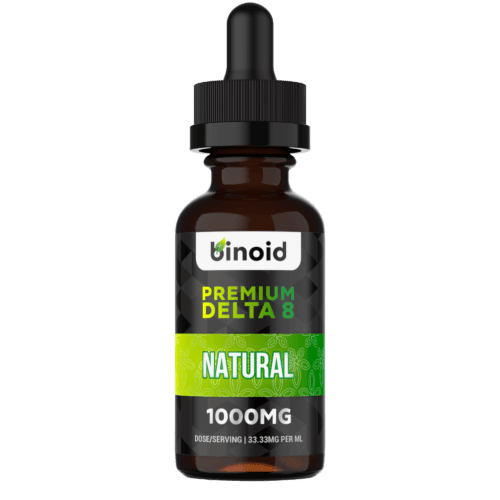
Delta 8 THC Tincture (1000mg, 2500mg, 5000mg)
$25.99$44.99
Humidity: The Variable Everyone Underestimates
If there is one climate factor that gets less attention than it deserves, it’s relative humidity, and the reason is that its effects are slower and less visually dramatic than, say, a vape cartridge left in a hot car. But humidity’s influence on cannabinoid products is genuinely significant, and it operates differently depending on which direction the imbalance runs. The generally accepted target range for cannabis product storage sits between 55 and 62 percent relative humidity — a band that keeps gummies pliable without inviting moisture-related problems and keeps flower or concentrate-adjacent products from drying into something brittle and harsh.
Consumers living in genuinely humid regions, particularly the Gulf Coast, the Southeast, and much of the mid-Atlantic during summer months, are contending with ambient humidity that frequently exceeds this range for weeks at a time, and that excess moisture creates a hospitable environment for textural breakdown, gelatin or pectin matrix degradation in gummies, and, in worst-case scenarios, mold growth if a product’s packaging seal has been compromised.
The opposite problem shows up with equal force in arid and high-altitude climates — the Mountain West, the high desert Southwest, and inland regions of the Pacific Northwest during dry seasons. Here, the ambient humidity frequently drops well below the ideal range, and the risk shifts from moisture damage to desiccation. THC gummies stored in genuinely dry environments without any humidity buffering can lose moisture over time, developing a crystallized, sugary exterior or a firmer, less pleasant chew than the formulator intended.
This is a different failure mode than heat damage, but it’s just as capable of ruining an otherwise excellent THC product, and it’s one that consumers in dry climates often don’t anticipate because they’ve internalized “dry storage is good storage” without appreciating that there’s such a thing as too dry. The solution for both extremes is the same underlying tool: a two-way humidity control insert, originally developed for the cigar industry, placed inside an airtight storage container. These small polymer packets absorb or release moisture as needed to maintain a target humidity level regardless of what the outside air is doing, and for anyone living at either climate extreme, they represent one of the more effective, low-cost interventions available.
Heat, Seasonality, and the Problem With “Normal” Storage Advice
Climate doesn’t just mean average conditions — it means seasonal swings, and the storage advice that works perfectly well in March can become actively dangerous by August. This is particularly true for anyone living in a region with genuinely hot summers, where indoor temperatures in a car, a garage, a mailbox, or even a poorly insulated closet can spike well beyond the range that cannabinoids can tolerate without degrading. THC itself is a relatively heat-sensitive compound, and the terpene profiles responsible for a product’s aromatic complexity are even more volatile, evaporating at temperatures that a summer afternoon in a parked vehicle reaches within minutes.
A vape cartridge that spends thirty minutes in a hot car during a Texas or Arizona summer can lose a measurable percentage of its terpene content, resulting in a harsher, less nuanced vapor than the product was designed to deliver. This is why the ideal storage temperature — generally cited as 60 to 70 degrees Fahrenheit — isn’t an arbitrary number pulled from a wellness blog. It reflects the actual thermal stability threshold of the compounds involved, and it’s a range that seasonal weather in much of the country will exceed indoors unless a consumer is actively accounting for it.
Package delivery adds another climate-dependent wrinkle that doesn’t get discussed nearly enough. Consumers ordering premium hemp-derived cannabinoid products online — an increasingly common purchasing pattern given the convenience and product range available through Binoid CBD — should be thinking about how long a package might sit in direct sun on a porch or in a mailbox during a heat wave before it’s brought inside. This is less of a concern during a mild spring or fall shipping window and considerably more of one during a July delivery in Las Vegas or a January delivery in International Falls, where the opposite extreme — genuinely frigid temperatures — introduces its own set of concerns, particularly around vape cartridge viscosity and distillate clouding.
Reputable brands account for seasonal shipping conditions in their packaging and fulfillment practices, but the consumer’s responsibility doesn’t end at the doorstep. Bringing packages inside promptly, rather than letting them bake or freeze in transit limbo, is a simple habit that pays disproportionate dividends in product quality retained.
Recommended products
-
13,000mg Good Luck Gummies
$47.99$79.99 -
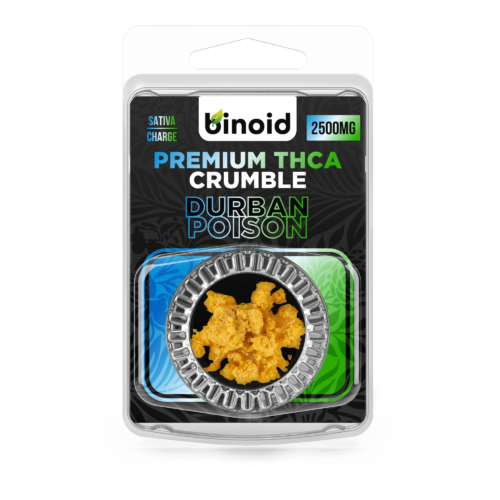
THCA Crumble – 2500mg
$37.99$59.99 -
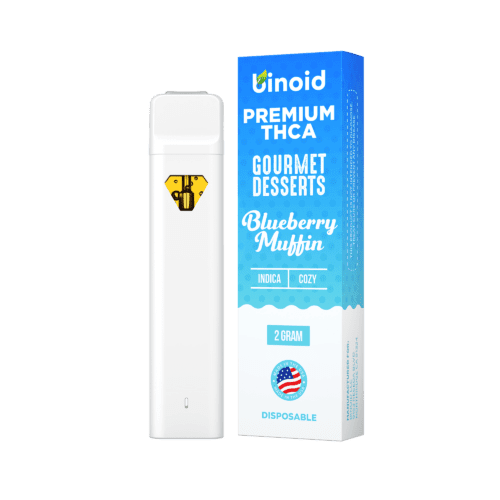
THCA Disposable 2 Gram – Gourmet Desserts
$37.99$73.00 -
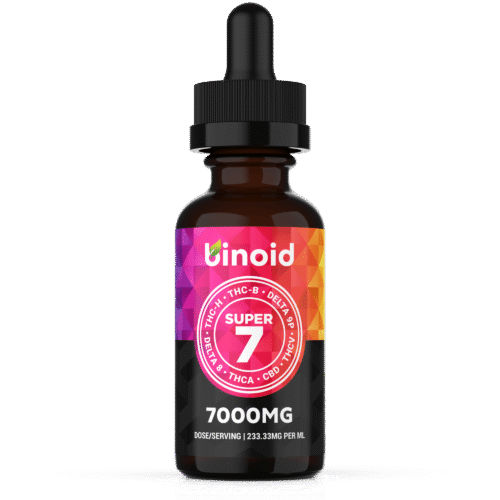
Super 7 Tincture – 7000mg
$39.99$59.99

Regional Case Studies: What Climate-Specific Storage Actually Looks Like
It’s worth getting concrete about what climate-adapted storage actually looks like in practice, because the abstract advice becomes far more useful once it’s grounded in specific regional realities. A consumer in coastal Florida or Louisiana is dealing with high ambient humidity essentially year-round, punctuated by intense heat during summer months, which means airtight, opaque containers paired with two-way humidity control packets aren’t optional extras they’re close to mandatory for anyone storing product for more than a couple of weeks.
Air conditioning helps enormously here, and interior closets or drawers in consistently climate-controlled rooms will outperform anything near an exterior wall or window, where temperature and humidity fluctuations tend to be more pronounced even within an otherwise cooled home.
A consumer in Denver, Salt Lake City, or elsewhere in the intermountain West is facing the inverse challenge: low ambient humidity combined with significant daily and seasonal temperature swings driven by elevation and continental climate patterns. Here, the humidity control packet is doing different work adding moisture rather than removing it and the storage location should prioritize temperature stability over anything else, since homes at elevation often experience wider indoor temperature variance than homes closer to sea level.
Meanwhile, someone in the Pacific Northwest is contending with a genuinely mild, moderate climate for much of the year, which is arguably the most forgiving storage environment in the country, but even there, basement storage common in the region introduces its own humidity considerations that a upper-floor closet wouldn’t. The point isn’t that any of these climates make responsible storage impossible. It’s that the specific tools and priorities shift meaningfully based on where you live, and generic advice that doesn’t account for that is, at best, half the picture.
Building a Climate-Aware Storage System
The practical upshot of all this is that a genuinely effective storage system starts with an honest assessment of your local climate rather than a generic checklist copied from packaging. Begin with the container itself: airtight, opaque, food-grade glass or high-density polyethylene remains the gold standard regardless of climate, because it addresses light exposure and oxygen ingress universally. From there, the humidity strategy should be climate-specific a two-way control packet calibrated to add moisture in dry climates and manage excess moisture in humid ones and the temperature strategy should account for your region’s seasonal extremes rather than assuming a single indoor location will remain climate-stable year-round.
A closet that’s perfectly adequate in October might be genuinely unsuitable in August if it happens to be on a sun-facing exterior wall, and a consumer who’s serious about preserving their investment will reassess their storage location seasonally rather than setting it once and forgetting about it.
This level of attentiveness might sound like overkill for what is, after all, a gummy or a vape cartridge. But it’s worth remembering what you’re actually protecting when you take climate-aware storage seriously: the formulation work, the terpene sourcing, and the precision dosing that went into a genuinely well-made product. Binoid CBD invests heavily in that formulation process, and every product sold through the platform is backed by batch-specific, third-party laboratory documentation that verifies potency and purity at the point of manufacture but that documentation describes the product as it left the facility, not necessarily as it exists in your home three months later if it’s been sitting in a humid drawer or a sun-baked windowsill. Closing that gap between lab-verified quality and consumer experience is entirely within your control, and it starts with understanding that the climate outside your window is as much a part of the storage equation as the container you choose.
The Decision Framework: Matching Your Storage to Your Climate
For the consumer trying to translate all of this into action, the decision comes down to a few honest questions rather than a universal rulebook. What does humidity actually look like in your home across all four seasons, not just the season you’re currently experiencing? Does your storage location experience meaningful temperature swings tied to sun exposure, exterior walls, or seasonal HVAC changes? And are you storing product for days, or for months because the calculus genuinely changes with duration.
A casual consumer buying a small quantity for near-term use in a mild, temperate climate can get away with reasonably relaxed storage habits. A consumer in a humid or arid climate extreme, stocking up on a rotation of premium THC gummies and vape products for months at a time, owes it to both their wallet and their experience to build a slightly more deliberate system airtight containers, climate-appropriate humidity control, and a storage location chosen with actual seasonal awareness rather than convenience alone. The products themselves, when sourced from a brand with the sourcing transparency and lab rigor of BinoidCBD, have already done their part by arriving in excellent condition. What happens after that is, quite literally, a matter of climate.
To Buy THC Products Click Here
Recommended products
-
THCA Hash Rosin Dabs – 1000mg
$33.99$59.99 -
Delta 9 +THCV Gummies- Uplift/Unwind
$29.99$49.99 -
7 Gram THCA + High THC-P Disposable Vape – Limited Series
$67.99$109.99 -
Knockout Blend Tincture – 1000mg
$34.99$59.99