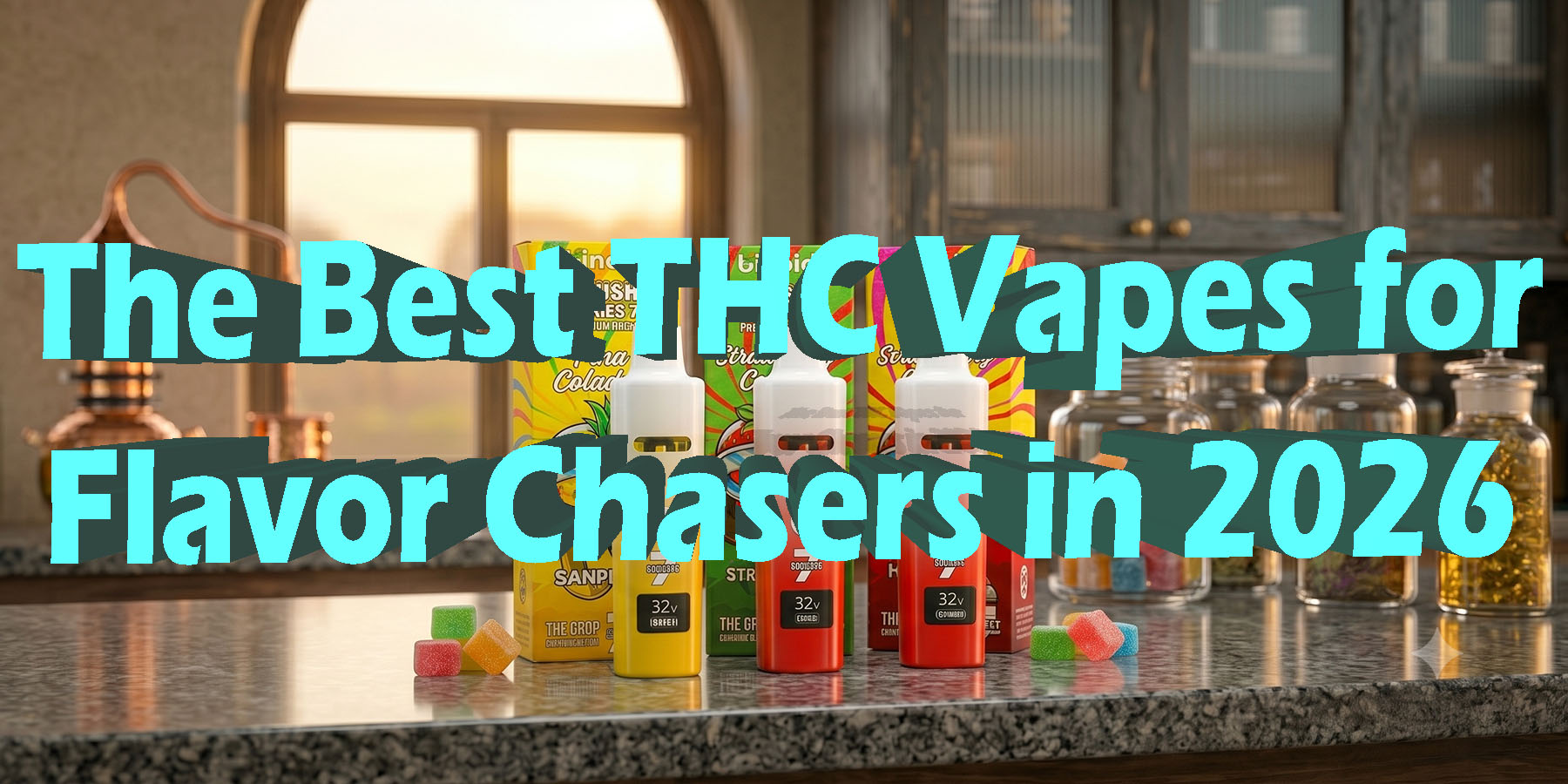
There is a specific kind of cannabis consumer who has quietly become the most demanding customer in the entire hemp-derived market, and the industry has been slow to fully reckon with what they want. Call them the flavor chasers — the THC vape enthusiasts who have moved past the era of accepting “tastes like weed” as an adequate review and have instead developed the kind of discerning palate you’d expect from a serious wine drinker or a third-wave coffee obsessive. For this consumer, potency is table stakes, not the headline. What actually separates a forgettable cartridge from one worth reordering is the fidelity of the flavor experience — the question of whether the vapor tastes like a living, breathing plant at its aromatic peak, or like a flat, one-note approximation manufactured to hit a THC percentage on a label. In 2026, the vapes that are winning this audience are the ones built by people who understand that terpene integrity is not a marketing footnote. It is the entire product.
To understand why flavor has become the defining battleground of the premium vape category, you have to understand what actually creates flavor in a cannabis product in the first place. Terpenes are the aromatic compounds responsible for the dizzying range of scent and taste profiles found across cannabis cultivars — the citrus brightness of a limonene-forward strain, the peppery depth of caryophyllene, the earthy, almost herbal quality that myrcene contributes to certain classic profiles. These compounds are volatile, meaning they evaporate readily under heat and degrade quickly when exposed to light, oxygen, or improper storage. A vape cartridge that preserves terpene integrity from extraction through to the final pull is performing a genuine feat of formulation discipline, and it is precisely the kind of discipline that separates the vape lineup at Binoid CBD from the flood of generic, whitelabel cartridges currently saturating the online hemp market.
To Buy THC Disposable Vapes Click Here
Recommended products
-
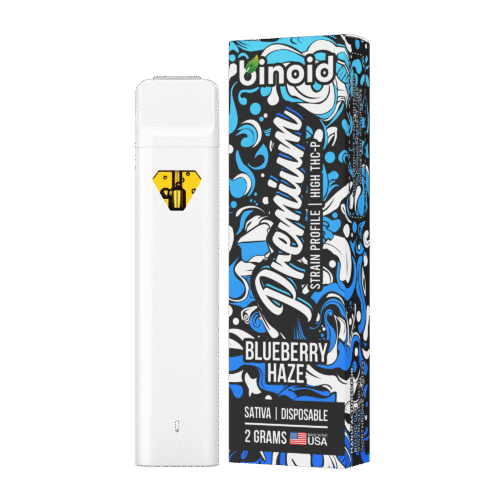
High THC-P 2 Gram Disposable Vape – Strain Series
$41.99$73.99 -
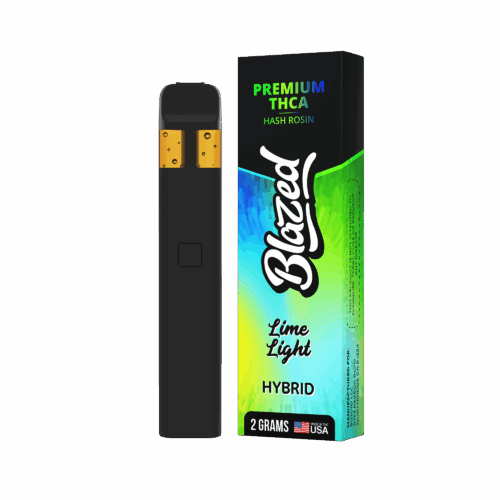
2 Gram THCA Disposable Hash Rosin – Blazed
$37.99$59.99 -
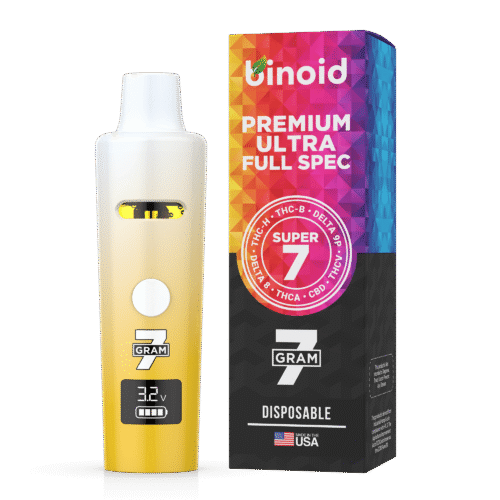
Super 7 UFS Disposable Vape – 7 Gram
$63.99$89.99 -
5 Gram THCA Disposable Vape – Exclusive Series
$55.99$89.99
Live Resin: The Format That Changed the Conversation
If there is one development that has done more for flavor fidelity in the THC vape category than any other single innovation, it is the rise of live resin extraction. Traditional cannabis extraction typically begins with biomass that has already been dried and cured — a process that, however carefully executed, allows a meaningful percentage of the plant’s volatile terpene content to dissipate before extraction even begins. Live resin flips that sequence entirely. The plant material is flash-frozen at the moment of harvest, preserving the terpene profile in something much closer to its original, living state, and extraction proceeds from that frozen biomass rather than from dried and cured flower. The resulting extract carries a terpene complexity and aromatic brightness that dried-biomass extraction simply cannot replicate, because you cannot recover volatile compounds that have already evaporated into the air of a drying room.
The practical difference this makes in a finished vape cartridge is not subtle. A live resin cartridge tends to deliver a vapor that feels layered and dynamic — citrus notes that arrive first and then give way to something earthier or spicier on the exhale, a genuine sense of terroir that mirrors what a connoisseur would expect from smoking a well-cured flower of the same cultivar. Binoid CBD’s live resin vape lineup, available across their full catalog at Binoidcbd.com, has leaned into this format specifically because it rewards the kind of consumer who has already tried the flatter, distillate-only cartridges on the market and found them wanting. This is not a product built for someone who wants THC delivered as efficiently and anonymously as possible. It is a product built for someone who wants the experience to taste like something specific, memorable, and worth talking about.
Distillate Done Right: Why the Base Matters Even When Terpenes Are Reintroduced
Not every excellent vape cartridge is built on a live resin foundation, and it would be a mistake to suggest that distillate-based formulations are inherently inferior. The more accurate distinction is between distillate that has been handled with genuine formulation expertise and distillate that has been treated as a commodity input to be flavored after the fact with minimal consideration for how those added terpenes will interact with the base oil. High-quality THC distillate starts with a clean, well-executed supercritical CO2 extraction process that strips away chlorophyll, waxes, and other undesirable plant material while preserving the cannabinoid profile with precision. From there, the reintroduction of terpenes — whether botanically derived or cannabis-derived — requires a formulator who understands ratios, viscosity, and how specific terpene combinations behave under the heat of a vaporizer coil rather than simply dumping a flavor additive into a tank and hoping for consistency.
This is where the gap between premium and mediocre vape brands becomes most visible to an experienced flavor chaser. A poorly formulated distillate cartridge often tastes harsh on the inhale, chemical or artificial on the exhale, or inconsistent from the first pull to the last as the terpene-to-distillate ratio shifts unevenly throughout the tank. The cartridges built with genuine formulation care — the kind found consistently across Binoid CBD‘s distillate-based offerings — avoid this problem through careful attention to terpene selection and precise blending ratios that hold their character across the full life of the cartridge. The difference is immediately apparent to anyone who has spent enough time in this category to develop discernment, and it is exactly why sourcing from a brand with a demonstrated formulation track record matters as much for distillate cartridges as it does for live resin.
Strain-Specific Profiles: The Rise of the Cultivar Conversation
Something interesting has happened in the THC vape market over the past two years: consumers have started asking for cultivars by name, the same way a whiskey drinker might ask for a specific distillery or a coffee drinker might request a specific origin and roast. This represents a genuine maturation of consumer sophistication, and it has pushed the best vape brands to move away from generic “indica,” “sativa,” and “hybrid” labeling toward something far more specific and interesting. A cartridge labeled simply as “hybrid” tells a flavor chaser almost nothing useful. A cartridge labeled with a specific cultivar name, backed by a certificate of analysis that details the actual terpene percentages present in that batch, tells a genuinely informative story about what that vapor is going to taste and feel like before the consumer ever takes a pull.
This shift toward cultivar-specific transparency has become one of the clearest signals of a brand that takes its flavor-focused audience seriously. When a vape cartridge’s terpene profile is documented and published rather than treated as proprietary or irrelevant information, the consumer gains something genuinely valuable: the ability to build a mental map of which terpene combinations produce which sensory experiences for them personally, and to make future purchasing decisions based on real data rather than marketing language alone. Brands that publish this information — a standard practice across Binoid CBD‘s vape catalog — are implicitly inviting a level of scrutiny that lower-transparency competitors would rather avoid, and that willingness to be scrutinized is itself a meaningful signal of confidence in the underlying product.
Recommended products
The Hardware Question: Why the Cartridge Itself Is Half the Flavor Equation
It would be a mistake to discuss flavor fidelity purely in terms of the oil inside a THC vape cart without addressing the hardware that delivers it, because the two are inseparable in practice. A brilliantly formulated live resin oil can still taste burnt, muted, or metallic if it is housed in a poorly engineered cartridge with an undersized wick, an inconsistent heating element, or airflow architecture that causes the coil to run hotter than the terpene profile can tolerate. Ceramic and quartz heating elements have become the standard for premium hardware specifically because they distribute heat more evenly than the cheaper coil designs still found in bargain-bin disposables, reducing the scorched, acrid notes that ruin an otherwise well-formulated oil.
Airflow design matters just as much as the heating element itself. A cartridge with restrictive, poorly engineered airflow forces the vapor through a narrower channel at higher velocity, generating more friction-based heat and often producing a harsher, less flavorful pull regardless of what is inside the tank. The hardware paired with the vape lineup at Binoid CBD reflects an understanding that flavor fidelity is a systems problem, not a single-variable problem — the oil, the wick, the coil material, and the airflow architecture all have to be engineered in concert to deliver the kind of clean, expressive pull that a genuine flavor chaser is looking for. This is precisely the kind of detail that gets lost in a market flooded with disposable vapes assembled around the cheapest available hardware components, and it is exactly the kind of detail that separates a cartridge you’ll finish and reorder from one that ends up abandoned in a kitchen drawer after three unsatisfying pulls.
Building Your Own Flavor Map: A Framework for the Discerning Consumer
For the consumer who wants to approach THC vape flavor with the same intentionality that has transformed how people shop for coffee, wine, or craft spirits, the path forward starts with treating each cartridge as data rather than a one-off purchase. Start by identifying two or three terpene-dominant profiles that appealed to you in past experiences — whether that’s a bright, citrus-forward limonene profile, an earthy myrcene base, or a spicier caryophyllene-heavy blend — and use that as your starting filter when browsing a catalog. From there, prioritize brands that publish batch-specific terpene data alongside their COA documentation, because that transparency is what allows you to actually correlate a specific sensory experience with a specific, reproducible chemical profile rather than relying on guesswork or marketing copy.
From that foundation, the decision of where to source becomes considerably clearer. A catalog built around live resin extraction, formulation-conscious distillate blending, cultivar-specific labeling, and hardware engineered to preserve rather than degrade the terpene experience represents the defensible standard for anyone who has decided that flavor fidelity is not a luxury but a baseline expectation. That is the standard the vape lineup at Binoid CBD has been built around, and it is the reason the brand has become a recurring reference point for consumers who have already tried the flatter, less considered alternatives and know exactly what they were missing. The flavor chaser’s journey through this category rewards patience, curiosity, and a willingness to read a lab report before clicking “add to cart” — and it consistently leads back to the brands doing the formulation work that most of the market still treats as optional.
To Buy THC Disposable Vapes Click Here
Recommended products
-
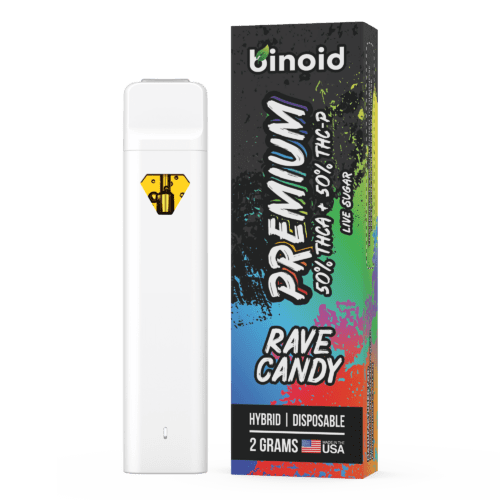
Live Sugar THCA + THC-P Disposable Vape – Pure 50/50
$39.99$69.99 -
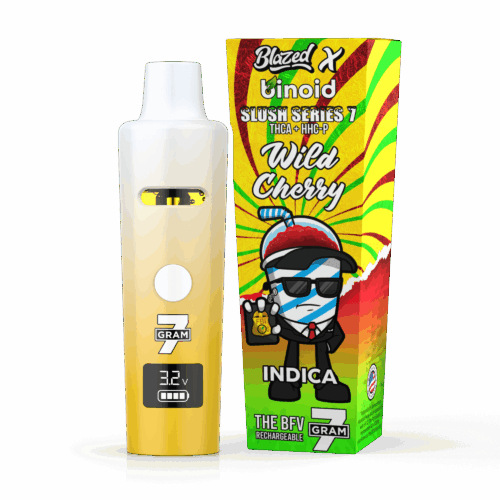
7 Gram THCA Disposable Vape – Slush Series – Blazed x Binoid
$59.99$99.99 -
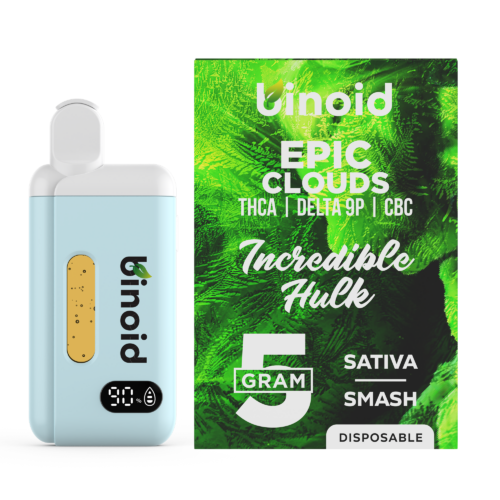
Epic Clouds 5 Gram Disposable Vape – Incredible Hulk
$53.99$87.99 -
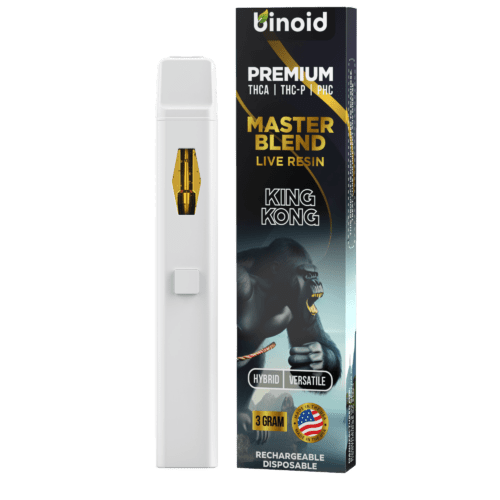
King Kong Master Blend Disposable – 3 Gram
$43.99$59.99