Somewhere in the last decade, the hemp-derived cannabinoid industry made a quiet but consequential choice about how to talk to its customers, and that choice was purity. Isolate products were marketed, understandably, on the strength of a single seductive idea: a compound stripped down to its purest possible form, free of anything extraneous, delivering exactly one thing with pharmaceutical-grade precision.
It is a compelling pitch, and it is not entirely wrong — but it is also, when examined against what the plant actually contains and what the research increasingly suggests about how cannabinoids behave in combination, an incomplete one. The full-spectrum category exists as a direct answer to that incompleteness, and understanding why an increasing number of sophisticated consumers are migrating toward it requires a genuine look at the plant chemistry that isolate products, by design, leave on the cutting-room floor.
TO BUY THC PRODUCTS CLICK HERE
Recommended products
-
Super 7 Gummies – Summer Slush Series
$37.99$49.99 -
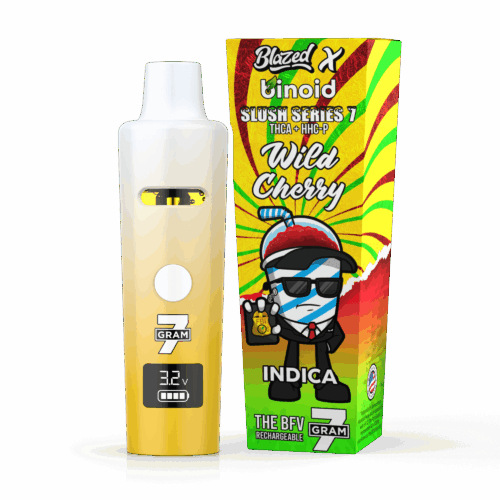
7 Gram THCA Disposable Vape – Slush Series – Blazed x Binoid
$59.99$99.99 -
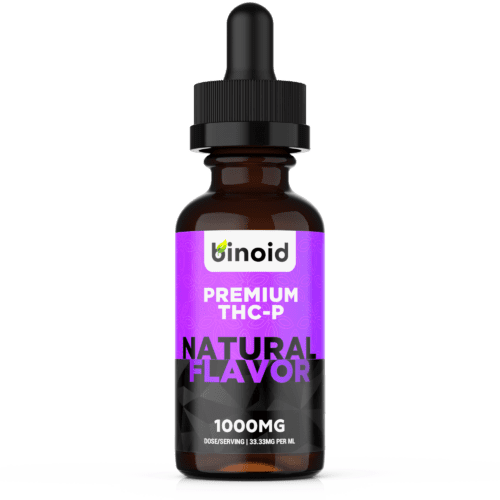
THC-P Tincture – 1000mg
$30.99$79.99 -
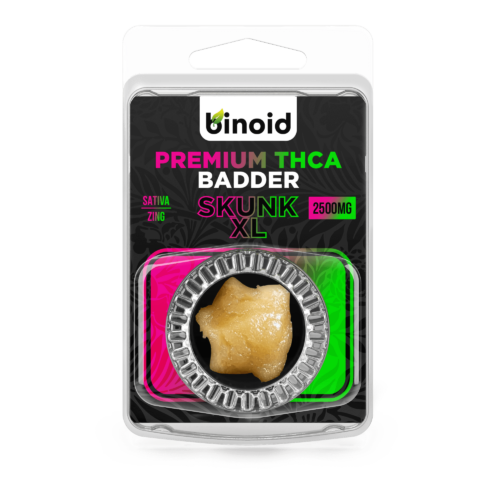
THCA Badder – 2500mg
$37.99$59.99

What “Full-Spectrum” Actually Means
The term full-spectrum, despite its ubiquity on product labels, is frequently used with a looseness that obscures what it should precisely denote. A true full-spectrum hemp extract retains the complete profile of compounds present in the source plant material at the time of extraction — not just the headline cannabinoid, whether that’s CBD or a THC variant, but the full constellation of minor cannabinoids, terpenes, and flavonoids that exist alongside it in naturally occurring ratios.
This includes trace amounts of compounds like CBG, CBN, and CBC, along with the terpene compounds responsible for a cultivar’s distinctive aroma and flavor profile — myrcene, limonene, pinene, and dozens of others, each with its own volatile character and, according to a growing body of research, its own subtle contribution to the overall experience. Broad-spectrum sits as a middle category, retaining most of this complexity while removing detectable THC, while isolate strips everything away except a single, chemically purified compound.
The extraction and processing methodology required to preserve this full complexity is meaningfully more demanding than the methodology required to produce isolate, and this difference in difficulty is not a trivial manufacturing footnote — it is the entire reason isolate became the industry’s early default. Producing a clean isolate is, in relative terms, a more forgiving process: the compound is purified to the point where imperfections in the extraction can be washed out or filtered away in pursuit of a single, chemically homogeneous endpoint.
Preserving a full-spectrum profile requires a gentler, more controlled extraction from the outset, because the volatile terpene compounds that define the category’s value proposition are also among the most fragile, prone to degradation under excessive heat, pressure, or aggressive solvent processing. This is precisely the kind of process discipline that separates the full-spectrum THC and CBD formulations available through Binoid CBD from the lower-cost isolate-based alternatives that dominate the budget end of the market.
The Entourage Effect: Theory Meets Formulation
The scientific concept most closely associated with the case for full-spectrum products is the entourage effect — the hypothesis, first articulated by researchers studying the endocannabinoid system, that cannabinoids and terpenes interact synergistically, producing effects that differ meaningfully from what any single isolated compound produces on its own. This is worth discussing with intellectual honesty rather than marketing enthusiasm: the entourage effect remains an active and evolving area of scientific inquiry, and the precise mechanisms by which minor cannabinoids and terpenes modulate the experience of a primary cannabinoid are still being mapped by researchers.
What can be said with more confidence is that consumers across a wide range of experience levels consistently report qualitative differences between full-spectrum and isolate products at equivalent primary-cannabinoid dosages — differences in onset character, in the texture and duration of the experience, and in what many describe as a rounder, less one-dimensional quality to how the effect unfolds.
Terpenes, in particular, appear to play a role that extends beyond simple aromatics. Myrcene, one of the most abundant terpenes in many cannabis cultivars, is frequently associated by formulators and experienced consumers with a mellower, more grounded quality to the overall experience, while limonene, with its bright citrus character, is often linked to a more energetic and uplifted quality. Whether these associations reflect a precise pharmacological mechanism or a more complex interaction between expectation, aroma, and psychoactive effect is a question the research community is still working through — but the consistency with which experienced consumers report these patterns across full-spectrum products is difficult to dismiss as coincidence alone. This is the layered, harder-to-manufacture complexity that a full-spectrum THC tincture or gummy from Binoid is attempting to preserve and deliver, batch after batch.
Where Isolate Still Earns Its Place
None of this is an argument that isolate products are without value, and a fair treatment of the full-spectrum-versus-isolate conversation has to acknowledge the categories of consumer for whom isolate remains the more sensible choice. Consumers who need to avoid any trace cannabinoid cross-reactivity for professional or personal reasons — certain drug-testing contexts being the most obvious example — are often better served by an isolate product, where the absence of trace compounds can be verified with a precision that full-spectrum products, by their very nature, cannot match. Consumers with a specific sensitivity or adverse reaction to a particular terpene or minor cannabinoid may also find isolate preferable, since it removes variables that a full-spectrum formulation necessarily retains. And for consumers who have tried both and genuinely prefer the cleaner, more singular character of an isolate experience, personal preference is itself a perfectly legitimate reason to choose that category.
What isolate cannot offer, however, is the argument from completeness — the sense that a hemp product is delivering something closer to what the plant itself produced, processed with enough care to preserve rather than strip away its natural complexity. This is where the full-spectrum case ultimately rests: not on the claim that isolate is inferior in some absolute sense, but on the observation that a meaningful portion of what makes the cannabis and hemp plant experientially interesting lives in the compounds that isolate processing discards, and that a consumer who has never tried a genuinely well-made full-spectrum product may not yet know what they’re missing.
Formulation Complexity Across the Product Line
The practical implications of the full-spectrum-versus-isolate decision extend across every product format a hemp brand offers, and the consistency with which a company applies full-spectrum principles across its catalog says something meaningful about the depth of its formulation philosophy. In a THC vape cartridge , a full-spectrum or live-resin-based formulation preserves terpene volatility in a way that fundamentally changes the flavor and vapor character compared to a distillate-only, terpene-stripped alternative — the difference between vapor that tastes like the plant it came from and vapor that tastes like a chemistry set approximation of it. In a gummy or tincture, full-spectrum formulation requires more sophisticated emulsification and stabilization work, since the fuller compound profile introduces more variables that a formulator has to account for in order to achieve consistent texture, flavor, and potency from batch to batch.
This is precisely the kind of formulation discipline that separates brands making surface-level full-spectrum claims from those genuinely engineering around the category’s demands. Across the THCA, Delta 9, and THC-P product lines available through Binoid CBD, full-spectrum and live-resin formulations are treated as a core formulation commitment rather than a premium upcharge reserved for a narrow subset of the catalog — a distinction that becomes immediately apparent to any consumer who has spent time comparing the aromatic and experiential depth of a genuinely full-spectrum product against the flatter, more one-note character of an isolate-based competitor at a similar price point.
Recommended products
The Certificate of Analysis and the Full-Spectrum Promise
Full-spectrum claims carry a verification burden that isolate products, by comparison, largely sidestep — because the entire value proposition of full-spectrum rests on the presence of a complex compound profile that either does or does not show up under laboratory analysis. This is where certificate of analysis documentation becomes not just a general trust signal but a category-specific necessity: a COA that includes a full terpene panel alongside standard cannabinoid potency testing is the only objective way for a consumer to confirm that a product labeled full-spectrum actually delivers the compound complexity the term implies, rather than a distillate-based product borrowing the terminology without the underlying substance. Brands that publish this level of batch-specific detail are making a claim that can be checked, and brands that don’t are asking consumers to take a marketing term on faith.
Binoid CBD‘s approach to COA transparency, with batch-specific documentation covering the full cannabinoid and terpene profile across its full-spectrum product lines, reflects exactly this understanding — that a full-spectrum claim without verifiable lab documentation is just a word on a label, while a full-spectrum claim backed by an ISO-accredited terpene panel is a promise a consumer can actually hold the brand to.
The Decision Framework: Choosing the Right Spectrum for the Experience You Want
For the consumer weighing full-spectrum against isolate, the decision ultimately comes down to matching product category to personal priority rather than assuming one category is universally correct. A consumer prioritizing verified absence of trace cannabinoids, whether for testing concerns or personal sensitivity, has a legitimate and well-supported case for choosing isolate, and should look for the same rigor in COA documentation that any thoughtful purchase decision requires.
A consumer seeking the fuller, more layered experience that the entourage effect describes — the rounder onset, the aromatic complexity, the sense of engaging with something closer to the plant’s natural chemistry — has an equally strong case for prioritizing full-spectrum and live-resin formulations, provided those products come with the terpene-inclusive lab documentation that separates a genuine full-spectrum product from one borrowing the label loosely. Either path, pursued with attention to formulation quality and COA transparency, represents an informed decision rather than a default one — and that distinction, more than any single ingredient list, is what separates a sophisticated hemp consumer from one simply reaching for whatever’s on the shelf.
TO BUY THC PRODUCTS CLICK HERE
Recommended products
-
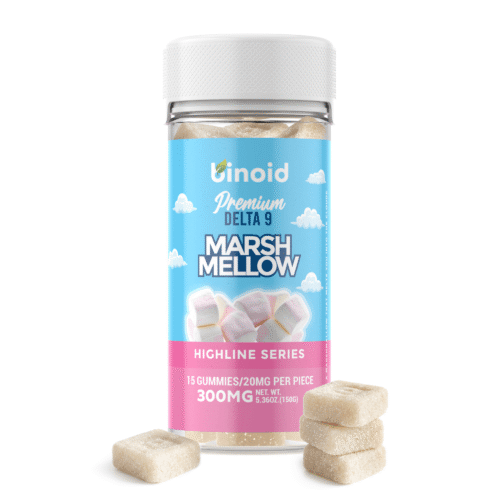
Delta 9 THC Marshmellow
$39.99$49.99 -
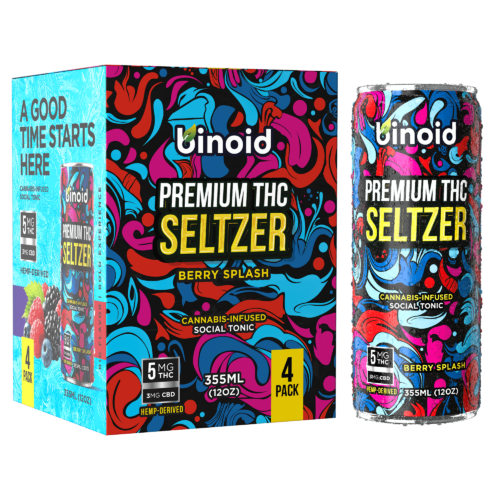
THC Seltzer – Good Vibes Cannabis Drink (4 Pack)
$19.99$29.99 -
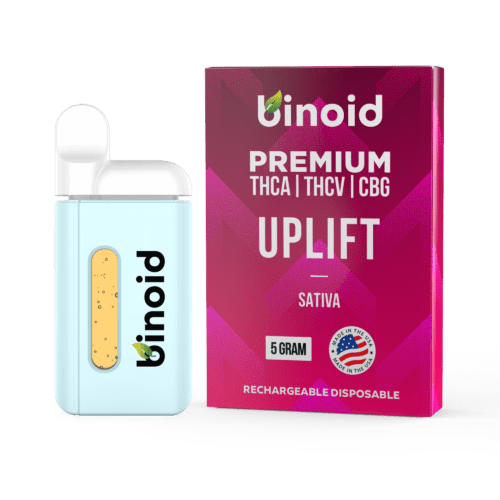
THCV 5 Gram Disposable Vape – Uplift/Unwind
$53.99$69.99 -
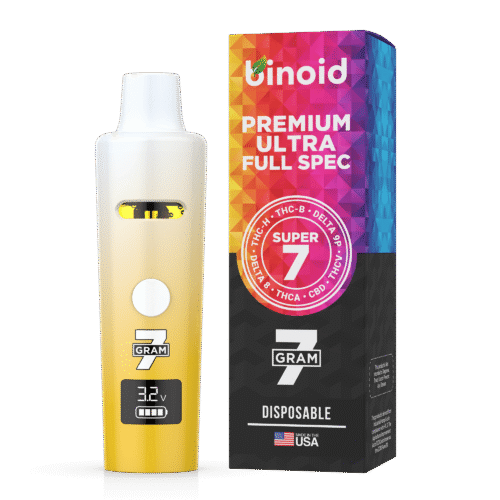
Super 7 UFS Disposable Vape – 7 Gram
$63.99$89.99