The Question That Assumes a Wrong Premise
Ask ten different hemp enthusiasts what the best way to consume THCA is, and you will likely get ten confidently delivered, mutually contradictory answers — flower purists insisting that nothing compares to the ritual and terpene expression of combustion, vape devotees pointing to the precision and discretion of cartridge technology, concentrate connoisseurs dismissing anything but diamonds as an inferior half-measure. What almost none of these answers acknowledge, however, is that the question itself contains a subtly flawed premise: that there exists a single objectively superior format, applicable across all consumers and all contexts, rather than a genuinely diverse set of consumption methods each optimized for different priorities, different lifestyles, and different desired experiences.
The honest answer to “what is the best way to consume THCA” is not a single format at all — it is a framework for understanding what each format actually delivers, so that an individual consumer can match their own priorities against the genuine tradeoffs involved rather than deferring to whichever format happens to have the loudest advocates in a given online community.
Before comparing formats meaningfully, it’s worth grounding the conversation in the molecular reality that makes this entire category possible. THCA tetrahydrocannabinolic acid, is the naturally occurring, non-intoxicating precursor found in raw cannabis flower. It does not bind efficiently to CB1 receptors in its acidic form, which is why raw cannabis does not produce intoxicating effects — that only happens after decarboxylation, the thermally driven process that cleaves a carboxyl group from the THCA molecule and converts it into delta 9 THC. Every consumption format discussed here is, in essence, a different delivery vehicle for triggering and utilizing that same underlying chemical transformation, and understanding this shared foundation is what makes the format-by-format comparison genuinely useful rather than an exercise in comparing incomparable things.
To Buy THCA Products Click Here
Recommended products
-
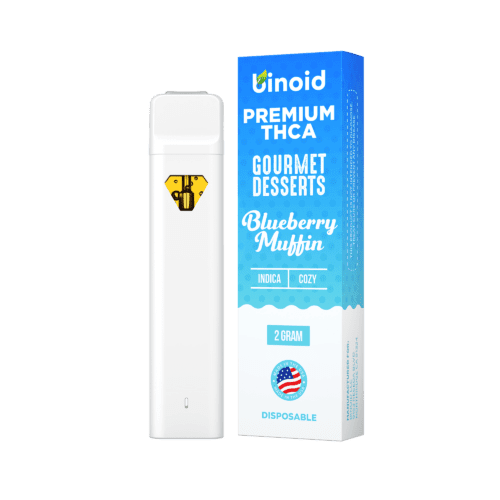
THCA Disposable 2 Gram – Gourmet Desserts
$37.99$73.00 -
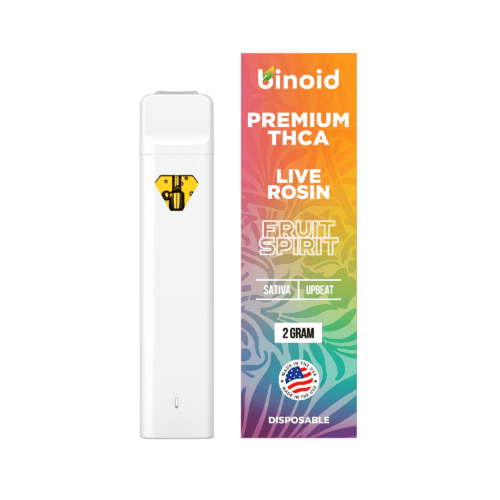
2 Gram THCA Disposable Vapes – Live Rosin
$39.99$73.00 -
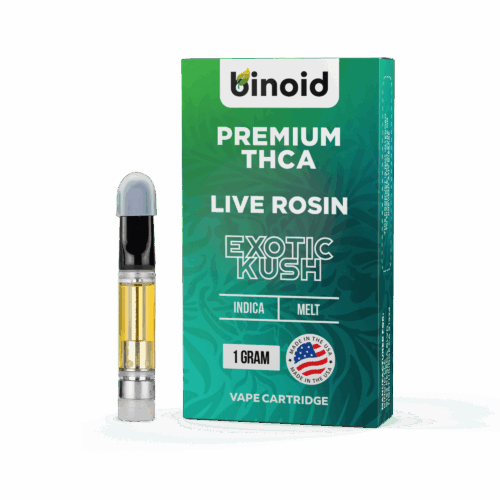
THCA Vape Cartridge – Live Rosin
$30.99$59.99 -
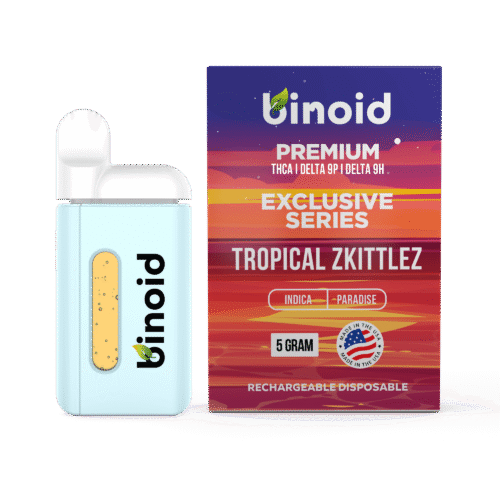
5 Gram THCA Disposable Vape – Exclusive Series
$55.99$89.99
Flower: The Foundational Format and Its Honest Tradeoffs
THCA flower remains the format most directly connected to the plant’s traditional identity, and it offers a sensory completeness that no other delivery method fully replicates. The visual appearance of well-cured, trichome-dense flower, the aromatic complexity that unfolds before any heat is even applied, the tactile ritual of breaking down the material and preparing it for consumption — these are experiential dimensions that exist independently of the eventual psychoactive effect, and for a meaningful segment of consumers, that ritual dimension is not incidental to the appeal but central to it.
Combustion or vaporization of flower also delivers the fastest possible onset among inhalation methods, with effects typically becoming noticeable within minutes, and it allows for granular, real-time dose control that other formats simply cannot match — a consumer can stop after a single inhalation and assess the effect before deciding whether to continue, a level of moment-to-moment calibration that edible or concentrate formats don’t permit.
The honest tradeoffs of flower are equally worth stating plainly. Combustion introduces byproducts of the burning process itself that have nothing to do with the cannabinoid or terpene content, and the format inherently carries a social and logistical footprint — visible smoke, a distinctive odor that lingers on fabric and in enclosed spaces, and a preparation process that requires more time and more equipment than other formats. Flower quality also varies dramatically across the market in ways that are difficult for a non-expert to assess by appearance alone, which makes sourcing integrity especially important in this category.
The exceptional THCA flower curated and lab-verified through operations like Binoid CBD addresses this variance directly, with cultivation and curing standards that produce a genuinely premium sensory experience — but the format’s inherent limitations around discretion and preparation time remain real considerations regardless of product quality, and they are the primary reason many consumers migrate toward vape formats even when they continue to appreciate flower for specific occasions.
Vape Cartridges and Disposables: Precision Without the Ritual
If flower represents the format most tied to tradition, THCA vape cartridges and THCA disposables represent the format most optimized for convenience, consistency, and discretion — three qualities that have made this category one of the fastest-growing segments of the broader THCA products market. A well-formulated vape cartridge delivers a consistent dose from the first pull to the last, without the batch-to-batch and even inhalation-to-inhalation variability that flower inherently introduces, and it does so with a vapor output that dissipates far more quickly and carries a much less persistent odor than combusted flower. This makes vapes the format of choice for consumers navigating shared living situations, workplace considerations, or simply a preference for a lower-friction consumption experience that doesn’t require the grinding, packing, and cleanup that flower demands.
The quality variance within the vape category, however, is arguably even more consequential than it is with flower, because the format introduces manufacturing variables — distillate viscosity, hardware quality, terpene reintroduction methods — that have no equivalent in a raw plant product. Cheaply made cartridges can use low-quality distillate cut with additives to manage viscosity, paired with hardware that heats unevenly and degrades the vapor quality, producing a harsh, terpene-stripped experience that undersells what the format is capable of at its best.
The best formulations preserve terpene integrity through careful low-temperature processing, often incorporating live resin components that capture the plant’s volatile aromatic profile far more faithfully than distillate reintroduced from dried, cured material. Binoid CBD‘s vape lineup reflects this higher standard, prioritizing formulation quality specifically because the format’s convenience advantages mean nothing if the underlying product delivers a flat, one-dimensional experience — the entire value proposition of a vape format collapses if the thing being vaporized isn’t genuinely well-made.
Recommended products
Concentrates and Diamonds: The Connoisseur’s Ceiling
For consumers who have developed genuine familiarity with their own tolerance and preferences, THCA concentrates — and diamonds in particular — represent the format that pushes potency and purity to their practical ceiling. THCA diamonds are crystalline structures of nearly pure tetrahydrocannabinolic acid, formed through controlled nucleation processes in extraction environments designed to isolate the compound in its most concentrated form, with premium examples testing at 95% THCA or higher. This is not a format designed for casual or first-time exploration; it is a format for the experienced consumer who understands exactly what a given quantity will deliver once decarboxylated and who values the almost architectural purity of a compound stripped down to its essential molecular identity, typically dabbed using specialized equipment or incorporated into flower for an intensified experience.
The tradeoff here is one of accessibility rather than quality — concentrates require more specialized equipment, a steeper learning curve around dosing and technique, and a level of tolerance awareness that makes this format inappropriate for anyone still calibrating their relationship with THCA generally. But for the consumer who has already done that calibration work, concentrates offer an unmatched combination of potency and, when sourced properly, purity, since the extraction and purification processes involved in producing diamond-grade material strip away plant material and impurities more thoroughly than any other format achieves.
This is a category where sourcing integrity becomes almost existential to the experience, since the concentration process amplifies whatever was present in the starting material — meaning any agricultural or processing shortcuts in the source hemp become correspondingly more pronounced in the finished concentrate.
Matching the Format to the Life, Not the Other Way Around
The genuinely useful way to approach the “best way to consume THCA” question is to work backward from lifestyle and priority rather than forward from format loyalty. A consumer whose primary value is discretion and consistency across a busy, mobile lifestyle is almost certainly better served by a quality vape cartridge than by flower, regardless of how much online enthusiasm exists for the ritual dimensions of smoking. A consumer who genuinely values the sensory completeness of the plant experience — the aroma, the visual appeal, the tactile ritual — and who has the time, space, and tolerance for combustion’s tradeoffs will find that no other format fully replicates what flower delivers. A consumer with established tolerance, technical comfort with dabbing equipment, and a specific interest in maximum potency and purity is the person for whom concentrates make sense, while that same profile would represent significant overkill for someone still learning their own response to THCA generally.
What unites all three formats, and what should unite any purchasing decision regardless of which format a given consumer ultimately prioritizes, is the non-negotiable importance of sourcing and testing transparency. A certificate of analysis from an ISO 17025-accredited laboratory matters exactly as much for a vape cartridge as it does for concentrate or flower, because the format is simply the delivery mechanism — the underlying question of whether the product actually contains what it claims, free of contaminants and accurately labeled, is identical across every category. Binoid CBD‘s approach across its full THCA product range — flower, vape, and concentrate alike — reflects this understanding, applying consistent testing and sourcing standards regardless of which format a given consumer ultimately gravitates toward, which is precisely the kind of cross-category consistency that allows a consumer to build trust with one product and extend it confidently to another.
The Verdict: There Is No Best Format, Only the Right One for You
The format-by-format comparison ultimately resolves into a more useful question than the one most consumers start with. Instead of asking which THCA format is objectively superior, the more productive framing asks which format’s specific tradeoffs — around onset speed, discretion, ritual, potency, and technical complexity — align with an individual consumer’s actual life and actual priorities. Flower rewards those who value sensory completeness and real-time dose control and can accommodate its social and preparation footprint.
Vapes reward those who prioritize consistency, discretion, and convenience above ritual. Concentrates reward the experienced consumer chasing maximum potency and purity with the tolerance and technical comfort to use them appropriately. None of these hierarchies matter, however, without the underlying sourcing and lab verification that ensures whatever format a consumer chooses actually delivers what it claims — which remains the one constant that should inform every decision in this category, regardless of which format ultimately earns a place in your rotation.
To Buy THCA Products Click Here
Recommended products
-
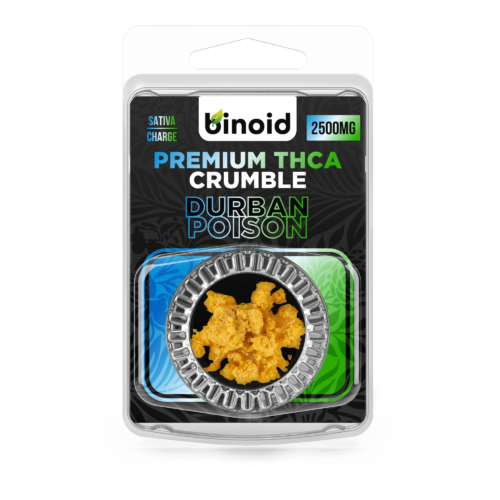
THCA Crumble – 2500mg
$37.99$59.99 -
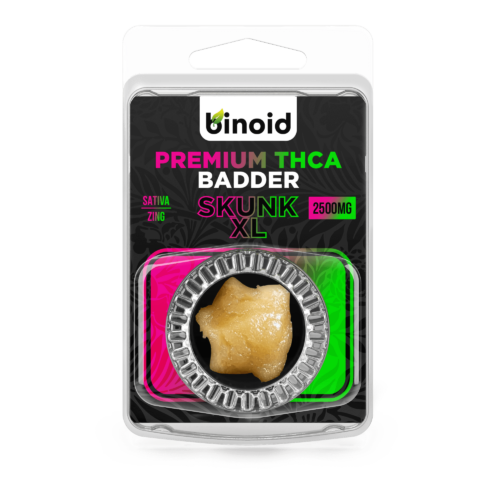
THCA Badder – 2500mg
$37.99$59.99 -
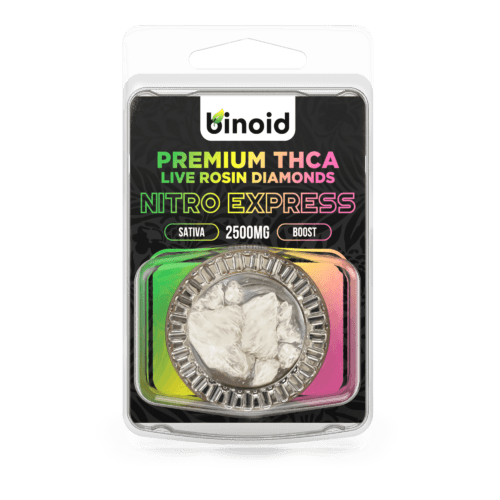
THCA Diamonds 2500mg – Live Rosin
$37.99$59.99 -
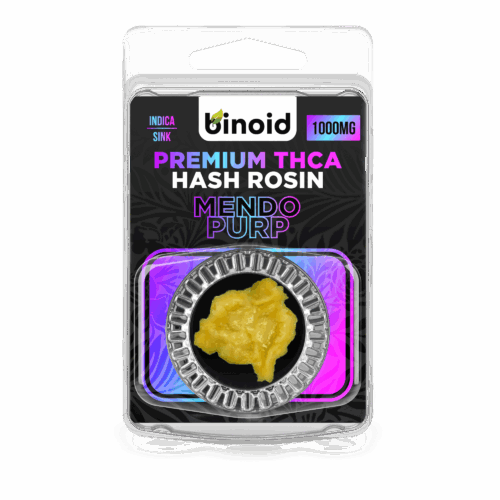
THCA Hash Rosin Dabs – 1000mg
$33.99$59.99