Every few years, the cannabinoid world produces a molecule that sends the enthusiast community into a collective huddle, and right now the huddle is about two compounds with names that sound like rival sports franchises. THC-P and THC-H have become the most discussed novel cannabinoids in the hemp market, and the conversation around them tends to collapse into a single question asked in a single breath: which one is stronger? It is an understandable question, but it is also the least interesting thing about either molecule. The more rewarding story lives in their architecture, in a few carbon atoms that make a surprisingly large difference to how each compound behaves, how it is made, and how it fits into the life of the person choosing it.
This feature is a field guide for the curious adult who wants to understand the THC-H vs THC-P debate on molecular terms rather than marketing ones. We will look at what separates the two structurally, what researchers have actually measured, where the legal and sourcing questions get complicated, and how to think about choosing between them with your own tolerance and temperament in mind. Along the way we will lean on the standards that matter most in this corner of the market, because with compounds this recent, the integrity of the supplier is not a footnote. It is half the decision.
TO BUY THC-H PRODUCTS CLICK HERE
Recommended products
-
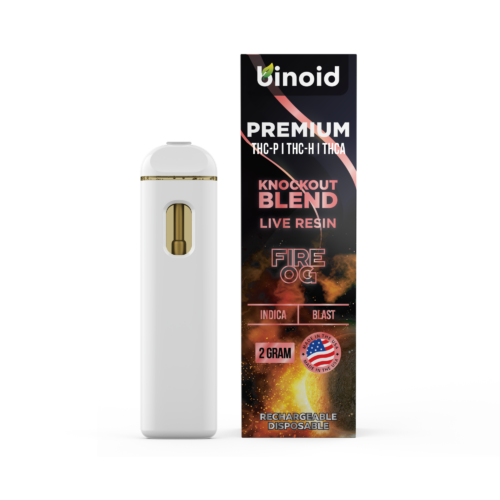
Fire OG Knockout Blend Live Resin Disposable – 2 Gram
$33.99$59.99 -
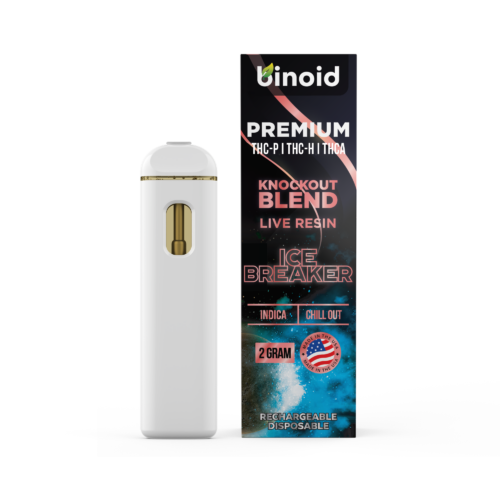
Ice Breaker Knockout Blend Live Resin Disposable – 2 Gram
$33.99$59.99 -
Knockout Blend Gummies
$34.99$59.99 -
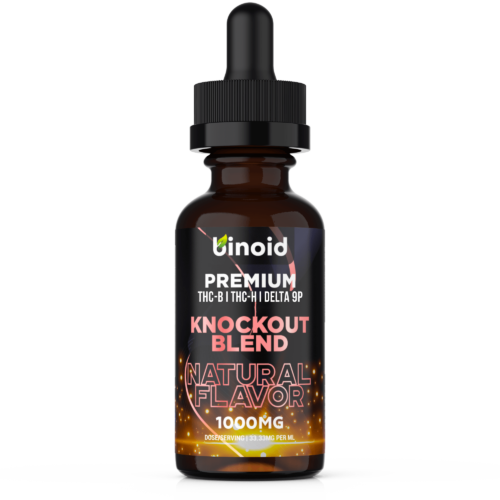
Knockout Blend Tincture – 1000mg
$34.99$59.99

The Anatomy of a Tail
To understand either compound you have to start with the molecule they both imitate. Delta 9 THC, the cannabinoid most associated with the cannabis experience, consists of a ring-based core attached to a short hydrocarbon tail called an alkyl side chain, and in the familiar form of THC that tail is five carbons long. Think of the core as the key’s head and the tail as its shaft: the head gets the key into the right lock, but the shaft shapes how smoothly it turns once inside. THC-H and THC-P are close structural cousins of delta 9 THC that keep the same core while extending the tail, and that single modification is the whole premise of their appeal.
THC-H carries a six-carbon side chain, which is where the “H” for hexyl comes from, while THC-P carries a seven-carbon chain, the “P” standing for heptyl. One extra carbon separates each from the compound it resembles, and one extra carbon separates the two from each other. It sounds almost trivially small, yet in molecular pharmacology small changes to a side chain are well known to alter how tightly a compound can nestle into its receptor target. Researchers noticed this pattern long before the hemp market did, and the tail-length story is the reason these two molecules, rather than any number of other obscure cannabinoids, earned a following.
What the Receptor Actually Notices
The CB1 receptor, a central component of the endocannabinoid system, is the principal site where delta 9 THC does its work, and the interesting question about any THC analog is how well it fits that site. In 2019, a team of Italian researchers publishing in Scientific Reports identified THC-P in cannabis extract for the first time and reported laboratory data suggesting it binds to CB1 with markedly higher affinity than delta 9 THC does. That finding is the origin of nearly every claim you will see about THC-P’s potency, and it is a legitimately fascinating result about molecular binding. Later work by related research groups described THC-H and its cannabidiol counterpart, which helped establish the six-carbon compound as a naturally occurring member of the family too.
Here is where intellectual honesty has to interrupt the hype. Binding affinity measured in a lab dish is not the same thing as the felt experience of a person, and the leap from one to the other involves absorption, metabolism, dose, delivery format, and individual biology. Human experience data on these compounds remains thin, which means that anyone offering a precise multiplier of how much stronger one feels than another is extrapolating, not reporting. What the molecular science supports is a more modest and more useful statement: both compounds are built to engage the same receptor system as delta 9 THC, the longer tails plausibly change how they engage it, and respectful, low-and-slow experimentation is the only sensible way to learn how a given person responds.
There is one more practical point that follows from shared receptor targets. Because THC-H, THC-P, and delta 9 THC all engage the same receptor system, a regular consumer’s existing tolerance does not reset when they switch molecules, and it often carries over in ways that surprise people who assume a new compound means a clean slate. Someone who has spent years comfortably consuming a certain dose of delta 9 THC may find that the same milligram figure from a longer-tailed analog lands differently, and not necessarily in a way that is easy to predict from the label. The sensible habit is to treat every new cannabinoid as a fresh introduction, to begin well below your usual serving, and to let a full session play out before deciding anything about the next one. Patience here is not timidity; it is simply how experienced people avoid an evening they did not plan on having.
Where These Molecules Come From
Both compounds exist in the cannabis plant, but only in trace quantities that would make direct extraction commercially absurd. The products on the market are generally made by taking hemp-derived CBD and converting it through controlled chemistry into the target cannabinoid, a process related to the isomerization techniques that made Delta 8 a household name. The quality of the final distillate depends heavily on the purity of the starting material and the discipline of the conversion, because any residual reagent or reaction byproduct that survives to the finished product is an unwelcome passenger. This is precisely why the sourcing conversation matters so much more here than it does for a bag of flower.
It is the reason a brand like Binoid CBD has built its reputation on domestic hemp sourcing and batch-specific verification rather than on hype about the molecule of the moment. A genuine certificate of analysis from an ISO 17025-accredited laboratory should tell you the actual concentration of the cannabinoid on the label, confirm the absence of heavy metals and residual solvents, and match the batch number printed on your package. When you browse the THC-H and THC-P offerings at Binoidcbd.com, that documentation is the feature worth reading first, because it converts a marketing claim into verifiable fact. With novel cannabinoids, the COA is not paperwork. It is the product’s résumé.
Learning to read that résumé critically is a skill worth developing, because the gaps in a weak one are usually easy to spot once you know where to look. A certificate that is several years old, that comes from a laboratory with no recognizable accreditation, or that reports a total cannabinoid figure without breaking out the individual compounds tells you very little about the product in your hand. A batch number that does not appear on your packaging is a sign that the paperwork may describe a different production run entirely. Brands that make their documentation searchable by batch and easy for a non-specialist to follow are telling you something about how they regard their customers, and that attitude tends to carry through to everything else they do.
Recommended products
-
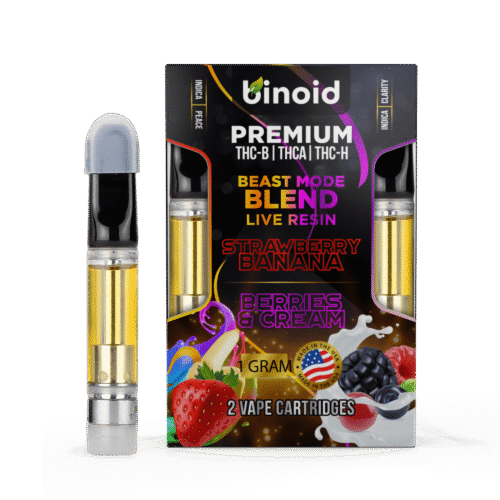
Beast Mode Blend Live Resin Cartridge – 2 Pack Combo (Limited Time Sale)
$40.99$89.99 -
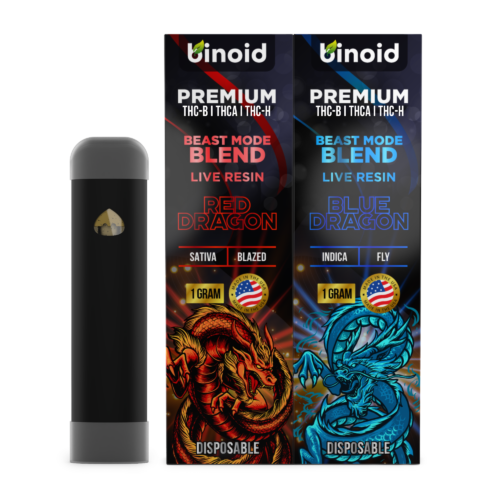
Beast Mode Blend Live Resin Disposable – 2 Pack Combo (Limited Time Sale)
$43.99$89.99 -
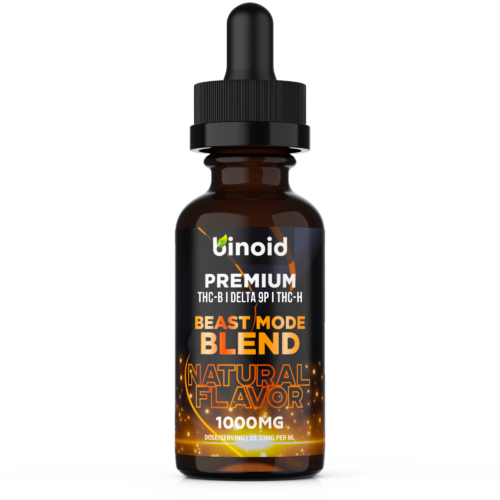
Beast Mode Blend Tincture – 1000mg
$34.99$59.99 -
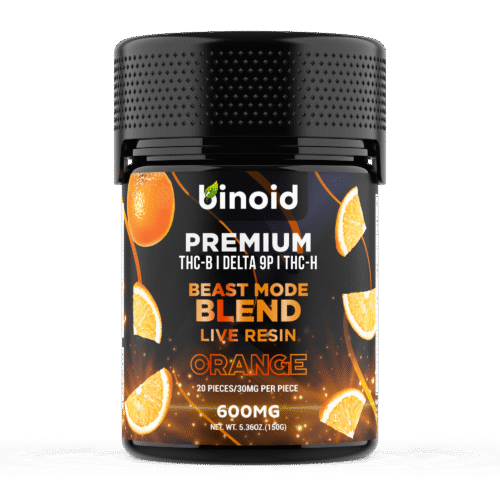
Beast Mode Blend Gummies
$32.99$59.99
The Experience, Described Without Exaggeration
Descriptions of THC-P from experienced consumers tend to emphasize intensity: a faster-feeling arrival, a fuller body presence, and a character that reads as more assertive than the same dose of delta 9 THC would suggest. THC-H, by comparison, is usually described as sitting in a more familiar register, a recognizably THC-like experience with a slightly extended, rounded quality that some consumers prefer for evenings and unhurried social settings. These are anecdotal impressions rather than clinical findings, and they vary with tolerance, setting, and the supporting cast of terpenes in a given formulation. Treat them as the kind of notes a well-traveled friend might offer, useful for orientation but not a substitute for your own calibration.
The supporting cast matters too. Terpenes, the aromatic compounds that give a formulation its scent and flavor, are widely believed by enthusiasts to shape the character of an experience, a notion often discussed under the banner of the entourage effect. The scientific literature on that idea is still developing, and it is wise to hold it with some humility, but the sensory reality is undeniable: a distillate that retains its natural aromatic profile simply tastes and feels more finished than one that has been stripped bare and flavored back in artificially. When comparing two products built on the same cannabinoid, the terpene approach is often what separates a memorable session from a forgettable one.
Delivery format shapes the picture just as much as the molecule does. Inhaled products deliver their effects on a compressed timeline, while an edible must pass through digestion and the liver, where delta 9 THC is converted into the more potent 11-hydroxy-THC, which is why edibles feel slower, longer, and sometimes stronger than their milligram count implies. Layer a high-affinity compound on top of that pharmacokinetic reality and the sensible conclusion is that a first session with either molecule should be small and patient. Experienced consumers learn quickly that waiting is a skill, and with these compounds it is the most valuable one.
Formats and Fit: Choosing How You Meet the Molecule
For most people, the practical entry points are vape products and gummies, and each suits a different temperament. Cartridges and disposables reward the consumer who likes control, since small inhalations let you titrate your experience in real time, and the best formulations preserve terpene character through careful extraction and filling rather than relying on added flavoring to mask a flat distillate. The disposable format in particular has become popular for its convenience and consistency, and a THC-P or THC-H disposable from a transparent brand offers a tidy way to sample the molecule without committing to hardware.
Gummies suit the consumer who values predictability of dose and discretion, provided the formulation is accurately dosed and the batch is verified. Because the onset is slower and the duration longer, an edible is best treated as a plan for an evening rather than a spur-of-the-moment decision, and storing it properly in a cool, dark place protects both its texture and its cannabinoid integrity. The Binoidcbd.com catalog spans both formats and lists the cannabinoid content for each product, which makes it far easier to compare like with like than shopping across brands that bury those numbers. Whichever format you choose, the same logic applies: know your dose, know your source, and give the product time to show you what it does.
Recommended products
-
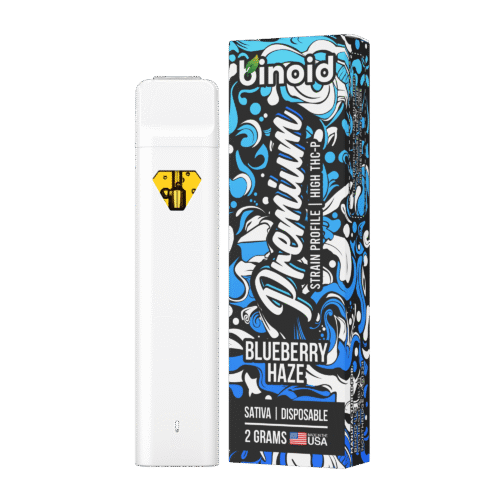
High THC-P 2 Gram Disposable Vape – Strain Series
$41.99$73.99 -
13,000mg Good Luck Gummies
$47.99$79.99 -
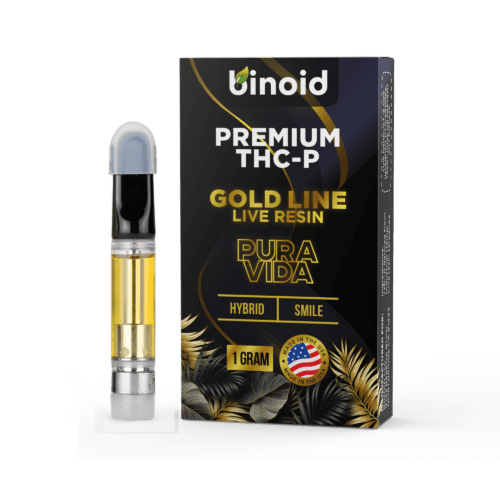
THC-P Live Resin Vape Cartridge – Pura Vida
$31.99$69.99 -
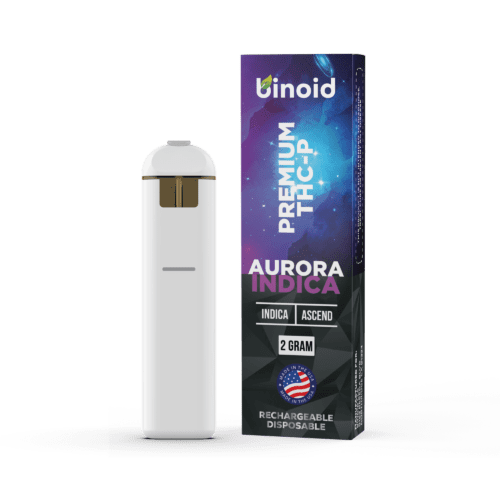
THC-P Rechargeable Disposable – 2 Gram
$31.00$59.99

The Legal Landscape, Plainly Stated
The market for these compounds rests on the 2018 Farm Bill, which federally defined hemp as cannabis containing no more than 0.3 percent delta 9 THC by dry weight and removed it from the Controlled Substances Act. Products derived from hemp-sourced CBD have operated within that framework, but the law was written before anyone was marketing THC-H or THC-P, and its silence on converted cannabinoids has produced genuine debate among regulators, retailers, and attorneys. Reasonable people read the statute differently, and enforcement posture has shifted over time and from one jurisdiction to the next.
For the individual consumer, the practical takeaways are straightforward. State laws vary considerably, and a number of states restrict or prohibit specific hemp-derived cannabinoids regardless of the federal baseline, so a reputable retailer should restrict shipping to compliant locations and be candid about it. The regulatory picture for hemp-derived products is also evolving, which makes it worth confirming current rules where you live before you buy. A brand that treats compliance as an ongoing discipline rather than a one-time claim is signaling the kind of seriousness you want behind a product this new.
A Decision Framework for the Discerning Buyer
If you are weighing THC-H against THC-P, begin with an honest inventory of your own tolerance. Someone whose experience is mostly limited to occasional edibles should treat even a modest dose of either compound with respect, and starting with the gentler-reputed THC-H or with a deliberately small THC-P serving is the sort of restraint seasoned consumers practice automatically. Someone with a long history of regular use and a high baseline tolerance may find that THC-P’s reputation for assertiveness is exactly what they are shopping for, and that THC-H feels like a more settled, everyday choice. Neither preference is superior; they are simply different answers to different questions about how you like your evenings to unfold.
Then audit the source with the same rigor you would apply to the molecule. Read the COA, confirm the accreditation of the lab, match the batch number, and favor suppliers who publish their testing openly, as Binoid CBD does across its range. Buy small before you buy in bulk, store products out of light and heat, and keep a simple record of what you tried and how it felt so your next purchase is informed by evidence rather than impulse. The THC-H vs THC-P question will keep generating heat among enthusiasts for a long time, but the buyer who understands the side chains, respects the dose, and insists on transparent verification will always be several steps ahead of the noise.
To Buy THC-P Products Click Here
Recommended products
-
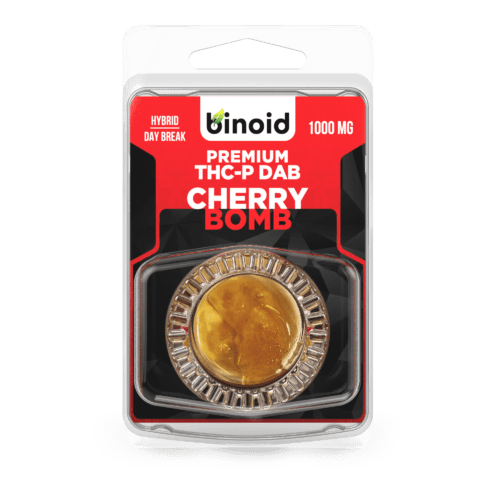
THC-P Wax Dabs
$29.99$57.99 -
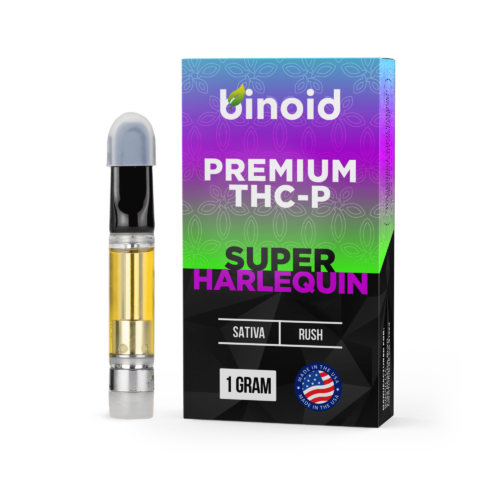
THC-P Vape Cartridge – Super Harlequin
$29.99$59.99 -
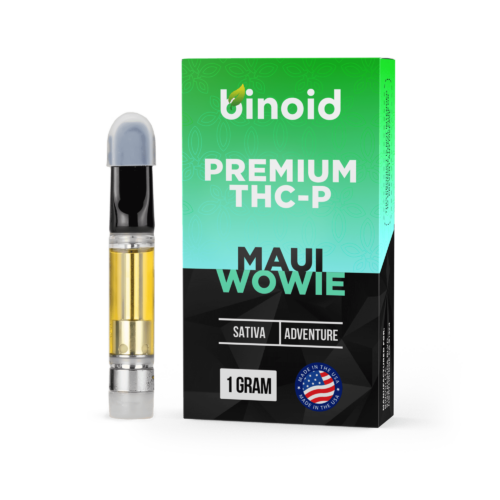
THC-P Vape Cartridge – Maui Wowie
$29.99$59.99 -
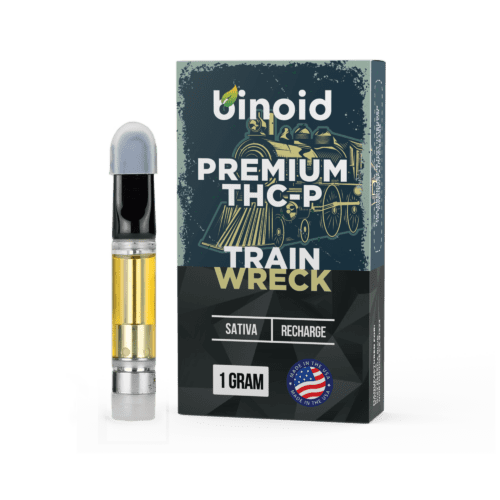
THC-P Vape Cartridge – Trainwreck
$30.99$59.99