The Honest Starting Point
Storage advice usually arrives with an air of certainty, a list of temperatures and humidity percentages delivered as if every compound in the category behaved identically. The EPN cannabinoid, sold as Euphorinol and nicknamed “Super Sativa,” makes that certainty hard to justify. I found no published stability data on the compound, no peer-reviewed research on how it degrades, and no manufacturer documentation describing its shelf life or ideal storage conditions. What exists is a semi-synthetic molecule with an unpublished structure, sold mostly in vape formulations in the materials I reviewed. That means the guidance below is built from the well-established principles of storing cannabinoid products in general, applied with care to a product whose specific behavior nobody has publicly documented. Where a recommendation comes from general practice rather than EPN-specific evidence, the article says so. Binoid CBD has not added Euphorinol to its lineup, but the storage principles the brand shares for its own products apply here in spirit, and the exercise is a useful lesson in how to treat any compound you cannot fully verify.
TO BUY CANNABINOID PRODUCTS CLICK HERE
Recommended products
-
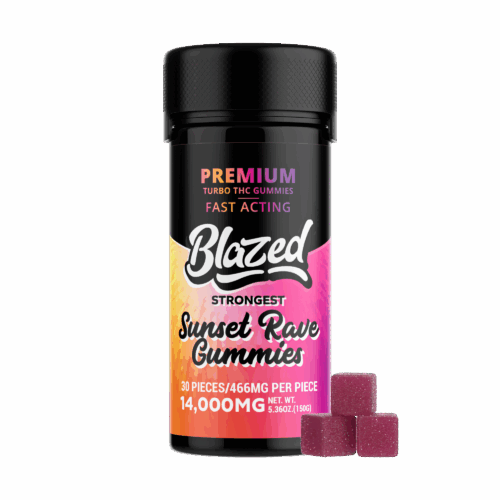
14,000MG Turbo THC Gummies – Blazed
$49.99$84.99 -
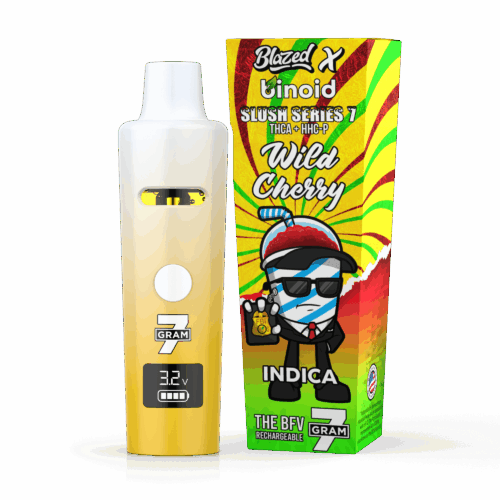
7 Gram THCA Disposable Vape – Slush Series – Blazed x Binoid
$59.99$99.99 -
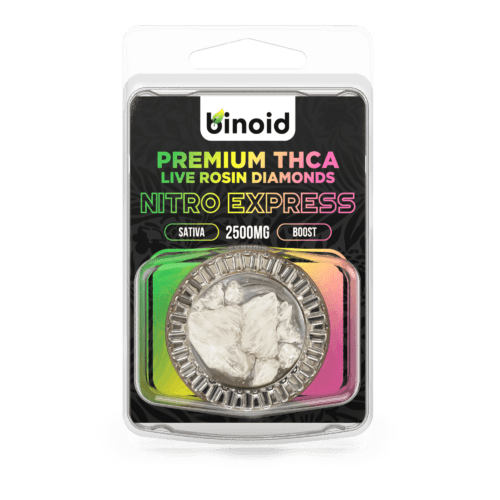
THCA Diamonds 2500mg – Live Rosin
$37.99$59.99 -
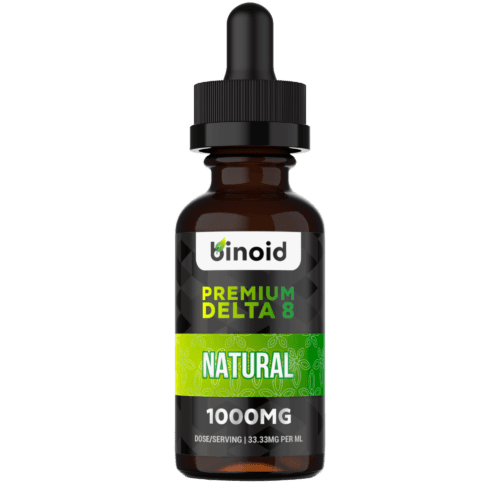
Delta 8 THC Tincture (1000mg, 2500mg, 5000mg)
$25.99$44.99
The Four Enemies of a Cannabinoid Product
The foundation of cannabinoid storage is an understanding of what degrades these products, and the list is short and well documented for compounds like THC. Light is one adversary, because ultraviolet and visible light can break down cannabinoids and alter a product’s character. Heat is another, because warmth accelerates chemical change and drives off the volatile terpenes that give a product its flavor and aroma. Oxygen is the third, slowly oxidizing active compounds into different substances, and humidity is the fourth, mattering most for products whose texture or integrity depends on moisture balance.
For THC specifically, the best-known degradation pathway is a gradual conversion toward CBN, a change that alters the product’s character and is not what the formulator intended. Whether EPN follows an analogous pathway, a different one, or is unusually stable is simply unknown. The sensible response to that uncertainty is the precautionary principle: protect the product from all four enemies as thoroughly as is practical, and treat any deviation from that protection as a risk you are taking with a compound whose behavior has not been characterized. It costs very little to store a product well, and it costs more to discover too late that it was not stable.
What We Don’t Know About EPN’s Stability
It is worth spelling out the gaps, because they shape how cautious the rest of this guide needs to be. I found no information on how long a Euphorinol product remains in good condition, no data on whether the compound is sensitive to light or heat beyond what applies to cannabinoids in general, and no guidance on whether it behaves differently in a vape formulation than in other formats. A semi-synthetic compound can carry impurities from its manufacturing process, and a product’s stability can depend on those impurities as much as on the active ingredient, which is one more reason the quality of the starting hemp and the precision of the conversion chemistry matter.
The certificate of analysis circulated for Euphorinol by one reseller reports 40.42% CBD and 28.50% CBG with no detectable THC. That document describes the hemp material but does not quantify EPN itself, and a certificate also captures a snapshot of a batch at a single moment, not how that batch holds up over months. A buyer who wants to know how long a product will last should ask the seller for the batch date, the testing date, and any stability data they can provide, and should treat the absence of answers as information. When a seller cannot say how long a product keeps, the conservative assumption is that it keeps for a short time.
The Vape Vault: Storing Cartridges and Disposables
Because Euphorinol appears primarily in vape formulations in the materials I reviewed, the most practical storage question is how to keep a cartridge or disposable in good condition. The general guidance for vape products is well established. Store the device upright, with the mouthpiece facing up, so that gravity keeps the oil pooled at the bottom of the tank, away from the mouthpiece, and in consistent contact with the wicking system. This is a matter of viscosity physics, since the oils in these products are thick, slow-moving liquids at room temperature, and orientation influences how they distribute around the heating element.
Storing a device on its side or upside down invites a problem called coil flooding, which happens when oil pools around the heating element instead of being wicked cleanly. The result is a gurgling, uneven pull and the possibility of liquid reaching the mouthpiece, an unpleasant experience that is entirely avoidable. Whether EPN formulations are more or less prone to this than others depends on the viscosity of the specific product, which I cannot assess. The upright rule costs nothing to follow, and it applies to nearly every product of this type regardless of the active compound inside.
Temperature: Steady and Moderate Wins
Heat is the single most common cause of avoidable damage to vape products and most other cannabinoid items, and the practical rule is to keep them at a steady, moderate room temperature, away from heat sources and cold drafts. A cartridge left in a hot car, even for a short time, can lose a meaningful portion of its volatile aromatic compounds, leaving a product that tastes blunter and harsher than the formulator intended, and heat can also thin the oil enough to promote the flooding described above. The same logic applies to windowsills, dashboards, bags left in the sun, and any surface that absorbs ambient heat.
Cold is a more subtle concern. Oils can cloud or crystallize at low temperatures, and rapid cycles of heating and cooling can stress the hardware, since the ceramic or glass components of a cartridge can develop tiny fractures when materials expand and contract at different rates. Refrigeration is generally not recommended for everyday storage, because moving a product in and out of the cold invites condensation, and moisture is precisely what you are trying to avoid. Some guidance suggests that cloudiness in a cartridge can be reversed by gentle warming between the palms, but that advice comes from general experience with distillate and not from anything specific to EPN, so a product that stays cloudy, separated, or otherwise changed deserves caution rather than experimentation.
Recommended products
-
13,000mg Good Luck Gummies
$47.99$79.99 -
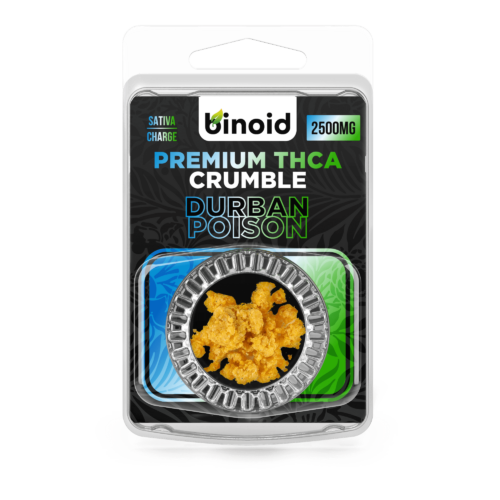
THCA Crumble – 2500mg
$37.99$59.99 -
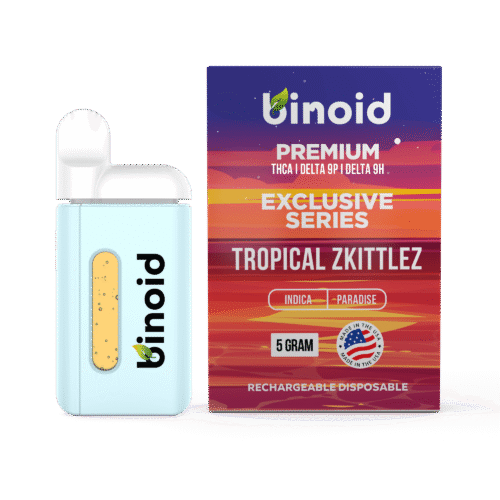
5 Gram THCA Disposable Vape – Exclusive Series
$55.99$89.99 -
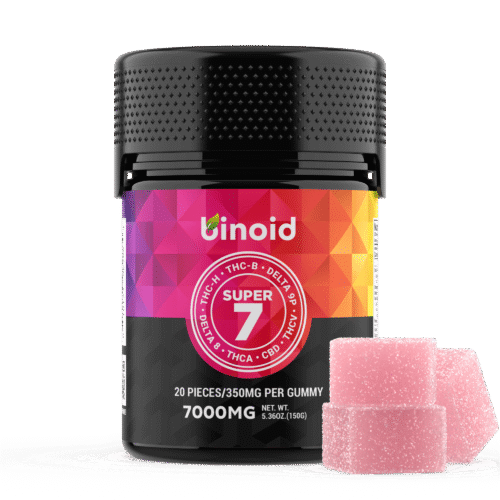
Super 7 Gummies – 7000MG
$39.97$59.99

Light and Darkness
Light exposure is the variable that storage guides most consistently underestimate, and it is among the most efficient drivers of cannabinoid degradation. The practical response is to keep products in darkness, which does not require elaborate infrastructure. The original packaging is usually the best short-term home, because it was designed with the product in mind, and a closed drawer, a cabinet that stays reliably shut, or an opaque box with a lid all work. Clear containers on sunlit shelves are the classic mistake, turning a pantry into a slow-motion degradation experiment.
For people who want a more refined setup, purpose-built storage exists, including UV-blocking glass jars with silicone-sealed lids and wooden stash boxes with interior compartments and locking mechanisms. These serve both functional and aesthetic purposes, and they pair naturally with a thoughtful approach to the whole ritual of consumption. Whether you choose a humble drawer or a handsome box, the principle is the same: if light cannot reach the product, light cannot damage it, and for a compound with unknown photostability that is the safest assumption available.
Airtight Storage and Humidity
Humidity matters most for products whose texture depends on moisture, such as gummies and flower, and for a sealed vape cartridge it is a smaller concern. Even so, the general principle of limiting exposure to fresh air still applies. Every time a container is opened, it admits a charge of ambient air carrying oxygen, moisture, and contaminants, and while a sealed cartridge is protected by its own construction, an opened or unwrapped product benefits from an airtight case. A dedicated case also offers physical protection against knocks and pressure changes that can damage hardware.
For readers who want to go further, two-way humidity control packs, originally developed for the cigar industry, maintain a specific relative humidity inside an airtight container, and the commonly cited target range for cannabis storage is roughly 55 to 62 percent. Those figures were developed for plant material and infused edibles, so they are best understood as a general reference and not as a requirement for a vape formulation. In most temperate indoor environments, ambient humidity sits near that range anyway, and basic airtight storage handles most of the work. Extreme climates, such as very dry high-altitude regions or humid coastal ones, make proactive humidity management more worthwhile.
Working Supply, Reserve Supply, and Good Records
A habit borrowed from the world of fine food and wine preservation translates well to any cannabinoid product. Keep a small working supply in a frequently accessed spot and a separate reserve in sealed, undisturbed storage. The idea is to minimize how often the bulk of your product is exposed to air, light, and temperature swings, and to rotate stock so that older items are used first. For a novel compound with no published shelf life, this habit also keeps you from sitting on a large quantity of something whose longevity is unknown.
Records matter as much as containers. Keep the original packaging, the batch number, the purchase date, and a copy of the certificate of analysis, and note when you opened each product. If a product behaves differently from how it did at first, or if a question arises about its contents, that information is the only way to trace it back to a source. It also gives you a basis for a conversation with the seller, which brings the whole matter back to documentation. A product you cannot trace is a product you cannot fully evaluate, no matter how carefully you store it.
Recommended products
-
Super 7 Gummies – Summer Slush Series
$37.99$49.99 -
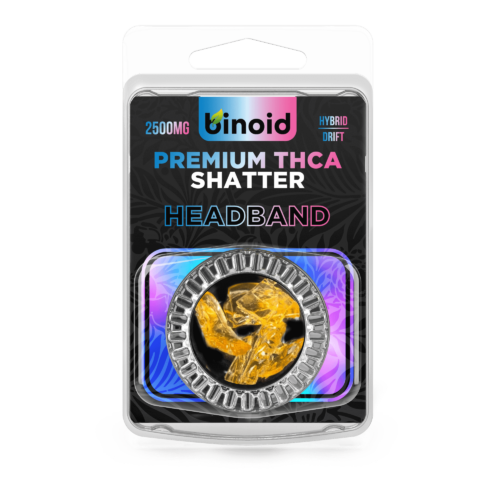
THCA Shatter – 2500mg
$37.99$59.99 -
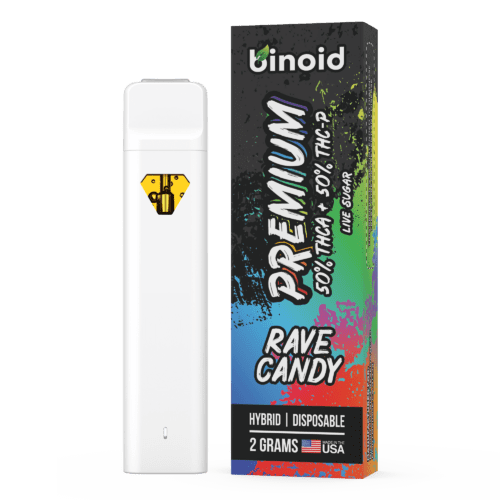
Live Sugar THCA + THC-P Disposable Vape – Pure 50/50
$39.99$69.99 -
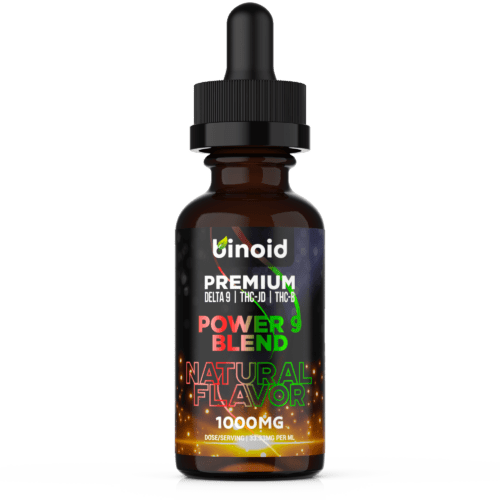
Power 9 Blend Tincture – 1000mg
$34.99$59.99

Safety at Home: Keeping Products Out of the Wrong Hands
Storage is also a safety matter, and the most important point is the simplest. Intoxicating THC products belong where children and pets cannot reach them, which means a locked box, a high cabinet, or another secure spot, not an open drawer or a bag on a counter. Keep products in their original, clearly labeled packaging so that nobody mistakes them for something else, and avoid transferring them into containers that resemble food or drink. Vape hardware adds a few considerations of its own, including batteries that should be kept away from extreme heat and stored apart from loose metal objects, and a device that is damaged, swollen, or leaking should not be used.
If a product ever shows signs that something has gone wrong, such as a strange smell, discoloration, visible separation, mold, or leaking, the conservative choice is to stop using it. For a compound whose stability has not been documented, there is no reliable way for a consumer to judge whether a changed product is safe, and no reason to find out the hard way. Follow local guidance for disposing of vape hardware, which contains batteries and electronics that should not go into ordinary trash. Anyone who has concerns about a possible accidental ingestion by a child or pet should seek appropriate medical or veterinary help promptly.
Holding Product in a Changing Legal Landscape
One further consideration is specific to this moment. Sellers describe Euphorinol as unscheduled under federal law and legal in most states, an argument built on the 2018 Farm Bill’s definition of hemp. Congress rewrote that definition in November 2025, adopting a total-THC standard and excluding cannabinoids not naturally derived from the plant, and recent coverage reports that most of the new restrictions were pushed to December 11, 2026, with cannabinoids the plant cannot naturally produce tied to the original November 12 date, though sources disagree on how lab-converted compounds are sequenced. A semi-synthetic compound appears to be the kind of product those exclusions target, and the Congressional Research Service notes that excluded products would be regulated under the Controlled Substances Act as marijuana.
That bears on storage in a practical way, because a consumer who stockpiles a product whose legal status may change is taking on a risk that no storage technique can reduce. This is not legal advice, and anyone buying, selling, or holding a novel cannabinoid should confirm its current status with qualified counsel and check their state’s rules. The prudent habit is to avoid stockpiling anything whose availability or legality may shift on short notice, and to buy only what you intend to use within a reasonable window.
What Binoid’s Approach Teaches About Storage
The attitude toward storage at Binoidcbd.com is the right model for any product, and it rests on the idea that preservation is the final chapter of the quality story. The brand sources its hemp from domestic, USA-made farms operating under state and federal agricultural oversight, and it publishes batch-specific certificates of analysis from independent, ISO-accredited laboratories, so a consumer starts with a product whose identity and potency are documented. Good storage then protects that documented quality from the moment the box arrives, which is a very different proposition from trying to preserve a product whose contents were never verified.
That contrast is the heart of the matter. Perfect storage cannot fix a product that was compromised before it reached you, and it cannot turn an unverified compound into a verified one. Applied to Euphorinol, that philosophy produces a simple result: the compound is not part of the Binoid catalog, because its identity, potency, purity, and stability cannot yet be confirmed in public. The restraint is not a verdict on the molecule’s future. It is a consistent rule applied to every product, and it is the reason the rest of a catalog can be trusted.
A Decision Framework for Storing a Compound You Can’t Fully Verify
For readers who already have a cannabinoid product and want to handle it sensibly, a short set of principles ties the guidance together. Protect it from light, heat, oxygen, and moisture as thoroughly as is practical, keep vapes upright in a cool, dark, stable spot, and avoid vehicles, windowsills, and temperature swings. Keep the original packaging, batch number, and certificate, note when you opened the product, and use a small working supply while keeping the rest sealed.
Keep everything locked away from children and pets, stop using anything that looks, smells, or behaves differently than it did, and avoid stockpiling a compound whose shelf life and legal status are both uncertain. Above all, remember that storage is a way of preserving quality, not creating it. The most reliable foundation for any cannabinoid experience is a product whose contents you can read, whose origins you can trace, and whose maker stands behind the specifics, and good storage is what keeps that foundation intact.
TO BUY CANNABINOID PRODUCTS CLICK HERE
Recommended products
-
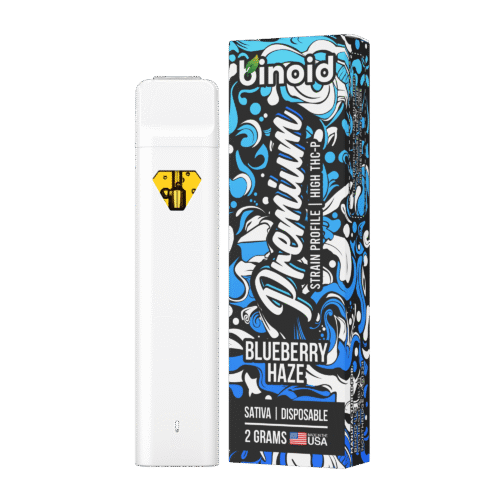
High THC-P 2 Gram Disposable Vape – Strain Series
$41.99$73.99 -
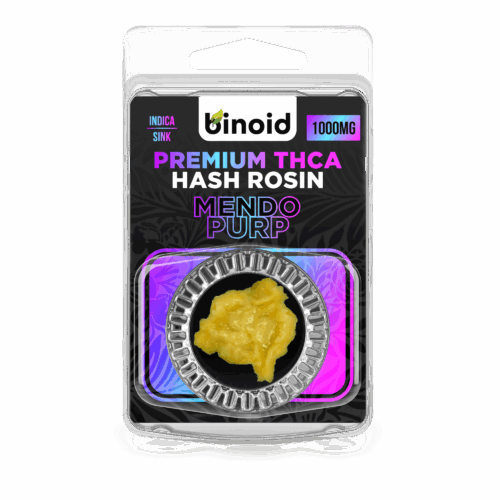
THCA Hash Rosin Dabs – 1000mg
$33.99$59.99 -
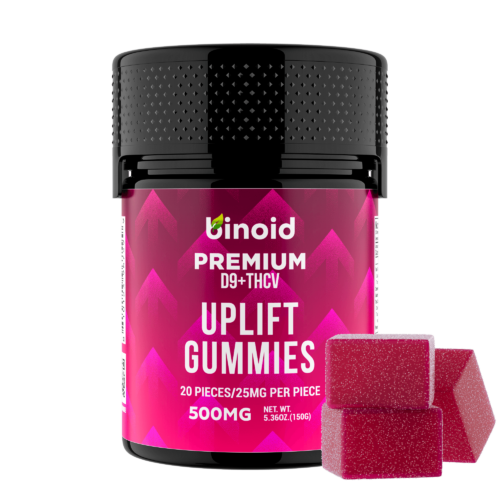
Delta 9 +THCV Gummies- Uplift/Unwind
$29.99$49.99 -
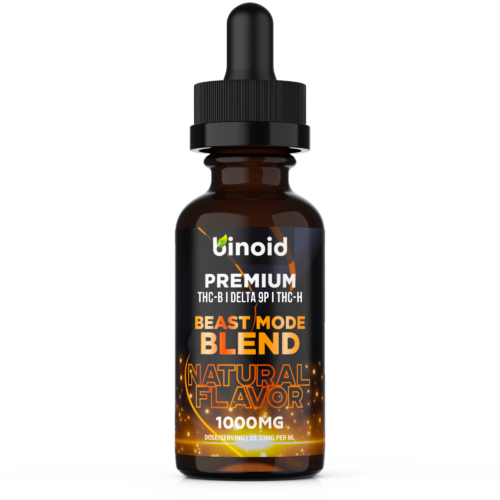
Beast Mode Blend Tincture – 1000mg
$34.99$59.99