Every vaporizer decision eventually collapses into a deceptively simple fork in the road. On one side sits the disposable vape, a sealed, self-contained device that arrives charged, loaded and ready, then retires itself gracefully when the oil runs out. On the other sits the THC cartridge, a small tank of distillate that threads onto a reusable battery and invites you into a slightly more involved relationship with your hardware. The disposable vape vs cartridge debate is not really about which format is objectively better, because that framing misses the point entirely. It is about what you value in the moment you reach for the thing: effortlessness, control, economy, or some negotiated blend of all three.
What makes the conversation more interesting than it first appears is that the two formats share nearly everything that matters at the molecular level. Both rely on a heated coil to turn a viscous cannabinoid oil into an inhalable vapor, and both depend on the same underlying chemistry of distillate, terpenes and carefully chosen cannabinoid blends. The differences live in engineering, ergonomics and economics, which is precisely why they are so easy to oversimplify. This guide walks through each of them with the seriousness of a person choosing a watch rather than a lighter, because the smartest purchases in this category begin with understanding what you are actually buying.
To Buy THC Disposable Vapes Click Here
Recommended products
-
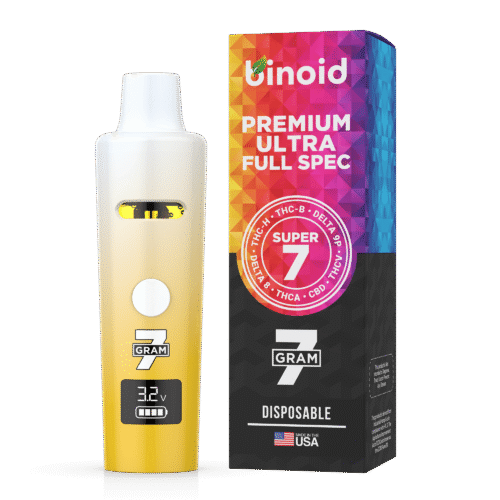
Super 7 UFS Disposable Vape – 7 Gram
$63.99$89.99 -
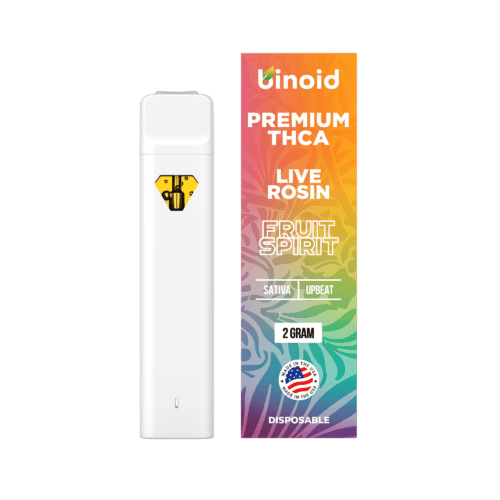
2 Gram THCA Disposable Vapes – Live Rosin
$39.99$73.00 -
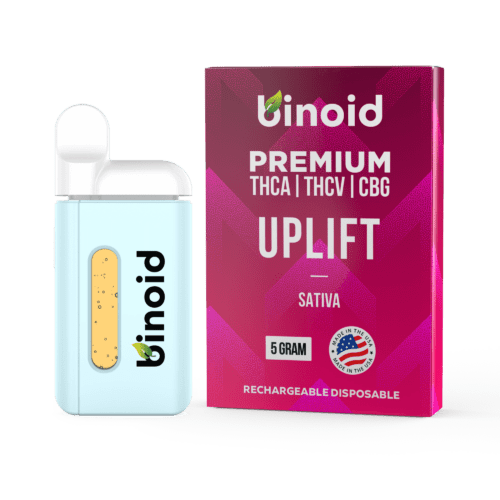
THCV 5 Gram Disposable Vape – Uplift/Unwind
$53.99$69.99 -
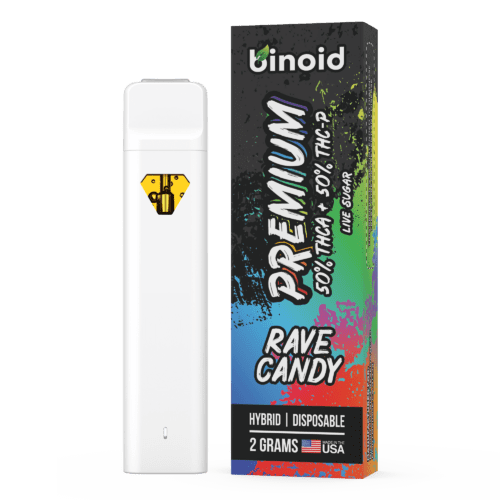
Live Sugar THCA + THC-P Disposable Vape – Pure 50/50
$39.99$69.99
Anatomy of the Two Formats
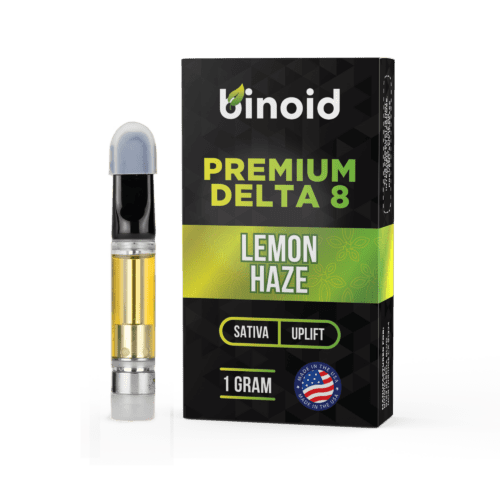
A THC cartridge is, at its core, a modular component. The tank holds distillate, a ceramic or quartz heating element sits at its base, and a threaded connector (most commonly the 510 thread, which became the industry’s unofficial standard) allows it to screw onto a compatible battery. That battery is a separate object entirely, with its own voltage settings, its own lifespan and its own quirks. The result is a system in which you own two things that cooperate: a consumable and a durable. When the oil is gone, the cartridge is spent, but the battery lives on to power the next one.
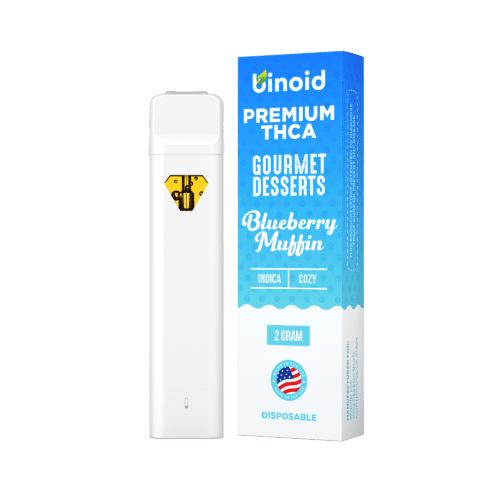
The THC disposable, by contrast, collapses that entire system into a single sealed body. The battery, the coil, the tank and the mouthpiece are manufactured as one unit, and the user never sees a seam. Many modern disposables activate by draw, meaning there is no button to press and no setting to adjust; you simply inhale and the device responds. Others include a small button for deliberate activation, and some of the more advanced designs feature rechargeable batteries that outlast the oil inside, an engineering choice that quietly acknowledges how much perfectly good hardware used to end up in the trash. Understanding this architectural difference is the key that unlocks every other comparison in this article.
The Case for Disposable Convenience
The great seduction of the disposable is that it asks nothing of you. There is no battery to charge ahead of time, no compatibility to verify, no threading to fuss with and no voltage to guess at. You unwrap it, take a draw, and the experience begins. For the traveler, the festival-goer, the person who has never owned a vaporizer and does not particularly want to learn the vocabulary of one, this frictionlessness is not a minor perk but the entire value proposition. It is the same logic that made single-serve coffee pods a household fixture, and it holds up for much the same reason.
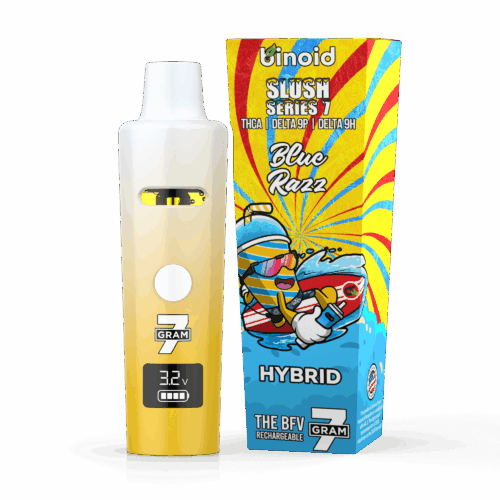
Disposables also deliver a kind of built-in consistency that is genuinely difficult to replicate with a modular system. Because the manufacturer controls the coil, the airflow and the oil as one engineered unit, the device is tuned to perform optimally with its specific distillate from the first draw to the last. The variables that can make a cartridge session feel uneven, such as a battery set too hot or an airflow mismatch, simply do not exist. This is especially relevant for newer cannabinoid blends, where precise heat behavior matters, and it is one reason brands that take formulation seriously, including Binoid CBD, tend to pair their more elaborate distillate profiles with hardware designed around them. The trade-off, of course, is that the device is a closed box: if something about the experience is not to your taste, you cannot adjust it.
The Case for the Cartridge
The cartridge appeals to a different temperament, one that enjoys having a hand on the dial. Because the battery is a separate component, you can often adjust voltage, and that single variable changes the personality of the experience considerably. Lower temperatures tend to preserve the delicate terpene compounds that give a good distillate its aroma and flavor, while higher settings produce denser clouds at the cost of some of that nuance. For the consumer who treats vaping as a craft rather than a convenience, that adjustability is not a gimmick but the whole point.
There is also an environmental and practical argument that deserves its due. A reusable battery means each purchase generates less electronic waste, and it means you can swap flavors and cannabinoid blends without buying new hardware every time. If you enjoy rotating through a rotation of profiles across the week, a single reliable battery and a small collection of cartridges is a tidy, elegant system. The cost of entry is a little more attention: you need to keep the battery charged, make sure the thread type matches, and store the cartridges upright and away from heat so the oil does not flood the coil. None of this is difficult, but it is a ritual, and rituals are only a pleasure for people who enjoy them.
The Economics Beneath the Surface
Price is where the two formats tell the most interesting story, and it rarely points where people expect. A disposable carries the cost of its own battery and housing every single time you buy one, which means you are paying for hardware you will use once. A cartridge, by contrast, isolates the cost of the oil, so over a long enough horizon the per-session expense of a modular system tends to be lower, particularly if you already own a battery you like. The calculation shifts, however, with usage patterns: for an occasional user, the upfront cost of a battery may never be recouped, and the disposable becomes the more economical choice simply because it asks for no investment.
Capacity complicates the picture further. Disposables are commonly sold in a range of sizes, and larger-format devices can hold substantial quantities of oil in a single unit, which changes the math for frequent users. The honest way to evaluate value is to look past the sticker price to the amount of distillate, the strength of the blend and the quality of the hardware housing it. A cheap device built around mediocre oil is no bargain, and a premium device built around exceptional oil is rarely overpriced. The most reliable heuristic is to compare formats on the quality of the lab documentation backing them, which brings us to the part of the decision that most shoppers skip.
Flavor, Vapor and the Role of Hardware
Flavor is where the format debate becomes genuinely sensory. A well-built coil with a consistent temperature curve renders terpene profiles with real clarity, and the difference between a coil operating at its ideal range and one running too hot is the difference between a layered, aromatic draw and something that tastes faintly of toast. Disposables are engineered to hit that sweet spot automatically, while cartridges place the responsibility in your hands, which is either a liberation or a burden depending on your temperament.
The vapor itself is shaped by airflow design, coil composition and the viscosity of the oil, and these factors interact in ways that are easy to underestimate. Ceramic coils tend to deliver clean, even heating, while certain newer designs favor cotton-free wicking to reduce the chance of off-flavors. Live resin and other terpene-forward formulations, including the THCA vape options at Binoid CBD, reward hardware that treats those volatile compounds with care, since the aromatic profile is a major part of what you are paying for. In practice, this means the quality of the device matters as much as the quality of the oil, and the best experiences come from products in which the two were designed together rather than assembled from whatever parts were cheapest.
Sourcing, Lab Testing and Why Both Formats Depend on It
Here is the uncomfortable truth that neither format can escape: a vape is only as trustworthy as the oil inside it and the documentation behind that oil. Because hemp-derived cannabinoid products exist in a market without a single standardized federal testing regime for these specific products, the certificate of analysis, or COA, is the closest thing to an objective quality record a consumer can access. A credible COA comes from an independent, ISO 17025-accredited laboratory, is specific to the batch in your hands and covers cannabinoid potency alongside screening for residual solvents, heavy metals and pesticides.
The legal context matters here as well. The 2018 Farm Bill established the federal definition of hemp, and the products in this category exist because of the specific way that definition was written, which also means regulations continue to evolve and vary by state. A responsible retailer treats compliance as an ongoing discipline rather than a one-time box to check, and that includes shipping only where products may legally go. This is the context in which Binoid CBD’s approach stands out, with batch-specific lab documentation published for its product range and an emphasis on domestically sourced hemp. Whichever format you choose, that paperwork is the part of the purchase you are not supposed to skip. It is also, not coincidentally, the part that does not change based on whether the device in your hand is disposable or modular.
A Decision Framework You Can Actually Use
The cleanest way to choose is to ask yourself three questions in sequence, none of which requires a spreadsheet. First, how often will you actually use the device? If the answer is occasionally, or if you are still exploring the category, the disposable’s zero-commitment design is almost certainly the right fit, because you avoid paying for hardware you may never grow fond of. If the answer is regularly, the long-term economics of a reusable battery begin to make a persuasive case for the THC cartridge.
Second, how much do you care about control? Some people want to customize their experience, adjust their temperature and fine-tune each session to the profile they are drinking in, and for them the cartridge and its adjustable battery are a natural home. Others find that kind of tinkering exhausting and would rather trust a manufacturer’s tuning, in which case a well-made disposable removes the burden entirely. Neither preference is superior; they are simply different relationships with technology, and the right choice is the one that matches yours.
Third, and most importantly, how much do you trust the source? Set aside format, flavor and price for a moment, and ask whether the brand can show you recent, batch-specific, third-party results for the exact product you are considering. Treat that as the non-negotiable foundation, then let your preferences about convenience and control decide the rest. The disposable vape vs cartridge question has no universal winner, but it does have a right answer for each person, and finding it is a matter of knowing yourself and demanding transparency from whoever is selling to you.
To Buy THC Vape Cartridge Click Here
Recommended products
-
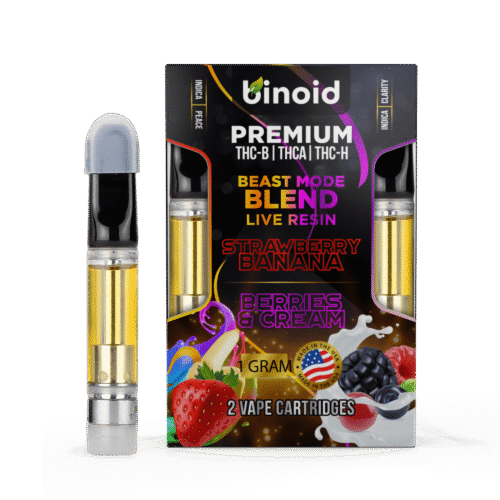
Beast Mode Blend Live Resin Cartridge – 2 Pack Combo (Limited Time Sale)
$40.99$89.99 -
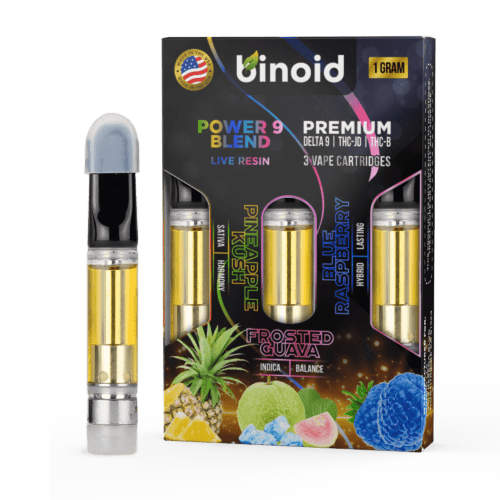
Power 9 Blend Live Resin Vape Cartridges – 3 Pack Combo
$54.99$89.99 -
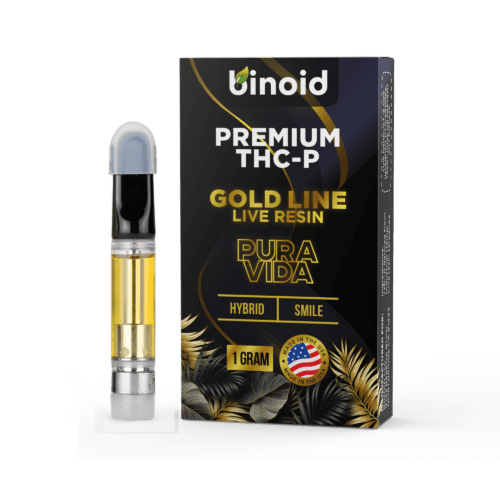
THC-P Live Resin Vape Cartridge – Pura Vida
$31.99$69.99 -
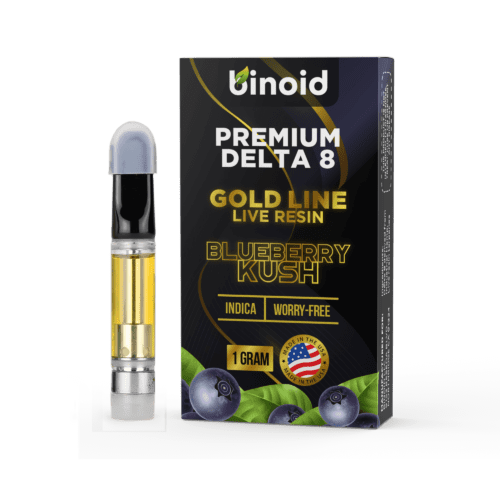
Delta 8 Live Resin Vape Cartridge – Blueberry Kush
$26.99$59.99