The Wild West Isn’t a Metaphor Anymore, It’s a Business Model
There is a particular kind of vertigo that sets in the first time a curious consumer types “buy THC products online” into a search bar and watches the results multiply into the thousands. Storefronts bloom and vanish with the same casual impermanence as pop-up restaurants. Product descriptions promise potency figures that seem to defy the laws of plant biology.
Reviews appear suspiciously uniform in their enthusiasm, written in a cadence that feels less like human satisfaction and more like a template someone filled in between other tasks. This is the reality of the hemp-derived cannabinoid marketplace in its current, still-maturing form: a category operating under real federal legal cover, doing real and often excellent chemistry, and yet still largely unpoliced by the kind of consumer-protection infrastructure that governs, say, buying a bottle of wine or a package of over-the-counter medication. Knowing how to navigate that landscape isn’t a nice-to-have skill anymore. It is the entire game.
The purpose of this guide is not to frighten anyone away from a category that has produced genuinely remarkable products, extraordinary formulation science, and a level of consumer choice that simply didn’t exist a decade ago. It is to arm the reader with the specific, practical literacy required to separate the brands doing this work with integrity from the ones treating the internet as an unsupervised warehouse. Buying THC products online safely is less about paranoia and more about pattern recognition — learning to read the signals that separate Binoid CBD and its peers among the industry’s more rigorous operators from the anonymous storefronts assembling inventory from whichever supplier offered the lowest price that week.
TO BUY THC PRODUCTS CLICK HERE
Recommended products
-
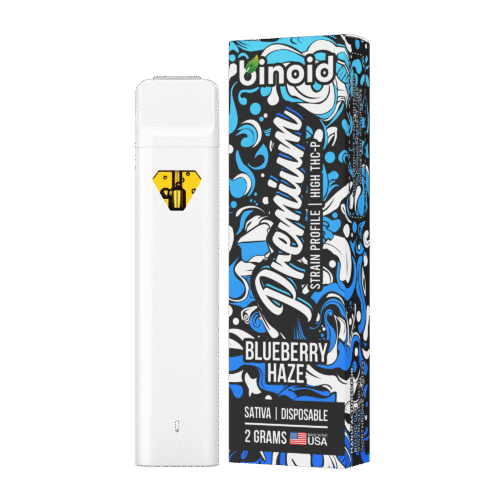
High THC-P 2 Gram Disposable Vape – Strain Series
$41.99$73.99 -
Super 7 Gummies – Summer Slush Series
$37.99$49.99 -
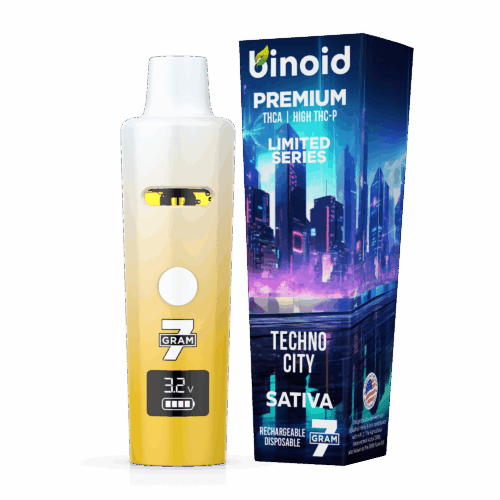
7 Gram THCA + High THC-P Disposable Vape – Limited Series
$67.99$109.99 -
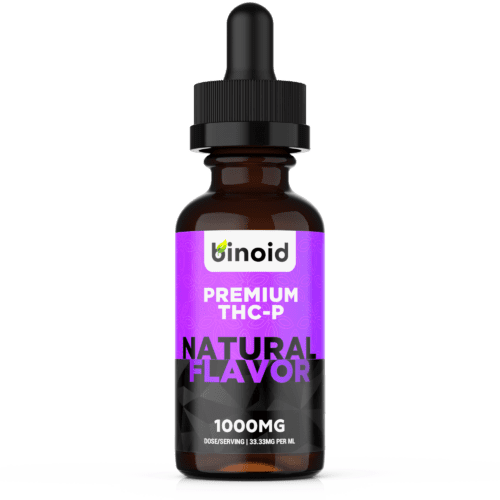
THC-P Tincture – 1000mg
$30.99$79.99

Start With the Paper Trail, Not the Packaging
Packaging is designed to sell. It is glossy, considered, occasionally gorgeous, and it tells you essentially nothing about what is actually inside the container. The document that tells you what’s inside is the certificate of analysis, commonly abbreviated as the COA, and any conversation about buying THC products online safely has to begin here because everything else is secondary to it. A COA is a laboratory report generated by an independent, third-party facility that has tested a specific batch of product for cannabinoid potency, residual solvents, pesticide residue, heavy metals, and microbial contamination. It is, in effect, the only objective evidence available to a consumer that a product contains what the label claims and is free of the things nobody wants to ingest.
Not all COAs are created equal, and this is where a slightly more sophisticated read becomes necessary. The gold standard is a report from a laboratory holding ISO 17025 accreditation, a designation that requires demonstrated technical competence, calibrated equipment, and participation in interlaboratory comparison programs that validate the accuracy of the results being reported. A COA from an unaccredited lab, or one that lists only cannabinoid potency without a full contaminant panel, tells you considerably less than it appears to at first glance. The date matters too. A reputable brand publishes COAs tied to specific batch numbers, updated as new production runs come through, rather than recycling a single flattering report across an entire product line indefinitely. On Binoidcbd.com, this documentation sits a click away from every listing, organized by batch and searchable rather than buried in a PDF nobody was ever meant to actually open.
The Compliance Question: Understanding What “Legal” Actually Means Here
The legal architecture underpinning the entire hemp-derived THC market traces back to the 2018 Farm Bill, which federally legalized hemp as an agricultural commodity defined as cannabis containing no more than 0.3% delta 9 THC by dry weight. This single clause is the reason an enormous and legitimate online market for hemp-derived THC products exists at all, and understanding it changes how a consumer should evaluate any given storefront. A brand operating within this framework should be able to articulate, clearly and without evasion, how its products comply — not as defensive legal boilerplate buried in a footer, but as an actual part of how it talks about what it sells. If a site is cagey about compliance, vague about its testing protocols, or silent on where its hemp is sourced, that silence is informative in its own right.
State-level regulation adds a second layer that responsible retailers have to actively manage rather than ignore. Some states restrict or prohibit specific hemp-derived cannabinoids regardless of federal legality, which means a genuinely compliant operation maintains dynamic shipping restrictions and updates them as state law evolves, rather than shipping identical inventory to every address in the country without regard for local statute. This is expensive, logistically demanding, and precisely the kind of infrastructure investment that separates an established operator from a storefront that spun up last month with a dropshipping arrangement and a Shopify template. When a retailer geo-restricts a product at checkout because your state doesn’t permit it, that friction is, counterintuitively, a good sign. It means someone is actually paying attention.
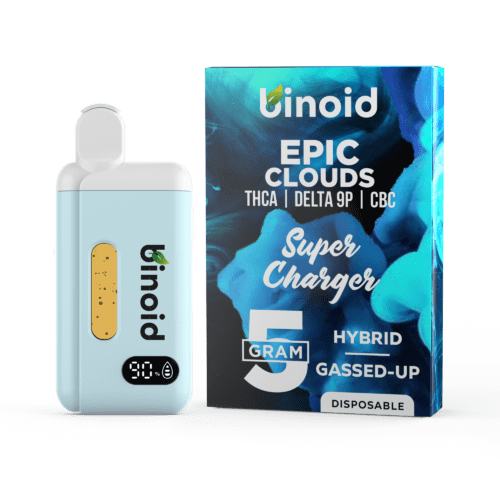
Reading a Storefront Like a Forensic Accountant
Beyond the COA and the compliance language, there is a broader set of signals worth training your eye to notice, because the overall texture of a website tells you a great deal about the operation behind it. Contact information that resolves to an actual company — a real address, a responsive customer service channel, a return policy that doesn’t hide behind circular language — is a baseline expectation, and its absence should be treated as disqualifying rather than a minor inconvenience. THC product descriptions that reference specific extraction methods, specific cannabinoid concentrations, and specific terpene profiles suggest a brand that actually understands its own formulations at a technical level, as opposed to one recycling generic marketing copy across dozens of SKUs that may or may not have meaningfully different contents.
Price is a signal too, though not in the direction most people assume. The instinct to chase the lowest price point in a category where margin gets squeezed by rigorous testing, quality sourcing, and compliance infrastructure is understandable, but it is worth sitting with the uncomfortable math for a moment. Independent, ISO-accredited laboratory testing costs money. Domestically sourced hemp, grown under agricultural oversight frameworks and irrigated with water meeting established quality standards, costs more than biomass produced under looser international conditions. A THC product priced dramatically below the category average has to be cutting a corner somewhere, and the corners available to cut are rarely cosmetic. This doesn’t mean the most expensive option is automatically the best one — it means price deserves to be read in context, as one data point among several, rather than treated as the deciding factor.
The Vape and Concentrate Category Deserves Extra Scrutiny
Certain product formats carry elevated risk when sourced carelessly, and vape cartridges sit near the top of that list. Because vape hardware introduces a heating element into direct contact with the product, contaminants that might be merely undesirable in a tincture or a gummy become considerably more consequential when vaporized and inhaled. A trustworthy vape retailer tests not just for cannabinoid potency but for the presence of cutting agents, thinning agents, and heavy metals that can leach from poorly manufactured cartridge hardware under heat. This is an area where the gap between careful and careless brands widens dramatically, and it is also an area where Binoid CBD‘s approach to sourcing — domestic hemp, supercritical CO2 extraction, live resin formulations that preserve terpene integrity — reflects the kind of category-specific rigor that generic marketplace listings simply don’t provide visibility into.
Concentrates carry a parallel version of this scrutiny requirement. Because products like THCA diamonds or live resin extracts represent such a concentrated form of the plant’s chemistry, any contamination present in the starting material becomes proportionally magnified in the finished product. A consumer shopping this category online should look specifically for batch-tested concentrate listings with potency figures that make agronomic sense — claims that sound implausibly high relative to what’s achievable through legitimate extraction should prompt skepticism rather than excitement. The most reliable heuristic remains consistent across every format: if a brand cannot or will not show you the paperwork behind a specific batch, that absence tells you what you need to know.
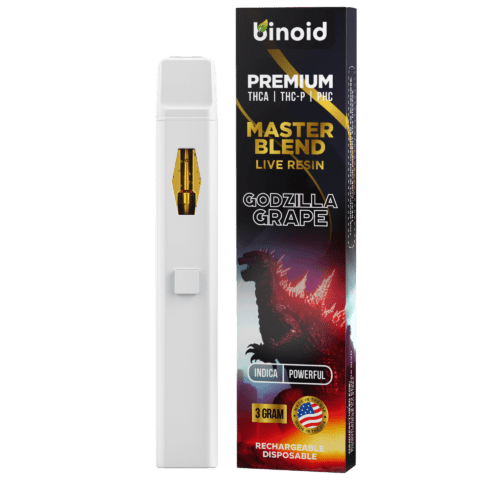
Shipping, Age Verification, and the Infrastructure of a Serious Operation
The mechanics of how an online THC retailer actually gets a product to your door reveal a surprising amount about how seriously that retailer takes its legal and ethical obligations. Robust age verification at checkout — not a simple date-of-birth field that anyone can falsify in three seconds, but a genuine verification process — is table stakes for a responsible operation, because hemp-derived THC products are formulated and marketed for adult consumers, and a brand that treats age-gating as an afterthought is signaling something troubling about its broader priorities. Discreet, well-insulated packaging matters too, both for privacy and for product integrity, since certain formats, particularly gummies and beverages, are genuinely sensitive to temperature swings during transit.
Return policies and customer service responsiveness round out the picture, and they matter more than most first-time buyers anticipate. A brand confident in its testing and its formulation has no reason to make returns difficult or customer service inaccessible, because it isn’t hiding anything that a closer look would expose. Reading through a handful of customer service interactions, whether via reviews or direct outreach before a purchase, often surfaces the clearest signal of all: does this operation behave like a company that expects to still be here in five years, or like one extracting maximum short-term revenue from an unregulated moment before regulation inevitably tightens?
Building Your Own Vetting Ritual
The consumer who internalizes all of this doesn’t need to relitigate every purchase decision from scratch each time. What emerges, with a little practice, is a repeatable vetting ritual: check for a current, batch-specific COA from an ISO 17025-accredited lab; confirm the brand speaks clearly about 2018 Farm Bill compliance and manages state-level shipping restrictions appropriately; read THC product descriptions for the kind of specificity that only comes from genuine formulation knowledge; treat unusually low prices as a prompt for scrutiny rather than celebration; and evaluate the surrounding infrastructure — age verification, shipping practices, customer service — as evidence of an operation built for the long term rather than a fast exit.
None of this requires a chemistry degree or an unreasonable amount of time. It requires the same kind of informed skepticism that a careful consumer already applies to other categories where quality and safety genuinely vary — supplements, skincare, specialty foods — extended to a plant-derived product category that happens to be newer and less familiar. Brands like Binoid CBD have built their entire public-facing identity around making that vetting process easy rather than adversarial, publishing the documentation, describing the sourcing, and maintaining the compliance infrastructure that lets a curious buyer verify rather than simply trust. In a marketplace this large and this uneven, that transparency is not a marketing flourish. It is the actual foundation of a safe purchase, and it is the standard every serious buyer should learn to demand before a single item reaches their cart.
TO BUY THC PRODUCTS CLICK HERE
Recommended products
-
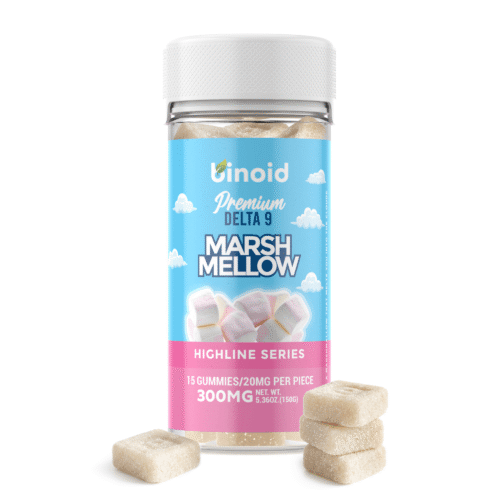
Delta 9 THC Marshmellow
$39.99$49.99 -
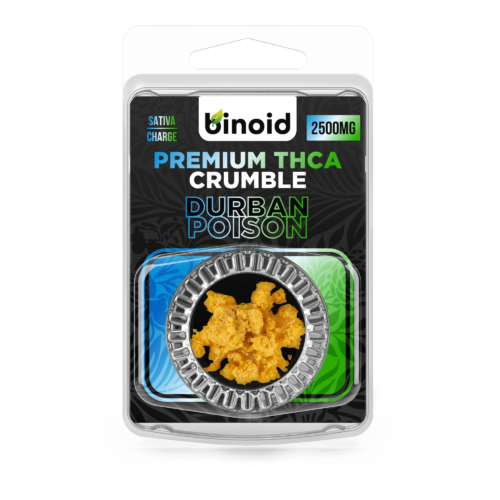
THCA Crumble – 2500mg
$37.99$59.99 -
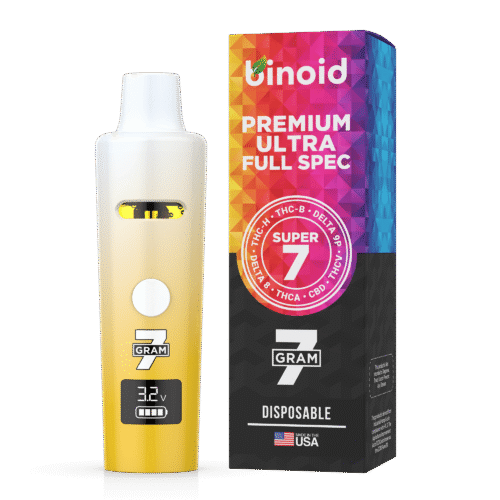
Super 7 UFS Disposable Vape – 7 Gram
$63.99$89.99 -
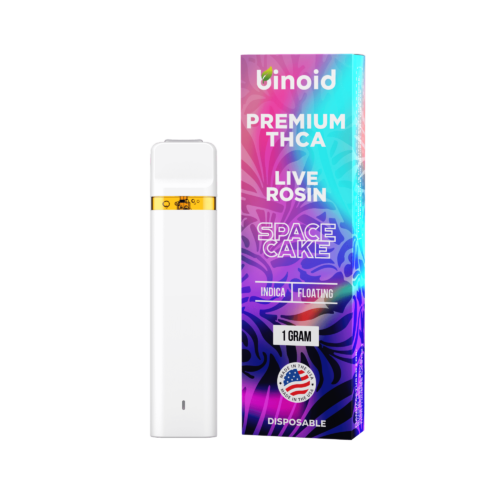
1 Gram THCA Disposable Vapes – Live Rosin
$32.99$67.99