The New Anatomy of an Informed Purchase
There is a particular kind of paralysis that sets in the first time a genuinely curious adult decides to buy THC products online and opens a browser tab to begin the process. The market, to put it charitably, does not make things easy. Thousands of brands. SKU counts that rival mid-sized pharmacies. Labels adorned with molecular diagrams and wellness vocabulary that sounds authoritative until you realize it has been essentially copied and pasted across the entire industry.
The visual grammar of premium and the actual substance of premium have, in the hemp-derived cannabinoid space, become almost completely decoupled which means the consumer who navigates this landscape on aesthetics alone is making an expensive and occasionally risky mistake. What the space desperately needs and what this guide intends to provide is a framework for purchasing that is rooted in molecular reality, supply chain accountability, and the kind of product-by-product intelligence that separates a genuinely informed buyer from someone who is simply hoping for the best.
The company that has, more than any other, made that framework visible and accessible is Binoid CBD, operating through its flagship marketplace at BinoidCBD.com. To understand why that statement is defensible rather than just marketing language in a different register you have to understand what most brands operating in this space are quietly getting wrong, and why the infrastructure that Binoid has built around sourcing, formulation, third-party verification, and consumer education constitutes a genuinely different model rather than a better execution of the same one.
TO BUY THC PRODUCTS CLICK HERE
Recommended products
-
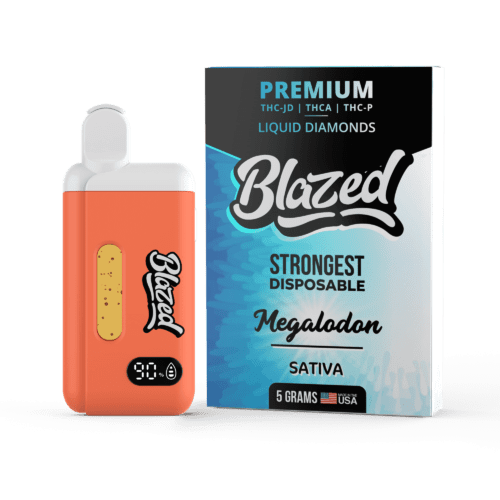
5 Gram Disposable – Blazed
$51.99$79.99 -
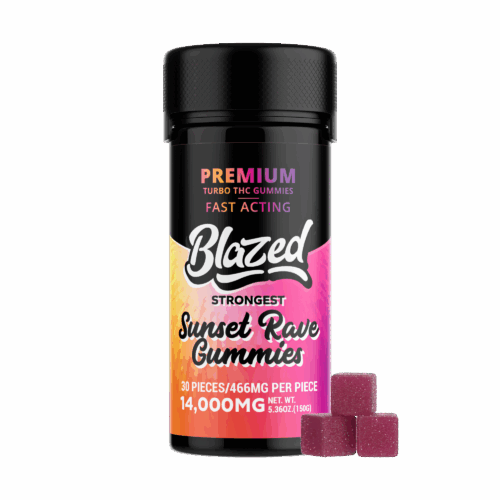
14,000MG Turbo THC Gummies – Blazed
$49.99$84.99 -
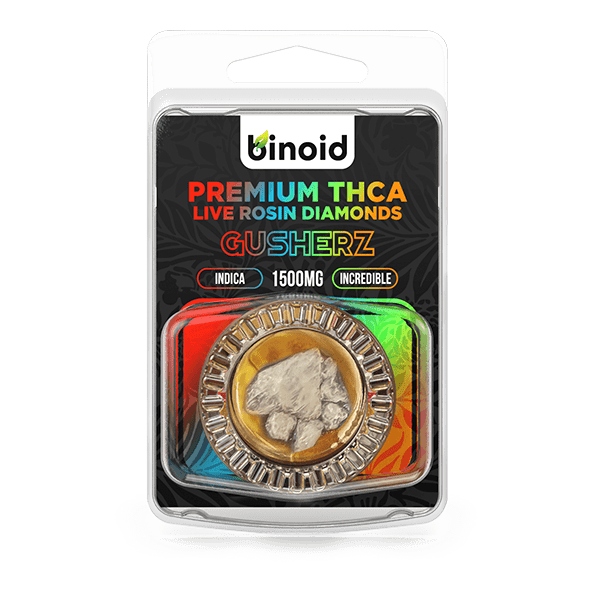
THCA Diamonds 1500mg – Live Rosin
$30.99$59.99
What You Are Actually Buying: The Molecular Foundation
Every product available when you buy THC products online every gummy, cartridge, tincture, disposable, concentrate, or seltzer begins as a plant. Specifically, as industrial hemp cultivated in specific soil, under specific atmospheric conditions, with specific agricultural inputs applied throughout the growth cycle. Hemp is a bioaccumulator: a plant with a remarkable and well-documented capacity to absorb compounds from its growing environment, including not just the nutrients that support healthy development but also heavy metals, pesticide residues, industrial pollutants, and whatever else happens to be present in the soil and water supply feeding the crop.
This biological characteristic made hemp genuinely useful for decades as a phytoremediation tool planted deliberately in contaminated industrial sites to pull toxins from the ground. That same property carries complicated implications for any brand using hemp biomass as a raw material for human consumption products, and it is the single most underappreciated risk factor in the entire online THC product market.
The conversion of the plant’s native compound, THCA, into the delta-9 THC that produces the experiences consumers are seeking requires a thermal event called decarboxylation the cleaving of a single carboxyl group from the THCA molecule at temperatures above approximately 220°F. This reaction is instantaneous in a flame, gradual in an oven, and somewhere between when a quality vaporizer coil does its work. What it means practically is that the THCA flower sitting in its legal, compliant state can test well below the federal 0.3% delta-9 threshold while containing cannabinoid concentrations sometimes 20% THCA or higher entirely comparable to the most potent material available in state-licensed dispensaries. The molecular science is not a technicality. It is the entire architecture of what makes the modern hemp-derived THC market possible and what makes sourcing integrity non-negotiable.
Binoid CBD has built its entire product ecosystem on domestically sourced, USA-farmed hemp, and this is not a nationalistic marketing posture it is a foundational quality decision rooted in exactly these agricultural realities. American hemp cultivators operate under regulatory frameworks established through the 2018 Farm Bill and enforced by state agricultural departments and USDA oversight structures that have no meaningful equivalent in most international hemp-producing regions. The licensed domestic grower faces requirements governing pesticide application, soil testing, crop testing for THC compliance, and record-keeping that create genuine accountability. The imported biomass flowing into unverified offshore supply chains arrives with none of that documentation and the finished products derived from it carry risks that even sophisticated consumers routinely fail to appreciate until a third-party lab report tells them something alarming.
Reading the Room: What the Certificate of Analysis Actually Tells You
The Certificate of Analysis the third-party laboratory document that should accompany every product sold by every brand operating in the hemp-derived cannabinoid space is the closest thing this market has to an objective quality verification system, and most consumers do not know how to use one. A COA from an ISO 17025-accredited, independent laboratory provides a detailed molecular inventory of a specific product batch: the exact concentrations of each cannabinoid present, the results of heavy metal screening, the findings of pesticide and residual solvent analysis, and the microbiological testing that confirms the product is free of harmful biological contaminants. For the consumer who knows how to read one, a COA is an extraordinarily informative document a biography of a product’s molecular composition that either validates or undermines every quality claim the brand has made on its packaging.
The critical questions to ask of any COA are not just what it shows but who produced it and when. A certificate from an accredited laboratory carries considerably more weight than one from an unaccredited facility, because accreditation requires demonstrated technical competence, equipment calibration standards, and interlaboratory comparison participation that validate the accuracy of the reported results. A COA that reflects a recent production batch is more relevant than an old certificate being applied to new runs that may have different characteristics.
And a COA that is readily accessible, searchable by batch number directly on the brand’s website, and structured in a format that a non-specialist can navigate signals that the brand is treating laboratory transparency as a genuine consumer resource rather than a box-checking compliance exercise. When you buy THC products online from Binoid, every product in the catalog is accompanied by exactly this kind of batch-specific documentation covering cannabinoid potency, terpene profiling where applicable, and a full panel of safety analytes accessible directly on BinoidCBD.com without friction.
Recommended products
-
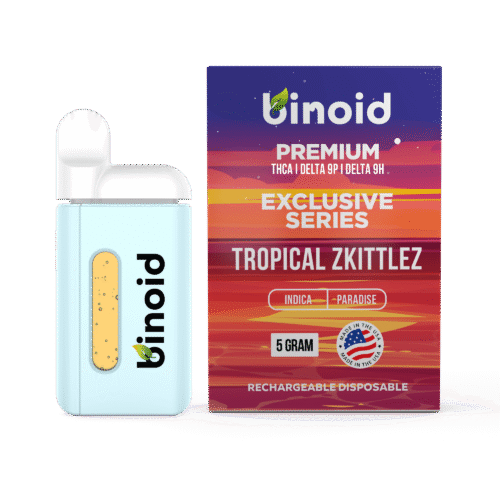
5 Gram THCA Disposable Vape – Exclusive Series
$55.99$89.99 -
13,000mg Good Luck Gummies
$47.99$79.99 -
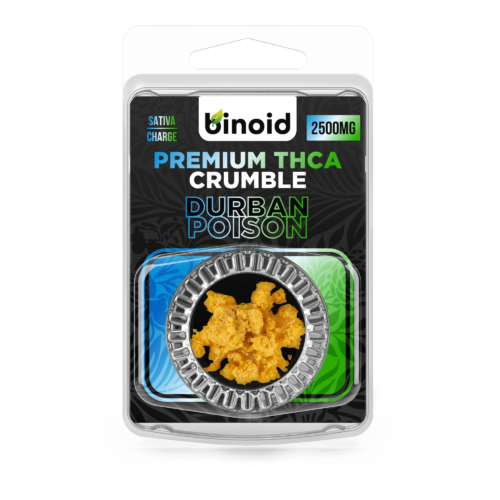
THCA Crumble – 2500mg
$37.99$59.99 -
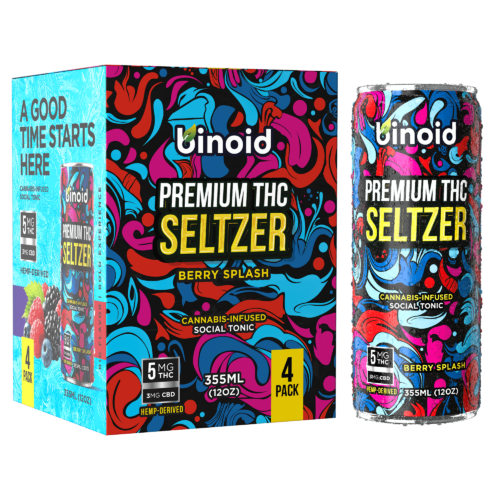
THC Seltzer – Good Vibes Cannabis Drink (4 Pack)
$19.99$29.99

Flowers, Diamonds, and Everything in Between: The Full Binoid Product Ecosystem
The range of products available through BinoidCBD.com represents one of the more striking examples of how rapidly a market can mature when consumer demand intersects with genuine formulation expertise. THCA flower remains the foundational format harvested, cured, and sold in a state that is compliant by the letter of federal hemp law, yet capable of delivering a full-spectrum cannabis experience the moment flame or vapor heat initiates decarboxylation. The quality variance within this category is enormous, and it is here that sourcing decisions carry the most weight.
Poorly cultivated or improperly cured THCA flower presents with harsh smoke, uneven cannabinoid distribution, and terpene profiles that have degraded well past their expressive peak. Binoid’s sourcing relationships prioritize indoor-cultivated material, where precisely controlled light spectra, humidity gradients, and nutrient programs consistently produce superior trichome density, terpene preservation, and visual appeal compared to greenhouse or outdoor alternatives.
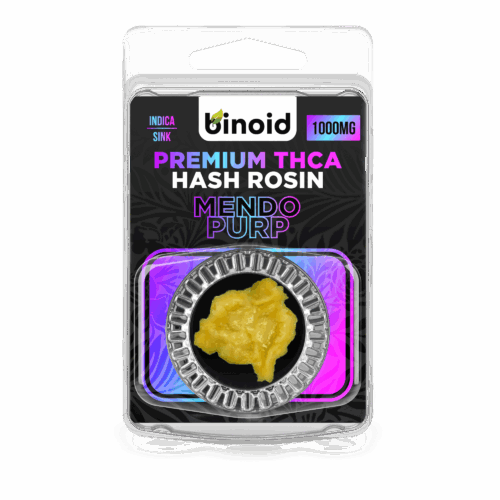
Beyond flower, the THCA concentrate category at BinoidCBD.com has emerged as the domain of the experienced connoisseur. THCA diamonds crystalline structures of nearly pure tetrahydrocannabinolic acid that form through a controlled nucleation process in hydrocarbon or solventless extraction environments represent the highest-potency expression of the compound available on the legal hemp market. A single gram of premium THCA diamonds can test at 95% THCA or higher, meaning that upon decarboxylation, the consumer is engaging with an almost pharmaceutically concentrated form of delta-9 THC.
This is not a product for the uninitiated it is a product for the experienced consumer who understands their tolerance, respects the potency gradient, and values the architectural purity of a compound stripped of everything except its essential molecular identity. Binoid has positioned itself as a destination for exactly this consumer, offering concentrate formats alongside detailed product education that respects the intelligence of its audience.
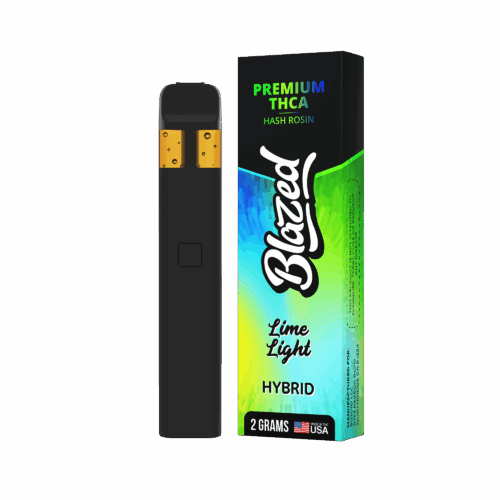
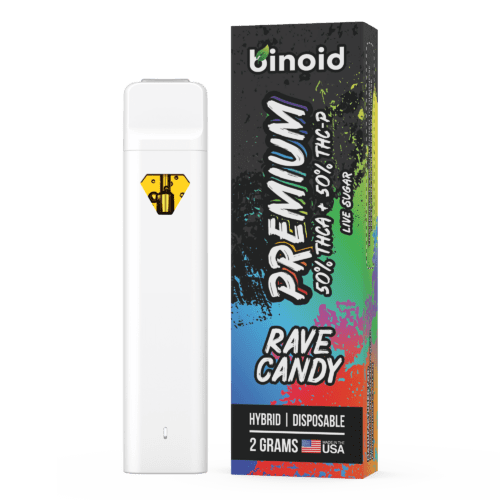
THCA vape cartridges and disposables occupy a middle ground that has proven enormously popular across the Binoid catalog convenient, discreet, and consistent in a way that flower inherently cannot be. The best formulations in this category preserve terpene integrity through low-temperature extraction and fill processes, delivering vapor that carries both the psychoactive payload of decarboxylated THCA and the aromatic complexity that makes strain differentiation meaningful. Binoid’s vape lineup includes live resin-infused options that capture the full volatile profile of the plant at harvest, rather than working from dried material that has already surrendered much of its terpene expression to time and oxidation a distinction that any consumer who has experienced both formats immediately recognizes as significant.
The Gummy Question: Dosing, Format, and the Art of the Infused Confection
THC gummies occupy a fascinating middle ground between a functional product and a culinary one, and the best examples of the format including the gummy lines available through BinoidCBD.com are sophisticated achievements of both formulation science and flavor development that deserve to be evaluated on both dimensions simultaneously. The precise dosing that a well-made THC gummy provides is one of its most significant practical advantages over flower or concentrate: the consumer knows exactly how many milligrams of cannabinoid they are consuming, which allows for the kind of calibrated, intentional experience management that responsible consumption demands.
This precision is only meaningful, however, if the manufacturing process behind the gummy ensures that the stated dose is distributed uniformly throughout the product a quality control requirement that is far more demanding than it sounds, and one that separates brands with genuine manufacturing discipline from those simply making optimistic claims on their labels.
The molecular enemies of a well-made gummy are the same as those facing every other cannabis product: light, heat, oxygen, and humidity, each attacking the compound through a different mechanism and each leaving a distinctive fingerprint on the final experience. Photooxidation the process by which UV and visible light degrade cannabinoids can begin breaking down THC into CBN within hours of exposure to direct sunlight. Heat volatilizes the terpene profiles that give a well-crafted gummy its aromatic and experiential complexity.
Oxygen exposure, slower and less dramatic than heat or light damage but equally consequential over time, accelerates the breakdown of the gelatin or pectin matrix, causing textural changes that can make a once-perfect product unpleasant to consume. Binoid’s packaging and storage guidance addresses these factors with the same specificity it brings to its formulations, because the quality story that begins in cultivation only ends or fails to end in the consumer’s own storage environment.
Beverages and the Nano Revolution: THC Seltzers Rewrite the Rules
Perhaps the most technically ambitious category in the Binoid catalog and the one that most clearly illustrates the depth of formulation expertise the brand brings to everything it produces is the THC seltzer line available through BinoidCBD.com. The fundamental challenge of THC as a beverage ingredient is one of chemistry: THC is a lipophilic molecule it loves fat and actively avoids water. This incompatibility meant that the first generation of cannabis beverages were, to put it charitably, an acquired taste in the worst possible sense products with wildly inconsistent bioavailability, a notorious onset delay that could stretch past ninety minutes, and an experience so unpredictable that even enthusiastic early adopters learned to approach them with considerable caution.
The technology that changed everything and that Binoid has built its beverage program around is nano-emulsification. Through this process, THC molecules are broken into extraordinarily small particles, measured in nanometers, and encapsulated within an amphiphilic shell: a molecular structure simultaneously attracted to both water and fat. The result is a THC particle that can suspend seamlessly in an aqueous solution without separating, clumping, or settling and that crosses the mucosal membranes of the digestive tract with a speed and efficiency that conventionally processed THC simply cannot match.
Many consumers describe onset beginning within fifteen to thirty minutes, with a character that feels cleaner and more controllable than prior generations of the format. Binoid’s seltzer portfolio spanning core flavors including Berry Splash, Fruit Punch, Blueberry Lemon, and Peach Mango, alongside the more advanced multi-cannabinoid Super 7 THC Beverage in Orange Creamsicle applies this technology within a flavor development framework that treats the sensory experience as seriously as the molecular one.
Recommended products
-
Live Sugar THCA + THC-P Disposable Vape – Pure 50/50
$39.99$69.99 -
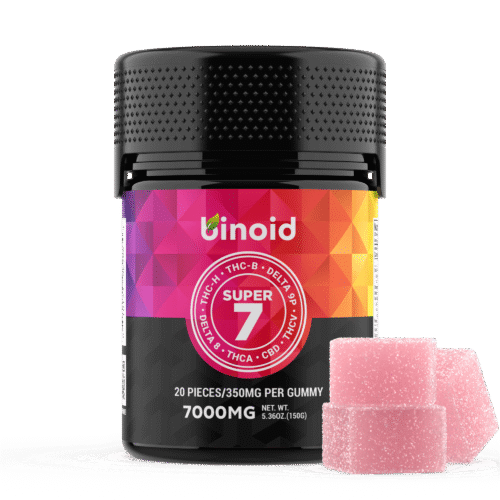
Super 7 Gummies – 7000MG
$39.97$59.99 -
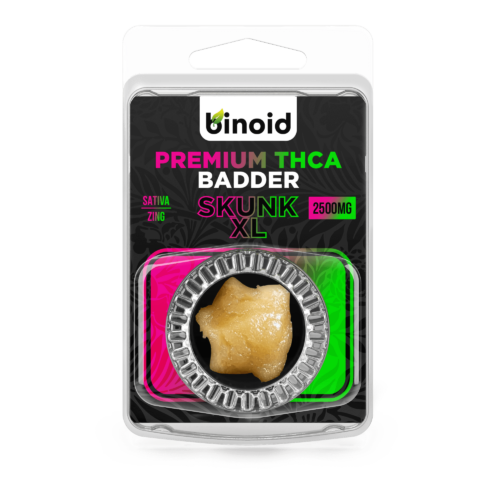
THCA Badder – 2500mg
$37.99$59.99 -
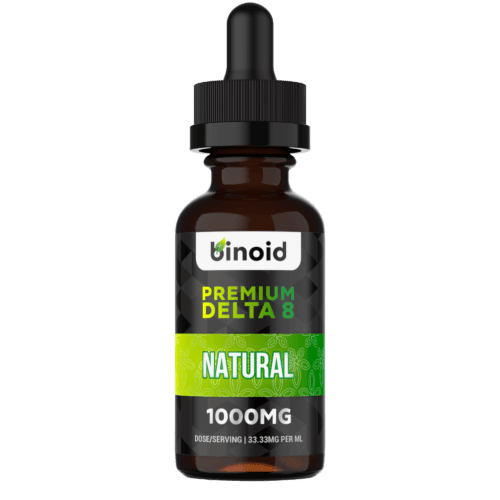
Delta 8 THC Tincture (1000mg, 2500mg, 5000mg)
$25.99$44.99
Novel Cannabinoids and the Frontier of the Binoid Catalog
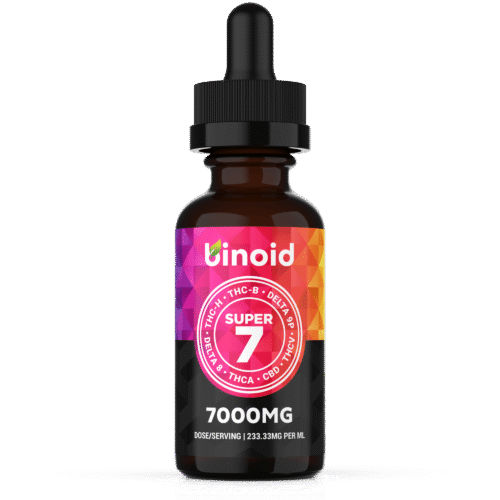
For the consumer who has moved beyond the entry-level cannabinoid experience and is ready to engage with the more nuanced territory of novel hemp-derived compounds, BinoidCBD.com’s catalog represents something genuinely unusual: a curated, rigorously verified collection of Delta-8 THC, Delta-10 THC, THC-P, THC-H, and related compounds produced through isomerization processes chemical conversions of CBD isolate into novel cannabinoid structures and then verified through the same rigorous third-party testing framework that governs every other product in the Binoid ecosystem.
These compounds are not identical in their experiential profiles to delta-9 THC, and the consumer who treats them as interchangeable is missing what makes them interesting. THC-P, for instance, has a binding affinity for the CB1 receptor that is estimated to be significantly higher than delta-9, producing experiences that seasoned consumers describe as more intense and longer-lasting at equivalent doses. Delta-8 is generally characterized as producing a somewhat milder, cleaner effect profile than delta-9, with a ceiling that many consumers find more manageable.
The isomerization processes that produce these compounds demand high-purity starting material and precise process control to yield distillates free of reaction byproducts and residual catalysts. When the CBD isolate entering the isomerization reaction is derived from contaminated biomass or imprecise extraction, the impurities propagate forward through the process, and no amount of post-conversion purification can fully recover the molecular integrity that was absent in the starting material. This is why the domestic sourcing foundation that Binoid has established is not separable from its novel cannabinoid offering it is the prerequisite that makes a trustworthy novel cannabinoid product possible, and it is precisely the reason that shopping at BinoidCBD.com for these compounds carries a fundamentally different risk profile than shopping at brands whose supply chain origins are either unknown or deliberately obscured.
The Practical Framework: How to Buy THC Products Online with Confidence
Translating all of this molecular and regulatory context into a practical purchasing framework requires distilling several years of industry evolution into a set of questions that any consumer can apply before completing a transaction. The first and most foundational is provenance: where was the hemp grown, and can the brand document it? A brand that sources domestically and can speak to the agricultural origin of its starting material as Binoid CBD does through its USA-sourced supply chain is operating at a level of supply chain transparency that immediately narrows the field of legitimate competitors considerably.
The second question is verification: does the brand provide current, batch-specific COAs from ISO-accredited, independent laboratories, accessible without friction on the product page? If the COA is absent, outdated, or sourced from a lab whose accreditation cannot be confirmed, the product should be treated as unverified regardless of what the label claims.
The third question is formulation intelligence: does the brand demonstrate genuine knowledge of what it is selling, or is the product description a generic recitation of benefits that could have been written about anything in the catalog? Binoid’s product descriptions reference specific cannabinoid profiles with the specificity of a brand that knows exactly what is in its formulations. The terpene information in its cartridge and disposable descriptions reflects genuine knowledge of the aromatic compound profiles being used and why.
When you buy THC products online from Binoid, this level of specificity is present across the entire catalog not as a premium upcharge on selected flagship products, but as a baseline standard applied universally. The fourth and final question is consistency: does the brand’s quality standard hold across categories, or does it vary based on which product line happens to be receiving attention this quarter? At BinoidCBD.com, the documentation, the lab access, and the product education that supports it confirm that it does.
The Verdict: Why the Source Is the Product
The cannabis consumer in 2026 is operating in a market that has, in many ways, outpaced the regulatory frameworks designed to govern it and the consumer education infrastructure needed to navigate it intelligently. The abundance of choice available through the online hemp-derived THC marketplace is genuinely exciting but abundance without discernment is noise, and the consumer who treats all products as equivalent because they share a label is not exercising the intelligence this category rewards.
Every product you encounter when you buy THC products online is the end result of a chain of agricultural, chemical, and manufacturing decisions that either compound toward quality or compound toward compromise. The molecule at the center of the experience whether delta-9 THC derived from THCA flower, or delta-8 produced through CBD isomerization, or THC-P in a high-potency vape formulation is only as good as the decisions made at every prior stage of that chain.
What Binoid CBD has built at BinoidCBD.com is not simply a product catalog. It is a quality architecture a set of sourcing commitments, manufacturing standards, testing protocols, and consumer education resources that make the gap between its offering and the industry average visible to anyone who takes fifteen minutes to look carefully. The domestically sourced hemp that anchors every product in its catalog. The ISO-accredited laboratory documentation that accompanies every batch.
The formulation expertise visible in the specificity of its product descriptions and the consistency of its consumer experience. The transparency that makes the entire supply chain visible rather than keeping it strategically obscured. These are not marketing differentiators they are the structure upon which trustworthy products are built. And in a market where trust is simultaneously the most valuable and the most elusive commodity available, they are the reason the conversation about where serious consumers should direct their purchasing attention has a clear and defensible answer.
TO BUY THC PRODUCTS CLICK HERE
Recommended products
-
2 Gram THCA Disposable Hash Rosin – Blazed
$37.99$59.99 -
THCA Hash Rosin Dabs – 1000mg
$33.99$59.99 -
Super 7 Tincture – 7000mg
$39.99$59.99