The THC vape cartridge market didn’t slow down going into 2026 if anything, the shelf got more crowded and the noise got louder. There are more cartridge options available to the online hemp consumer right now than at any previous point in the category’s history, and yet a disproportionate number of them remain functionally interchangeable once you look past the packaging: the same generic hardware sourced from the same handful of overseas manufacturers, the same anonymous distillate, the same vague flavor descriptors dressed up in increasingly aggressive branding.
Sorting genuine innovation from cosmetic repackaging has become a real skill, one that most consumers are never taught and are left to develop through trial, error, and the occasional deeply disappointing cartridge that never should have made it to market. What follows is a look at what actually separates a superior THC vape cartridge from the crowded middle of the market in 2026, and why the answer has almost nothing to do with the branding on the box.
To Buy THC Vape Cartridges Click Here
Recommended products
-
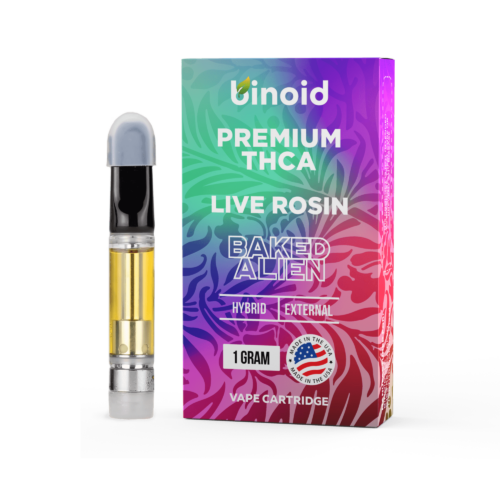
THCA Vape Cartridge Baked Alien – Live Rosin
$30.99$59.99 -
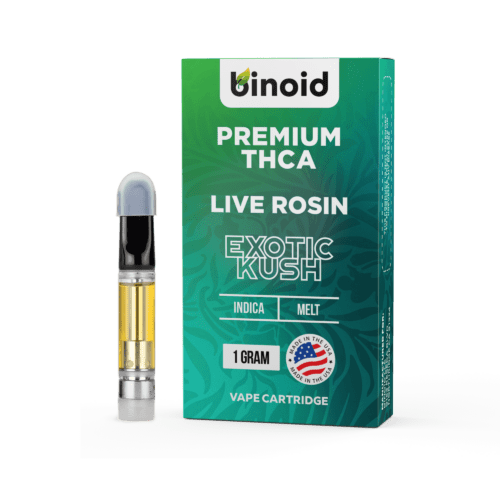
THCA Vape Cartridge Exotic Kush – Live Rosin
$30.99$59.99 -
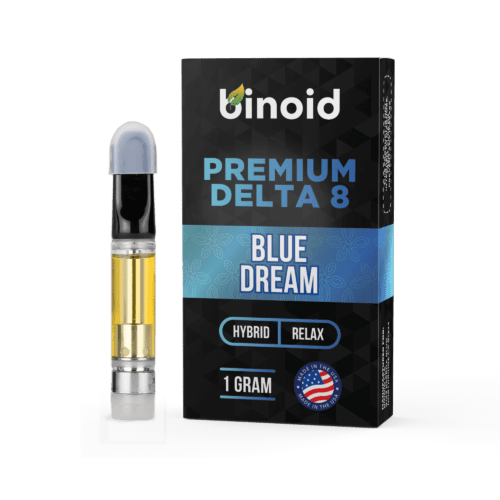
Delta 8 THC Vape Cartridge – Blue Dream
$26.99$54.99 -
Delta 8 THC Vape Cartridge – Northern Lights
$26.99$59.99
The Hardware Question Nobody Asks
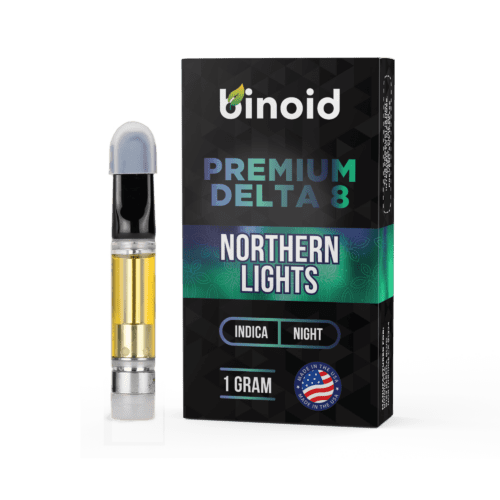
Most cartridge marketing focuses obsessively on what’s inside the cartridge the strain name, the flavor profile, the cannabinoid blend while saying almost nothing about the hardware itself, which is a curious omission given how much the hardware actually determines the experience. The heating element at the center of a cartridge, typically constructed from ceramic or quartz, governs how evenly the distillate vaporizes and how much of the terpene profile survives the heating process intact rather than being scorched into something bitter and flat.
Cheap coil assemblies heat unevenly, creating hot spots that burn the oil closest to the coil while leaving oil elsewhere in the tank under-vaporized, a problem that manifests to the consumer as a harsh, inconsistent draw that varies noticeably from the first pull to the last. Higher-quality ceramic coil assemblies, the kind found in the cartridge lineup at BinoidCBD.com, distribute heat more evenly across the wicking surface, which translates directly into a smoother, more consistent vapor from top to bottom of the cartridge.
Airflow design matters nearly as much, and it’s another variable that rarely makes it into marketing copy. A cartridge with poorly engineered airflow channels will produce a draw that’s either too restrictive, requiring an uncomfortably hard pull to generate adequate vapor, or too loose, delivering thin, underwhelming clouds that waste distillate without delivering a satisfying experience. The best cartridges balance these variables deliberately, calibrating airflow to work in concert with the coil’s heating profile rather than fighting against it. Heading into 2026, a growing number of hardware manufacturers have started experimenting with dual-coil and mesh-coil configurations originally developed for the nicotine vape category, adapting them for cannabinoid distillate’s higher viscosity.
The results are uneven across the market some of these adapted designs genuinely improve vapor consistency, while others introduce new flooding and clogging problems that outweigh whatever marginal benefit the mesh coil was supposed to provide. None of this nuance is visible on a product page, which is exactly why hardware quality has become one of the most reliable signals separating brands that have invested in genuine product development from brands that are simply filling generic, off-the-shelf hardware with distillate and hoping the flavor name does the rest of the work.
Distillate Quality: The Variable That Actually Determines the High
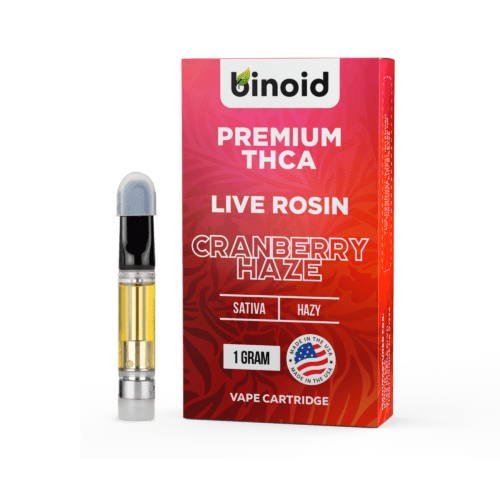
Beneath the hardware conversation sits an even more consequential one: the quality of the distillate itself. Supercritical CO2 extraction remains the gold standard method for pulling cannabinoids and terpenes cleanly from hemp biomass, and the difference between a cartridge filled with CO2-extracted distillate and one filled with distillate processed through cheaper, less precise methods is often the difference between a clean, controllable experience and one that feels muddy, harsh, or unpredictably potent. Distillate purity also directly affects viscosity, which in turn affects how the oil interacts with the wicking system an overly thick or improperly refined distillate is far more prone to the coil flooding and clogging issues that plague lower-tier cartridges, particularly as temperatures fluctuate during storage, shipping, and everyday use.
The specific cannabinoid architecture of a cartridge also matters considerably more than most flavor-forward marketing suggests. Some cartridges rely on isolated delta 9 THC distillate alone, producing a clean but relatively one-dimensional experience. Others are formulated around a broader cannabinoid and terpene profile designed to produce an entourage effect a more layered, dynamic experience shaped by the interaction of multiple compounds rather than a single isolated molecule acting on its own. This multi-cannabinoid approach has only gained ground heading into 2026, as consumers who spent the last several years cycling through isolated single-cannabinoid products have grown more curious about how blended formulations feel by comparison.
Live resin cartridges represent a particularly sought-after category within this broader conversation, extracted from fresh-frozen plant material rather than dried and cured biomass, preserving a volatile terpene profile that dried-and-cured extraction methods inevitably lose to time and oxidation. Binoid CBD’s live resin cartridge offerings are built specifically around this preservation principle, aiming to deliver a terpene expression that’s closer to what the plant actually smelled and tasted like at the moment of harvest, rather than a flattened, generic approximation reconstructed from isolated terpene additives after the fact.
The COA Is the Only Honest Conversation in the Room
Cartridge marketing copy, almost by definition, is written to sell. A certificate of analysis, by contrast, is written to inform, and the gap between what a cartridge’s packaging claims and what its COA actually confirms is one of the most important due-diligence checks any serious vape consumer can perform. A rigorous COA from an ISO 17025-accredited laboratory will report precise cannabinoid concentrations, confirm the absence of harmful residual solvents left over from the extraction process, and screen for heavy metals and pesticide residue an especially important consideration for a vape product, given that inhalation delivers contaminants to the body far more directly and efficiently than ingestion does. A cartridge without accessible, current, batch-specific lab documentation is not automatically dangerous, but it is asking the consumer to extend a level of trust that the brand has done nothing to earn.
This is where the distinction between the crowded middle of the vape cartridge market and a genuinely accountable brand becomes most visible, and it’s a distinction that has only sharpened as the category has matured. BinoidCBD.com structures its entire cartridge catalog around accessible, batch-specific COA documentation, treating lab transparency as a baseline expectation for every product rather than a selectively deployed marketing asset reserved for flagship items. For a consumer trying to evaluate the flood of cartridge options currently available online in 2026, the presence or absence of that documentation is, in practical terms, more informative than any flavor description or strain name on the packaging and it’s increasingly the first thing seasoned consumers check before anything else.
Flavor, Terpenes, and the Problem of Convincing Imitation
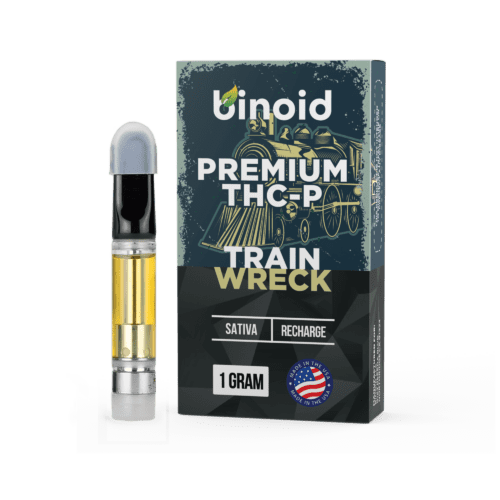
The terpene conversation in vape cartridges deserves more nuance than it typically receives, because “flavor” in this category isn’t simply an aesthetic add-on it’s a direct signal of formulation quality. Natural, strain-derived terpenes preserved through careful extraction and low-temperature processing produce a flavor and aromatic complexity that synthetic terpene additives, however sophisticated, struggle to fully replicate. The tell is usually in the finish: cartridges built around genuine, well-preserved terpene profiles tend to deliver a flavor that evolves subtly across a session, while cartridges relying heavily on synthetic flavoring often present a flatter, more one-note profile that doesn’t hold up to repeated pulls, particularly toward the bottom of the tank where flavor degradation is most noticeable.
This is a genuinely difficult thing for a consumer to evaluate before purchase, which is exactly why brand track record and formulation transparency matter so much in this category. A brand that consistently discusses its extraction methodology, its terpene sourcing, and its formulation philosophy in specific, technical terms rather than relying on vague language like “premium” or “top-shelf” without ever explaining what those words actually mean in a manufacturing context is signaling a different level of product development investment.
The cartridge descriptions across BinoidCBD‘s catalog are written with this specificity in mind, reflecting an underlying formulation process that a discerning consumer can actually evaluate rather than simply trust on faith. As more brands enter the space chasing 2026’s continued demand, that willingness to explain the how behind a product, rather than just the what, has become one of the clearest ways to separate serious formulators from opportunistic newcomers assembling cartridges from whatever distillate happens to be cheapest that quarter.
What “Best” Actually Means in Practice
Evaluating THC vape cartridges honestly in 2026 requires resisting the pull of the loudest marketing and instead building a simple mental checklist grounded in the variables that actually determine the experience: hardware quality and coil construction, extraction method and distillate purity, the presence and depth of a genuine terpene profile, and above everything else current, accessible, batch-specific lab documentation from an accredited laboratory.
A cartridge that checks all four of these boxes is going to deliver a fundamentally different experience than one that checks none of them, regardless of how similar the two products might look sitting side by side in a browser tab or how confidently their packaging claims “2026’s mxost advanced formulation.” The consumer who takes the time to evaluate a cartridge against this framework, rather than against flavor names and packaging design alone, is the consumer who consistently ends up with a smoother draw, a more honest potency, and a genuinely satisfying vapor experience which is, in the end, the entire point of choosing a vape cartridge in the first place, no matter what year it happens to be.
To Buy THC Vape Cartridges Click Here
Recommended products
-
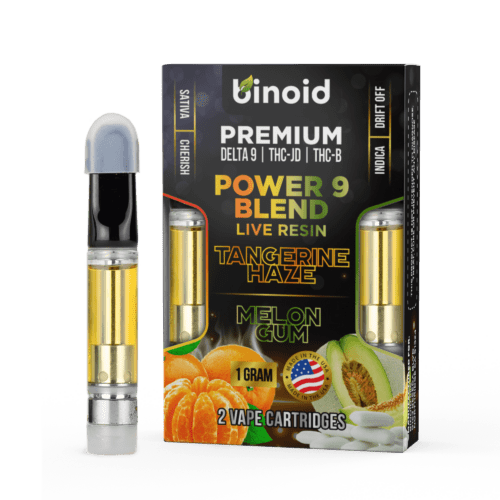
Power 9 Blend Live Resin Cartridge – 2 Pack Combo (Limited Time Sale)
$40.99$89.99 -
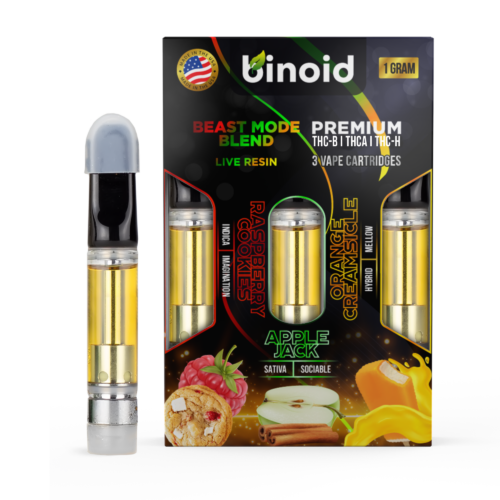
Beast Mode Blend Live Resin Cartridge – 3 Pack Combo
$54.99$89.99 -
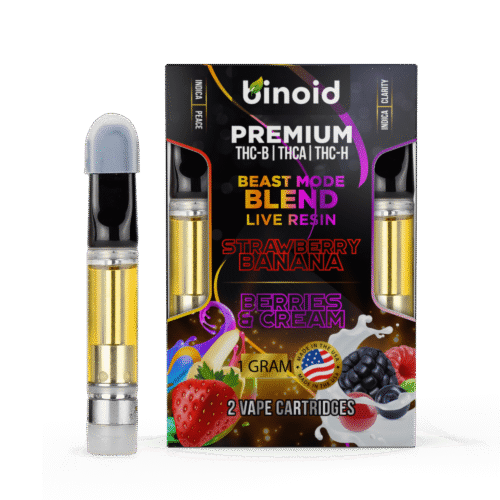
Beast Mode Blend Live Resin Cartridge – 2 Pack Combo (Limited Time Sale)
$40.99$89.99 -
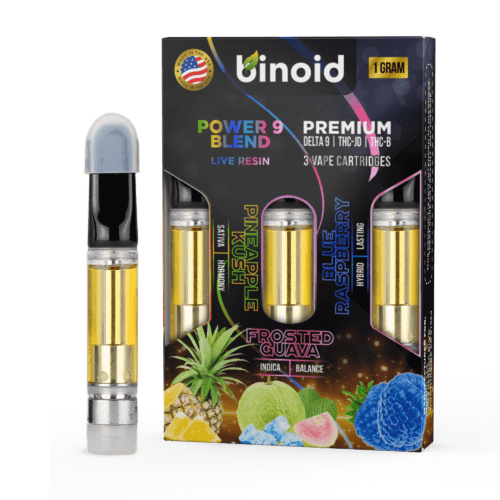
Power 9 Blend Live Resin Vape Cartridges – 3 Pack Combo
$54.99$89.99