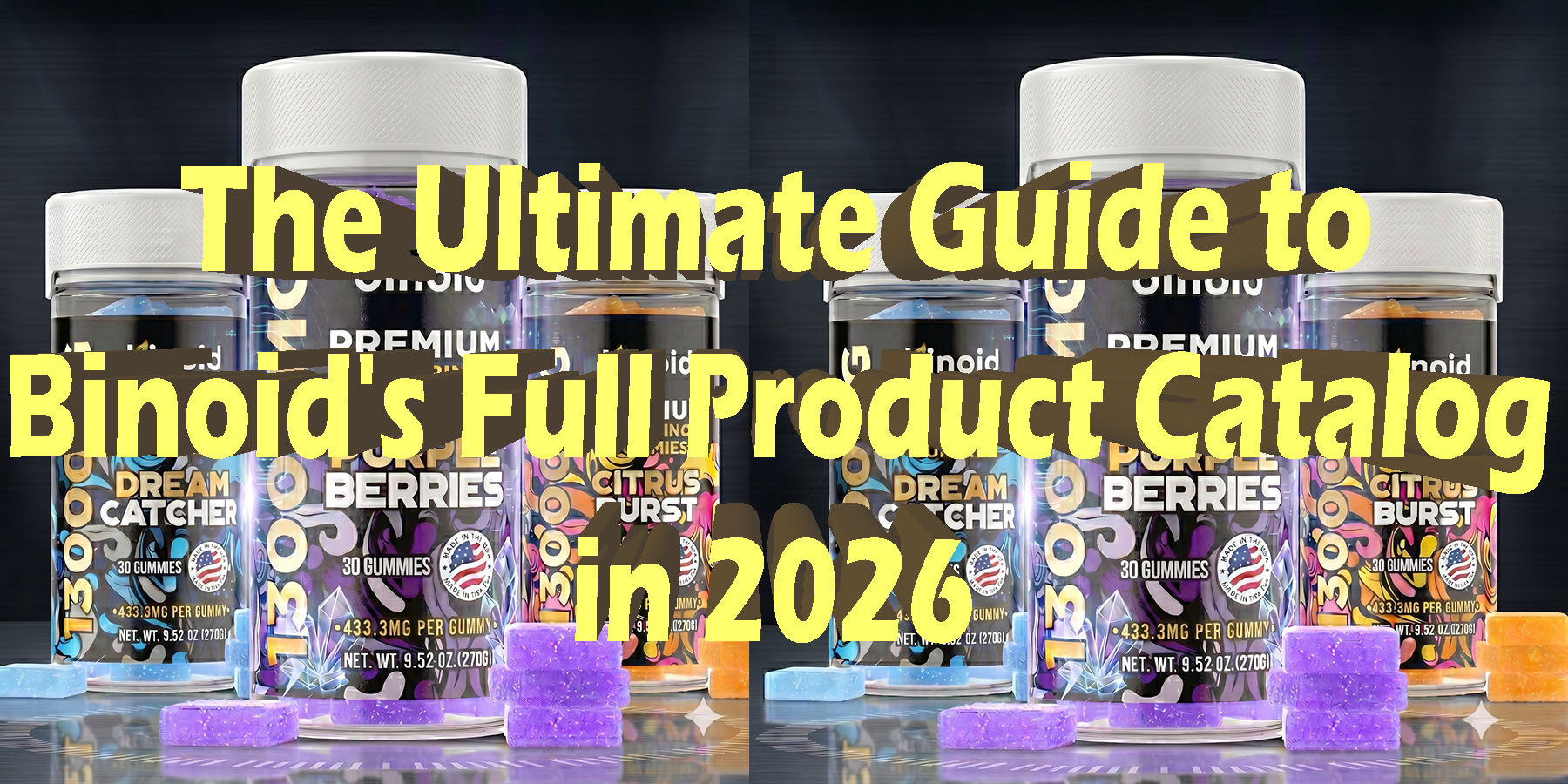
Where Do You Even Start With a Catalog This Large?
There is a particular kind of overwhelm that sets in the moment a curious hemp consumer opens a well-stocked cannabinoid retailer’s website for the first time, and it has nothing to do with confusion about what cannabis is or what it does. It has everything to do with scale. Tinctures sit alongside gummies, which sit alongside vape cartridges, which sit alongside disposables, which sit alongside beverages, which sit alongside flower — and within each of those categories, a bewildering array of cannabinoid options: Delta 8, Delta 9, Delta 10, THCA, THC-P, THC-H, THC-B, CBG, CBN, CBC, PHC, and enough acronyms to make a chemistry syllabus look approachable by comparison. This is not a criticism of the market.
It is simply an honest acknowledgment that the modern hemp-derived cannabinoid landscape has matured at a pace that has outstripped most consumers’ ability to intuitively navigate it. Binoid CBD, as one of the more comprehensive catalogs currently operating in this space, is as good a place as any to actually make sense of the whole picture, because its breadth mirrors the market’s own complexity rather than artificially narrowing it.
The purpose of this guide is not to sell you on any single product. It is to give you a map — a way of understanding how an expansive catalog like Binoid‘s is actually organized beneath the surface, so that browsing feels less like wandering through an unfamiliar city and more like reading a well-designed transit system. Once you understand the logic of cannabinoid families, delivery formats, and potency tiers, the entire catalog reorganizes itself in your mind from “overwhelming” to “legible.” That transformation is the actual value of this article, and it is worth taking seriously, because an informed consumer navigating a large catalog makes fundamentally better decisions than an intimidated one clicking on whatever has the most attractive packaging.
To Buy THC Products Click Here
Recommended products
-
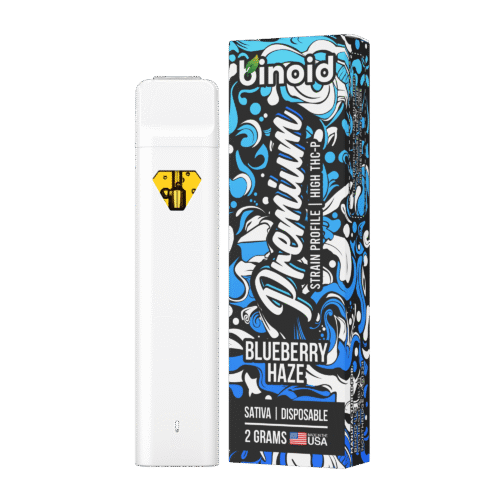
High THC-P 2 Gram Disposable Vape – Strain Series
$41.99$73.99 -
Super 7 Gummies – Slush Series
$37.99$49.99 -
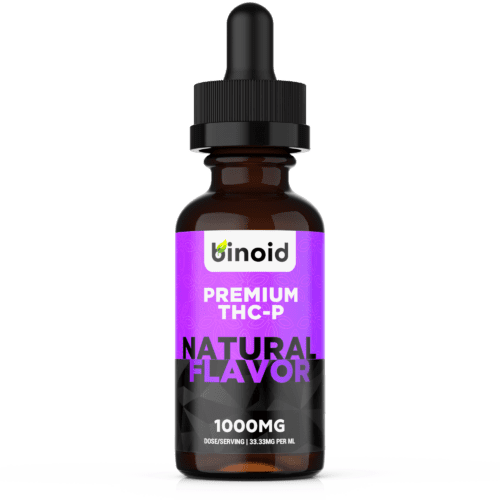
THC-P Tincture – 1000mg
$30.99$79.99 -
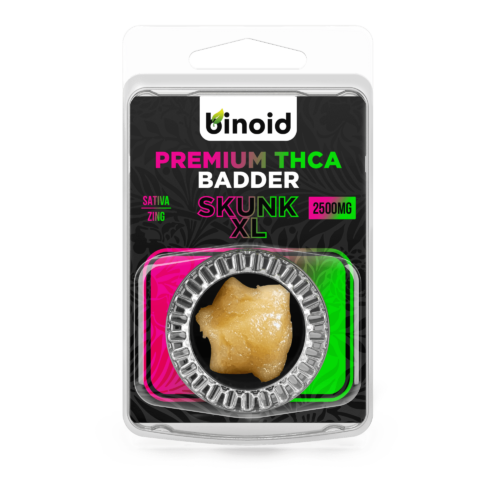
THCA Badder – 2500mg
$37.99$59.99

The Cannabinoid Families: Understanding the Building Blocks
Every catalog this size is, at its foundation, organized around a relatively small number of cannabinoid families, each with a distinct chemical identity and experiential character. Delta 9 THC is the reference point against which everything else is measured — the molecule most associated with traditional cannabis intoxication, produced when its acidic precursor, THCA, undergoes decarboxylation under heat. THCA itself occupies a fascinating dual identity in a catalog like this: it is non-intoxicating in its raw form, yet it is the raw material from which the entire high-potency hemp flower category is built, since heating THCA flower during consumption is what completes its conversion into the Delta 9 experience.
Beyond Delta 9 sits a constellation of what the industry calls novel or minor cannabinoids, each isomerized from CBD through slightly different chemical processes and each carrying its own experiential signature. Delta 8 THC is generally described by consumers as delivering a softer, more relaxed variant of THC intoxication, while Delta 10 THC tends toward a brighter, more energetic profile — a distinction that matters enormously when you’re trying to select a product for a specific occasion rather than just a specific potency level. THC-P occupies the high-potency end of this spectrum, frequently discussed for its exceptionally strong binding affinity at the CB1 receptor, while THC-H and THC-B represent newer entries that have carved out their own niches among consumers actively seeking novel combinations. Layered underneath all of this are the non-intoxicating supporting cannabinoids — CBG, CBN, and CBC — which rarely serve as the star of a product but frequently appear in formulations designed around the entourage effect, the theory that cannabinoids consumed together produce a more nuanced, layered experience than any single compound consumed in isolation.
Understanding this family structure is the single most useful mental model for navigating a catalog of Binoid’s size, because it means you’re never actually choosing between hundreds of unrelated products. You’re choosing a cannabinoid family first, and then a delivery format second — which collapses an intimidating decision tree into something genuinely manageable.
Delivery Formats: Matching the Molecule to the Moment
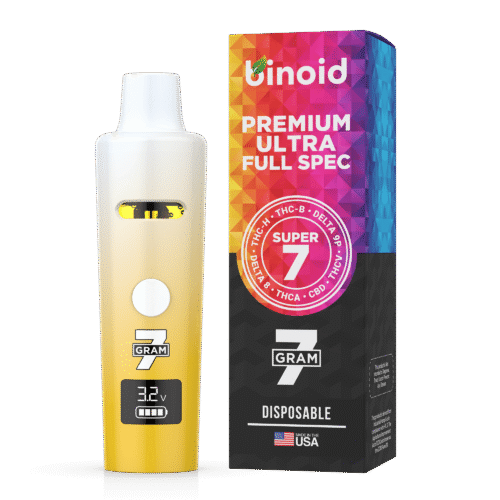
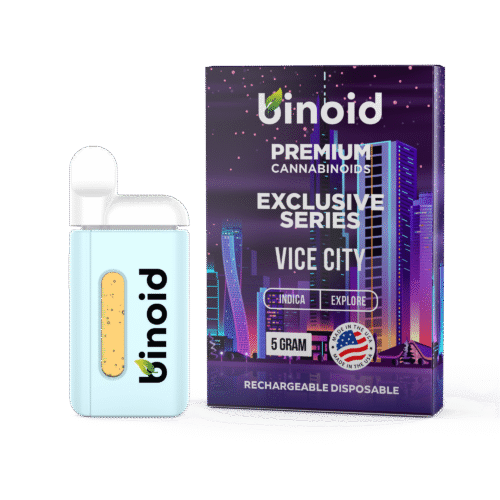
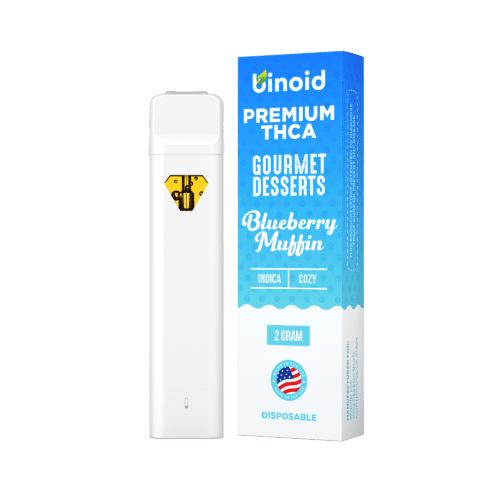
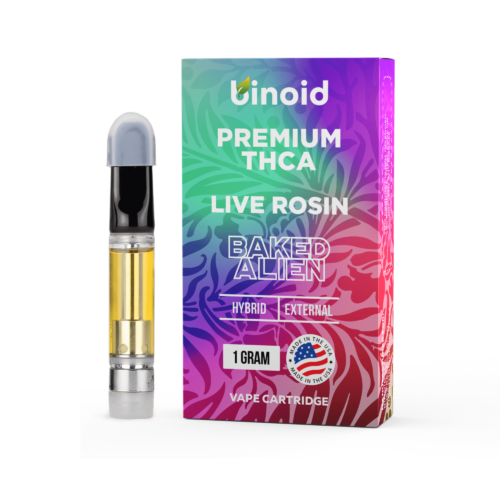
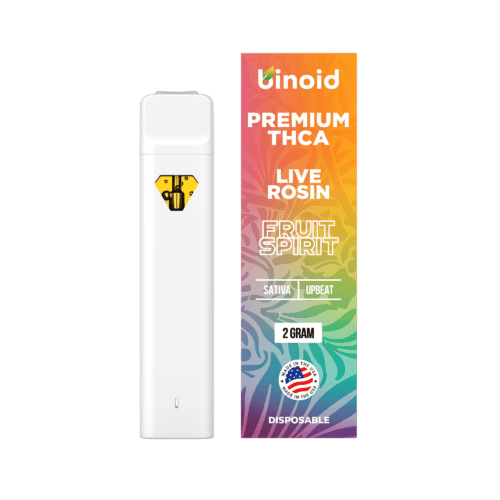
Once you’ve oriented yourself around cannabinoid families, the second axis of the catalog — delivery format — becomes the more practical decision point, because it’s here that lifestyle considerations actually enter the equation. THC gummies remain the most approachable entry point for a huge swath of consumers, offering precise, pre-measured dosing and a genuinely enjoyable flavor experience that doesn’t require any specialized equipment or knowledge of combustion temperatures. Vape cartridges and disposables appeal to a different sensibility entirely — consumers who want faster onset, more granular self-titration, and the aromatic complexity that comes from live resin formulations capturing a cultivar’s full terpene profile at the moment of harvest rather than after months of curing and oxidation.
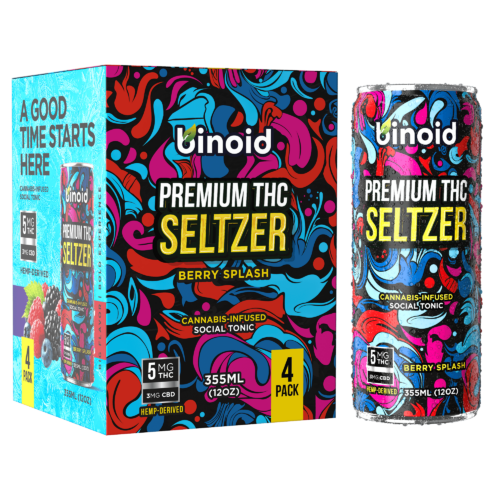
Tinctures sit in an interesting middle position, offering flexible dosing through sublingual administration and appealing to consumers who want more control over their exact intake than a fixed-dose gummy provides. THCA flower and THCA diamonds serve the more traditional, combustion-comfortable consumer who wants the ritual and sensory experience of smoking or vaporizing actual plant material or concentrate, while THC seltzers and beverages — a genuinely newer format built around nano-emulsification technology that allows THC to suspend evenly in a water-based liquid — have opened the category to consumers who have never been interested in inhalation at all and want something that fits into an existing social or refreshment ritual instead.
None of these formats is objectively superior to the others. They represent different answers to the same underlying question: given a cannabinoid you’ve selected for its experiential character, what’s the best vehicle for actually getting it into your system in a way that matches your lifestyle, your tolerance for onset delay, and your comfort with different consumption rituals? A catalog organized with this logic in mind — as Binoid CBD‘s is — rewards a shopper who takes fifteen minutes to think through these two axes before clicking “add to cart,” rather than one who browses randomly and hopes for the best.
The Trust Layer: Why Catalog Size Means Nothing Without Verification
Here is where an honest conversation about a catalog this large has to confront an uncomfortable truth about the broader hemp-derived cannabinoid market: breadth without verification is not a feature, it’s a liability. Any brand can list two hundred SKUs. Far fewer can back every single one of them with current, batch-specific, third-party laboratory documentation from an ISO 17025-accredited facility — and that distinction is, in the current unregulated landscape, the entire difference between a catalog you can trust and one you’re simply hoping works out. The absence of a mandatory federal testing regime for hemp-derived cannabinoid products means that verification is not optional infrastructure. It is the actual product, in a sense that matters as much as flavor or potency.
A certificate of analysis worth trusting confirms cannabinoid concentrations match label claims, screens for heavy metals and pesticide residues, and verifies the absence of harmful microbial contamination — and it should be recent, batch-specific, and easily accessible rather than buried or generic. Binoid‘s approach to this across its full catalog — making COA documentation searchable by batch across tinctures, gummies, vapes, disposables, flower, and beverages alike — is precisely the kind of consistency that separates a catalog built around genuine quality infrastructure from one that’s simply been assembled from whatever distillate was cheapest to source that quarter. When you’re evaluating any large hemp catalog, the question to ask isn’t “how many products do they have?” It’s “can I verify every single one of them the same way, every single time?”
This also explains why cross-category consistency matters more than most consumers initially appreciate. A brand whose THC gummies are meticulously tested but whose vape cartridges are an afterthought is not actually a trustworthy brand — it’s a brand with one good product line and several unverified ones riding on its reputation. The entire value proposition of a catalog like Binoid’s rests on the underlying manufacturing and testing infrastructure being applied uniformly, regardless of which specific product a consumer happens to gravitate toward first.
Potency Tiers and the Question of Where to Begin
The final organizing principle worth understanding is potency tiering, because a catalog this size inevitably spans an enormous range — from beginner-friendly formulations with modest milligram counts per serving to concentrate and diamond products that test above 90% cannabinoid purity. The mistake most new consumers make is assuming that “more potent” automatically means “better,” when in reality potency should be selected based on tolerance, experience level, and intended use case rather than treated as a status symbol. A first-time consumer exploring Binoid CBD‘s catalog is generally well served starting with lower-dose gummies or a modest tincture serving, building an understanding of their own response curve before venturing toward THC-P concentrates or high-milligram beverages designed for consumers who already know their tolerance intimately.
This is not a matter of gatekeeping the more potent end of the catalog — it’s simply an acknowledgment that the entourage effect, individual biochemistry, and prior tolerance all interact in ways that make a universal recommendation impossible, and that the smartest way to explore a large catalog is incrementally rather than aspirationally. Products like the brand’s higher-potency blends exist precisely because a segment of the consumer base has already done this calibration work and is ready for something more intense — but that readiness is earned through experience, not assumed from the outset.
Building Your Own Navigation System
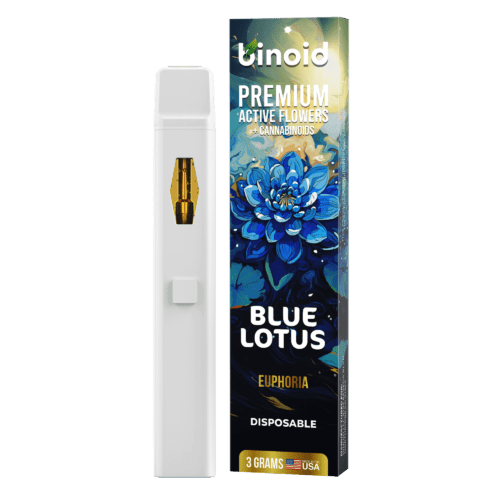
The most useful thing a consumer can do with a catalog of this scale is build a personal decision framework rather than relying on browsing momentum or promotional placement to guide purchases. Start with the cannabinoid family that matches the experiential character you’re seeking — energetic versus relaxed, mild versus intense, familiar versus novel. From there, select the delivery format that fits your actual lifestyle and consumption preferences, whether that’s the discretion of a vape, the ritual of flower, the precision of a gummy, or the social ease of a seltzer. Finally, verify — every time, without exception — that the specific product you’re considering has current, accessible, batch-specific lab documentation behind it, because that verification step is the one piece of due diligence that no amount of marketing copy can substitute for.
A catalog the size of Binoid CBD‘s is not a maze designed to overwhelm you into a purchase. It’s a genuinely comprehensive answer to a genuinely diverse set of consumer preferences, and once you understand the three axes — cannabinoid family, delivery format, and verified potency — it becomes one of the more navigable large catalogs in a market that badly needs more of exactly that kind of legibility.
To Buy THC Products Click Here
Recommended products
-
THC Seltzer – Good Vibes Cannabis Drink (4 Pack)
$19.99$29.99 -
Super 7 UFS Disposable Vape – 7 Gram
$63.99$89.99 -
Exclusive Series 5 Gram Disposable Vape – Vice City
$55.99$89.99 -
THCA Disposable 2 Gram – Gourmet Desserts
$37.99$73.00