The Plant That Rewrote the Rules
There are very few moments in the history of consumer culture where a single plant genus fundamentally disrupts the way an entire civilization thinks about its relationship with chemistry, wellness, and the human body. Cannabis is one of those moments and we are living inside it right now. But the cultural conversation has for decades been dominated by surface-level talking points: the politics of legalization, the stoner stereotype, the binary debate between advocates and prohibitionists.
What that conversation has consistently failed to make room for is the actual science the molecular architecture of the plant that makes it, in the estimation of a growing body of serious researchers and an even larger community of experienced consumers, one of the most pharmacologically complex organisms on the planet. At the center of that architecture is a class of compounds called cannabinoids, and if you’ve arrived here asking what are cannabinoids, you’ve just stepped through the most important door in modern hemp literacy.
The short answer is that cannabinoids are a family of chemical compounds produced primarily by the cannabis plant though, in a plot twist that tends to surprise first-time learners, they are also produced by the human body itself. The longer answer is that cannabinoids are a sprawling, diverse molecular family, each member with its own distinct behavior, its own relationship to the human nervous system, and its own experiential signature. Some are psychoactive.
Some are not. Some exist in the plant in large quantities; others appear in such small concentrations that isolating them requires industrial-grade extraction equipment and considerable scientific ingenuity. To understand cannabinoids in any meaningful depth is to understand why the hemp industry has exploded from a niche curiosity into a multi-billion-dollar category in the span of less than a decade and why platforms like Binoidcbd.com have built their entire brand architecture around the depth and diversity of this molecular family rather than the simplicity of a single compound.
The cannabis plant is estimated to produce well over a hundred distinct cannabinoids, though only a fraction of these have been studied with any rigor, and an even smaller subset has made it into commercial products in meaningful concentrations. The ones you are most likely to encounter in the current market CBD, THC (in its various forms), CBG, CBN, THCA, Delta-8, and THC among others each represent a different chapter in what is best understood as the ongoing scientific and commercial narrative of the plant. Each has its own origin story in the plant’s biochemistry, its own mechanism of interaction with the human body, and its own place in the product ecosystems being built by the brands sophisticated enough to work with them intelligently.
To Buy Cannabinoid Products Click Here
Recommended products
-
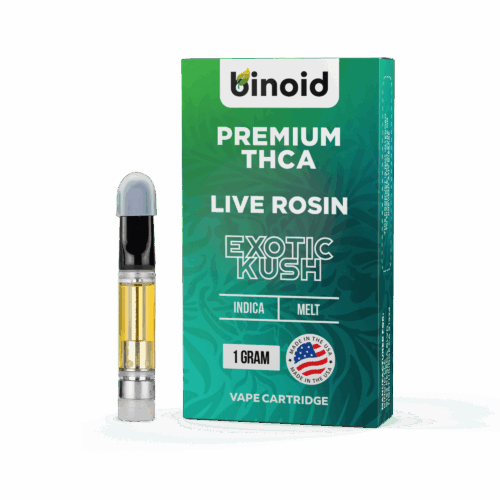
THCA Vape Cartridge – Live Rosin
$30.99$59.99 -
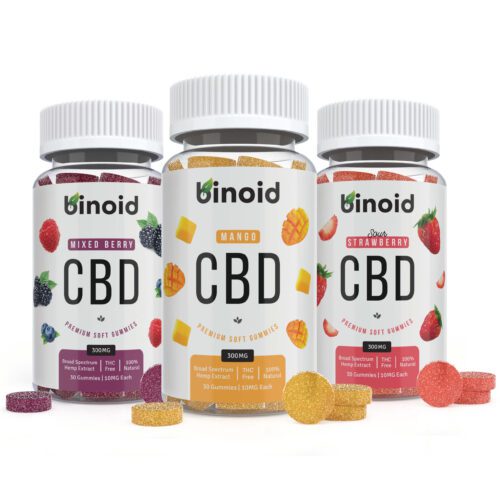
CBD Gummies
$26.99$49.99 -
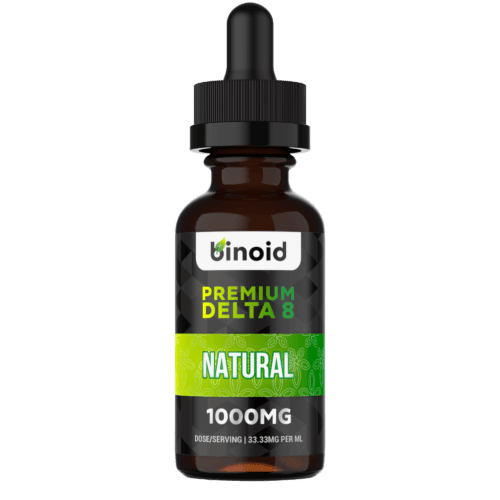
Delta 8 THC Tincture (1000mg, 2500mg, 5000mg)
$25.99$44.99 -
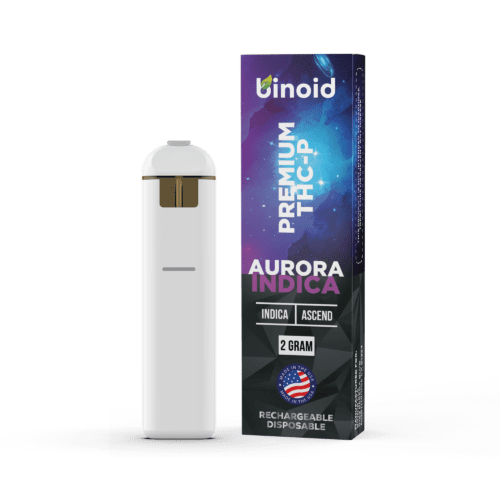
THC-P Rechargeable Disposable – 2 Gram
$31.00$59.99
The Endocannabinoid System: Your Body’s Built-In Reception Network
Before you can understand what cannabinoids do, you have to understand what they’re interacting with and this is where the science takes a turn that most people find genuinely surprising. The human body runs its own internal cannabinoid system, called the endocannabinoid system (ECS), a biological network that was only formally discovered in the early 1990s and that remains one of the more consequential findings in modern neuroscience. The ECS is a vast signaling network composed of receptors distributed throughout the brain, the central nervous system, the peripheral nervous system, and the immune system essentially a regulatory infrastructure that helps the body maintain equilibrium across an enormous range of physiological processes.
The two primary receptor types in this system are designated CB1 and CB2. CB1 receptors are concentrated most densely in the brain and central nervous system and are the receptors most directly associated with the psychoactive experience produced by THC. CB2 receptors are distributed more broadly across immune tissues and peripheral organs and are more closely associated with the effects that non-intoxicating cannabinoids like CBD and CBG tend to produce. The body produces its own compounds called endocannabinoids, the most studied of which are anandamide and 2-AG that bind to these receptors as part of normal physiological regulation. When plant-derived cannabinoids enter the body, they interact with this pre-existing system, which is why the effects of cannabis feel, to many consumers, less like the introduction of something foreign and more like the amplification of something the body already understands.
This is the molecular context in which every product on Binoidcbd.com operates. Whether you’re exploring a CBD tincture, a Delta-8 gummy, a THCA cartridge, or any of the other formats in Binoid’s catalog, you are engaging with compounds that have been designed through cultivation, extraction, and formulation to interact with a biological system your body already possesses. This framing is not merely poetic; it is the scientific basis for understanding why different cannabinoids produce different effects, why individual responses vary, and why the quality and composition of what you consume matters so substantially.
CBD: The Compound That Opened the Door
No cannabinoid has done more to normalize the mainstream conversation about hemp than cannabidiol, universally abbreviated as CBD. It was CBD that cracked open the cultural door in the mid-2010s, offering consumers a hemp-derived option that carried none of the psychoactive associations of THC and existed following the 2018 Farm Bill in a legal framework accessible to the general American public. In the years since, CBD has become something of a cultural institution: it appears in everything from premium tinctures and softgels to pet products and functional beverages, and the sophistication of its formulation has evolved considerably from the early days of crude, poorly-dosed oils that the market initially produced.
CBD’s interaction with the endocannabinoid system is notably different from that of THC. Rather than binding directly and powerfully to CB1 receptors, CBD operates through a more indirect and modulating mechanism it influences receptor activity, affects the breakdown of endogenous cannabinoids like anandamide, and interacts with a range of non-cannabinoid receptor systems including serotonin receptors and transient receptor potential channels. The experiential result, for most consumers, is a sense of grounded calm without any accompanying cognitive impairment which is precisely why CBD became the entry point for so many people who were curious about cannabinoids but not interested in a psychoactive experience.
Binoidcbd.com has built one of the more comprehensive CBD product lines available in the hemp market, spanning tinctures formulated with attention to bioavailability, softgels designed for consistent and convenient dosing, and topical applications for localized use each one backed by the third-party testing infrastructure that the brand treats as a non-negotiable standard rather than a marketing checkbox.
Recommended products
-
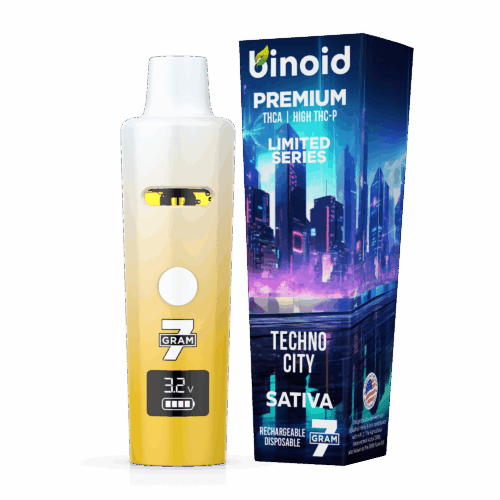
7 Gram THCA + High THC-P Disposable Vape – Limited Series
$67.99$109.99 -
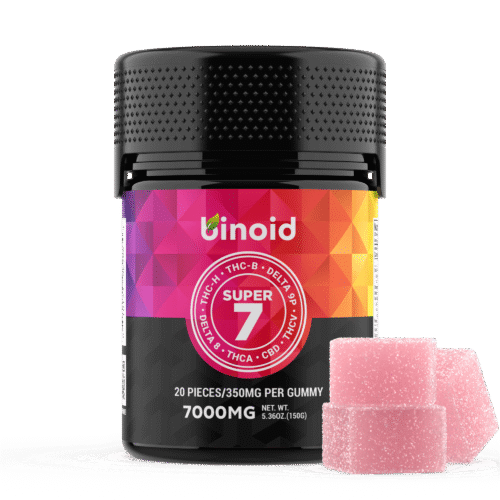
Super 7 Gummies – 7000MG
$39.97$59.99 -
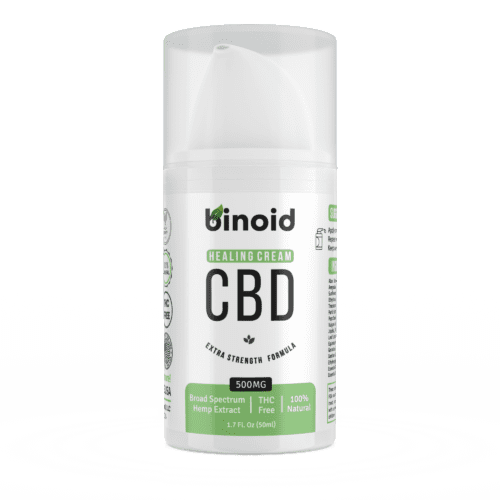
Binoid Healing Cream – Extra Strength
$39.99$74.99 -
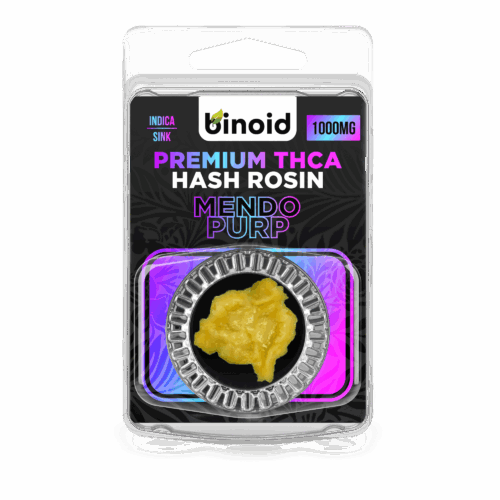
THCA Hash Rosin Dabs – 1000mg
$33.99$59.99
THC and Its Many Faces: A Molecular Family Portrait
If CBD is the compound that opened the mainstream door, then THC is the one that’s been standing on the other side of it the entire time the most famous, most studied, most legislated molecule in the cannabis plant’s entire repertoire. But “THC” as a singular entity is increasingly a reductive shorthand for what is, in reality, a family of related compounds whose legal status, experiential character, and commercial availability vary considerably. Understanding the distinctions within this molecular family is one of the more practically useful things a beginner in the cannabinoid space can do, and it is a conversation that the product architecture at Binoidcbd.com is uniquely well-positioned to illuminate.
Delta-9 THC is the compound most people mean when they say “THC” the primary psychoactive cannabinoid in the cannabis plant, the one with the longest research history, and the one whose concentration in a given hemp product determines whether that product falls within federal legal guidelines. Delta-8 THC is a structural analog of Delta-9, differing only in the position of a double bond in its molecular chain a small change that produces a meaningfully different experiential profile. Most consumers describe Delta-8 as delivering a cleaner, somewhat less intense psychoactive experience compared to Delta-9, with what many characterize as a more functional, clear-headed quality.
THCA, as explored in depth in our companion feature, is the acidic precursor form of THC that converts to Delta-9 upon exposure to heat non-intoxicating in its raw form, fully activated through vaporization or combustion. And THCP, one of the newer entries to commercial availability, is a recently characterized cannabinoid with a longer molecular chain that researchers believe gives it a significantly elevated affinity for CB1 receptors compared to Delta-9 making it one of the most potent naturally occurring cannabinoids yet identified in the plant.
Binoidcbd.com carries products across this entire THC molecular family Delta-8 gummies, Delta-9 formulations, THCA flower and vapes, THCP blends which means that a consumer using Binoid as their sourcing home can genuinely explore the experiential landscape of the THC family with the consistency and quality assurance of a single trusted platform. That is not a trivial advantage in a market where quality varies dramatically between brands and sometimes even between product batches from the same brand.
The Minor Cannabinoids: Major Personalities in a Supporting Role
There is a tendency in beginner-facing cannabis content to treat the cannabinoid conversation as a two-character story CBD on one side, THC on the other, with everything else relegated to a footnote. That framing was perhaps forgivable in 2018, when the commercial hemp market was still finding its legs and the science on minor cannabinoids was thinner on the ground. In 2026, it is simply no longer accurate, and any guide serious about answering what are cannabinoids in a way that serves the modern consumer has to make room for the compounds that are quietly reshaping the product landscape with their own distinct personalities and experiential signatures. CBG and CBN are two of the most commercially significant members of this supporting cast, and each deserves a proper introduction.
Cannabigerol, or CBG, occupies a biochemically unique position in the cannabis plant it is often described as the “mother cannabinoid” because CBGA, its acidic precursor form, is the compound from which THCA, CBDA, and CBCA are all synthesized as the plant matures. By the time most cannabis strains reach harvest, the majority of the plant’s CBGA has been enzymatically converted into those downstream cannabinoids, leaving only small concentrations of CBG in the final product. This relative scarcity made CBG expensive and difficult to work with in the early years of the hemp market, but advances in cultivation specifically the development of hemp strains bred to preserve higher CBG concentrations have made it increasingly accessible.
Consumers drawn to CBG tend to describe its experiential profile as alert and focused rather than sedating, with a character that pairs interestingly with other cannabinoids in blended formulations. Binoidcbd.com has incorporated CBG into several of its product formats, recognizing that the sophisticated consumer is no longer satisfied with single-cannabinoid solutions when the plant itself is suggesting something more complex.
Cannabinol, or CBN, tells a very different story. Where CBG is a precursor compound present before other cannabinoids form CBN is a product of age and oxidation, the compound that THC naturally degrades into when exposed to oxygen and light over time. This origin gives CBN a distinct character and a consumer reputation that has made it one of the more sought-after minor cannabinoids in the current market, particularly in the evening and nighttime product category.
CBN is mildly psychoactive but considerably less so than Delta-9 THC, and its combination with other cannabinoids particularly CBD and specific terpene profiles has made it a cornerstone of the sleep and wind-down segment of the Binoid catalog. The brand’s CBN formulations reflect an understanding that the consumer reaching for a nighttime product has different needs and expectations than the one reaching for a daytime energizer, and the formulation philosophy responds to that distinction with intelligence rather than treating all cannabinoid products as interchangeable.
Recommended products
-
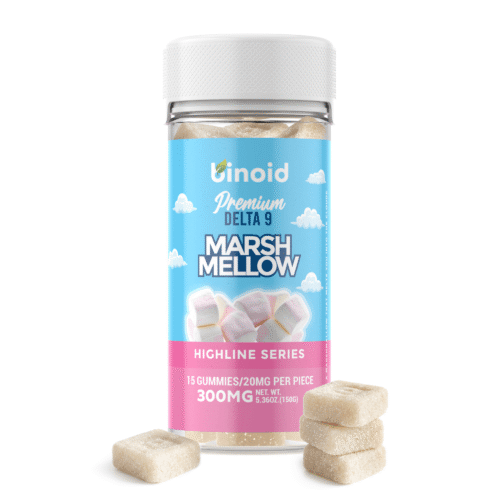
Delta 9 THC Marshmellow
$39.99$49.99 -
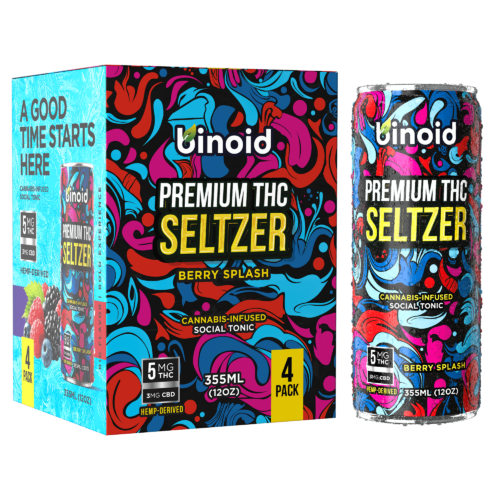
THC Seltzer – Good Vibes Cannabis Drink (4 Pack)
$19.99$29.99 -
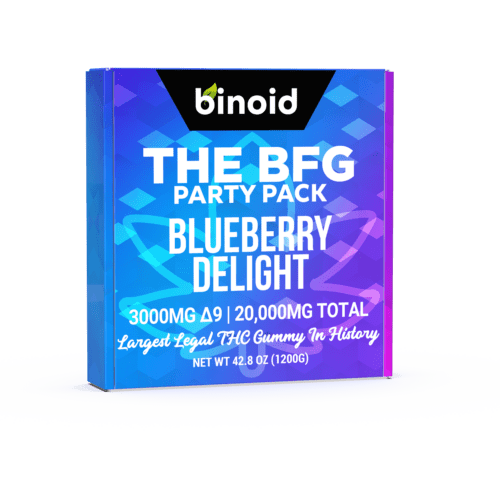
The BFG – 3000mg Delta 9 THC Gummy
$128.99$239.99 -
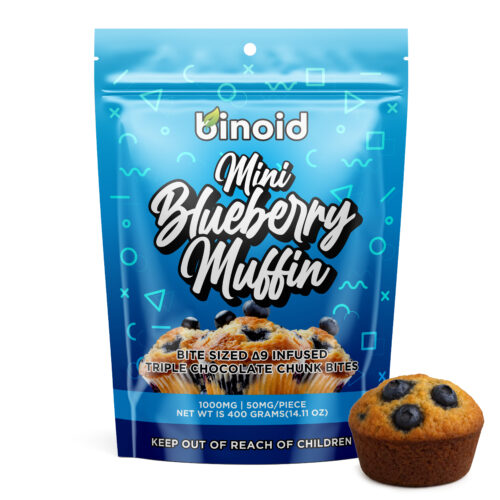
Delta 9 Mini Blueberry Muffin Bites – 1000MG (Limited Supply)
$34.99$39.99
Product Formats: Matching the Molecule to the Moment
Understanding cannabinoids at the molecular level is one thing; translating that understanding into intelligent product choices is quite another, and it’s where the rubber of theory meets the road of actual consumer experience. The modern cannabinoid market offers a format landscape that is genuinely diverse diverse enough that the format you choose can be as consequential as the cannabinoid you choose, shaping onset time, duration, intensity, and the overall character of the experience in ways that matter significantly to both beginners and veterans. Binoidcbd.com has built its product catalog with this format diversity as a core organizing principle, offering consumers genuine choice across vaporization, edibles, tinctures, and topicals rather than forcing them into a one-size-fits-all approach.
Vaporization remains the format of choice for consumers who prioritize speed of onset and precise dosing control. When a cannabinoid is inhaled as vapor whether through a pre-filled cartridge attached to a 510-thread battery or through a self-contained disposable device it enters the bloodstream via the lungs with a speed that produces noticeable effects typically within ten to fifteen minutes. This rapid feedback loop is what makes the vaporization format particularly useful for calibration: you draw, you wait, you assess, and you proceed accordingly.
Binoid’s cartridge and disposable lineup spans the full cannabinoid spectrum Delta-8, Delta-9, THCA, THCP blends, and various combination formulations each built with hardware quality and oil formulation standards that reflect a brand that understands vaporization as a technical discipline, not just a delivery mechanism. The ceramic coil construction used in Binoid’s cartridges, the attention to consistent airflow, and the terpene sourcing that goes into each strain-specific offering are details that matter in the final experience even if they’re invisible in the marketing photography.
Edibles particularly gummies represent the format with the broadest consumer appeal and, arguably, the steepest learning curve in terms of expectation management. The gummy format is familiar, portion-controlled, discreet, and genuinely enjoyable as a consumption experience, which is why it has become one of the dominant product categories across every major cannabinoid type on the Binoid platform. The science of why edibles behave differently from inhaled cannabinoids is worth understanding briefly: when cannabinoids are consumed orally and pass through the digestive system, they are metabolized by the liver before entering systemic circulation a process that converts Delta-9 THC, for example, into 11-hydroxy-THC, a metabolite that many consumers experience as more potent and longer-lasting than the inhaled equivalent.
Onset is slower typically 45 minutes to two hours and duration is extended, often running four to eight hours depending on individual metabolism, body composition, and the presence of food in the stomach. Binoid’s gummy formulations are dosed with this extended arc in mind, offering options calibrated for the consumer who wants a manageable, well-defined experience rather than an unpredictable one.
Tinctures occupy a middle ground that experienced cannabinoid consumers have appreciated for years sublingual application, meaning the oil is held under the tongue for 60 to 90 seconds before swallowing, allows for partial absorption directly through the mucous membranes into the bloodstream, bypassing the full first-pass metabolic processing that characterizes traditional edibles. The result is an onset that is faster than a gummy but gentler and more sustained than a vaporized product, with a duration profile that many consumers find highly livable for daytime use. Binoid’s tincture line reflects the brand’s commitment to formulation sophistication: carrier oils chosen for their bioavailability profiles, cannabinoid concentrations clearly specified, and the option to explore single-cannabinoid and blended formulations depending on how precise or how exploratory the consumer wants to be.
Sourcing Integrity: The Standard That Separates Signal from Noise
The most important conversation in the cannabinoid space more important, in some ways, than any individual compound or format discussion is the conversation about sourcing integrity. This is the variable that determines whether your experience of a given cannabinoid reflects the compound’s genuine character or reflects the compounding effects of poor cultivation practices, sloppy extraction, inadequate testing, and formulation shortcuts. And it is a variable that the market, in its current expansive and only partially regulated state, distributes very unevenly across the brands competing for consumer attention and dollars.
The baseline of sourcing integrity in the cannabinoid space is third-party laboratory testing specifically, Certificates of Analysis produced by accredited independent laboratories that have no commercial relationship with the brand whose products they’re testing. A credible COA will confirm cannabinoid potency (so you know what you’re actually getting versus what the label claims), verify legal compliance (Delta-9 THC below 0.3% on a dry weight basis for hemp-derived products), and provide a clean screen for the contaminants that no consumer should accept in any product they’re putting into their body: residual solvents from the extraction process, pesticides from cultivation, heavy metals from soil or equipment, and microbial contamination from post-harvest handling failures. Any brand that makes this documentation difficult to access, that provides COAs from non-accredited labs, or that can’t tell you the date of the most recent testing for a given product batch is a brand communicating its priorities with perfect clarity — and those priorities do not include your wellbeing.
Binoidcbd.com has structured its entire quality infrastructure around the principle that transparency is not a competitive advantage to be deployed selectively but a baseline obligation to every consumer who places an order. COAs are accessible directly from product pages, current, comprehensive, and produced by credentialed third-party laboratories. The hemp biomass that goes into Binoid’s product line is sourced from domestic farms operating under cultivation standards that begin the quality conversation at the agricultural level because extraction and formulation, however sophisticated, cannot fully compensate for inferior starting material. The brand’s investment in this upstream quality the farms, the cultivation practices, the harvest and post-harvest handling is what makes the downstream product catalog coherent rather than aspirational.
This commitment extends to the formulation philosophy that governs how individual products are built. When Binoid brings a new cannabinoid into its catalog — whether that’s a newly characterized minor cannabinoid or a novel combination formulation designed to leverage the entourage effect the development process involves the same testing rigor applied to the core product line. This is not universal practice in the hemp industry; it is a deliberate choice that reflects a long-term brand-building mentality rather than a short-term revenue optimization mindset. For the consumer, the practical implication is straightforward: Binoid is a platform where the breadth of the catalog and the depth of the quality standards move together, rather than a platform where quality thins out at the edges of the product lineup.
Recommended products
-
13,000mg Good Luck Gummies
$47.99$79.99 -
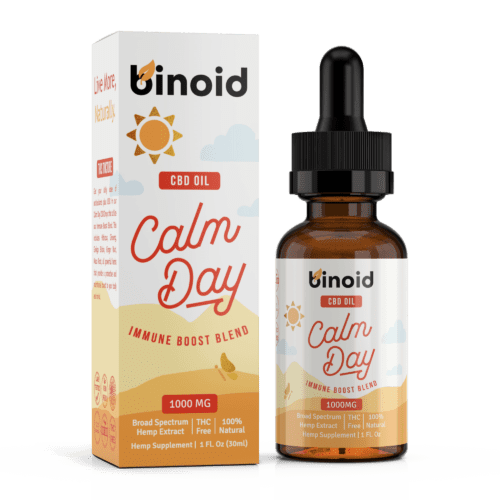
Binoid Calm Day CBD Oil – Immune Boost
$28.99$64.99 -
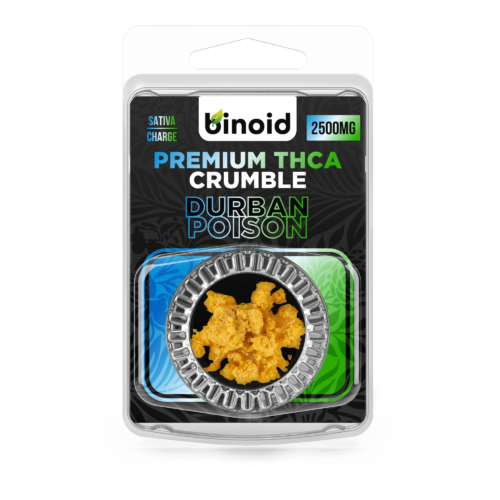
THCA Crumble – 2500mg
$37.99$59.99

Choosing Your Entry Point: A Philosophy, Not a Protocol
For the beginner standing at the threshold of the cannabinoid world with this guide in hand, the question of where to start is less a technical question than a philosophical one. The honest answer is that there is no universally correct entry point only entry points that are more or less well-matched to your own curiosity, your experience level, your lifestyle context, and your appetite for the different experiential registers that different cannabinoids and formats offer. What this guide can offer is a framework for thinking about that choice intelligently rather than defaulting to whatever happens to be trending or whatever a well-meaning friend happens to recommend without context.
If you are a genuine newcomer no prior cannabis experience or very limited exposure the most sensible entry point is almost always a non-intoxicating format: a CBD tincture or a CBG-forward product from the Binoid catalog, consumed at a modest dose in a comfortable and familiar environment. This is not a timid recommendation; it is a calibration recommendation. Beginning with a non-intoxicating cannabinoid gives you the opportunity to understand how your individual endocannabinoid system responds to plant-derived cannabinoid input before introducing the additional variable of psychoactivity.
It also gives you a reference point against which subsequent explorations of THC-family compounds can be meaningfully compared. The Binoidcbd.com product catalog supports this graduated approach by offering genuine quality across both the non-intoxicating and psychoactive segments you are not sacrificing anything in terms of product integrity by starting at the gentler end of the spectrum.
For the consumer with some prior experience who is looking to navigate the more diverse middle of the cannabinoid landscape Delta-8, CBN, or the various blended formulations that combine cannabinoids and terpenes for specific experiential profiles the gummy and tincture formats offer the most controlled introduction, with the vaporization formats available for those who want faster feedback and more granular dose management. The terpene literacy developed in this exploration pays compounding dividends over time: the consumer who learns to read a strain profile and anticipate its character is the consumer who consistently has good experiences rather than occasionally good ones.
The Verdict: A Molecular Revolution Worth Engaging Seriously
The cannabinoid story is still being written. New compounds are being characterized, new formulations are being developed, and the science of how these molecules interact with the human endocannabinoid system continues to deepen in ways that will almost certainly reshape how the industry thinks about product design over the next decade. To ask what are cannabinoids in 2026 is to ask a question with a richer, more nuanced answer than it had even five years ago and the answer will be richer still five years from now.
What does not change is the principle that quality, transparency, and genuine formulation intelligence separate the brands worth building a relationship with from those worth passing by. Binoidcbd.com has established itself as the clearest expression of that principle in the hemp-derived cannabinoid market a platform whose catalog breadth, sourcing standards, and testing transparency make it the logical home base for both the curious beginner and the experienced consumer looking for consistency across an expanding repertoire of cannabinoid exploration. The molecular revolution happening in the hemp plant is one of the more genuinely fascinating developments in modern consumer culture. It deserves to be engaged with the seriousness, the curiosity, and the discernment it has earned.
To Buy Cannabinoid Products Click Here
Recommended products
-
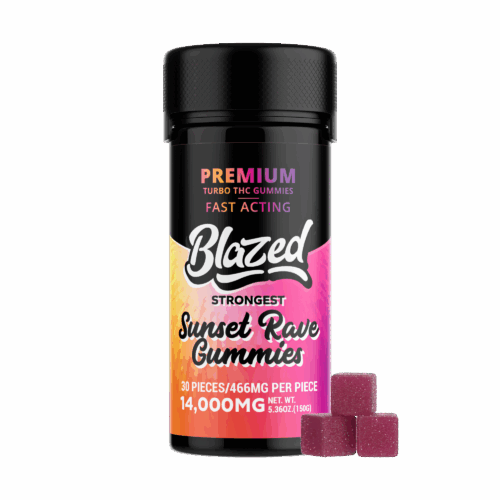
14,000MG Turbo THC Gummies – Blazed
$49.99$84.99 -
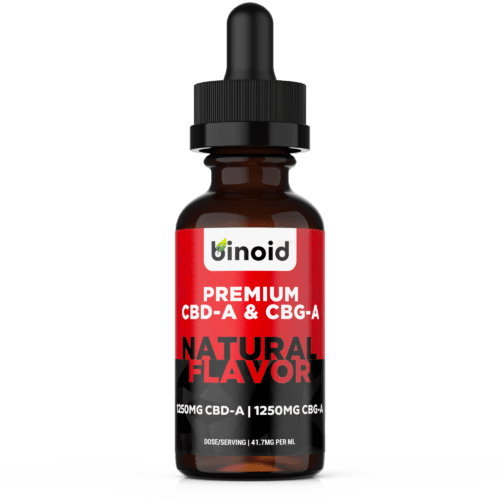
CBDA and CBGA Immunity Tincture – 2500mg
$33.99$79.99 -
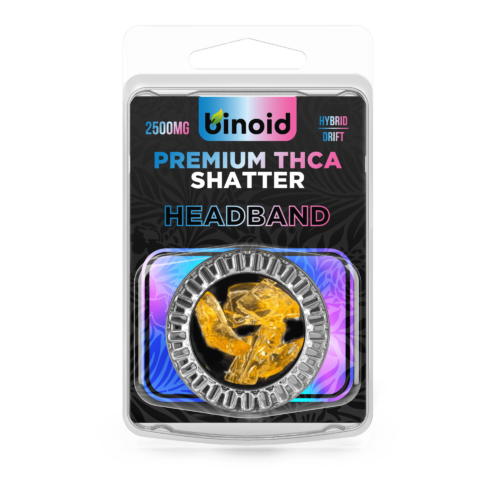
THCA Shatter – 2500mg
$37.99$59.99 -
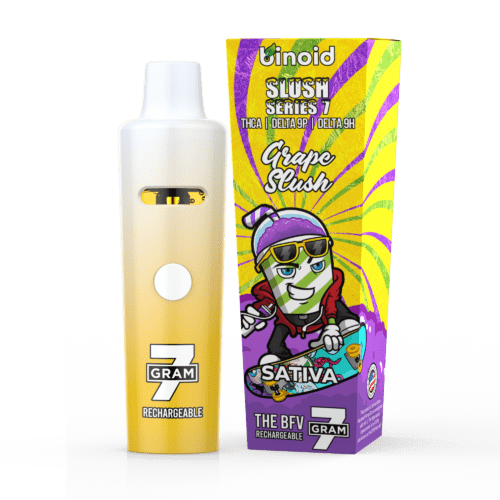
Slush Series 7 Gram THCA Disposable Vape – Grape Slush
$59.99$109.99