
There is a moment familiar to nearly every regular cannabis consumer, Delta 8 THC included, when a dose that once delivered a reliably satisfying experience begins to feel strangely muted, as though the volume knob on the entire encounter has been quietly turned down without anyone’s permission. The gummy that used to arrive with real weight behind it now feels like an afterthought.
The vape that once produced a clear, immediate lift now requires two or three pulls just to notice anything at all. This is not imagination, and it is not a sign that the product has changed. It is tolerance, one of the most well-documented and least well-understood phenomena in the entire cannabinoid conversation, and understanding how it works with Delta 8 THC specifically requires a genuinely careful look at receptor biology, individual variation, and the practical realities of sustained use.
To Buy Delta 8 THC Products Click Here
Recommended products
-
Delta 8 THC Wax Dabs
$25.99$44.99 -
Delta 8 THC Tincture (1000mg, 2500mg, 5000mg)
$25.99$44.99 -
Delta 8 THC Vape Cartridge
$26.99$39.99 -
Delta 8 THC Gummies
$29.99$44.99
What Tolerance Actually Is at the Receptor Level
Tolerance, in the pharmacological sense, describes the phenomenon in which repeated exposure to a substance produces a diminished response over time, requiring either a higher dose to achieve the same effect or an acceptance that the original effect is simply no longer available at the original dose. With cannabinoids broadly, and delta-8 THC specifically, this process is rooted in the behavior of the CB1 receptor, the primary site of psychoactive cannabinoid activity within the central nervous system.
Delta 8 THC, like its more famous cousin delta 9 THC, binds to CB1 receptors and triggers the cascade of neurological effects that consumers experience as the cannabinoid high, though delta 8’s binding affinity for CB1 is generally understood to be somewhat lower than delta 9’s, which is part of why consumers frequently describe delta 8 as delivering a gentler, more manageable version of a similar experiential territory.
With repeated and frequent activation, CB1 receptors undergo a process that researchers describe as receptor downregulation, in which the density of available receptors on neuronal surfaces actually decreases in response to sustained stimulation. This is not a unique or exotic phenomenon confined to cannabinoids. It is the same basic biological mechanism that produces tolerance to a wide range of substances that interact with specific receptor systems, from caffeine’s relationship with adenosine receptors to the well-documented tolerance patterns associated with various pharmaceutical compounds.
The body, in essence, is recalibrating its own sensitivity in response to what it perceives as an unusually persistent external signal, reducing the number of available receptors so that the same amount of cannabinoid produces a comparatively smaller effect. Alongside downregulation, some research points to receptor desensitization, a related but distinct process in which existing receptors become less responsive to cannabinoid binding even without a reduction in their overall number, compounding the diminished-effect experience that regular consumers report.
Why Delta 8 Tolerance Develops Differently Than You Might Expect
One of the more interesting wrinkles in the Delta 8 THC tolerance conversation involves the question of cross-tolerance with delta 9 THC and other cannabinoids that share the CB1 receptor pathway. Because delta 8 and delta 9 THC both activate the same receptor system, albeit with different binding affinities, consumers who have built substantial tolerance through regular delta 9 use, whether from traditional cannabis or hemp-derived delta 9 products, often find that their tolerance carries over meaningfully into their delta 8 experience, requiring higher starting doses than a delta 8-naive consumer might need.
This cross-tolerance effect works in both directions, meaning that heavy delta 8 users transitioning to delta 9 products, THC-P formulations, or other CB1-active cannabinoids often discover that their accumulated tolerance travels with them rather than resetting at zero simply because the specific molecule has changed.
This has practical implications for how consumers approach the broader hemp-derived cannabinoid market rather than treating delta 8 tolerance as an isolated phenomenon confined to a single product category. A consumer who has developed substantial tolerance through daily delta 8 gummy use, for instance, may find that switching to a THC-P vape or a delta 9 THC seltzer does not restore the fresh, more pronounced sensitivity they remember from their earliest cannabinoid experiences, precisely because the underlying receptor adaptation is substance-agnostic to a significant degree. Understanding this dynamic is genuinely useful for consumers trying to make sense of why a product switch doesn’t always deliver the reset they were hoping for, and why thoughtful consumption habits matter more than product selection alone in managing the tolerance question over the long term.
Recommended products
-
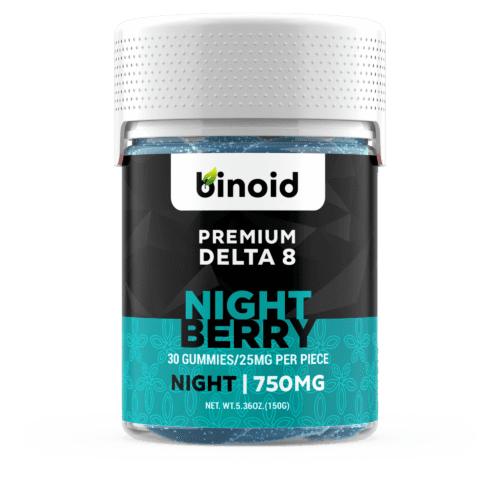
Delta 8 THC Gummies – Limited Edition
$33.99$38.99 -
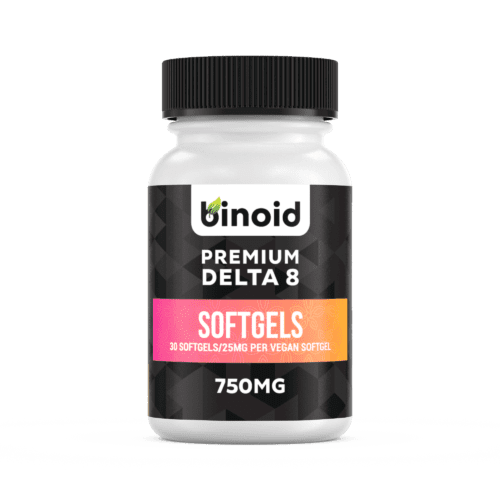
Delta 8 THC Capsules 750MG
$31.99$69.99 -
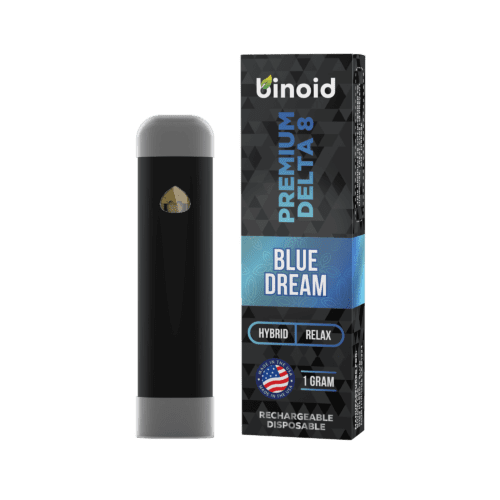
Delta 8 THC Rechargeable Disposable Vape
$26.99$54.99 -
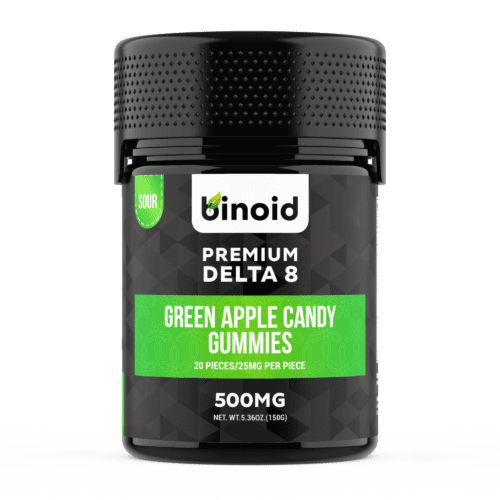
Delta 8 THC Gummies – Green Apple Candy
$29.99$44.99
The Variables That Determine Individual Tolerance Timelines
Not every consumer builds tolerance to Delta 8 THC at the same rate, and the variation between individuals is genuinely significant, shaped by a combination of biological, behavioral, and product-specific factors. Frequency of use is the most obvious variable, with daily or near-daily consumers generally developing measurable tolerance considerably faster than occasional or weekend users, simply because the receptor downregulation process requires sustained, repeated stimulation to progress meaningfully. Dosing consistency matters as well, since consumers who steadily increase their dose in response to diminishing effects, rather than maintaining a stable baseline, can inadvertently accelerate the tolerance cycle by continuously presenting the receptor system with an escalating stimulus to adapt to.
Individual metabolic factors also play a meaningful role, including body composition, since THC and its analogs are lipophilic compounds that distribute into fatty tissue, and individual variation in first-pass hepatic metabolism, which determines how efficiently ingested cannabinoids are processed and converted into active metabolites. Consumption format introduces its own variable, since edibles processed through the liver produce a different metabolic profile, including the notably potent 11-hydroxy-THC metabolite, compared to inhaled formats that bypass first-pass metabolism entirely, and this difference can influence both the felt intensity of individual sessions and the pace at which tolerance develops across each format.
Genetic variation in cannabinoid receptor density and endocannabinoid system function, an area of ongoing scientific interest, likely accounts for at least some of the considerable person-to-person variation that experienced consumers routinely report anecdotally, where two people of similar size and consumption habits can develop noticeably different tolerance timelines.
The Tolerance Break: What the Research and Anecdotal Evidence Suggest
The most widely discussed strategy for addressing cannabinoid tolerance, delta 8 included, is the tolerance break, colloquially known throughout cannabis culture as a t-break, in which a consumer abstains from cannabinoid use for a defined period to allow CB1 receptor density and sensitivity to recover toward baseline. The available research on cannabinoid receptor recovery suggests that meaningful CB1 upregulation can begin within a period of days to a few weeks of abstinence, though the complete return to a pre-tolerance baseline appears to require a longer window for consumers with an extensive and heavy use history.
This variation is significant enough that blanket recommendations about tolerance break duration should be treated with appropriate skepticism, since a two-week break might substantially restore sensitivity for a moderate consumer while barely denting the accumulated tolerance of someone with years of daily heavy use behind them.
Anecdotal reporting from the broader consumer community, while obviously less rigorous than controlled research, consistently points toward a pattern in which even relatively short breaks, in the range of one to two weeks, produce a noticeably restored sensitivity for most consumers, particularly those whose use has been moderate rather than extreme. This is one of the more encouraging aspects of cannabinoid tolerance compared to some other substances, since the receptor recovery process for CB1 appears to proceed relatively efficiently once the persistent stimulation is removed, rather than requiring the months or years of abstinence associated with tolerance and dependence patterns tied to certain other receptor systems.
Consumers considering a tolerance break often find it genuinely useful to treat the interval as an opportunity to reassess their broader relationship with cannabinoid products, including dosing habits, consumption frequency, and whether their current product formats and concentrations still align with the experience they’re actually seeking.
Recommended products
-
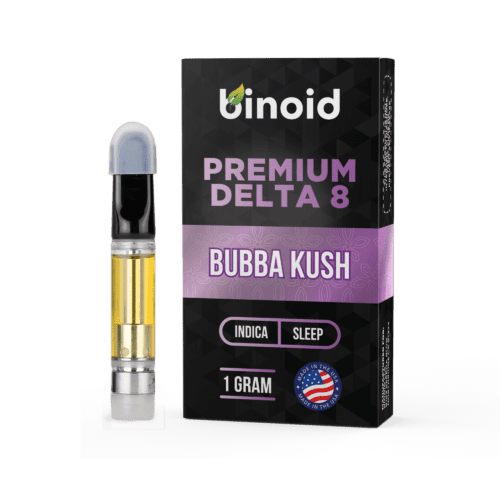
Delta 8 THC Vape Cartridge – Bubba Kush
$26.99$59.99 -
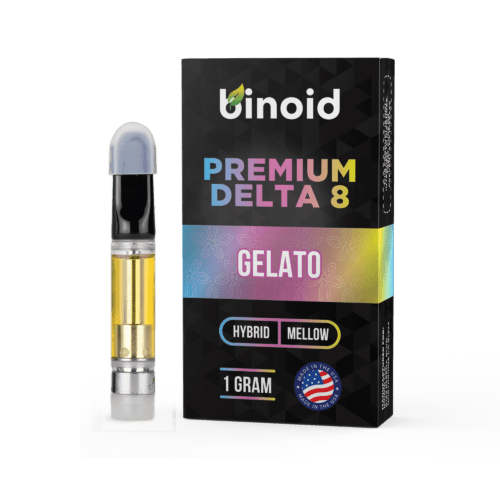
Delta 8 THC Vape Cartridge – Gelato
$25.99$54.99 -
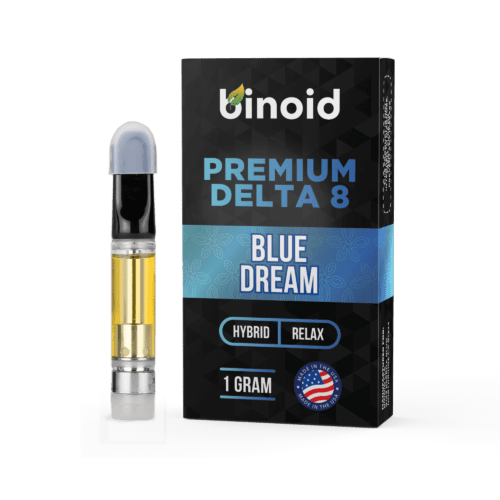
Delta 8 THC Vape Cartridge – Blue Dream
$26.99$54.99 -
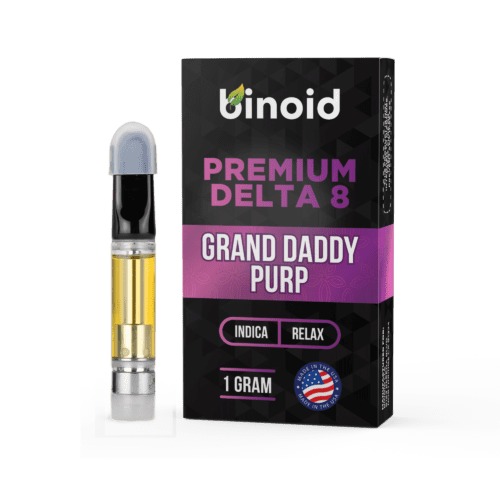
Delta 8 THC Vape Cartridge – Grand Daddy Purp
$26.99$54.99
Practical Approaches Beyond the Full Break
For consumers who aren’t interested in a full abstinence period, several less drastic approaches can help manage tolerance without eliminating consumption entirely. Rotating between different consumption formats, alternating between delta 8 gummies, tinctures, and vape formats rather than relying exclusively on one, can introduce enough variation in absorption pathway and onset timing to keep the experience feeling comparatively fresh, even though the underlying CB1 tolerance mechanism doesn’t fully discriminate between formats. Maintaining a stable, conservative dose rather than continuously escalating in response to diminishing returns is perhaps the single most practical strategy available, since it prevents the kind of runaway tolerance cycle that develops when a consumer chases the original intensity of their earliest experiences by continuously increasing their intake.
Some consumers also find value in exploring multi-cannabinoid formulations that combine Delta 8 with other cannabinoids operating through complementary or distinct pathways, since a well-formulated blend can deliver a satisfying and layered experience without relying entirely on escalating delta 8 concentration alone. This is part of the thinking behind the multi-cannabinoid blends available through BinoidCBD.com, which pair delta 8 with complementary cannabinoids in carefully dosed formulations designed to deliver a full, satisfying experience through entourage effect dynamics rather than requiring ever-larger single-cannabinoid doses to achieve the same result. Approaching tolerance thoughtfully, rather than simply chasing higher milligram counts, tends to produce a more sustainable and ultimately more satisfying long-term relationship with delta 8 products.
Making an Informed Decision About Your Own Consumption Pattern
The consumer who notices their Delta 8 experience flattening over time is not imagining things, and the underlying receptor biology driving that change is genuinely well-documented, even if individual timelines vary considerably from person to person. What matters most is approaching the situation with the same intentionality that should characterize every other cannabinoid purchasing decision, from understanding terpene profiles to verifying certificate of analysis documentation before ever considering a product’s psychoactive strength. Whether the right response to rising tolerance is a structured break, a format rotation, a shift toward multi-cannabinoid formulations, or simply an acceptance of a new, more moderate baseline depends entirely on individual goals and consumption history.
What remains constant across every one of these strategies is the value of sourcing Delta 8 products from a brand that provides the transparency and consistency necessary to make tolerance management genuinely possible in the first place. A consumer cannot make informed decisions about dosing and tolerance if the actual delta 8 concentration in their product is inconsistent from batch to batch, which is precisely why the batch-specific lab documentation available across the delta 8 product line at Binoidcbd.com matters as much for long-term consumers navigating tolerance questions as it does for first-time buyers trying to understand what they’re purchasing. Tolerance is not a flaw in the product or a sign that something has gone wrong. It is simply biology responding to consistency, and the consumer who understands that mechanism is the consumer best equipped to keep making choices that actually serve their own experience over the long term.
To Buy Delta 8 THC Products Click Here
Recommended products
-
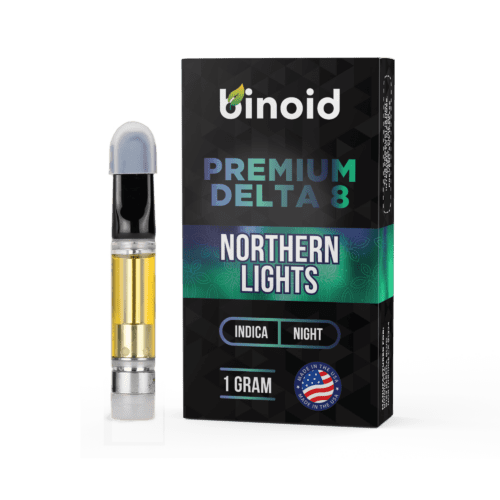
Delta 8 THC Vape Cartridge – Northern Lights
$26.99$59.99 -
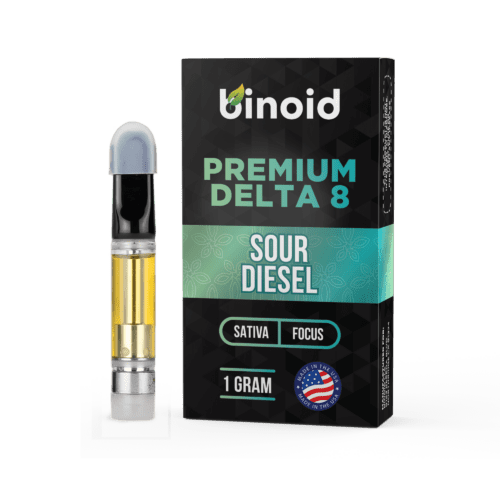
Delta 8 THC Vape Cartridge – Sour Diesel
$26.99$59.99 -
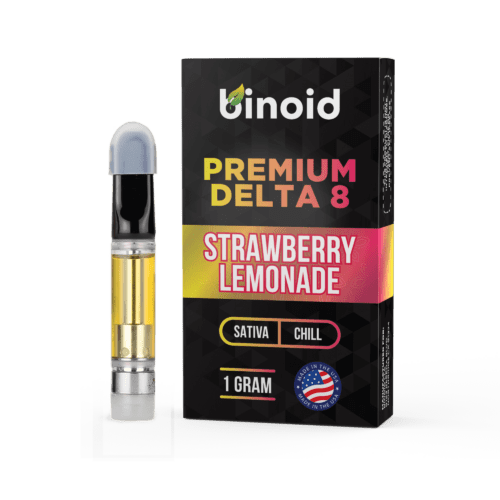
Delta 8 THC Vape Cartridge – Strawberry Lemonade
$25.99$54.99 -
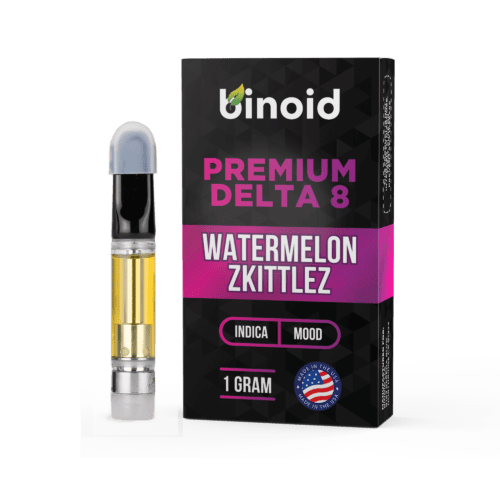
Delta 8 THC Vape Cartridge – Watermelon Zkittlez
$26.99$59.99