There is a particular kind of confusion that settles over even seasoned hemp consumers the first time they encounter a bottle labeled CBG tincture sitting on a shelf beside a dozen bottles of CBD. Both promise calm. Both promise clarity. Both arrive with the same reassuring absence of intoxication, the same third-party lab documentation, the same vocabulary of wellness and molecular precision. And yet these are not the same molecule wearing two different labels — they are genuinely distinct compounds, produced through different biosynthetic pathways, interacting with the endocannabinoid system in different ways, and increasingly understood by researchers and connoisseurs alike as complementary rather than interchangeable tools in a well-considered cannabinoid regimen.
Understanding the CBG vs CBD difference is quickly becoming one of the more useful pieces of knowledge a hemp consumer can carry into the marketplace, not because either compound is complicated in isolation, but because the relationship between them tells a richer story about how the cannabis plant actually works.
To Buy CBG Products Click Here
The Mother of All Cannabinoids
To understand cannabigerol, or CBG, you have to go back further in the plant’s biochemistry than almost any other conversation in the hemp space requires. CBG is often described, with good reason, as the “mother cannabinoid” — the foundational compound from which many of the plant’s other cannabinoids are enzymatically derived. Cannabigerolic acid, or CBGA, is the first cannabinoid the plant produces during its growth cycle, and specific plant enzymes then convert CBGA into the acidic precursors of THC, CBD, and CBC, depending on which enzymatic pathway dominates in a given cultivar.
This means that in most mature cannabis and hemp plants, very little CBGA survives to become CBG itself, because the plant has already converted the overwhelming majority of it into these downstream cannabinoids by the time of harvest. This biochemical reality is precisely why CBG has historically been a minor, hard-to-source cannabinoid, and why it commands a premium in the marketplace relative to its more abundant cousin. Breeders have had to develop specific cultivars — often harvested earlier in the flowering cycle, before the conversion enzymes have fully done their work — specifically to preserve meaningful concentrations of CBG for extraction.
Cannabidiol, or CBD, by contrast, is one of those downstream products: the acidic form CBDA is converted into CBD through decarboxylation, the same heat-driven process that converts THCA into delta 9 THC, and it exists in far greater natural abundance in hemp cultivars specifically bred for high CBD expression. The upshot is that CBG and CBD are related — CBG is, in a sense, upstream of CBD in the plant’s own manufacturing process — but they are not the same finished compound, and the plant treats them as entirely separate destinations.
Two Molecules, Two Receptor Stories
The endocannabinoid system is where the practical distinction between these two cannabinoids becomes most interesting, because CBG and CBD engage with it through meaningfully different mechanisms. CBD is well documented as having a low binding affinity for both the CB1 and CB2 receptors, and much of its interest to researchers comes instead from its interaction with other receptor systems entirely — including serotonin receptors and TRPV channels — as well as its role as a negative allosteric modulator at CB1, meaning it can actually reduce the intensity of intoxication when consumed alongside THC.
CBG operates differently. Early pharmacological research suggests CBG may act as a partial agonist at both CB1 and CB2 receptors, engaging the same receptor architecture that THC uses, but without producing intoxicating effects — a distinction that places it in a genuinely unique position among cannabinoids. CBG has also drawn research interest for its interaction with alpha-2 adrenergic receptors and its apparent ability to block certain serotonin receptor subtypes, interactions that differ meaningfully from CBD’s receptor profile and that researchers believe may account for some of the qualitative differences consumers report between the two compounds.
None of this constitutes a therapeutic claim — the science here remains an active area of investigation, not a settled clinical consensus — but it does establish, at a purely mechanistic level, that CBG and CBD are not redundant compounds doing the same job through different marketing language. They are structurally similar molecules taking meaningfully different routes through the body’s own regulatory network.
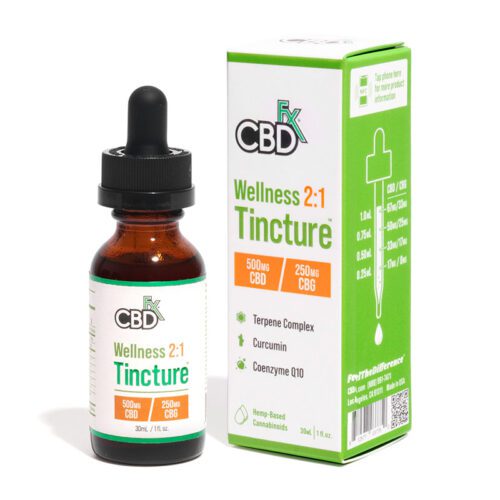
The Experiential Distinction Consumers Actually Notice
Set the receptor pharmacology aside for a moment and consider what consumers who have spent real time with both compounds actually report, because the experiential distinction between CBG and CBD is one of the more consistently described phenomena in the informal consumer research that circulates through hemp forums, retailer reviews, and word-of-mouth recommendation.
CBD is broadly associated with a sense of calm, physical ease, and a gentle smoothing of mental noise — the kind of experience that many consumers describe as taking the edge off without altering their fundamental state of alertness or presence. CBG, by contrast, is frequently described using more energizing, clarifying language: a sense of focus, of mental sharpness, of what some in the industry have started calling “clean energy” in contrast to the jittery, overstimulated quality that caffeine can sometimes produce.
This is anecdotal territory, not clinical fact, but it is consistent enough across independent consumer reports that it has shaped how premium brands formulate and market their CBG-specific product lines. It also explains why CBG has found a particular audience among consumers who want a non-intoxicating cannabinoid experience for daytime use — during work, during exercise, during any context where CBD’s more sedating reputation feels like the wrong tool for the moment. This is not to say CBD lacks daytime utility; formulation, dose, and individual biochemistry all shape the actual experience meaningfully. But the general pattern — CBD trending toward ease and CBG trending toward clarity — is real enough that it has become a genuine product-development consideration rather than a marketing invention.
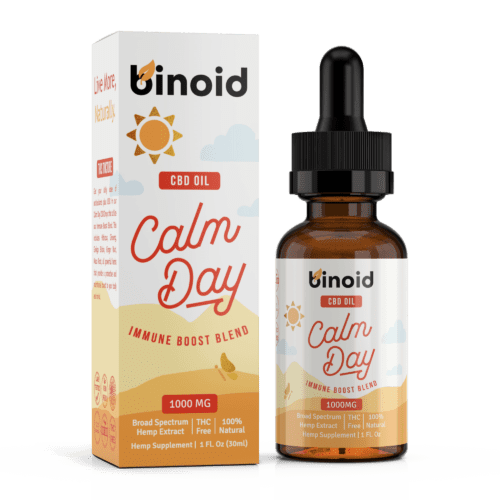
Sourcing Scarcity: Why CBG Costs More and What That Means for Quality
The economics of CBG production are worth understanding, because they directly explain the price gap consumers encounter between CBG and CBD products on the shelf. Because mature hemp plants naturally convert most of their CBGA into other cannabinoids, extracting meaningful quantities of CBG requires either harvesting specific cultivars at an earlier developmental stage — sacrificing overall biomass yield to preserve CBG concentration — or using genetically selected “CBG-dominant” hemp strains that have been specifically bred to interrupt or slow the conversion pathway.
Both approaches are more resource-intensive and lower-yield than standard CBD-dominant hemp cultivation, and that scarcity translates directly into higher raw material costs, which in turn shapes retail pricing across the category. This scarcity dynamic makes sourcing integrity even more consequential for CBG products than for the broader hemp catalog, because the economic incentive to cut corners — diluting CBG isolate, blending in cheaper CBD to stretch a formulation, or sourcing from biomass of uncertain provenance — is measurably higher than it is for a cannabinoid the plant produces in relative abundance.
This is precisely the environment in which Binoid CBD‘s approach to CBG formulation distinguishes itself: rather than treating CBG as a boutique afterthought bolted onto an existing CBD line, the brand has invested in dedicated CBG-specific sourcing relationships and batch-verified extraction processes that respect the genuine scarcity of the compound rather than obscuring it. Every CBG product available through BinoidCBD.com ships with the same rigor of third-party laboratory documentation that governs the rest of the catalog — cannabinoid potency verification, residual solvent screening, heavy metal analysis — which matters more, not less, in a category where the economic pressure to cut corners is structurally higher.
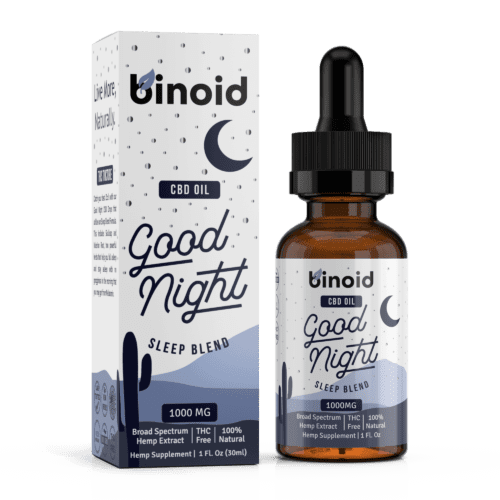
Reading Labels: What a Trustworthy CBG Product Actually Discloses
Given the scarcity and cost dynamics at play, a consumer evaluating CBG products should apply a slightly more rigorous label-reading standard than they might for a mainstream CBD purchase. A trustworthy CBG product will disclose the specific milligram concentration of CBG present — not a vague “hemp extract blend” descriptor — and that concentration should be verifiable against a current, batch-specific certificate of analysis from an ISO 17025 accredited laboratory. Consumers should be wary of products that market themselves prominently as “CBG” while the actual lab-verified CBG content is a small fraction of a larger CBD-dominant formulation, a practice that trades on CBG’s premium positioning without delivering a genuinely CBG-forward experience.
Binoid CBD‘s product listings address this directly, with COA documentation searchable by batch number and cannabinoid breakdowns presented with the specificity that lets an informed consumer verify exactly what they’re purchasing before checkout. This transparency matters especially in a segment of the market where the price premium commanded by CBG creates a real incentive for less scrupulous brands to blur the line between “CBG product” and “CBD product with a token amount of CBG for label purposes.”
Formats and Formulation: How CBG Shows Up Across the Catalog
CBG has increasingly found its way into the same range of consumption formats that have made CBD a mainstream wellness category, and the format decision matters as much for CBG as it does anywhere else in the hemp catalog. CBG tinctures, typically suspended in an MCT or similar carrier oil, remain the most straightforward and dose-precise format, allowing consumers to calibrate their intake with the kind of granularity that a dropper allows and that other formats cannot easily replicate.
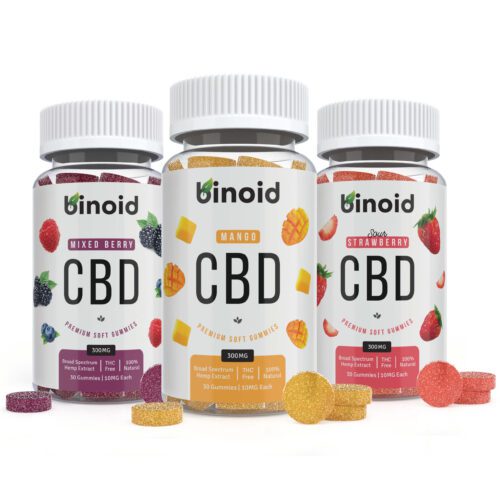
CBG gummies and other edible formats trade some of that dosing precision for convenience and palatability, running through first-pass hepatic metabolism in a way that shapes onset time and duration differently than sublingual tincture administration. Increasingly, formulators have also begun exploring CBG-CBD blend products deliberately, rather than treating the two cannabinoids as competitors — combining them in ratios designed to capture CBD’s grounding qualities alongside CBG’s clarity-oriented profile, an approach that reflects a maturing understanding of the entourage effect and the way cannabinoids can modulate each other’s experiential character when consumed together rather than in isolation.
Binoid CBD‘s catalog reflects this range thoughtfully, offering both CBG-forward single-cannabinoid formulations for consumers who want to isolate and evaluate the compound specifically, and blended formulations for those more interested in a combined experiential profile — each backed by the same sourcing and lab-verification standard that defines the brand’s broader product ecosystem.
Making the Choice: A Consumer Decision Framework
The practical question most consumers actually want answered — CBG or CBD? — resolves less into a competition and more into a matter of matching the compound to the intended context and desired experience. A consumer seeking a non-intoxicating option for winding down in the evening, easing physical tension after a demanding day, or generally supporting a sense of calm is likely to find CBD’s broadly documented profile better aligned with that goal, and the sheer market maturity and cultivar diversity available in CBD products gives that consumer more formulation options to explore at a range of price points.
A consumer seeking a non-intoxicating option for daytime focus, mental clarity during demanding work, or a cleaner-feeling alternative to caffeine-driven stimulation has genuine reason to explore CBG specifically, understanding that they are paying a scarcity premium for a compound that the plant simply produces in smaller natural quantities. Neither compound should be evaluated as objectively superior to the other — they are different tools engineered by the same plant for different purposes, and the informed consumer treats the choice as a matter of fit rather than hierarchy.
What both compounds demand, regardless of which one a consumer chooses to prioritize, is the same baseline standard of sourcing transparency and laboratory verification — a standard that Binoid CBD has built its entire non-intoxicating cannabinoid catalog around, and one that turns the CBG vs CBD decision from a guessing game into an informed, deliberate act of consumer discernment.