The Cannabinoid Born from Neglect
Most cannabinoids are manufactured by the plant itself, assembled by enzymes in the trichomes with the quiet precision of a watchmaker. CBN, or cannabinol, is different, because it is largely a product of time. When THC is exposed to oxygen, heat, and light, it slowly degrades, and one of the molecules left behind is cannabinol. In other words, CBN is what happens to a famous compound when it grows old, and that origin story gives it an unusual place in the cannabinoid family: a minor molecule with a major reputation, earned not through potency but through association.
That reputation has made it one of the most searched terms in the evening-oriented corner of the hemp market, and the phrase CBN for sleep appears in countless queries from people trying to understand what the molecule is and whether it belongs in their routine. This article takes the question seriously while staying firmly in the domain of molecular science and lifestyle. We will not be making promises about what any cannabinoid does inside a body, because those claims belong to medicine and not to a magazine. What we can do is explain what CBN is, why it earned its nighttime reputation, how it is used in modern products, and how to evaluate them intelligently.
The more interesting story, in any case, is cultural. CBN has become the emblem of a broader shift in how adults think about the end of the day, treating the evening as a deliberate part of life rather than whatever is left after the emails stop. A cannabinoid that arrived through degradation has become a symbol of intention, and that irony is worth exploring.
To Buy CBN Products Click Here
A Short Biography of Cannabinol
Chemically, CBN is a close relative of THC, sharing much of the same carbon scaffold but differing in the arrangement of its ring structure after oxidation. That change alters how the molecule interacts with the endocannabinoid system, including the CB1 and CB2 receptors where cannabinoids exert their influence. CBN is generally described as only mildly psychoactive, with an affinity for those receptors that is substantially weaker than that of delta 9 THC, which is why it is categorized as a minor cannabinoid rather than a headline act.
For most of cannabis history, CBN was an incidental finding, detected in old or poorly stored flower and treated by growers as a sign of degradation. Cannabis that had sat too long in a warm drawer carried more of it, and the folk wisdom around aged material, that it felt heavier and more settled, gradually attached itself to the molecule. Whether that folk wisdom reflects CBN itself, other aged compounds, or simply the expectations of the person holding the jar is a question the scientific literature has only begun to explore, and anyone offering certainty is selling something.
What changed in the modern era is the ability to produce CBN deliberately. Through controlled processing of hemp-derived material, manufacturers can now generate and isolate it on purpose, which makes it a legitimate ingredient with a predictable concentration rather than an accident of storage. That shift from accident to design is the foundation of every CBN product on the market today, and it is a good example of how hemp chemistry has matured under the framework of the 2018 Farm Bill.
Why the Evening Became CBN’s Territory
Cannabinoids acquire reputations the way restaurants do, through repetition and word of mouth, and CBN‘s reputation settled on the nighttime. Consumers who tried it, and who often paired it with the quiet habits of an evening, began describing it in terms of calm, heaviness, and ease. Those are subjective impressions, and they are shaped by context, dosage, tolerance, and the rest of the formulation, which is a reminder that experience is never the property of a single molecule.
The reputation also draws strength from the company CBN keeps. Evening-oriented formulations frequently combine it with other cannabinoids and with terpenes associated with a relaxed aromatic profile, and the combined result is what people notice. This is the logic of the entourage effect, the idea that cannabinoids and terpenes may modulate one another when consumed together. The evidence for the strongest versions of that idea remains under investigation, but the formulation philosophy is sound enough that thoughtful brands build around it, and the sensory experience of a well-composed blend is real even where the mechanisms are still being mapped.
It is worth pausing on the role of ritual. A person who sets aside the last hour of the day, dims the lights, and chooses a deliberate product to mark the transition is doing something that has little to do with chemistry alone. The ritual signals a boundary between the productive part of life and the restorative part, and the product becomes a participant in that signal. A cannabinoid with an evening reputation is useful partly because it fits the shape of the occasion.

Gummies, Tinctures, and the Pharmacokinetics of Patience
Format shapes the experience as much as the molecule does, and nowhere is that clearer than in the evening category. Gummies are the dominant format for CBN because they are discreet, precisely dosed, and easy to fold into a routine. When consumed, a gummy follows the path of any edible, passing through the digestive tract and the liver, where first-pass metabolism transforms the cannabinoids and shapes the timing of the experience. This is why edibles arrive more slowly than inhaled products and last longer, a pharmacokinetic reality that rewards patience and punishes impatience.
That timing has practical implications. Someone who plans an evening around an edible has to think ahead, because the onset can take an hour or more, and the temptation to take a second portion before the first has had time to arrive is the classic mistake of the format. A sensible approach respects the delay, starts with a modest amount, and waits. Responsible use is not a disclaimer tacked on at the end; it is the core skill of the edible consumer, and it applies to every cannabinoid in this category.
Tinctures offer a different rhythm. Held under the tongue, they allow some absorption through the mucous membranes, which can shorten the timeline and give the user finer control over portions. Those who prefer to adjust gradually may find that format more intuitive, though it requires a tolerance for the earthy flavor of an oil. Either way, the lesson is the same: the format is a decision about timing, and timing is a decision about the shape of your evening.
What Separates a Good CBN Product from a Forgettable One
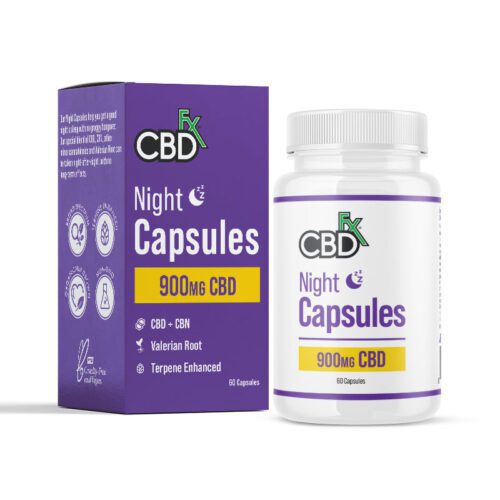
Because CBN is a minor cannabinoid, the quality of a product depends heavily on how it was made and how honestly it is labeled. The first question is where the CBN came from, because the conversion process requires clean starting material and careful chemistry. A product built from a well-extracted, well-purified hemp distillate has a different character than one assembled from whatever was cheapest, and the difference shows up in flavor, consistency, and the confidence with which the brand can discuss its own formulation.
The second question is dose accuracy. A gummy that claims a specific amount of CBN should contain that amount, and the only way to verify it is through batch-specific laboratory documentation. A certificate of analysis from an ISO 17025 accredited lab should list the cannabinoid profile, confirm that the label matches the contents, and report the safety panels for solvents, metals, pesticides, and microbes. Binoidcbd.com publishes this kind of documentation across its catalog, which is exactly the standard a consumer should expect when buying anything meant to be part of a nightly routine.
The third question concerns storage, a subject with delicious irony in this context. Because CBN is itself a degradation product of THC, the ongoing aging of cannabinoids in a poorly stored product can shift its profile over time. Keeping gummies in a cool, dark, airtight container preserves the formulation as the maker intended, and treating storage as part of the experience is one of the simplest ways to protect the quality of what you bought.
Reading the Marketplace with a Skeptic’s Eye
The evening cannabinoid category is crowded with language that tries to say more than it can legally or scientifically support, and a thoughtful buyer learns to notice it. Phrases that promise outcomes, guarantee results, or imply that a gummy will accomplish something specific inside the body are red flags, because the evidence does not support that level of confidence and the regulators are paying attention. The more trustworthy approach is to describe the molecule, the formulation, and the experience a consumer might reasonably expect to explore, while leaving health conclusions to the professionals who are qualified to draw them.
This skepticism extends to the research itself. Cannabinol has been studied far less than THC or CBD, and the existing work is early, limited, and often conducted under conditions that do not map neatly onto consumer products. Treating that literature as settled would be a mistake, and so would dismissing it. The honest position is curiosity: the molecule is genuinely interesting, the science is developing, and anyone claiming a definitive answer is ahead of the evidence.
It also helps to remember that your own experience is a variable. Body chemistry, tolerance, diet, setting, and mindset all influence how any cannabinoid feels, which is why two people can take the same product and describe it differently. Keeping notes, starting small, and adjusting over time is a more reliable method than trusting any universal claim, and it turns the process into the kind of self-directed exploration that adult consumers tend to enjoy.
A Decision Framework for the Evening Ritual
If you are curious about CBN, begin with intention rather than impulse. Decide what kind of evening you are designing, whether quiet reading, a long dinner, or an unhurried hour of music, and then consider whether a CBN-forward product suits that occasion. Choose a format that matches your preferred timing, remembering that edibles reward patience and tinctures reward attention, and start with a modest portion so you can learn how it fits your own rhythm. Avoid combining it with other substances, and never drive or operate machinery after using any cannabinoid product.
Then apply the same standards you would apply to any purchase. Look for a brand that sources responsibly, extracts and refines with care, and publishes batch-specific laboratory results that you can read yourself. This is where BinoidCBD earns its place in the conversation, offering a catalog supported by accessible testing and a clear commitment to transparency. A product from a brand that treats documentation as a feature rather than a burden is a product you can evaluate with your eyes open.
Finally, hold your expectations lightly. CBN is a fascinating minor cannabinoid with a story that begins in decay and ends in design, and it has found a natural home in the evening hours of adults who care about how they spend them. The best way to appreciate it is as part of a considered ritual, supported by reliable products, informed by honest information, and enjoyed with the same good sense you would bring to any other decision about your own life.