Somewhere in the proliferating lexicon of hemp-derived cannabinoids a vocabulary that expands monthly with new molecular designations, isomer designations, and proprietary blend names two terms have emerged as the foundational reference points around which most consumer conversations eventually orbit. Delta 8 THC and Delta 9 THC are not exotic newcomers or laboratory curiosities.
They are the most discussed, most purchased, and most debated compounds in the modern hemp market, and the comparison between them has become something close to the central question of informed cannabinoid consumption. Which one is stronger? Which one is cleaner? Which one is right for a particular person, context, or intention? These are the questions this piece exists to answer not with the hedging, liability-adjacent vagueness that characterizes most industry content on the subject, but with the molecular specificity and experiential honesty that educated consumers deserve.
To Buy Delta 8 THC Products Click Here
Recommended products
-
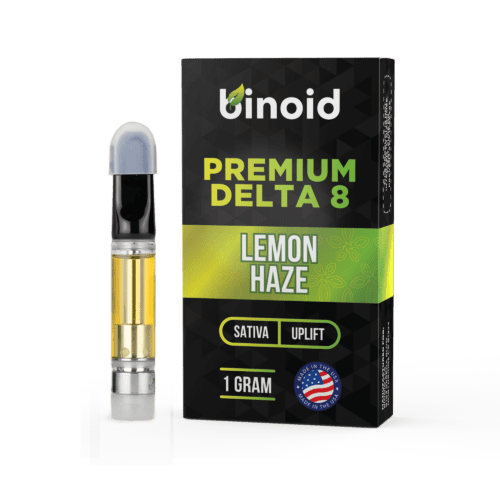
Delta 8 THC Vape Cartridge
$26.99$39.99 -
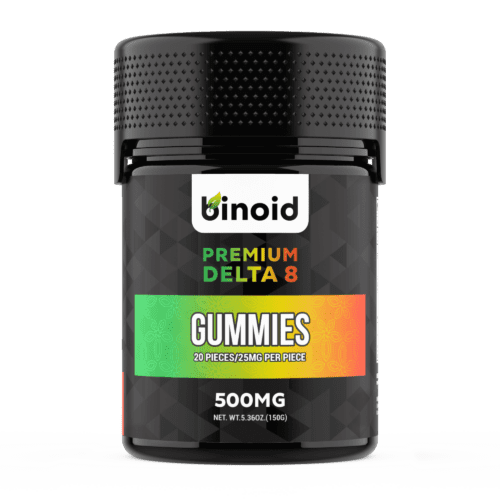
Delta 8 THC Gummies
$29.99$44.99 -
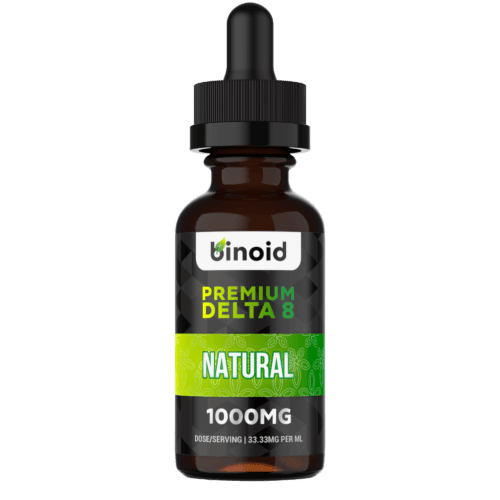
Delta 8 THC Tincture (1000mg, 2500mg, 5000mg)
$25.99$44.99 -
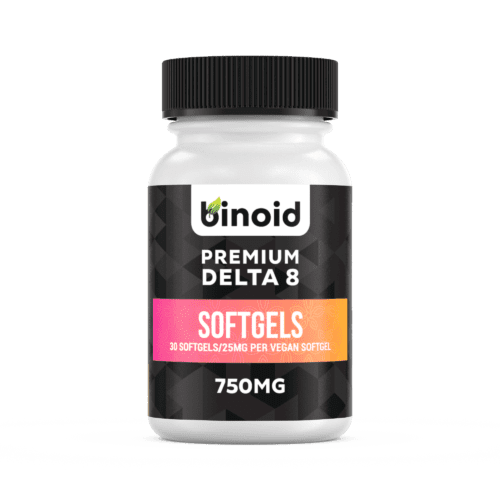
Delta 8 THC Capsules 750MG
$31.99$69.99
Two Molecules, One Carbon Bond Apart: The Chemistry That Explains Everything
The relationship between Delta 8 and Delta 9 THC is encoded in their names, and understanding that nomenclature unlocks the entire comparison. Both compounds are tetrahydrocannabinol both belong to the same molecular family, share the same core carbon scaffold, the same aromatic ring structure, and the same alkyl side chain that confers their cannabinoid activity. What separates them is the location of a single double bond in the cyclohexene ring of the molecule. In delta 9 THC, that double bond sits at the ninth carbon position. In delta 8 THC, it sits at the eighth. That single positional shift one carbon, one bond, a structural difference so subtle it borders on the philosophical produces two compounds with meaningfully different affinities for the receptors that govern the cannabis experience.
Both Delta 8 and Delta 9 bind to the CB1 receptor, the primary receptor of the endocannabinoid system located predominantly in the central nervous system, which is the neurological site of THC’s psychoactive activity. Delta 9 THC binds to CB1 with high affinity and produces the well-documented cascade of effects that define the traditional cannabis experience. Delta 8 THC binds to the same receptor but with somewhat lower binding affinity a consequence of that eighth-position double bond creating a slightly different three-dimensional molecular geometry at the binding site. This difference in binding affinity is not merely academic. It is the pharmacological basis for every experiential distinction that users report between the two compounds, and it is why the delta 8 vs delta 9 comparison is worth taking seriously rather than dismissing as marketing taxonomy.
The Delta 9 Experience: Full Spectrum, Full Intensity
Delta 9 THC is the compound against which every other cannabinoid is implicitly measured. It is the molecule that built the cannabis industry, shaped federal drug policy for generations, and produced the cultural, medical, and recreational conversation that surrounds cannabis to this day. Its experiential profile at moderate doses is something that experienced consumers describe with remarkable consistency: a cerebral elevation that sharpens sensory perception while simultaneously loosening the grip of routine cognition; a heightened attentiveness to music, food, and conversation; a quality of presence that alternates between introspective depth and social warmth depending on the cultivar, the dose, and the individual’s endocannabinoid baseline.
At higher doses, or in edible formats where the liver metabolizes Delta 9 into 11-hydroxy-THC a more potent, longer-lasting metabolite that crosses the blood-brain barrier with greater efficiency than delta 9 itself the experience can shift considerably. Edible delta 9 is a categorically different pharmacological event than smoked or vaporized delta 9, a distinction that catches even experienced consumers off guard when they underestimate the dose or overestimate their tolerance.
The onset of edible Delta 9 can range from 45 minutes to two hours; the duration can extend to six hours or beyond; and the sedative, body-heavy quality of 11-hydroxy-THC at significant concentrations represents a depth of effect that delta 9 in inhaled form rarely approaches. Hemp-derived delta 9 products available through BinoidCBD.com including gummies formulated to precise milligram doses deliver this full-spectrum delta 9 experience within a legal framework that requires no dispensary access, no medical card, and none of the pricing overhead that state-licensed retail typically imposes.
The Delta 8 Experience: Precision, Clarity, and a Lower Ceiling
Delta 8 THC‘s experiential profile is most accurately described not as a weaker version of delta 9, but as a distinct experiential register with its own particular strengths and an audience it serves exceptionally well. Users consistently describe delta 8 as producing a cleaner, more mentally transparent experience than delta 9 an elevation that maintains functional clarity where delta 9 at equivalent doses might produce something cloudier, more sedating, or less easy to manage in an active context.
The anxiolytic quality that many users associate with Delta 8 the sense that the compound’s ceiling is lower and its arc more predictable is not a placebo effect. It appears to reflect real differences in the way delta 8’s slightly reduced CB1 binding affinity translates into a psychoactive profile that is less likely to tip into the territory of racing thoughts, heightened paranoia, or the pronounced perceptual intensification that some users find uncomfortable at higher delta 9 doses.
This makes Delta 8 an outstanding entry point for consumers who are approaching cannabinoid intoxication with genuine curiosity but appropriate caution. It also makes it the preferred daily-use compound for a significant segment of experienced consumers who have found that delta 9’s potency creates friction with their professional, social, or cognitive obligations in ways that delta 8 simply does not. The market for delta 8 vape cartridges, gummies, and tinctures at BinoidCBD.com reflects this: a consumer base that is not settling for a lesser compound but actively choosing one that fits their lifestyle with greater precision. Delta 8 is not delta 9 lite. It is delta 9’s more manageable sibling and for a large and growing segment of the cannabinoid market, that distinction represents exactly what they were looking for.
Potency Comparison: What the Numbers Actually Mean
The question of relative potency between Delta 8 and Delta 9 is one where consumer intuition and scientific measurement tend to align reasonably well, though the precise figures vary across methodologies. Studies examining the comparative psychoactive potency of delta 8 vs delta 9 at equivalent doses generally suggest that delta 8 is approximately 60 to 75 percent as potent as delta 9 by weight when consumed through inhalation a meaningful but not dramatic difference, and one that translates into practical guidance rather than a definitive hierarchy.
In practice, this means that a consumer who finds 10mg of delta 9 THC to be their comfortable experiential threshold would likely find that 15 to 20mg of delta 8 produces a broadly comparable effect. It also means that a consumer who finds 10mg of delta 9 to be too intense too sedating, too paranoia-adjacent, too cognitively overwhelming might find that 10mg of delta 8 sits comfortably within their preferred range. The potency relationship is linear enough to provide useful guidance but variable enough, across individual biochemistry and consumption format, to require personal calibration. Both Delta 8 and Delta 9 products at BinoidCBD.com are formulated to precise milligram concentrations and verified through third-party COA testing, which makes this kind of intentional, dose-aware consumption actually achievable rather than a guessing game conducted against a poorly labeled product.
Recommended products
-
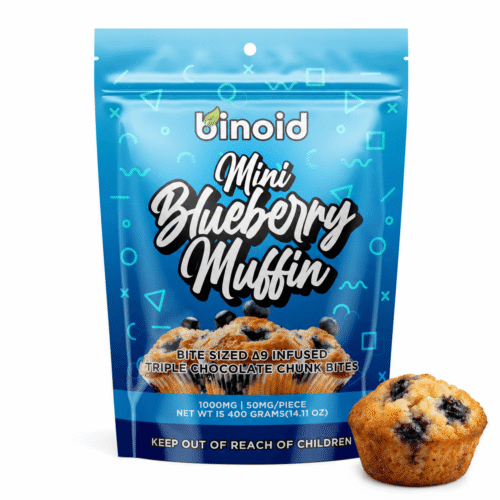
Delta 9 Mini Blueberry Muffin Bites – 1000MG (Limited Supply)
$34.99$39.99 -
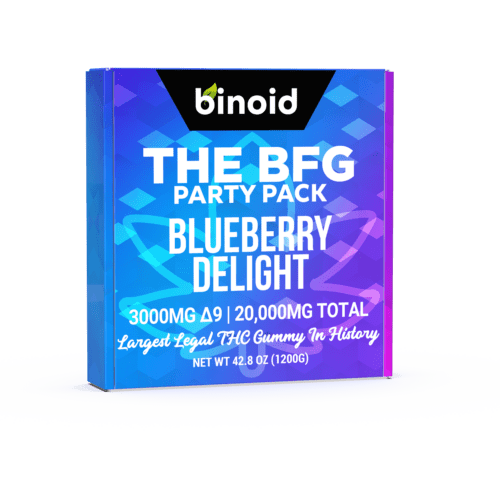
The BFG – 3000mg Delta 9 THC Gummy
$128.99$239.99
Legal Status: Where Each Compound Stands in 2025
The legal landscape governing Delta 8 and Delta 9 THC in the hemp market is one of the more nuanced regulatory conversations in contemporary consumer products, and first-time buyers owe it to themselves to understand it with some precision. Hemp-derived delta 9 THC occupies relatively clear legal territory under the 2018 Farm Bill: products containing no more than 0.3% delta 9 THC by dry weight are federally compliant hemp products, which means that a precisely formulated delta 9 gummy engineered to contain a meaningful experiential dose of delta 9 while remaining below the dry-weight threshold is, by the letter of federal law, a legal hemp product.
Delta 8 THC occupies slightly more complicated legal terrain. Because delta 8 does not occur in hemp in commercially significant natural concentrations, the delta 8 available in consumer products is almost universally produced through isomerization a chemical process that converts CBD into delta 8 through controlled reaction conditions. The DEA has periodically signaled that synthesized cannabinoids derived from hemp CBD may not qualify for hemp’s protected status, though this position has not been consistently codified into enforceable federal regulation.
More concretely, a growing number of states have moved to restrict or ban delta 8 specifically, independent of the federal framework. Consumers purchasing Delta 8 products should verify their state’s current regulatory position, and should source exclusively from brands like BinoidCBD.com that maintain current legal compliance monitoring, geo-restrict shipping appropriately, and publish the kind of transparent documentation that demonstrates genuine accountability to the regulatory framework rather than a casual posture toward it.
Format Matters: How Delivery Method Amplifies the Differences
The Delta 8 vs Delta 9 comparison does not exist in a delivery-format vacuum, and the method of consumption meaningfully amplifies the experiential differences between the two compounds. In vape cartridge and disposable formats arguably the most popular delivery format for both compounds in the hemp market the differences are relatively accessible and controllable: the onset is fast (typically within five to ten minutes), the duration is moderate (one to two hours for most users), and the dose can be self-titrated in real time by adjusting the number and length of inhalations. Delta 9 vapes in this format tend to produce a more immediately pronounced effect than delta 8 vapes at equivalent inhalation volumes, which is useful guidance for the consumer calibrating their experience.
In gummy and edible formats, the Delta 8 vs Delta 9 distinction becomes more consequential because the longer onset window and the involvement of hepatic metabolism with its conversion of delta 9 into the more potent 11-hydroxy-THC mean that the experience ceiling is higher and harder to predict in real time. A consumer who underestimates a delta 9 gummy and takes a second dose because the first hasn’t kicked in after forty-five minutes is a consumer who has set themselves up for an involuntary experiment at the higher end of the dose-response curve.
For edible consumption, delta 8 gummies offer a meaningfully more forgiving experience: the slower onset is still present, the duration is still extended, but the experiential ceiling is lower and the arc is less likely to surprise an impatient consumer who overestimates the delay. The delta 8 and delta 9 gummy lines at BinoidCBD.com are both formulated with this consumer reality in mind with dosing information that reflects actual milligram concentrations and COA verification that makes those concentrations trustworthy.
In tincture formats, the sublingual administration route introduces a fascinating middle path between inhalation and edible consumption. Held under the tongue for sixty to ninety seconds, both delta 8 and delta 9 tinctures absorb through the sublingual mucosa at a rate meaningfully faster than gastrointestinal absorption, producing onset times of fifteen to forty-five minutes depending on the individual and the fat content of the carrier oil. The liver’s conversion of delta 9 into 11-hydroxy-THC is partially bypassed through sublingual absorption, which moderates the intensity of the edible delta 9 experience while preserving its notable duration.
Who Should Choose Delta 8, and Who Should Choose Delta 9?
After all the molecular science, regulatory context, and format-specific guidance, the Delta 8 vs Delta 9 question ultimately resolves into something more personal than pharmacological. The consumer who should default to delta 9 is the one seeking the full-spectrum cannabis experience maximum potency, the widest experiential range, and the compound against which all of their prior cannabis experience (if any) has been calibrated. They are comfortable with intensity, experienced enough to respect the dose-response curve, and motivated by the depth of effect that only delta 9 at meaningful concentrations can reliably produce. For this consumer, the hemp-derived delta 9 products at BinoidCBD.com offer something genuinely remarkable: the dispensary experience, at competitive price points, with documented sourcing integrity and legal compliance, delivered directly.
The consumer who should default to Delta 8 is one who wants the elevation without the full force of Delta 9 who values clarity over intensity, predictability over power, and the ability to consume in a wider range of contexts without the cognitive overhead that higher-potency THC can impose. This is not a consolation prize. For a very large segment of the cannabinoid market, delta 8 is the compound that actually fits their life not because they can’t handle delta 9, but because they’ve tried both and made an informed adult decision about which one serves their intentions more precisely. BinoidCBD.com offers both at a quality level that makes the comparison genuinely useful rather than theoretical, which is ultimately what separates an educated purchasing decision from a lucky guess.
To Buy Delta 9 THC Products Click Here
Recommended products
-
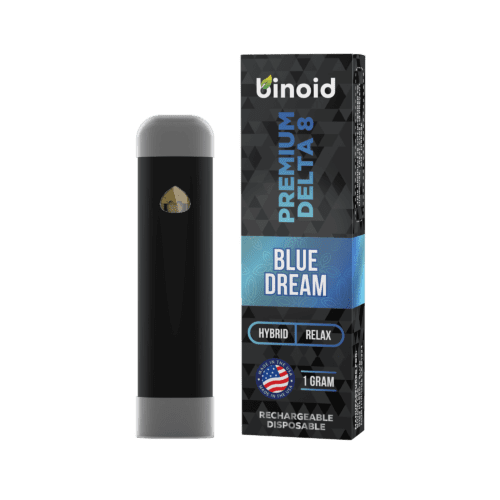
Delta 8 THC Rechargeable Disposable Vape
$26.99$54.99 -
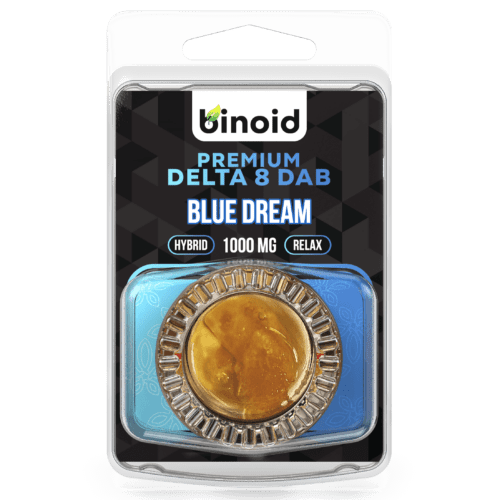
Delta 8 THC Wax Dabs
$25.99$44.99 -
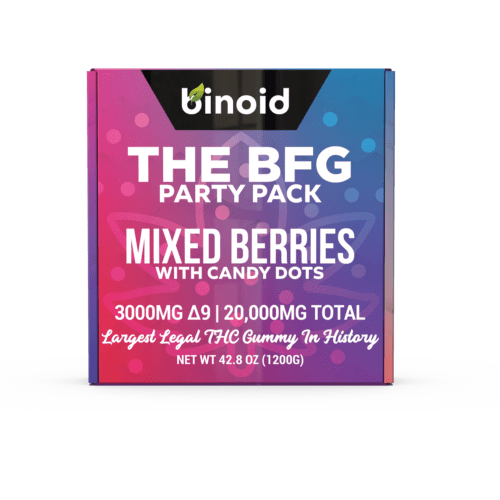
The BFG w/Candy Dots – 3000mg Largest Legal Gummy
$129.99$239.99 -
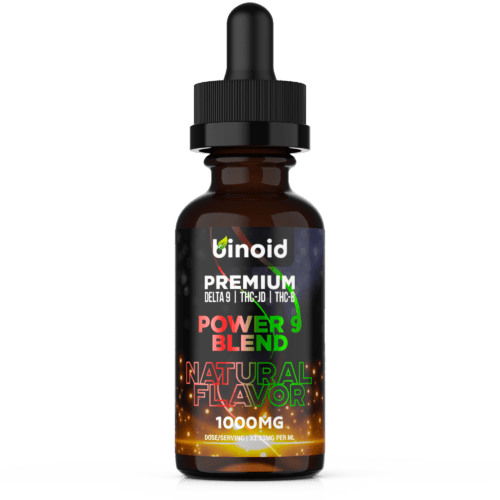
Power 9 Blend Tincture – 1000mg
$34.99$59.99