Three Molecules, One Family, Infinite Decisions
There is something almost philosophically interesting about the way the cannabis plant hides its complexity. To the casual observer, hemp is simply hemp a green, resinous plant that has attracted an almost comically disproportionate share of legal, cultural, and scientific attention relative to its botanical simplicity. But step inside the molecular architecture of the plant and a very different picture emerges: a vast chemical family of structurally related compounds, each distinguished from its neighbors by the most minimal of atomic rearrangements, each capable of producing an experiential profile meaningfully distinct from the others.
The delta THC family specifically Delta 8, Delta 9, and Delta 10 represents the clearest illustration of this principle. Three molecules. One shared skeleton. Three genuinely different experiences. And, for the increasingly sophisticated consumer navigating the premium hemp-derived cannabinoid market, one genuinely important question: which is right for you?
This is not a question with a universal answer, and any brand or publication that tells you otherwise is selling something simpler than the science warrants. The answer depends on who you are, what you want from a cannabinoid experience, what time of day it is, what social context you’re operating in, and perhaps most importantly how seriously you take the sourcing and formulation standards of the products you’re choosing between. What follows is the most honest, rigorous, and useful account of the delta 8 vs delta 9 vs delta 10 landscape currently available to the consumer who has decided to take this category seriously.
TO BUY THC PRODUCTS CLICK HERE
Recommended products
-
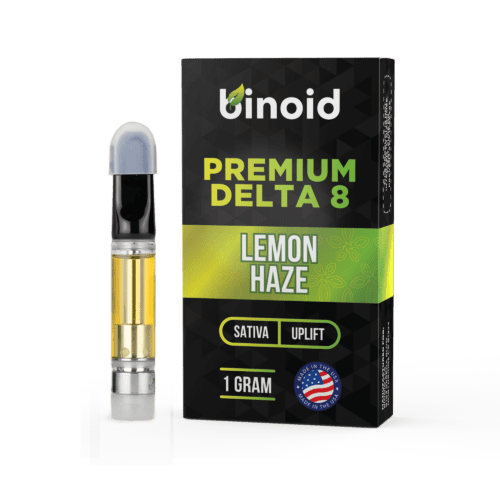
Delta 8 THC Vape Cartridge
$26.99$39.99 -
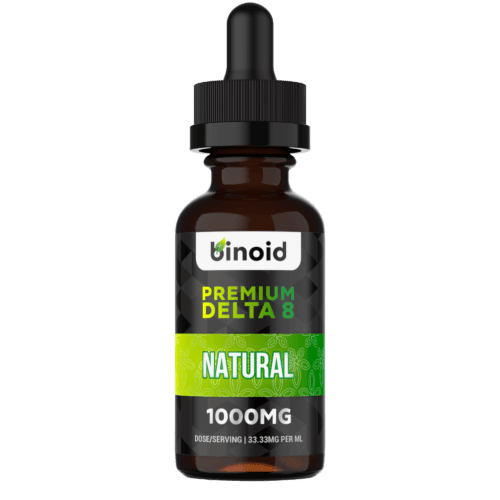
Delta 8 THC Tincture (1000mg, 2500mg, 5000mg)
$25.99$44.99 -
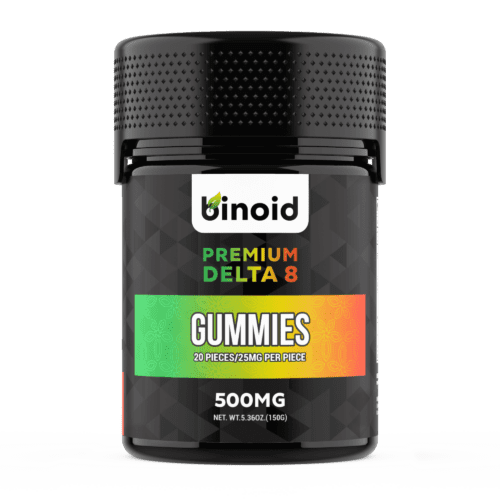
Delta 8 THC Gummies
$29.99$44.99 -
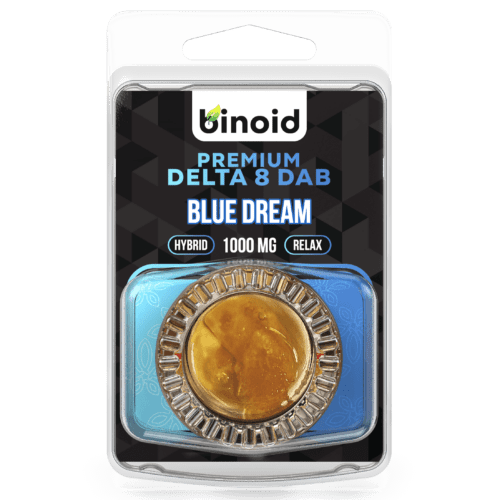
Delta 8 THC Wax Dabs
$25.99$44.99
The Shared Blueprint: Understanding the THC Molecular Family
To make sense of the differences between these three cannabinoids, you first have to appreciate what they share. Delta 8, Delta 9, and Delta 10 are all forms of tetrahydrocannabinol all members of the same molecular family, all built on the same 21-carbon scaffold, all interacting with the human endocannabinoid system through broadly similar mechanisms. The endocannabinoid system, for those still becoming acquainted with its architecture, is a distributed network of receptors, endogenous ligands, and regulatory enzymes woven throughout the central nervous system and peripheral tissues, performing a remarkable range of homeostatic functions.
Its two primary receptor types CB1, concentrated heavily in the brain and central nervous system, and CB2, more prevalent in immune and peripheral tissues are the principal sites of action for all three delta variants, though each interacts with these receptors with its own distinct binding affinity and kinetic profile.
The nomenclature itself contains the key to understanding the structural distinctions. The “delta” designation refers to the position of a specific double bond in the molecule’s carbon chain. In Delta 9 THC, that double bond sits at the ninth carbon position which is also where the molecule exists most abundantly in nature and where it evolved, across millions of years of plant biochemistry, to be most pharmacologically active. In Delta 8 THC, the double bond has migrated one position back along the chain to the eighth carbon. In Delta 10 THC, it occupies the tenth position.
These are small changes on paper. At the level of receptor pharmacology the molecular conversation between cannabinoid and receptor that ultimately produces every subjective effect the consumer experiences they are anything but small. The precise geometry of how each molecule presents itself to the CB1 receptor’s binding pocket determines the character, intensity, and duration of the resulting experience. A single bond position is the difference between an encounter and an entirely different relationship.
Delta 9: The Benchmark Against Which Everything Else Is Measured
Any honest account of the Delta 8 vs Delta 9 vs Delta 10 conversation has to begin with delta 9, because delta 9 THC is, without qualification, the reference point. It is the compound that defined the cultural, scientific, and legal conversation around cannabis for the better part of a century. It is the primary psychoactive molecule produced by the cannabis plant in meaningful quantities. It is the compound most studied by researchers, most referenced in clinical literature, and most familiar to the experienced consumer who has spent any time with traditional cannabis. When someone describes a cannabis experience, they are, almost certainly, describing a delta 9 experience whether they use that nomenclature or not.
At the receptor level, Delta 9 THC exhibits robust CB1 binding affinity, which is the pharmacological mechanism underlying its well-documented psychoactive effects. Moderate doses produce what experienced consumers describe as a full-spectrum cognitive and sensory shift: heightened perceptual awareness, altered time perception, enhanced appreciation of music and food, a loosening of the associative constraints that govern ordinary thinking.
At higher doses particularly when consumed in edible form, where the liver’s first-pass metabolism converts Delta 9 into the more potent metabolite 11-hydroxy-THC the experience can become substantially more intense, more sedative, and more introspective than the consumer may have anticipated. This metabolic transformation through the hepatic pathway is unique to oral delta 9 consumption and accounts for the well-known phenomenon of edibles producing effects that are qualitatively different from, and frequently more powerful than, the same molecule delivered by inhalation.
The hemp-derived Delta 9 available through the Delta Collections at BinoidCBD.com represents a legally compliant, rigorously tested expression of this molecule, produced from domestic hemp biomass under the quality frameworks that have become synonymous with the Binoid brand. For the consumer who wants the full, archetypal THC experience unfiltered, full-intensity, and formulated with the precision that separates a premium product from a guessing game delta 9 is the unambiguous starting point of the conversation and, for many, its natural conclusion.
Delta 8: The Refined Alternative That Rewrote the Market
If delta 9 is the original, then Delta 8 THC is the thoughtful revision the version that took the most challenging aspects of the delta 9 experience and addressed them without sacrificing the essential character of the encounter. Delta 8 is present in the cannabis plant in only trace quantities, which means that commercially available delta 8 is almost universally produced through an isomerization process: a chemical conversion in which CBD isolate derived from hemp is rearranged at the molecular level to produce delta 8 distillate. When this process is conducted with high-purity starting material and rigorous process controls as is non-negotiable at BinoidCBD.com the resulting distillate is clean, precise, and entirely capable of standing as a finished-product ingredient in its own right.
The experiential distinction between delta 8 and delta 9 is real, consistent, and widely reported among consumers who have direct experience with both. Delta 8 is broadly described as producing a cleaner, more clear-headed elevation psychoactive in a manner that preserves functional cognition more reliably than equivalent doses of delta 9, with a noticeably reduced incidence of the anxiety, paranoia, and perceptual intensity that sensitive individuals sometimes experience at the upper ranges of delta 9 dosing. The mechanism for this distinction lies in Delta 8‘s lower CB1 binding affinity relative to its more famous sibling: the receptor interaction is real and productive, but the signal is transmitted with less amplitude, producing an effect that many consumers describe as approximately 60 to 70 percent of Delta 9‘s potency profile, distributed more evenly across the experience and with a smoother onset and offset curve.
This makes delta 8 a genuinely compelling choice for a specific and significant consumer segment: those who want meaningful psychoactive elevation without the edge that can accompany delta 9 at higher doses, those whose professional or personal schedules require a degree of functional clarity that full-intensity delta 9 can occasionally compromise, and those who are newer to cannabinoid experiences and want a more forgiving entry point into the delta THC family. The Delta 8 Collections at BinoidCBD.com represent some of the most refined expressions of this cannabinoid currently available in the hemp market, with tinctures, gummies, vape cartridges, and disposables built around delta 8 distillate that has been third-party verified for potency, purity, and the absence of the isomerization byproducts that distinguish careful chemistry from careless manufacturing.
Recommended products
-
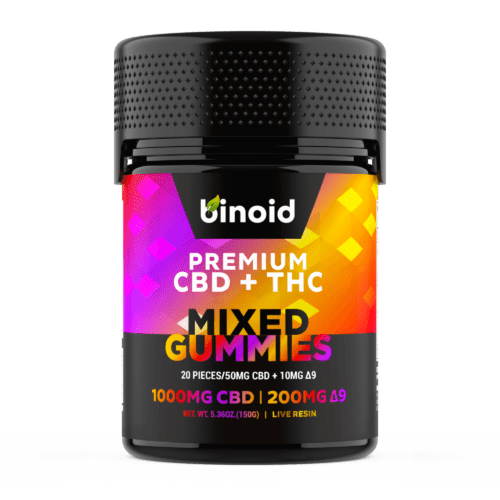
Delta 9 THC Gummies
$30.99$54.99 -
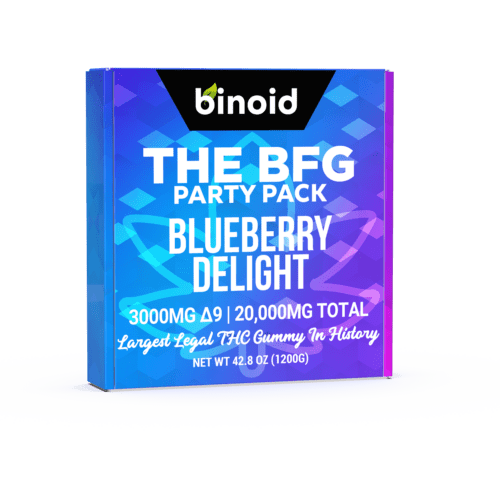
The BFG – 3000mg Delta 9 THC Gummy
$128.99$239.99 -
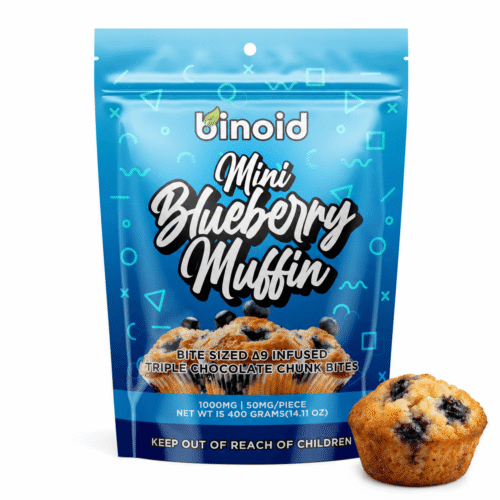
Delta 9 Mini Blueberry Muffin Bites – 1000MG (Limited Supply)
$34.99$39.99 -
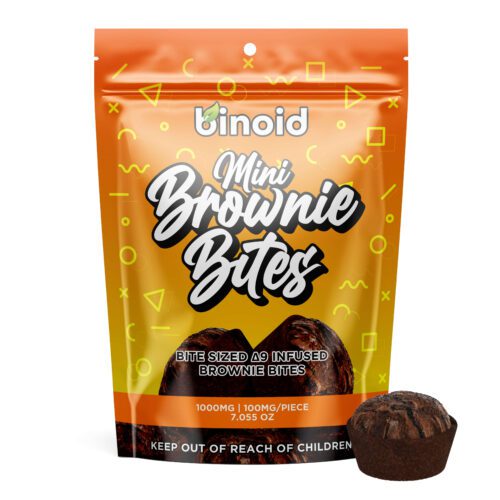
Delta 9 Mini Brownie Bites – 1000MG (Limited Supply)
$34.99$39.99
Delta 10: The Sativa-Leaning Outlier Changing the Daytime Conversation
Of the three molecules under consideration, Delta 10 THC is the youngest arrival to the commercial market and, in many ways, the most interesting from a formulation standpoint. Discovered essentially by accident it was first identified in a California laboratory analyzing cannabis flower that had been inadvertently contaminated with fire retardant, producing an unusual crystalline structure that turned out to be a previously uncharacterized THC isomer delta 10 entered the hemp-derived cannabinoid conversation with the kind of origin story that would be entirely at home in a science fiction novel.
What researchers and formulators discovered upon closer examination was a compound with a psychoactive profile meaningfully distinct from both of its better-known cousins: lighter in intensity than delta 8, considerably lighter than delta 9, and characterized by an energetic, uplifting quality that virtually every experienced consumer describes in terms that would traditionally be associated with sativa cannabis cultivars.
The receptor pharmacology underlying Delta 10‘s distinctive profile involves a combination of lower overall CB1 binding affinity and, according to emerging research, a somewhat different interaction with the receptor’s conformational states that may produce a preferentially activating rather than sedating downstream effect. The practical translation of this pharmacology is an experience that many consumers describe as clean cerebral stimulation a gentle brightening of mood and a sharpening of focus that functions well as accompaniment to creative work, physical activity, or social engagement where cognitive presence is desired.
Delta 10 is not, in the honest assessment of most experienced consumers, the molecule you reach for when the goal is deep relaxation or heavy recreational elevation. It is the molecule that answers the specific question of how you introduce cannabinoid enhancement into a Tuesday afternoon without the experiential overhead that delta 9 or even delta 8 carries at meaningful doses.
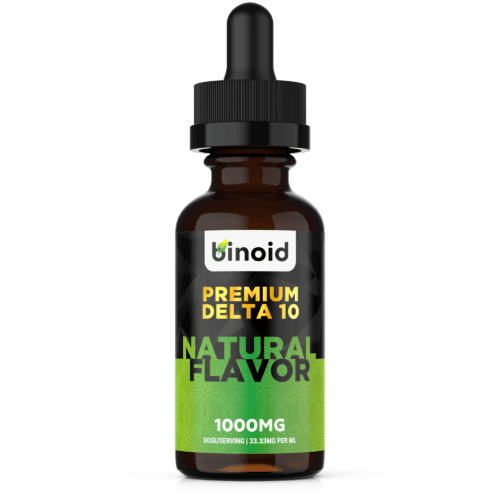
This makes Delta 10 a particularly interesting choice for the consumer whose cannabinoid use is integrated into an active, productivity-oriented lifestyle rather than reserved exclusively for leisure. The Delta 10 products in Binoid’s expanding catalog represent this cannabinoid at its most precisely formulated with the same ISO 17025-accredited, third-party COA documentation that accompanies every product in the Binoid ecosystem, ensuring that what the label claims about potency and purity reflects actual molecular reality rather than aspirational marketing.
The Potency Gradient: Calibrating Your Experience
One of the most practically useful frameworks for navigating the Delta 8 vs Delta 9 vs Delta 10 decision is what might be called the potency gradient the relative intensity spectrum along which these three molecules distribute themselves and against which any individual consumer can map their own tolerance, preferences, and situational needs. Delta 9 occupies the high end of this gradient: the fullest, most complete expression of the classical THC experience, with the most pronounced CB1 engagement and the widest range of possible effects across the dose-response curve. Delta 8 sits meaningfully below it: real psychoactivity, clear recreational and experiential value, but delivered with a ceiling that experienced delta 9 consumers may find pleasantly accessible and newer consumers may find reassuringly manageable. Delta 10 anchors the lower end of the intensity spectrum: genuine psychoactivity, meaningfully different from CBD in its effects, but lighter and more functional than either of its delta siblings.
This gradient is not a quality hierarchy. Lighter intensity is not inferior intensity it is simply a different tool for a different job. The consumer who characterizes delta 10 as “weaker delta 9” has fundamentally misunderstood what cannabinoid selection is for. A precision screwdriver is not a failed hammer. The relevant question is never which of these molecules is strongest in the abstract, but which is most precisely matched to the specific experience the consumer is seeking in a specific moment. That question situational fit rather than absolute potency is the lens through which the Delta Collections at BinoidCBD.com are best understood. The full range across Delta 8, Delta 9, and Delta 10 in multiple delivery formats exists precisely because sophisticated consumers have multiple needs across multiple contexts, and a brand that offers only one cannabinoid is, implicitly, telling its customers that their lives are less varied than they actually are.
Delivery Format as Experience Architecture
No account of the delta THC landscape is complete without a serious engagement with delivery format, because the mechanism by which any of these molecules enters the body is at least as consequential as which molecule is being delivered. Inhalation whether via flower, vape cartridge, or disposable produces the fastest onset of any delivery format, typically initiating perceptible effects within five to fifteen minutes and reaching peak intensity within thirty. The bioavailability of inhaled cannabinoids is substantially higher than oral delivery, and the absence of first-pass hepatic metabolism means the experience is more directly proportional to the dose consumed than edible formats allow. For delta 9 specifically, this distinction is particularly meaningful: inhaled Delta 9 does not undergo conversion to 11-hydroxy-THC, producing a characteristically different experiential profile than the same dose consumed as a gummy.
Edible formats gummies being the most popular and precisely dosed expression introduce the complexity of gastrointestinal absorption and hepatic metabolism into the equation. Onset is delayed, typically ranging from forty-five minutes to two hours depending on individual biochemistry and stomach contents at the time of consumption. Duration is extended, frequently running four to six hours compared to the two to three hours more typical of inhalation. And for delta 9 specifically, the 11-hydroxy-THC conversion adds a qualitative dimension to the experience that experienced consumers either seek or carefully manage.
Tinctures occupy a middle ground, with sublingual administration allowing partial absorption through the mucosal membranes of the mouth for faster onset than gastric digestion alone. Each of these formats is available across the Delta Collections at BinoidCBD.com, with batch-specific COA documentation accessible for every product, ensuring that the consumer choosing between a delta 8 gummy and a delta 9 vape cartridge is making that choice with full molecular transparency rather than hopeful guesswork.
Making the Decision: A Framework for the Discerning Consumer
The Delta 8 vs Delta 9 vs Delta 10 decision, approached with the intelligence it deserves, ultimately resolves into a series of personal questions that only the individual consumer can answer. What is the goal of this particular experience elevation, creativity, relaxation, social ease, or something else entirely? What level of intensity is appropriate for the time of day, the social context, and the cognitive demands of the hours that follow? What is your established tolerance and familiarity with the delta THC family, and how does that history inform the dose and molecule most likely to deliver the experience you’re actually seeking rather than a version of it that arrives either underwhelming or overwhelming?
If the goal is full-intensity, archetypal THC experience uncompromised and fully realized Delta 9 is the answer, sourced from the premium domestic hemp supply chain that makes BinoidCBD.com the defensible choice in a crowded market. If the goal is meaningful psychoactive elevation with a more forgiving, clear-headed character the experience of a cognizant consumer who wants to be elevated without being overwhelmed delta 8 is the molecule that the hemp market has refined into something genuinely excellent, and Binoid’s Delta 8 lineup represents its best current commercial expression. And if the goal is daytime integration the subtle, energizing cannabinoid enhancement that makes a creative afternoon or a social evening more vivid without altering the fundamental operating parameters of the day then Delta 10 is the answer that most of the market hasn’t yet caught up to but that Binoid’s Delta Collections have been prepared for.
The sophistication of the modern cannabinoid consumer is outpacing the sophistication of most brands in the space. The Delta Collections at BinoidCBD.com represent one of the few product ecosystems capable of meeting that consumer where they actually are with the molecular range, the formulation precision, the ISO 17025-verified quality documentation, and the brand transparency to make the delta 8 vs delta 9 vs delta 10 decision not a gamble, but an informed, confident choice.
TO BUY THC PRODUCTS CLICK HERE
Recommended products
-
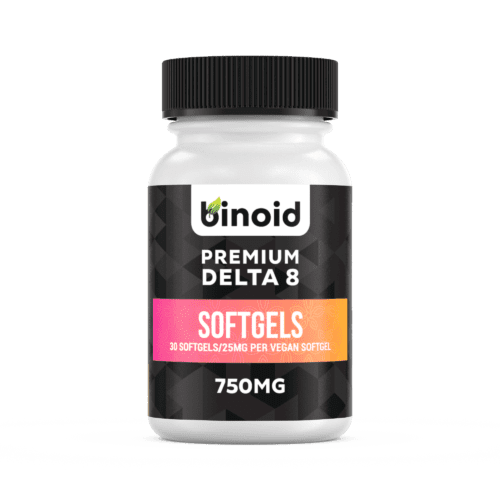
Delta 8 THC Capsules 750MG
$31.99$69.99 -
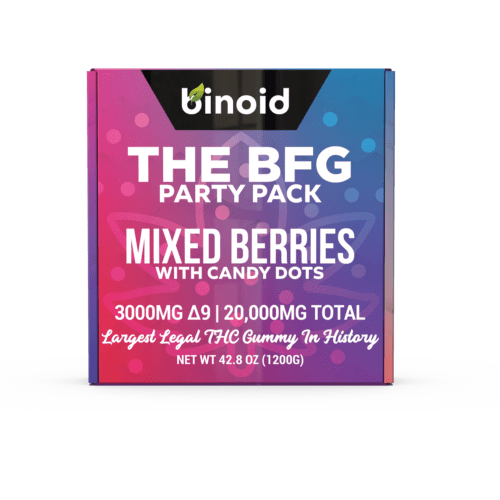
The BFG w/Candy Dots – 3000mg Largest Legal Gummy
$129.99$239.99 -
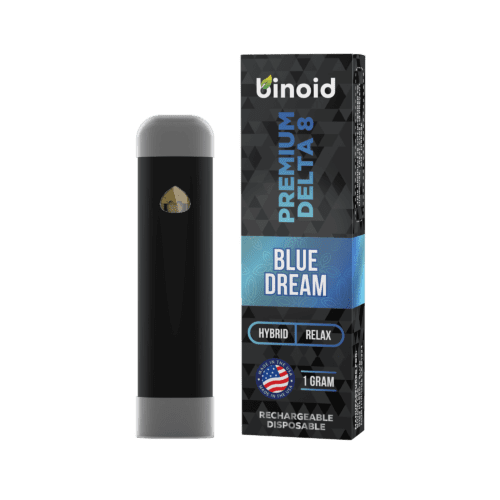
Delta 8 THC Rechargeable Disposable Vape
$26.99$54.99 -
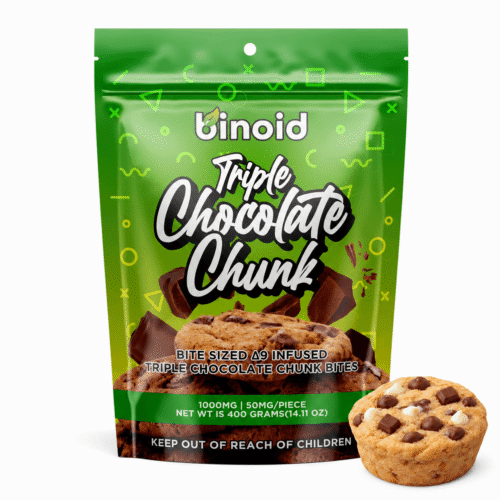
Delta 9 Mini Triple Chocolate Chunk Bites – 1000MG (Limited Supply)
$34.99$39.99