Cannabis has entered an era where the question is no longer if you want to get high, but how you want to feel when you do. The days of choosing between “whatever your dealer has” are long gone. Today’s landscape is defined by precision, customization, and an ever-expanding lineup of hemp derived cannabinoids that each deliver their own distinct experience. Among the most talked-about options right now are Delta 8 and THC-P—two compounds that sit on opposite ends of the intensity spectrum but share a common origin in the modern cannabis culture evolution.
If Delta 8 is the smooth, controlled cruise through your day, THC-P is the rocket ship that demands your full attention. Both have carved out loyal followings, both are widely available through brands like Binoid CBD, and both represent the cutting edge of what hemp-derived innovation can offer. But understanding the difference between them is essential if you want to avoid wasting your session—or accidentally launching yourself into an experience you were not ready for.
This is not just a comparison of strength. It is a breakdown of how these cannabinoids interact with your body, how they shape your mindset, and how they fit into the broader movement redefining cannabis as we know it.
To Buy Delta 8 THC Products Click Here
Recommended products
-
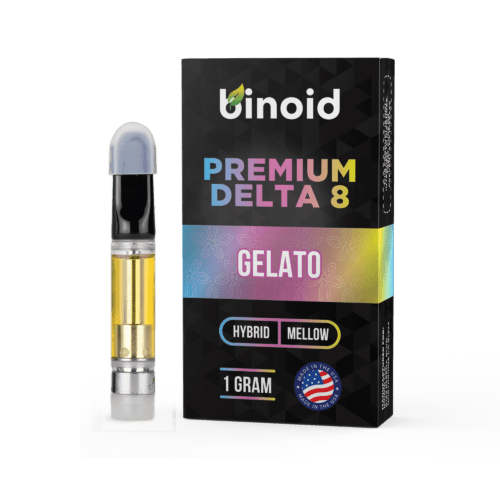
Delta 8 THC Vape Cartridge – Gelato
$25.99$54.99 -
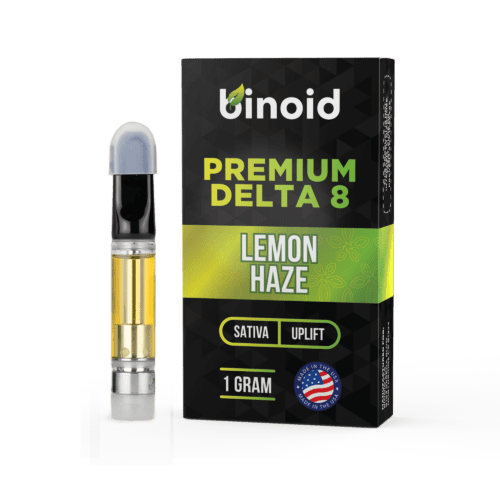
Delta 8 THC Vape Cartridge – Lemon Haze
$26.99$54.99 -
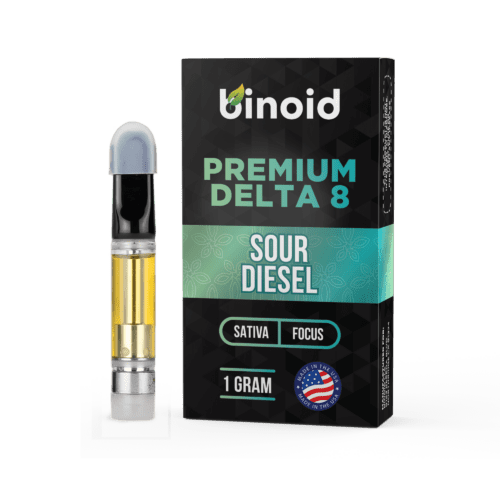
Delta 8 THC Vape Cartridge – Sour Diesel
$26.99$59.99 -
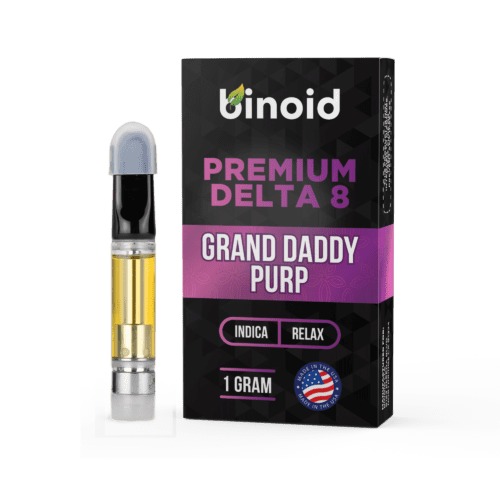
Delta 8 THC Vape Cartridge – Grand Daddy Purp
$26.99$54.99
The New Wave of Hemp Derived Cannabinoids
To understand why Delta 8 and THC-P are everywhere right now, you have to zoom out and look at the bigger picture. The explosion of hemp derived cannabinoids did not happen overnight. It is the result of legal shifts, scientific curiosity, and consumer demand colliding at the perfect moment.
After the legalization of hemp, brands began extracting and refining cannabinoids in ways that were never previously possible at scale. Delta 8 quickly rose to prominence because it offered a legal, accessible alternative to traditional THC with milder effects. It was approachable, versatile, and easy to integrate into daily life.
Then came THC-P, a cannabinoid that flipped the conversation on its head. Instead of dialing things down, THC-P turned the intensity up—way up. Early research and anecdotal reports suggested it binds to cannabinoid receptors far more efficiently than Delta 9 THC, making it significantly more potent even in small amounts.
Together, Delta 8 and THC-P represent two different philosophies within the same movement. One prioritizes balance and accessibility, while the other pushes the limits of what a high can feel like.
What Is Delta 8?
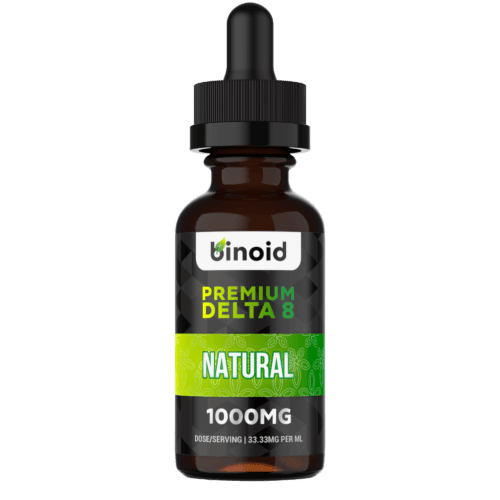
Delta 8 THC is often described as Delta 9 THC’s more relaxed cousin. It shares a similar chemical structure but differs slightly in the placement of a double bond, which leads to a noticeably different experience.
Most Delta 8 on the market is derived from hemp-based CBD through a conversion process. This allows it to remain compliant under federal guidelines while still delivering psychoactive effects. The result is a cannabinoid that provides a gentle, controlled high without the intensity that can sometimes overwhelm users of traditional THC.
The appeal of Delta 8 lies in its predictability. It tends to produce a calm, clear-headed buzz that enhances mood without clouding judgment. For many users, it strikes a balance between relaxation and functionality, making it ideal for daytime use or social settings.
Products infused with Delta 8 are widely available, from gummies and tinctures to vape cartridges and disposables. Companies like Binoid CBD have leaned into this versatility, offering a range of options that cater to both beginners and experienced users.
What Is THC-P?
THC-P, short for tetrahydrocannabiphorol, is one of the most potent cannabinoids currently available in the hemp space. Discovered relatively recently, it has quickly gained a reputation for delivering effects that are significantly stronger than traditional THC.
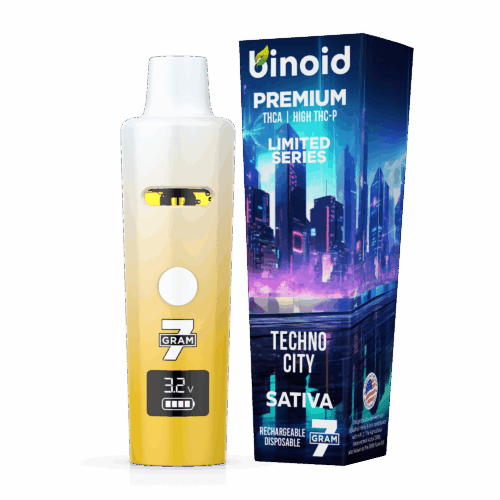
What sets THC-P apart is its binding affinity to CB1 receptors in the body’s endocannabinoid system. In simple terms, it attaches more effectively, which can amplify its effects even at lower doses. This is why THC-P is often used in small quantities or blended with other cannabinoids like Delta 8 to create a more balanced experience.
The effects of THC-P are often described as deeply immersive. Users report intense euphoria, heightened sensory perception, and a strong body high that can border on overwhelming if not approached carefully. It is not a cannabinoid for casual experimentation without some level of experience.
Because of its potency, THC-P is typically found in vapes, concentrates, or infused edibles rather than standalone products. Brands like Binoid CBD often incorporate it into blends to enhance the overall effect while maintaining some level of control.
Recommended products
Delta 8 vs THC-P: Strength and Potency
The most obvious difference between Delta 8, and THC-P is potency, but the gap is wider than many people expect.
Delta 8 is generally considered to be about half as strong as Delta 9 THC. Its effects are noticeable but manageable, making it a popular choice for those who want to ease into cannabis without diving too deep.
THC-P, on the other hand, exists in an entirely different category. Some estimates suggest it can be multiple times more potent than Delta 9 THC, though the exact figure varies depending on the individual and the product. What is clear is that even small doses can produce significant effects.
This difference in strength has a direct impact on how each cannabinoid is used. Delta 8 is often consumed in larger quantities to build a steady, controlled high, while THC-P is used sparingly to avoid overwhelming the user.
The Experience: Smooth Sailing vs Deep Space
Describing the difference between Delta 8 and THC-P is almost like comparing a casual drive to an interstellar journey.
Delta 8 offers a smooth, gradual onset that eases you into a relaxed state. The mental effects are uplifting but not overpowering, and the body high is present without being heavy. It is the kind of experience that pairs well with music, conversation, or even light productivity.
THC-P is far more intense. The onset can feel faster and more pronounced, and the effects tend to build quickly. Users often report a powerful combination of euphoria and physical relaxation that can make it difficult to stay grounded if you are not prepared.
There is also a difference in duration. THC-P experiences can last longer, extending the effects well beyond what you might expect from Delta 8. This can be a positive or a negative depending on your goals and tolerance.
Where THCA Products Fit In
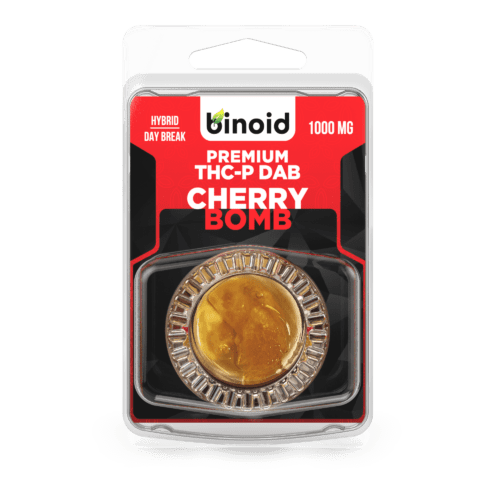
While the focus here is on Delta 8 and THC-P, it is worth noting how THCA products fit into the broader conversation. THCA offers a more traditional cannabis experience when heated, converting into Delta 9 THC and delivering the classic high that many users are familiar with.
Compared to Delta 8, THCA tends to be stronger and more complex. Compared to THC-P, it is often more predictable and easier to manage. This makes THCA a kind of middle ground for those who want authenticity without the extreme intensity of THC-P.
Many users rotate between THCA products, Delta 8, and THC-P depending on the situation, creating a personalized approach to cannabis consumption that reflects the ongoing cannabis culture evolution.
Product Formats and Consumption Styles
The way you consume Delta 8 and THC-P plays a major role in shaping the experience.
Delta 8 is incredibly versatile. Gummies offer a longer-lasting, body-focused effect, while vapes provide a faster onset and more control over dosing. Tinctures sit somewhere in between, offering flexibility and precision.
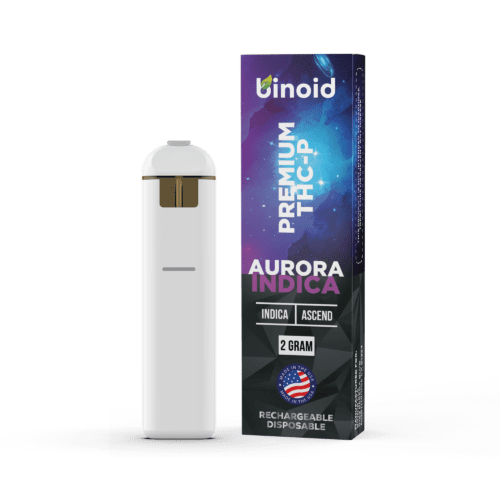
THC-P is more commonly found in vape cartridges and blended products. Because of its potency, it is rarely consumed in large quantities on its own. Instead, it is used to enhance other cannabinoids, creating a layered effect that can be tailored to different preferences.
Brands like Binoid CBD have become known for their innovative formulations, combining Delta 8 with THC-P to create products that deliver both smoothness and intensity in a single experience.
Tolerance, Experience, and Knowing Your Limits
One of the most important factors in choosing between Delta 8 and THC-P is your tolerance level.
Delta 8 is beginner-friendly. It allows new users to explore cannabis without the risk of overwhelming effects. It is forgiving, predictable, and easy to dose.
THC-P is not beginner-friendly. It demands respect and careful dosing. Even experienced users can find themselves caught off guard if they underestimate its potency.
Understanding your limits is key. Starting low and going slow is always the best approach, especially when dealing with high-potency cannabinoids.
Flavor, Terpenes, and the Sensory Experience
Flavor plays a bigger role in cannabis than many people realize. The terpene profile of a product can influence not only how it tastes but also how it feels.
Delta 8 products often feature added terpenes to enhance flavor and mimic the profiles of popular strains. This creates a wide variety of options, from fruity and sweet to earthy and piney.
THC-P products, particularly when blended, can also offer rich flavor profiles, though the focus is often more on potency than complexity.
For those who prioritize taste and aroma, THCA products may still hold the edge due to their natural terpene content. However, Delta 8 and THC-P continue to evolve in this area, offering increasingly sophisticated flavor experiences.
Safety and Quality Considerations
As with any cannabis product, quality matters. The rapid growth of hemp derived cannabinoids has led to a wide range of products on the market, not all of which meet the same standards.
Look for brands that provide third-party lab testing and transparent sourcing. This is especially important for Delta 8 and THC-P, which involve chemical processes during production.
Binoid CBD has built a reputation for consistency and quality, making it a trusted option for those looking to explore these cannabinoids with confidence.
Choosing the Right Cannabinoid for You
Deciding between Delta 8 and THC-P ultimately comes down to what you are looking for in your cannabis experience.
If you want a smooth, manageable high that fits into your daily routine, Delta 8 is the clear choice. It offers relaxation and mood enhancement without overwhelming intensity.
If you are seeking something more powerful and immersive, THC-P delivers an experience that pushes the boundaries of what cannabis can feel like. It is best reserved for times when you can fully commit to the experience.
For many users, the answer is not one or the other but a combination of both. Using Delta 8 as a foundation and adding THC-P for intensity allows for a customizable experience that can be adjusted to suit different situations.
Final Thoughts: The Future Is Customizable
The conversation around Delta 8 vs THC-P is a reflection of a larger shift in cannabis culture. Consumers are no longer passive participants. They are active curators of their own experiences, choosing cannabinoids based on how they want to feel rather than simply what is available.
This shift is driving innovation at every level, from product development to branding and beyond. Companies like Binoid CBD are at the forefront of this movement, creating products that cater to a wide range of preferences and lifestyles.
As hemp derived cannabinoids continue to evolve, the possibilities will only expand. Whether you prefer the smooth ride of Delta 8 or the intense journey of THC-P, one thing is certain: the future of cannabis is all about choice. And the best choice is the one that fits your vibe.
To Buy THC-P Products Click Here
Recommended products
-
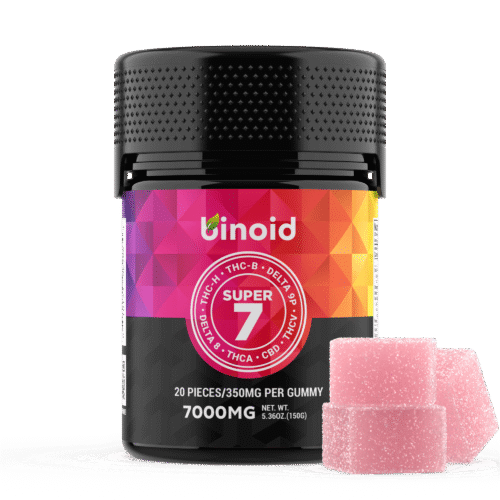
Super 7 Gummies – 7000MG
$39.97$59.99 -
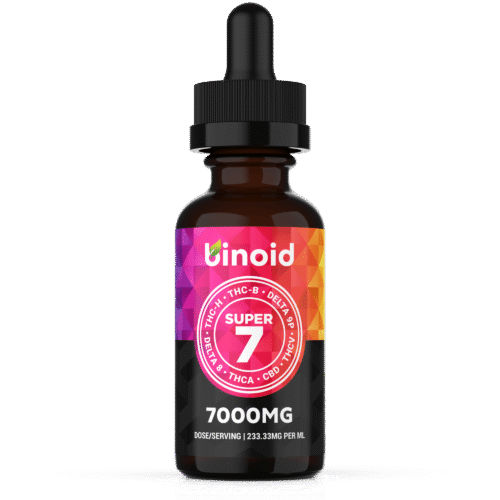
Super 7 Tincture – 7000mg
$39.99$59.99 -
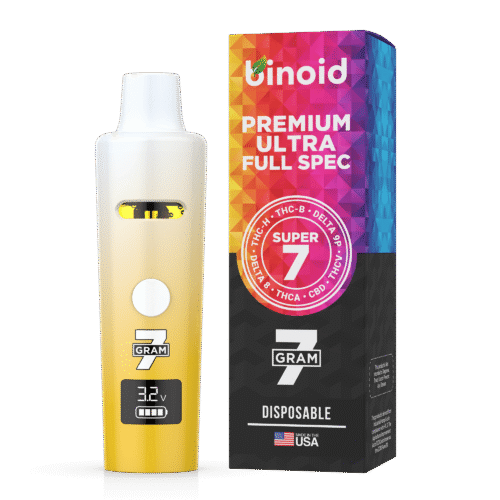
Super 7 UFS Disposable Vape – 7 Gram
$63.99$89.99