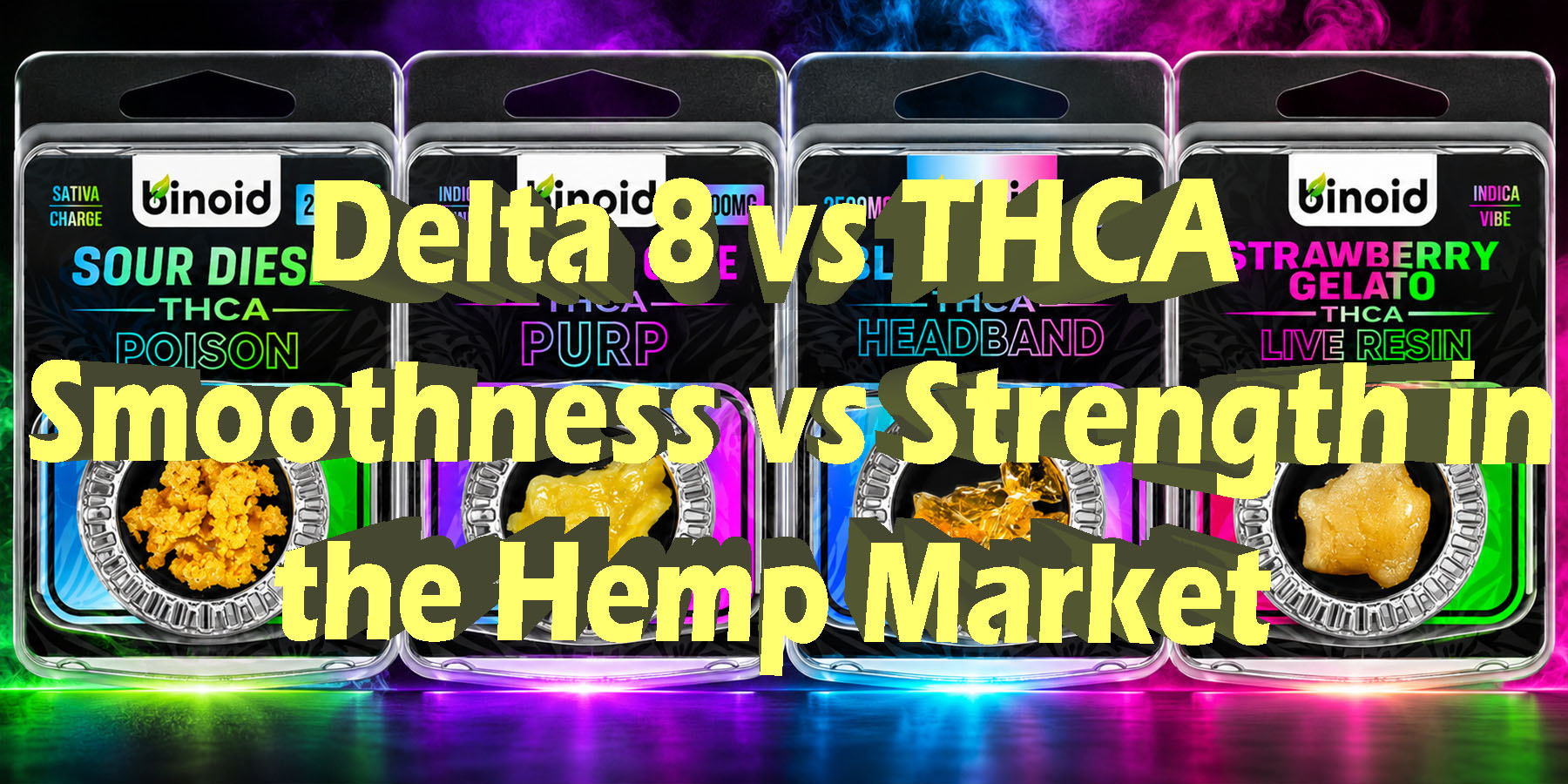
Every mature consumer category eventually produces a defining tension — a fork in the road where two products, both legitimate, both well-regarded, pull in genuinely different directions and force the buyer to articulate what they actually want from the experience. In wine, it’s the tension between a restrained Burgundy and an assertive Napa Cabernet. In coffee, it’s the light-roast-versus-dark-roast divide that separates people who want to taste the bean’s origin from people who want the bean to disappear entirely into the roast. In the hemp-derived cannabinoid market, that defining tension has increasingly crystallized around delta 8 THC and THCA — two products that occupy opposite ends of the same experiential spectrum, and understanding the distinction between them is one of the more genuinely useful things a hemp consumer can learn in 2026.
This is not a comparison between a “real” cannabinoid and a synthetic substitute, nor is it a hierarchy where one product is objectively superior to the other. It is a comparison between two fundamentally different philosophies of cannabis consumption — one built around smoothness, predictability, and a gentler onset curve, the other built around strength, authenticity, and an experience that mirrors traditional dispensary-grade cannabis as closely as anything the hemp market currently offers. Understanding which philosophy fits your goals, your tolerance, and your intended context is the entire point of this conversation.
To Buy Delta 8 THC Products Click Here
Recommended products
-
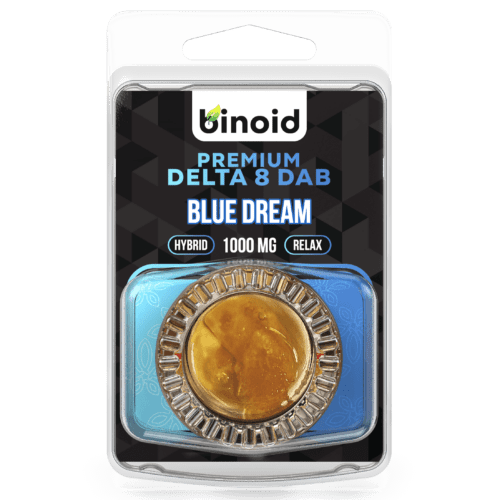
Delta 8 THC Wax Dabs
$25.99$44.99 -
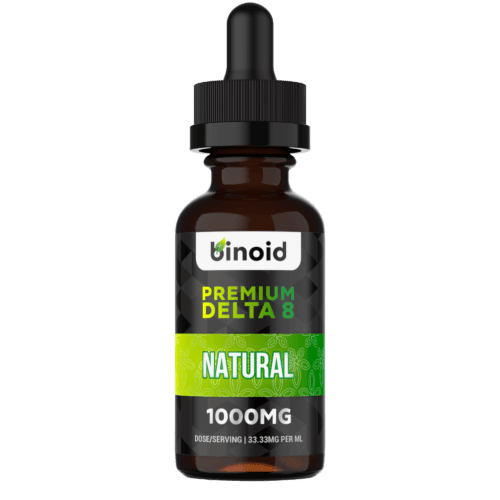
Delta 8 THC Tincture (1000mg, 2500mg, 5000mg)
$25.99$44.99 -
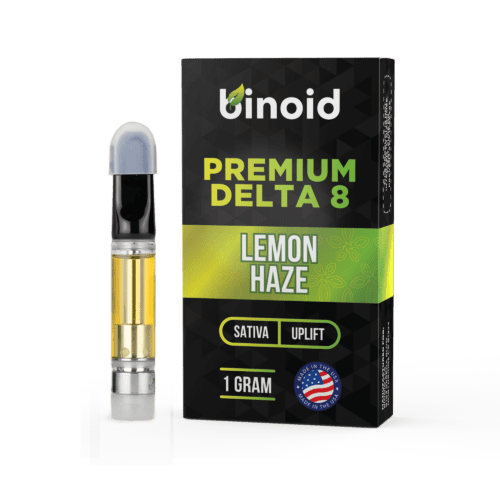
Delta 8 THC Vape Cartridge
$26.99$39.99 -
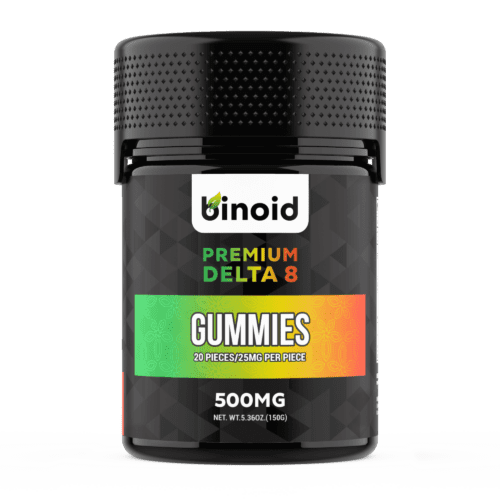
Delta 8 THC Gummies
$29.99$44.99
Two Molecules, Two Origins
The molecular story begins with a distinction that shapes everything downstream: how each compound actually comes to exist. THCA, or tetrahydrocannabinolic acid, is the naturally occurring precursor to delta 9 THC. It is biosynthesized directly by the cannabis plant in its raw, living state, present in abundance in freshly harvested flower before any processing occurs. THCA does not require chemical conversion to exist — it simply requires heat, applied through smoking, vaporizing, or baking, to undergo decarboxylation, the thermal reaction that strips away a carboxyl group and transforms the non-intoxicating precursor into the psychoactive delta 9 THC that traditional cannabis consumers are already familiar with.
Delta 8 THC, by contrast, exists in only trace quantities in raw hemp — far too little to extract commercially at any meaningful scale. Nearly all delta 8 on the market today is produced through an isomerization process, in which CBD extracted from hemp is chemically converted into delta 8 THC using controlled reaction conditions, catalysts, and precise process control. This does not make delta 8 any less legitimate as a hemp-derived cannabinoid — the 2018 Farm Bill’s compliance framework does not distinguish between naturally abundant and isomerized cannabinoids, only between compliant and non-compliant delta 9 THC concentrations — but it does mean the two products arrive at their final form through genuinely different routes, and that distinction matters when evaluating quality, purity, and what a rigorous certificate of analysis should actually be verifying
The Receptor Story: Why One Feels Gentler Than the Other
The experiential gap between delta 8 and THCA-derived delta 9 THC traces back to pharmacology, specifically to how each molecule interacts with the CB1 receptor, the primary site of cannabinoid psychoactivity concentrated in the central nervous system. Delta 8 THC binds to CB1 receptors, but with meaningfully lower binding affinity than delta 9 THC, and it also shows some affinity for CB2 receptors distributed more broadly throughout the body. This comparatively looser receptor engagement is the molecular explanation behind one of the most consistently reported characteristics of delta 8: a smoother, more manageable psychoactive profile, often described by consumers as clear-headed, functional, and less prone to the anxious or overwhelming edge that can accompany higher-potency delta 9 THC experiences.
THCA, once decarboxylated through heat, converts directly into delta 9 THC — meaning the receptor story here is simply the receptor story of delta 9 itself. Delta 9 THC binds to CB1 with high affinity, producing the well-documented cascade of effects associated with traditional cannabis: altered sensory perception, elevated mood, a heightened attentiveness to music, food, and conversation, and at higher doses, a more introspective or sedating quality, particularly if consumed in edible form where first-pass liver metabolism converts a portion of delta 9 into the more potent 11-hydroxy-THC. There is no separate “THCA high” distinct from this delta 9 experience — THCA is, functionally, a delivery vehicle that completes its transformation the moment heat is applied, which means choosing THCA flower or concentrate is, in practice, choosing the full-strength delta 9 experience in a federally compliant raw form.
The Strength Argument: Why THCA Wins on Raw Potency
For consumers whose primary goal is intensity — replicating or approaching the experience of traditional, dispensary-grade cannabis without the geographic and cost restrictions that state-licensed markets impose — THCA is difficult to argue against. Premium THCA flower routinely tests in the 20 to 30 percent range, comparable to top-shelf dispensary cannabis, and THCA diamonds, the crystalline concentrate format that has become one of the hemp market’s most impressive technical achievements, can test above 95% purity. Once decarboxylated, this translates into a delta 9 THC experience with genuine intensity, and the format flexibility — flower, diamonds, vape cartridges, live resin infusions — gives experienced consumers multiple ways to access that strength depending on context and preference.
Binoid CBD‘s THCA lineup reflects this strength-forward positioning directly, with lab-verified flower and concentrate options that give consumers transparent visibility into exactly what potency they’re working with before that first spark or dab. This transparency matters enormously in the THCA category specifically, because the format inherently invites variability — cultivation conditions, curing practices, and trichome density all influence how much THCA a given batch actually contains, and a brand’s willingness to publish batch-specific certificate of analysis documentation is the only reliable way a consumer can verify the strength claims printed on the label actually hold up under independent laboratory scrutiny.
Recommended products
-
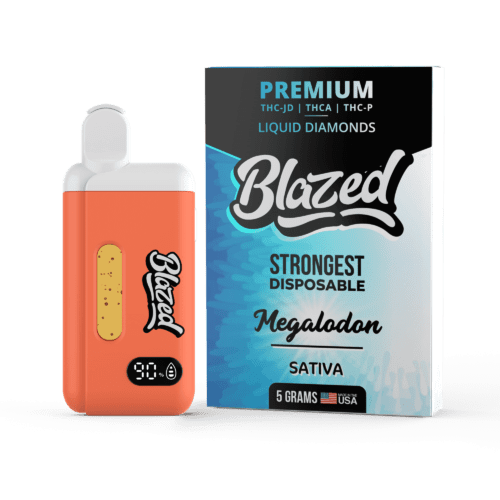
5 Gram Disposable – Blazed
$51.99$79.99 -
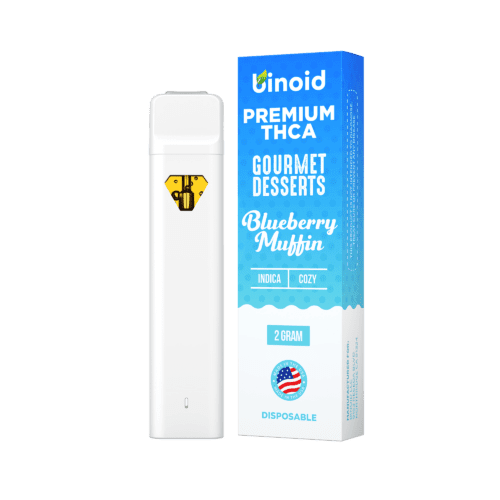
THCA Disposable 2 Gram – Gourmet Desserts
$37.99$73.00 -
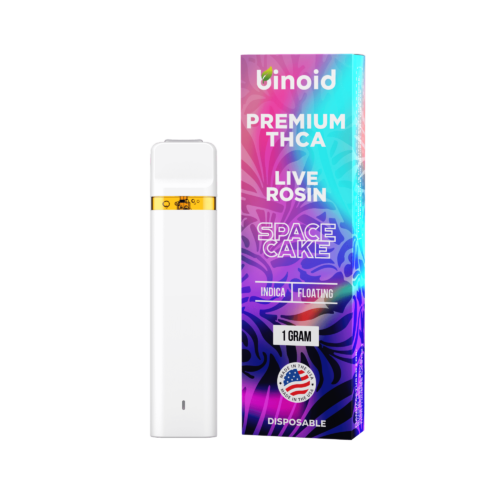
1 Gram THCA Disposable Vapes – Live Rosin
$32.99$67.99 -
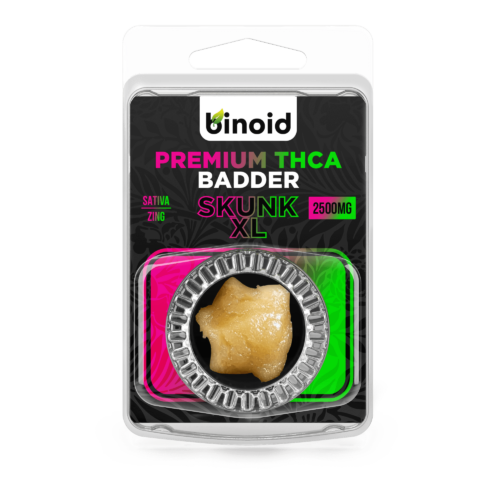
THCA Badder – 2500mg
$37.99$59.99
The Smoothness Argument: Why Delta 8 Wins on Predictability
Where THCA leans into intensity, delta 8 leans into control. The lower CB1 binding affinity that defines delta 8’s pharmacology translates, for most consumers, into an experience with a gentler onset, a more linear intensity curve, and a reduced likelihood of the racing, overwhelmed feeling that can occasionally accompany high-potency delta 9 THC — whether that delta 9 arrives through traditional cannabis or through decarboxylated THCA. This makes delta 8 a consistently popular choice for consumers who want a functional, lower-key experience: something compatible with daytime activities, social settings where an intense psychoactive experience would be unwelcome, or simply a lower-stakes entry point for anyone still calibrating their personal tolerance.
The format range for delta 8 has also matured considerably, and Binoid CBD’s delta 8 catalog spans gummies, tinctures, and vape cartridges formulated around consistent, precisely dosed potency — a meaningful advantage for consumers who value predictability over the batch-to-batch variability that can characterize raw flower formats. A delta 8 gummy manufactured under rigorous process control delivers the same milligram dose every time, an experiential reliability that flower, by its agricultural nature, cannot fully replicate regardless of how skilled the cultivation team is. For consumers building a routine around a specific, repeatable experience, that consistency is not a minor convenience — it is often the deciding factor.
Onset, Duration, and the Practical Timing Question
Beyond intensity and smoothness, the two products diverge meaningfully in how quickly and how long their effects unfold, and this practical dimension deserves as much attention as the pharmacology. THCA consumed through combustion or vaporization — the formats that trigger immediate decarboxylation — produces an onset that mirrors traditional smoked or vaped cannabis, with effects becoming noticeable within minutes and a duration that typically runs one to three hours depending on the individual and the specific product. Delta 8, when consumed through a vape cartridge, follows a broadly similar inhalation-based timeline, but the more commonly consumed delta 8 formats — gummies and tinctures — introduce the slower, more gradual onset characteristic of edibles, with effects building over thirty minutes to two hours and lasting considerably longer, often four to eight hours depending on dose and metabolism.
This timing distinction has real practical implications for how each product fits into a consumer’s day. A delta 8 gummy, with its slower build and longer tail, suits a planned, unhurried context — an evening set aside deliberately for the experience to unfold. THCA flower or a THCA vape cartridge, with its near-immediate onset and more contained duration, suits a consumer who wants to titrate in real time, taking a single inhalation, assessing the effect, and deciding whether additional consumption is warranted — a level of real-time control that edible formats simply cannot offer regardless of how precisely they’re dosed.
Compliance and the Shared Legal Foundation
Both products exist within the same federal compliance architecture established by the 2018 Farm Bill, which defines legal hemp as cannabis containing no more than 0.3% delta 9 THC by dry weight — but each product navigates that framework differently, and understanding the distinction is useful for any consumer trying to evaluate a brand’s compliance rigor. Delta 8’s compliance story centers on the isomerization process itself: reputable manufacturers use precise, controlled reaction conditions to convert CBD into delta 8 while minimizing unwanted reaction byproducts and residual catalysts, and the resulting distillate is tested to confirm it falls within compliant delta 9 THC thresholds.
THCA’s compliance story is different and, in some respects, more legally nuanced — the plant material can contain substantial THCA while remaining technically compliant, provided the delta 9 THC concentration in its current, undecarboxylated state stays under the 0.3% threshold, a reading of the statute that has proven durable but that some regulators have periodically signaled interest in revisiting through alternative potency calculation methods.
Neither compliance pathway is inherently more trustworthy than the other, but both demand the same underlying commitment from a responsible brand: transparent, batch-specific, third-party laboratory verification from an ISO 17025 accredited facility. Binoid CBD applies this standard consistently across both categories, publishing COA documentation for its delta 8 products and its THCA lineup alike, giving consumers the same level of verification regardless of which side of the smoothness-versus-strength divide they land on.
Making the Choice: A Framework, Not a Verdict
The honest answer to “delta 8 or THCA” is that the question itself assumes a false premise — that one product needs to win. Most experienced hemp consumers, over time, come to appreciate both for genuinely different reasons and genuinely different contexts, rotating between them the way a wine drinker might rotate between a lighter Pinot Noir for a casual dinner and a structured Cabernet for a more deliberate occasion.
The consumer prioritizing a functional, lower-intensity, highly predictable experience — something compatible with a broader range of daytime and social contexts — will likely find delta 8’s gentler receptor profile and consistent dosing format more aligned with their goals. The consumer chasing genuine strength, an experience that closely mirrors traditional dispensary cannabis, and the format flexibility to titrate that intensity in real time will find THCA’s potency ceiling and rapid onset far better suited to what they’re after.
What both consumers share, regardless of which side of this comparison they gravitate toward, is a dependence on sourcing integrity that no amount of personal preference can substitute for. A delta 8 gummy manufactured from poorly isomerized distillate carrying unpurged reaction byproducts is not a smoother experience — it is a compromised one. A THCA flower grown without agricultural oversight and tested by a non-accredited lab is not a stronger experience — it is an unverified gamble dressed up as strength. This is precisely where Binoid CBD has built its relevance across both categories simultaneously, offering lab-verified delta 8 and THCA product lines that let the consumer make the smoothness-versus-strength decision on its actual merits, rather than on which brand simply got lucky with a clean batch.
The hemp market in 2026 does not require consumers to choose a permanent side in the Delta 8 versus THCA conversation. It requires them to understand what each product actually offers, match that understanding to their specific goals for a specific occasion, and source from a brand rigorous enough that the only variable left to consider is the one that should matter most: which experience, smooth or strong, fits the moment you’re actually in.
To Buy THCA Products Click Here
Recommended products
-
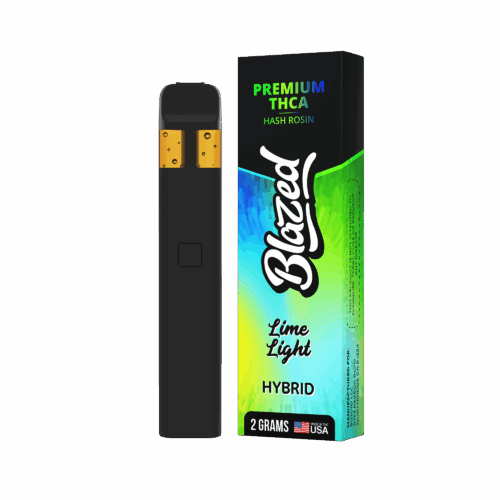
2 Gram THCA Disposable Hash Rosin – Blazed
$37.99$59.99 -
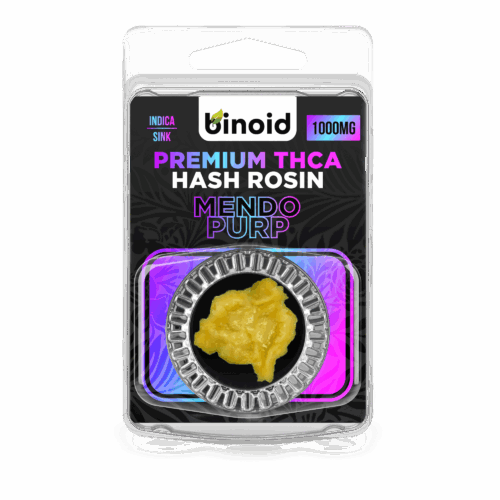
THCA Hash Rosin Dabs – 1000mg
$33.99$59.99 -
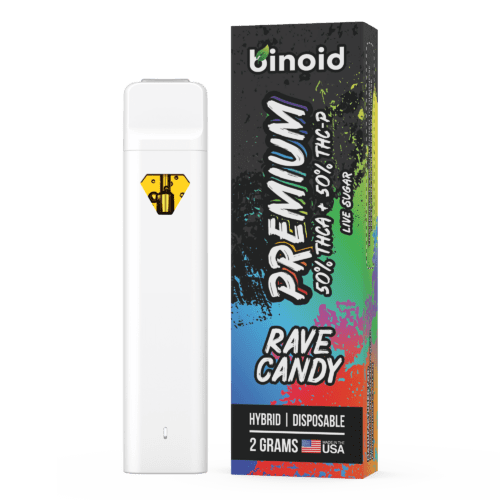
Live Sugar THCA + THC-P Disposable Vape – Pure 50/50
$39.99$69.99 -
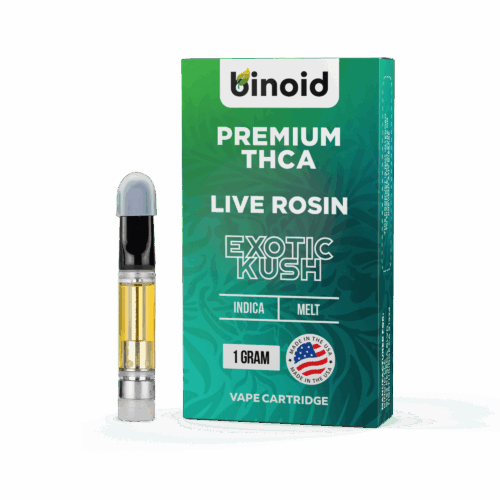
THCA Vape Cartridge – Live Rosin
$30.99$59.99