Somewhere in the last several years, the hemp-derived cannabinoid market quietly split into two distinct philosophies of intoxication, and most consumers never got the memo explaining the difference. On one side sits Delta 9 THC, the molecule that has defined the entire cultural conversation about cannabis for the better part of a century, familiar, well-studied, and predictable in the way a longtime friend is predictable.
On the other side sits THC-P, a novel cannabinoid discovered far more recently and engineered, through the same isomerization chemistry that gave the market delta 8 and delta 10, into one of the most potent compounds currently available in the hemp space. Understanding what actually separates these two molecules, at the level of receptor binding, subjective experience, and practical use case, is the difference between a consumer who chooses deliberately and one who is simply reaching for whatever can promises the biggest number.
To Buy Delta 9 THC Products Click Here
Recommended products
-
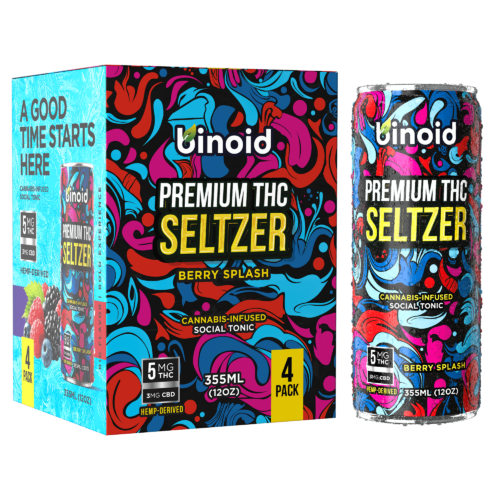
THC Seltzer – Good Vibes Cannabis Drink (4 Pack)
$19.99$29.99 -
13,000mg Good Luck Gummies
$47.99$79.99 -
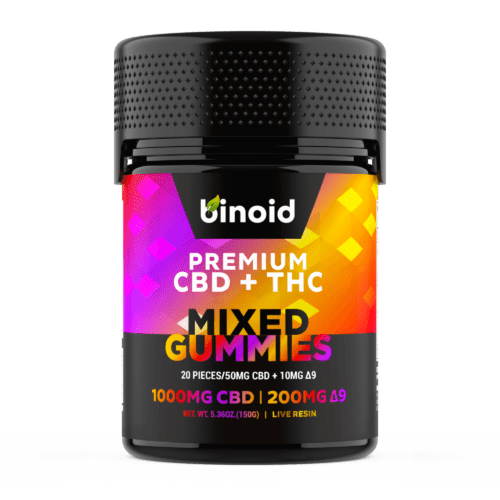
Delta 9 THC Gummies
$30.99$54.99 -
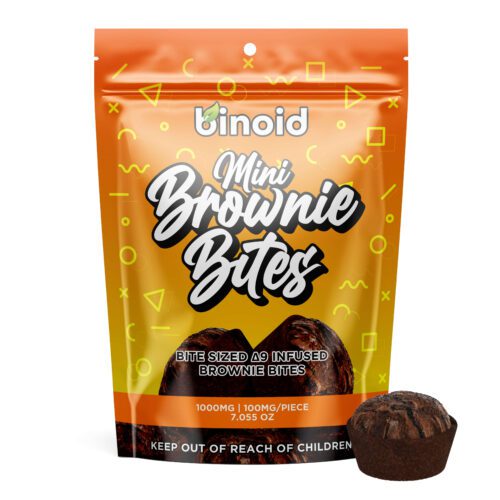
Delta 9 Mini Brownie Bites – 1000MG (Limited Supply)
$34.99$39.99

The Molecular Story: Why a Longer Side Chain Changes Everything
To understand THC-P’s disproportionate potency, you have to look at its molecular architecture relative to delta 9 THC, because the difference is almost absurdly small in structural terms and almost absurdly large in functional consequence. Both molecules share the same essential cannabinoid scaffold, but THC-P possesses a longer alkyl side chain — seven carbon atoms instead of the five found in conventional delta 9 THC. This is not a cosmetic distinction. Cannabinoid researchers have identified alkyl side chain length as one of the primary determinants of how tightly a given molecule binds to the CB1 receptor, the primary site of psychoactive activity in the central nervous system, and the extended seven-carbon chain of THC-P allows it to achieve a binding affinity to CB1 that laboratory studies have measured at dramatically higher levels than delta 9 THC’s own binding profile.
This receptor-binding difference is the entire foundation of THC-P‘s reputation as one of the most potent cannabinoids currently available on the legal hemp market. A molecule that binds more efficiently and more completely to CB1 produces a more pronounced signal cascade at the receptor level, which translates, in practical terms, into a psychoactive effect that many experienced consumers describe as arriving faster, hitting harder, and requiring meaningfully less product to achieve a comparable intensity to what they’re used to from delta 9 THC. This is precisely why THC-P products — whether formulated as THC-P vape cartridges, tinctures, or gummies — are almost universally marketed and dosed differently than their delta 9 counterparts, with lower milligram thresholds recommended as a starting point even for consumers who consider themselves experienced.
Delta 9 THC, by contrast, is the molecule the endocannabinoid system has essentially been benchmarked against for decades of cannabis research. Its five-carbon side chain produces a binding profile that, while still highly effective at engaging CB1, does not achieve the same degree of receptor saturation at comparable doses. This is not a deficiency — it is simply a different point on the potency spectrum, and it happens to be the point around which nearly the entire cultural understanding of cannabis intoxication, dosing convention, and product formulation has been built. When someone describes a “normal” cannabis high, they are, whether they realize it or not, describing the delta 9 experience specifically.
The Subjective Experience: Two Different Kinds of Elevated
Describing the subjective difference between delta 9 THC and THC-P requires resisting the temptation to simply say “THC-P is stronger,” because potency and character are not the same thing, and the two molecules produce experiences that differ qualitatively as well as quantitatively. The delta 9 THC experience, at moderate doses, tends toward what longtime consumers describe as a balanced elevation — a cerebral lift paired with a gentle body relaxation, heightened sensory engagement with music, food, and conversation, and a duration and intensity curve that has become genuinely familiar across generations of use. It is, in the most literal sense, the reference point against which every other cannabinoid experience in this category gets measured, including THC-P’s own.
THC-P, formulated and dosed appropriately, tends to produce an experience that arrives with notably more intensity relative to the apparent dose, and many consumers report a more pronounced body-forward quality alongside the cerebral effects a heavier, more immersive sensation that some describe as feeling closer to what higher-dose edibles produce, even when consumed through inhalation. This is consistent with what the receptor-binding science would predict: a molecule engaging CB1 more completely is likely to produce effects that feel more saturating and less easily modulated in real time, which is precisely why THC-P is generally regarded by the industry and by informed retailers as a product category suited to consumers who already have a clear sense of their own tolerance, rather than an entry point for someone new to hemp-derived cannabinoids.
It’s worth noting that neither experience is objectively better they represent different points on a spectrum of intensity and character, suited to different consumers, different occasions, and different levels of experience. The consumer who wants a familiar, moderate, socially calibrated experience is generally better served by delta 9 THC formulations, which remain the most extensively understood and most predictably dosed category in the entire hemp-derived cannabinoid market. The consumer who has built meaningful tolerance, who understands their own response curve, and who is specifically seeking a more intense, more immersive experience has good reason to explore THC-P — provided they approach it with the dosing discipline the compound’s potency profile demands.
Recommended products
-
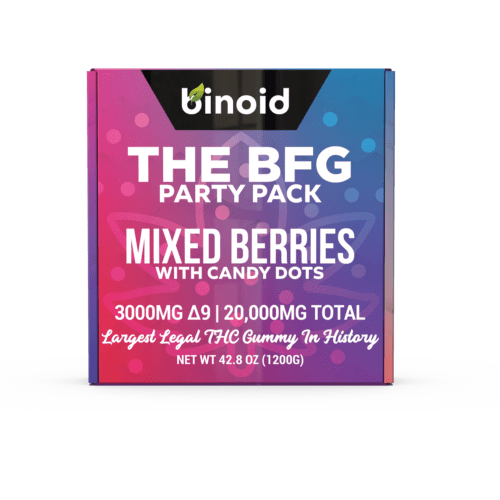
The BFG w/Candy Dots – 3000mg Largest Legal Gummy
$129.99$239.99 -
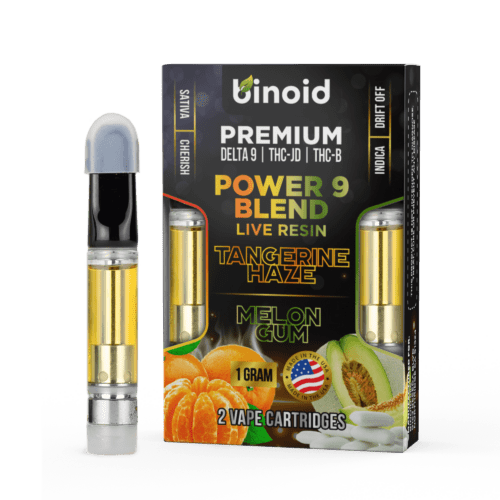
Power 9 Blend Live Resin Cartridge – 2 Pack Combo (Limited Time Sale)
$40.99$89.99 -
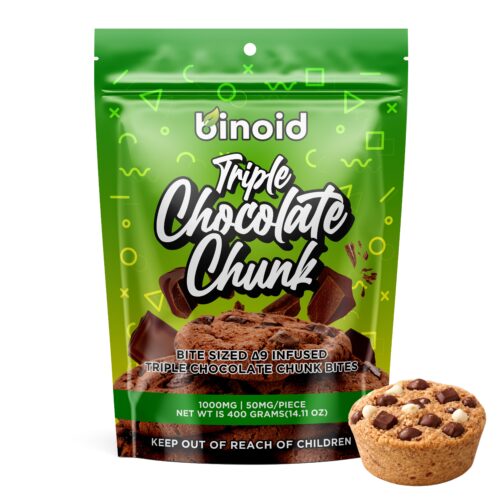
Delta 9 Mini Triple Chocolate Chunk Bites – 1000MG (Limited Supply)
$34.99$39.99
Dosing Philosophy: Why “Start Low” Means Something Different for Each
Dosing conventions for delta 9 THC have had decades to mature, and the general guidance five to ten milligrams as a moderate starting point for a reasonably experienced consumer, with adjustments made gradually over subsequent sessions — reflects a genuinely deep well of collective experience and, increasingly, formal research. Because delta 9’s receptor-binding profile is well characterized and its effects have been studied extensively, both formulators and consumers have a strong shared vocabulary for calibrating dose to desired outcome, whether that outcome is a mellow evening or something more pronounced.
THC-P dosing conventions are considerably more conservative, and for good reason. Because the compound’s enhanced CB1 binding affinity means a smaller quantity can produce an effect comparable to a much larger dose of delta 9 THC, reputable formulators typically recommend starting doses in the one-to-two-milligram range for consumers new to the cannabinoid, even those with substantial delta 9 experience. This is not marketing caution — it is a direct, responsible response to the pharmacological reality of the molecule. A consumer who approaches THC-P with delta 9 dosing intuition, assuming that a “normal” gummy-equivalent dose is a safe starting point, is likely to have a considerably more intense experience than anticipated, which is precisely the kind of avoidable miscalibration that good product education exists to prevent.
This is also where formulation quality becomes inseparable from the safety conversation. THC-P products manufactured with precise, verified concentrations — rather than imprecise isomerization runs that leave dosing accuracy inconsistent from batch to batch — allow consumers to actually trust the milligram counts on the label, which matters considerably more for a high-potency cannabinoid than it does for a compound with a wider margin of subjective error. The THC-P formulations available through BinoidCBD.com are developed with exactly this consideration in mind, backed by batch-specific certificate of analysis documentation that verifies concentration and purity — a standard that becomes genuinely essential once you understand how much a small dosing discrepancy can matter at THC-P’s potency level.
When to Reach for Each: A Practical Framework
The most useful way to think about choosing between delta 9 THC and THC-P is not as a question of which is objectively better, but as a question of matching the molecule to the occasion and to your own experience level. Delta 9 THC remains the more versatile, more broadly applicable choice for social settings, for consumers newer to hemp-derived products, and for anyone who values a predictable, well-mapped experience curve — the kind of moderate, familiar elevation that pairs naturally with a dinner party, a creative afternoon, or an evening spent unwinding without needing to closely monitor the experience in real time.
THC-P earns its place for a different kind of occasion and a different kind of consumer: the experienced user who has already built a clear sense of their own tolerance and response patterns, who is specifically seeking a more intense or more immersive experience, and who is prepared to dose conservatively and patiently given how much more efficiently the compound engages CB1. It is not, by design or by responsible formulation standard, a casual or beginner-oriented product category, and any brand or retailer that markets it as such is not taking the compound’s pharmacology seriously.
For the consumer who wants to explore both ends of this spectrum responsibly — building familiarity with delta 9’s well-established experience curve before venturing into THC-P’s more concentrated territory, the sourcing question becomes just as important as the dosing question. Products from Binoid CBD across both categories are backed by the same rigorous third-party testing and transparent COA documentation, which means the consumer calibrating their way from a familiar delta 9 gummy toward a more advanced THC-P tincture or vape is working from verified, batch-specific data rather than a label that simply hopes to be accurate.
That verification is what actually makes deliberate, informed cannabinoid exploration possible the molecule provides the experience, but the certificate of analysis is what tells you whether you can trust the dose you’re about to take. In a market with two increasingly distinct philosophies of intoxication, that trust is the one variable that should never be treated as optional.
To Buy THC-P Products Click Here
Recommended products
-
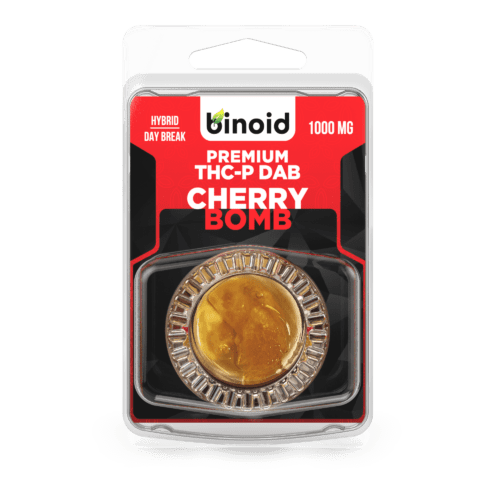
THC-P Wax Dabs
$29.99$57.99 -
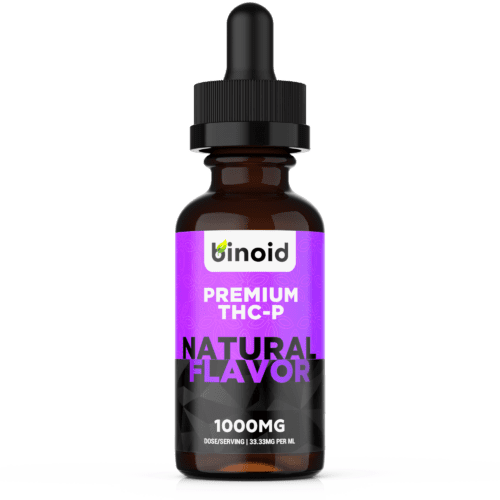
THC-P Tincture – 1000mg
$30.99$79.99 -
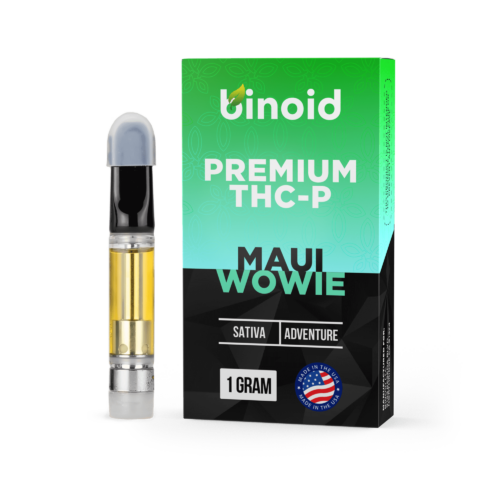
THC-P Vape Cartridge
$27.99$49.99